Heavy rain or snow can cause the water to gather in your yard or garden, which can create puddles and form large areas to collect water and mud. When this water cannot pass, it results in flood and other damages as it flows to your home.
A French drain is installed to protect your home from this problem and redirect the flood water away from your home. French drains reduce the standing water from your yard.
What Is French Drain?
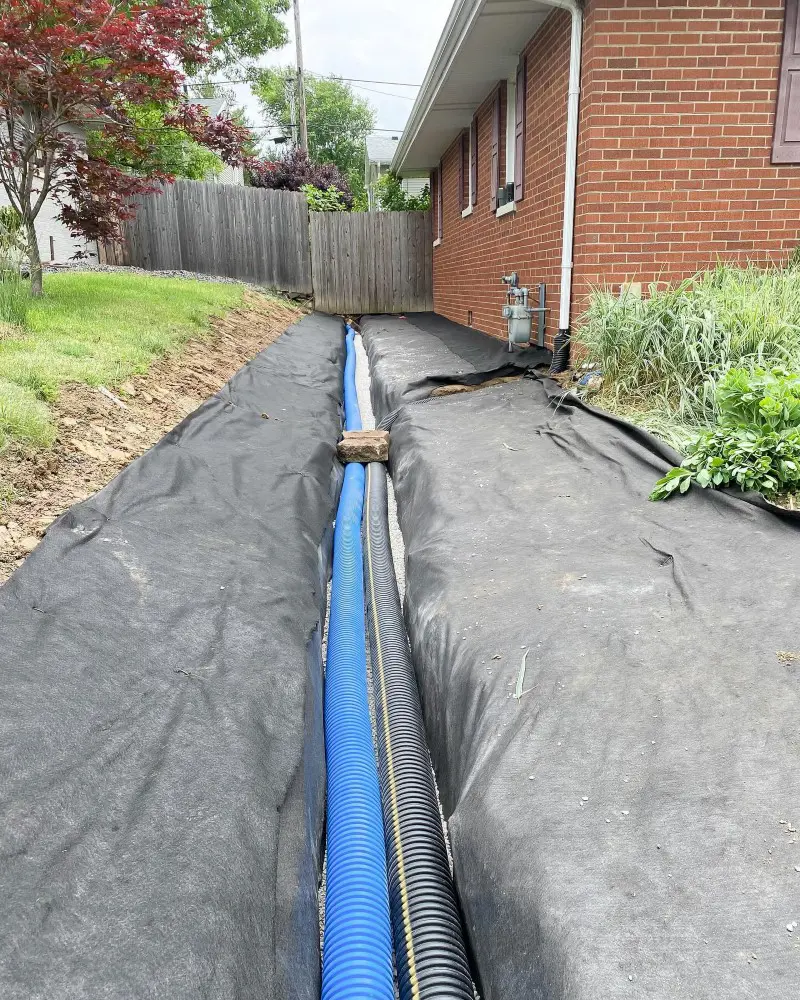
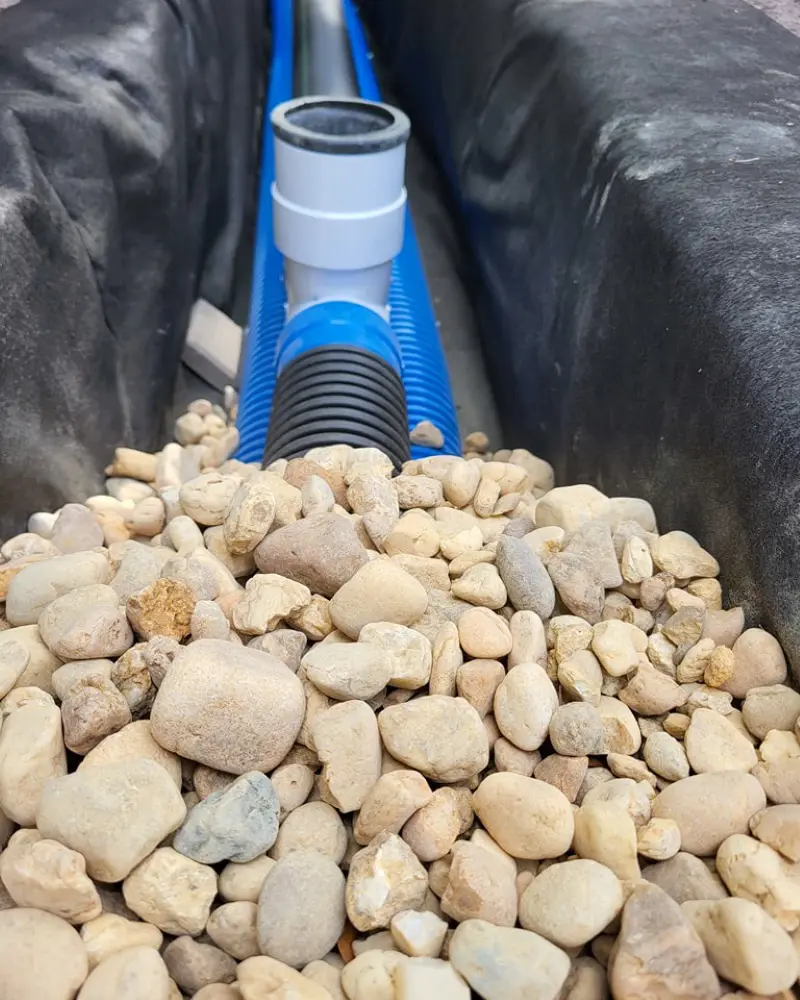
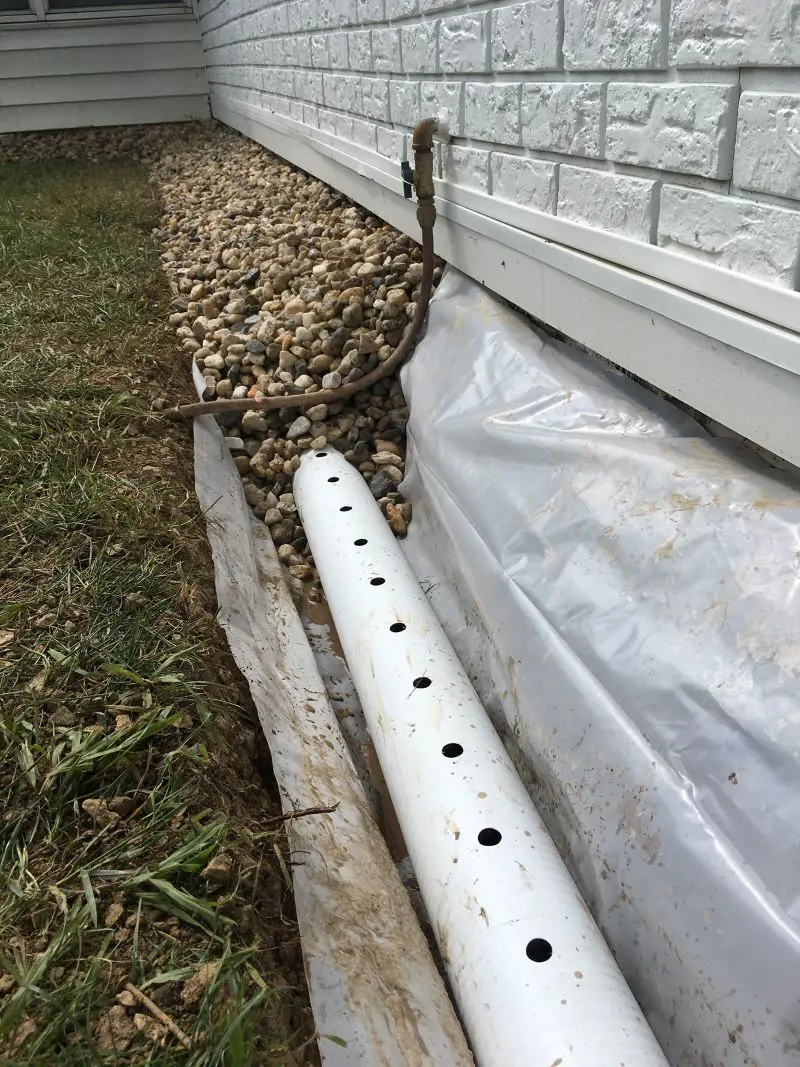
A drainage system that is designed to manage and redirect the water away from specific areas of your yard is known as a French Drain. It is made up of a trench filled with rock or gravel and a perforated pipe positioned at the bottom.
It is generally designed to manage water around foundations, prevent floods in basements, and improve overall yard drainage.
Trench: The dug-out channel which is designed for gathering and directing water away from the flooded areas is called a trench in the french drain. By efficiently controlling water flow, the trench helps avoid erosion, pooling, and water damage near foundations and other locations.
Gravel or rock: Gravel or rock facilitates the water flow, acting as a filter, allowing water to pass through in the french drain. It is placed above the perforated pipe in the trench.
Perforated Pipe: A French drain system's key component is the perforated pipe. It's a pipe that has tiny openings or slots through it so that water can enter and collect from the surrounding ground.
Outlet: The final component of a French drain, the outlet, is the part where water is collected and directed to be released outside safely. The French drain system's performance depends on the outlet's proper placement and design.
Why Do You Need French Drains?
For efficient water management around your property, French drains are essential. They mitigate the chance of leaks and cracks by diverting water away from the base of your house.
They also improve overall drainage and lessen moisture-related issues, which increases property value and helps prevent frost heave, localized flooding, and driveway damage. We have created a detailed list of why you need to implant the french drain:
French drains can protect your foundation from damage by managing and redirecting excess water. It needs to be surrounded by a trench filled with gravel and a perforated pipe to collect water. This water is now channeled away from the foundation to a drainage ditch or a storm sewer.
French drains contribute to the stability and integrity of your building by preventing problems like leaks, cracking, and structural damage by diverting water away from the foundation.
2. To Avoid Basement Flooding
A French drain is a barrier responsible for keeping excess water away from your basement, reducing the risks of flood and damage caused by water. It can effectively facilitate the prevention of basement flooding.
Here's a guide on installing it in your garden or yard to prevent the flood from reaching your garden.
Plan the Drain: You need to identify where the water is collected and plan where you want to redirect it. Generally, French drains should be placed around the area of your basement or in places where water gathers.
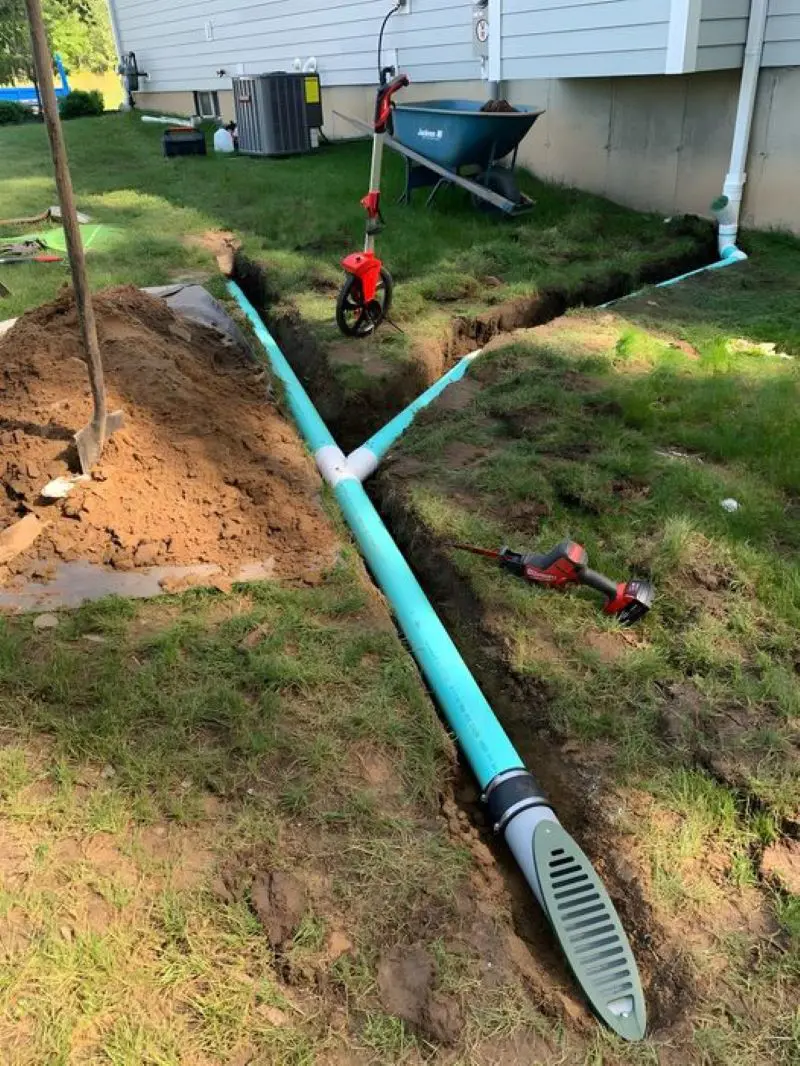
Excavate the Trench: Now, after recognizing the problemed area or the perimeter of your basement, you need to dig a trench around it. The trench should be about 6-8 inches wide and 18-24 inches deep.
Add Gravel: You should place a layer of gravel or rocks at the bottom of the trench. This helps with drainage and prevents the pipe from getting clogged with soil.
Install the Drain Pipe: In the gravel, you need to place a perforated pipe consisting of holes facing down. This pipe will collect and direct water away from your foundation.
3. To Manage Surface Water
The French drain consists of a perforated pipe that is surrounded by gravel. It helps to capture runoff and groundwater by collecting and directing it away to a designated drainage area from the areas that are easily affected by pooling and flooding.
A drier, more stable environment is ensured by this system, which additionally reduces erosion and keeps water away from landscaping and foundations. It also stops water from building up on the surface.
4. To Reduce Soil Erosion
The French drain manages the water flow and prevents runoff that can cause soil erosion. It is an effective tool to reduce soil erosion and maintain the stability and health of your property.
Stabilizes Soil
The soil stability is maintained by the French drain, by keeping the soil around your property drier. Compared to saturated soil, which can become loosened and easily displaced, dry soil is less likely to degrade.
Reduces Runoff Velocity
A French drain's gravel and pipe system minimizes the impact on soil and ground cover by slowing down the flow of water.
Redirects Water Flow
The amount and velocity of water that can wash soil away is decreased by a French drain by collecting and diverting water away from areas that are vulnerable to erosion.
By effectively diverting extra water away from trouble spots like low spots and wet areas, a French drain enhances your yard drainage. The system collects surface runoff and groundwater and directs it to a designated drainage point via a gravel-enclosed perforated pipe.
This keeps water from collecting, lessens soil erosion, and contributes to the upkeep of a wholesome, well-drained yard.
6. To Prevent Mold Growth
By controlling water flow around your property and regulating moisture levels, a French drain can help stop the growth of mold, maintaining a healthy indoor environment. Here's how French drain can help in mold growth prevention:
Prevents Water Infiltration
A French drain reduces the possibility that water will seep through cracks and create moist conditions that encourage mold growth by keeping water away from the basement and foundation walls.
Protects Building Materials
Excess moisture damages your building materials like wood and drywall, making them prone to mold. A French drain helps protect these materials by keeping them dry.
Reduces Humidity
The key factor for the growth of mold is humidity. The French drain manages water around your home, which eventually reduces the indoor humidity levels.
7. To Protect Landscaping
The French drain is responsible for directing excess water away from garden beds, lawns, and other landscape areas. It helps to protect your landscaping by preventing water from gathering and causing erosion.
It keeps plant roots from getting too wet and contributes to the stability of the soil. This guarantees that your landscaping won't sustain damage from water and will stay healthy and well-maintained.
8. Reduce Flood Risk
The water from vulnerable areas is managed and channeled away, reducing the flood risks through the French drain. We have listed how a French drain contributes to mitigating flood risks:
Manages Surface and Groundwater
French drains manage groundwater as well as surface runoff, assisting in the regulation of water levels and lowering the risk of flooding.
Reduces Hydrostatic Pressure
A French drain can help prevent basement flooding by assisting in the reduction of hydrostatic pressure against basement walls and foundations by diverting water away from the foundation.
Protects Structures
By keeping water away from a structure's base, effective drainage helps shield buildings like sheds, garages, and homes against potential flooding and water damage.
Improves Flood Resilience
A French drain increases overall flood resilience by lowering the amount of water that gathers around your property, improving its ability to withstand heavy rains and storm events.
9. To Control Groundwater Levels
By collecting and redirecting extra groundwater away from the area, a French drain regulates groundwater levels. Water from the surrounding soil is collected by the perforated pipe in the gravel-filled trench and directed to a specified drainage point.
This lowers the water table surrounding your property, keeps groundwater from leaking into basements or foundations, and contributes to the upkeep of stable soil conditions.
10. To Prevent Driveway Damage
A French drain can not only protect you from driveway damage but also increase its lifespan by managing water flow and reducing the risk of issues that can lead to deterioration. Here's a quick guide to how it works:
Minimizes Freeze-Thaw Cycles
When the soil beneath the driveway is frozen or expanded, it causes damage. This is caused by the standing water or excess moisture in the soil. By keeping the soil dry, a French drain lowers the possibility of freeze-thaw cycles, which could crack and harm the driveway.
Prevents Potholes and Cracking
A French drain minimizes the possibility of moisture-related damage, like potholes or cracks, which can happen when water seeps into and destroys your driveway surface. This is accomplished by controlling the drainage of water.
Improves Long-Term Durability
Your driveway becomes more stable and its lifespan expands if you install a proper drainage system like a French drain. It helps to maintain the appearance and functionality of your driveway over time.
11. To Minimize Frost Heave
French drains also facilitate frost heave minimization. It is a condition where the soil beneath expands and contracts due to freezing and thawing. This causes damage to your foundation and pavements.
Installing a French drain can contribute to making your property more stable and durable by addressing the issues in the following ways:
Reduces Soil Saturation
A French drain helps prevent the soil around your house from getting too wet by diverting water away from the foundation. Frost heave is caused by saturated soil's increased propensity to freeze and expand.
Prevents Water Accumulation
Before the water enters the soil around your foundation, the French drain system collects and redirects it. This helps to reduce the amount of moisture that can freeze and contribute to frost heave.
Maintains Soil Stability
The French drainage contributes to maintaining the stability of the soil. It prevents excessive moisture from accumulating. The likelihood of substantial expansion and contraction brought on by freezing and thawing is lower in stable soil.
Improves Foundation Integrity
A French drain lowers the possibility of frost-heave-related damage to the foundation and neighboring structures by diverting water away from the foundation.
Enhances Yard and Pavement Durability
Along with protecting the foundation of your home, French drain can also help to prevent the frost heave from your driveways, sidewalks, and other paved areas by reducing water accumulation in the soil beneath these surfaces.
French drain scan positively impacts your property value by addressing water management issues and improving the overall condition of your property. We have listed some measures on how it can enhance your property value:
Preventing Water Damage
A French drain helps to protect your property from water damage, and other problems related to it like mold growth, and structural issues. This can be prevented efficiently by managing water flow and preventing basement flooding. This property can be a unique and significant selling point for it.
Improving Basement Usability
A clean, dry basement is more aesthetically pleasing and functional. You can transform it into more living space, raising the value of your house.
Increasing Curb Appeal
The prevention of soil erosion and maintenance of landscaping is possible due to the proper drainage around your property. This can enhance the overall appearance of your home.
Reducing Maintenance Costs
a French drain can reduce future repair and maintenance costs, by preventing water damage and its associated problems, which can attract a lot of potential buyers.
Adding to Marketability
Particularly in locations vulnerable to frequent flooding or heavy rainfall, homes featuring efficient drainage systems are frequently seen more favorably. In the real estate market, it can help your house stand out.
Compliance with Regulations
Local building codes in certain places require the installation of adequate drainage systems. By installing a French drain, you can make sure your house complies with these rules and prevent possible problems during home inspections.
A French drain is a drainage system that works by efficiently managing and transferring water away from areas that are prone to moisture.
French drains assist with the protection of structures and the preservation of the landscape by redirecting excess water away from foundations, lawns, and other important areas. Their major functionalities are described in detail below:
Collection
The water from heavy rainfall, surface runoff, or groundwater is entered in the trench which is filled with gravel or rocks. This layer of gravel acts as a filter for that water which allows it to pass through by keeping larger debris out.
Channeling
The bottom of the trench consists of a perforated pipe that has small holes along its length. This permits water to pass through the dirt and gravel nearby.
Transport
The water flows through the pipe's length when it enters the perforated pipe. This design ensures that water is efficiently diverted away from areas that need protection.
Discharge
The pipe sends the gathered water to a storm sewer, dry well, or drainage ditch as an outlet. The purpose of this outlet is to safely handle and dispose of the water, avoiding problems such as erosion, flooding, or pooling.
When Should You Use French Drain System?
You can use a French drain system in various situations. Generally, french drains are suitable for any situation related to controlling excess water that needs to be protected. We have made a list of some of them for you:
Foundation Protection
You can protect the foundation using a French drain system by digging a trench around the base of your home. By keeping water from building up around the foundation, this system lowers the possibility of structural damage, basement flooding, and moisture-related problems.
Basement Waterproofing
To protect your basement from water or flooding, you need to install a drainage system around the perimeter of your basement. This prevents the water infiltration by collecting and channeling water away from the basement.
The water that has gathered is directed toward an outlet, like a drainage ditch or sump pump. By keeping the basement dry, this system lessens the risk of flooding, the growth of mold, and damage to the walls and flooring.
Yard Drainage Issues
You need to dig a trench in the places where water gathers or the yard gets soggy to address drainage issues in the yard. Then you can place a pipe with holes at the bottom of the trench and cover it with gravel.
This pipe collects water from the ground and moves it to a location, such as a dry well or drainage ditch, through the pipe. This arrangement makes your yard healthier and more functional by preventing water from pooling, lowering erosion, and safeguarding your plants.
A French drain also helps to prevent erosion, which can be installed in the water runoff areas that cause soil loss. This system preserves your landscape and stops additional damage by supporting water flow control, lowering soil erosion, and stabilizing the affected area.
Driveway Drainage
To prevent the water from pooling and causing damage, you can install a French drain system. This layout decreases the possibility of cracks and erosion, keeps the driveway dry, and keeps ice from accumulating throughout the winter.
Preventing Flooding
French drain's major role is to prevent floods from your garden, basement, or home base. It can be installed to manage the excess water efficiently. The French drain contributes to the reduction of risks of water accumulating and causing floods, protecting your property from water damage.
Protecting Landscaping
French drain system also facilitates in protecting your landscape. This setup prevents the water from being gathered around plants, which can lead to root rot and soil erosion. It maintains the health and appearance of your landscape.
Managing Groundwater
A French drain system benefits the management of groundwater by reducing the amount of excess water below the surface. To collect your groundwater, you need to dig a trench, add gravel or rock to it, and place a perforated pipe at the bottom.
The technology lowers the chance of flooding, helps avoid problems with the water table, and shields buildings and landscaping from water damage by efficiently rerouting groundwater.