Pond plants are the jewels of aquatic landscapes, transforming serene water bodies into vibrant, living tapestries. These botanical wonders not only enhance the aesthetic appeal of ponds but also contribute to their ecological balance by providing habitat for wildlife, oxygenating the water, and filtering impurities.
From the delicate blooms of water lilies to the lush greenery of cattails, pond plants bring a dynamic mix of colors, textures, and forms to aquatic settings.
In this article, we are going to explore 20 exceptional pond plants that epitomize aquatic beauty, each offering unique characteristics that make them perfect additions to any pond environment.
1. Water Hyacinth
Water hyacinth is a striking aquatic plant known for its vibrant purple flowers and glossy, bulbous leaves that float gracefully on water surfaces. Native to South America, it thrives in warm climates and can rapidly cover ponds and waterways.
Its rapid growth and ability to form dense mats make it a highly invasive species, often outcompeting native plants and disrupting local ecosystems. Despite its beauty, careful management is necessary to prevent ecological imbalance.
2. Water lettuce
Water lettuce is a fascinating and buoyant aquatic plant that adorns the surfaces of ponds and water gardens. With its rosettes of pale green leaves forming intricate patterns, it creates a captivating and ethereal scene. This resilient plant thrives in warm, still waters, where it serves as a natural filter, absorbing excess nutrients and improving water quality.
Its rapid growth rate and ability to reproduce quickly make it a valuable asset in maintaining ecological balance. Cherished by aquarists and gardeners alike for its beauty and functionality, water lettuce enhances the serenity and charm of aquatic landscapes with its unique and timeless allure.
3. Water Hawthorn
Water hawthorn emerges as a delicate and enchanting aquatic plant in water gardens and ponds. With its dark green, glossy leaves and delicate white flowers that bloom during the cooler months, it adds a touch of elegance and charm to any aquatic landscape.
Native to South Africa, this resilient plant grows in still or slow-moving waters, where it provides a haven for small aquatic life. Its fragrant flowers attract pollinators and create a serene ambiance. Cherished by gardeners for its beauty and adaptability, water hawthorn is a prized addition to water features, enriching the tranquil beauty of aquatic environments with its enduring appeal.
4. Louisiana Iris
Louisiana Iris is a vibrant and striking plant, celebrated for its spectacular blooms that come in a variety of colors including blue, purple, red, yellow, and white. Native to the wetlands of the southeastern United States, particularly Louisiana, these irises thrive in moist, swampy conditions and are ideal for pond edges and bog gardens.
Their large, showy flowers and lush green foliage add dramatic beauty to any water garden. Beyond their visual appeal, Louisiana Irises play a role in supporting local wildlife by providing nectar for pollinators. Hardy and adaptable, they bring a touch of the wild wetlands to cultivated aquatic landscapes.
5. Water Canna
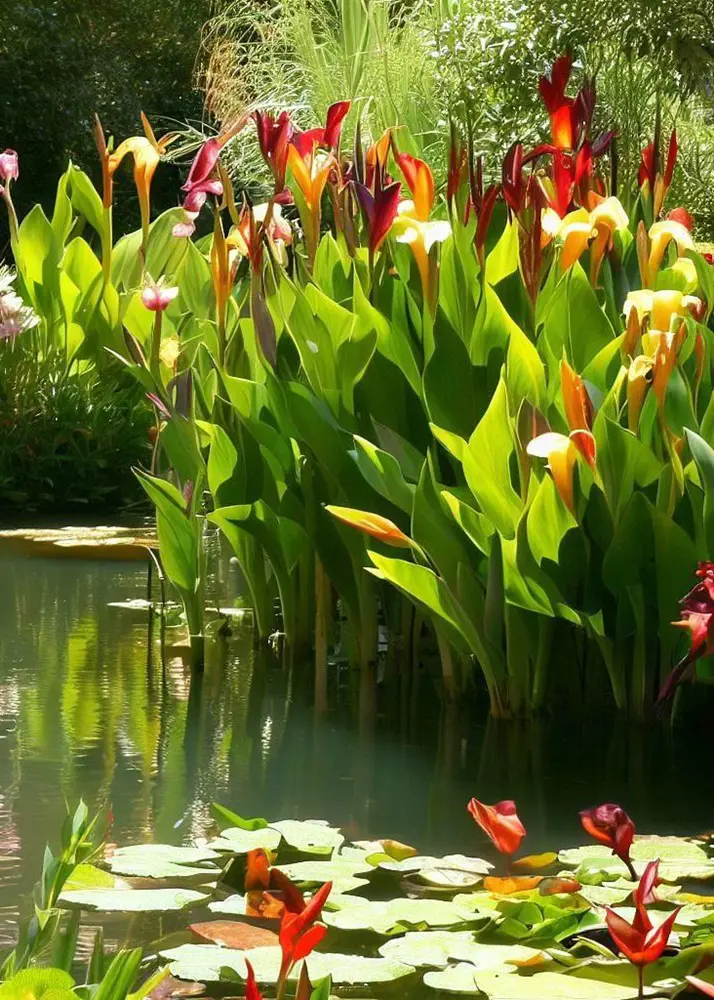
Water Canna is a striking aquatic plant known for its tall, elegant stalks and large, banana-like leaves. Native to wetlands in the southeastern United States, this perennial thrives in shallow water or boggy areas, making it a perfect addition to ponds and water gardens. In summer, the Water Canna produces clusters of small, lavender flowers that attract pollinators like bees and butterflies.
Besides its ornamental appeal, it contributes to water quality by absorbing excess nutrients and providing habitat for aquatic wildlife. Water Canna's robust growth and vibrant foliage add vertical interest and tropical flair to any aquatic landscape.
6. Creeping Jenny
Creeping Jenny is a charming groundcover plant known for its bright green, round leaves and small, yellow, star-shaped flowers. Native to Europe, this hardy perennial grows in moist environments, making it ideal for pond edges, water gardens, and damp landscapes. Its low-growing, spreading habit forms a dense mat that helps prevent soil erosion and suppress weeds.
Creeping Jenny's vibrant foliage provides a lush, carpet-like effect, enhancing the visual appeal of any garden. Additionally, it offers ecological benefits by providing habitat for insects and small wildlife. Easy to grow and versatile, Creeping Jenny is a delightful addition to any aquatic setting.
7. Water Milfoil
Water Milfoil is a submerged aquatic plant that is both beneficial and challenging in aquatic environments. Characterized by its feathery, finely divided leaves arranged in whorls along slender stems, Water Milfoil is native to North America, Europe, and parts of Asia.
It forms dense underwater colonies in lakes, ponds, and slow-moving streams. While it provides habitat for aquatic organisms and helps to oxygenate the water, Water Milfoil can become invasive, forming thick mats that impede water flow and hinder recreational activities like swimming and boating. Effective management strategies are crucial to balance its ecological benefits with the need to control its spread.
8. Anacharis
Anacharis, scientifically known as Elodea canadensis, is a versatile and popular submerged aquatic plant cherished by aquarists and pond enthusiasts alike. Native to North America, it is renowned for its rapid growth and ability to oxygenate water. Anacharis features long, slender stems adorned with whorls of bright green, narrow leaves. Its adaptability to various water conditions makes it an excellent choice for both freshwater aquariums and outdoor ponds. Beyond its ornamental value, Anacharis plays a vital role in maintaining water quality by absorbing excess nutrients and providing shelter for aquatic creatures. However, it can become invasive in certain environments, requiring careful management to prevent uncontrolled growth.
9. Blue Flag Iris
Blue Flag Iris is a captivating perennial plant renowned for its stunning flowers and elegant foliage. Native to North America, particularly in wetlands and along the edges of ponds, streams, and marshes, this iris species is celebrated for its striking blue to purple blooms, which typically appear in late spring to early summer. The flowers feature intricate patterns and are adorned with yellow and white markings, making them a focal point in any garden or aquatic landscape.
Blue Flag Iris also boasts slender, sword-like leaves that add graceful texture to the surroundings. Beyond its aesthetic appeal, this iris species serves ecological purposes by providing habitat for pollinators and supporting biodiversity in wetland ecosystems. Hardy and resilient, Blue Flag Iris is a cherished addition to water gardens, bringing beauty and ecological benefits to any landscape.
10. Water Lilies
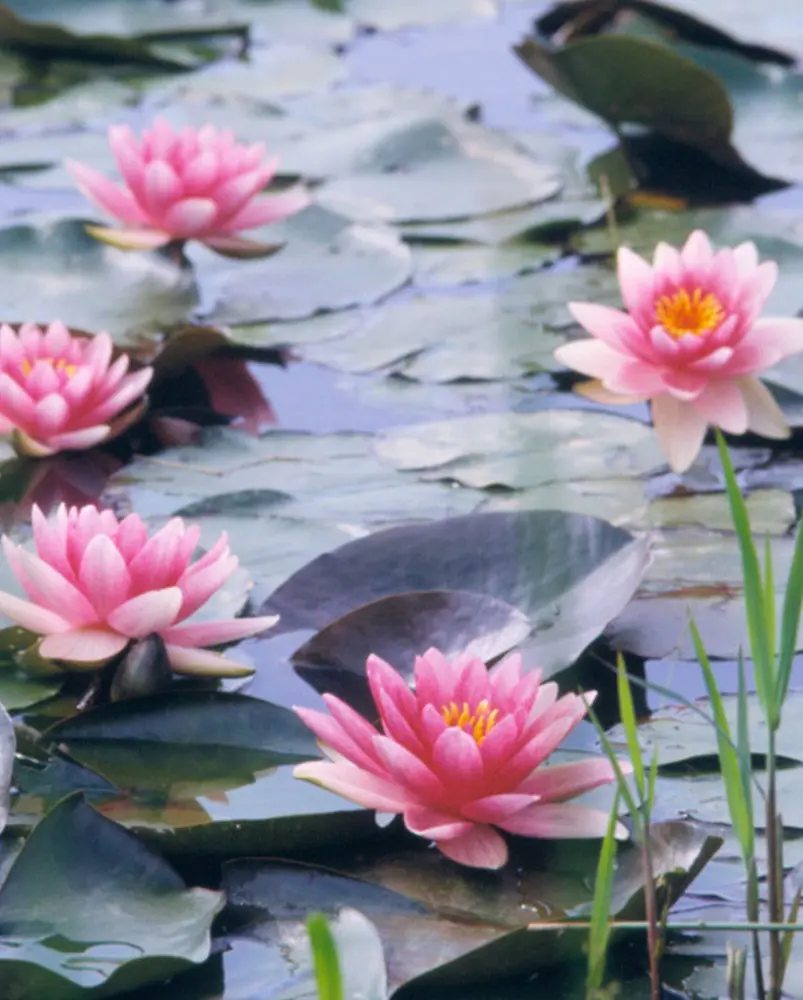
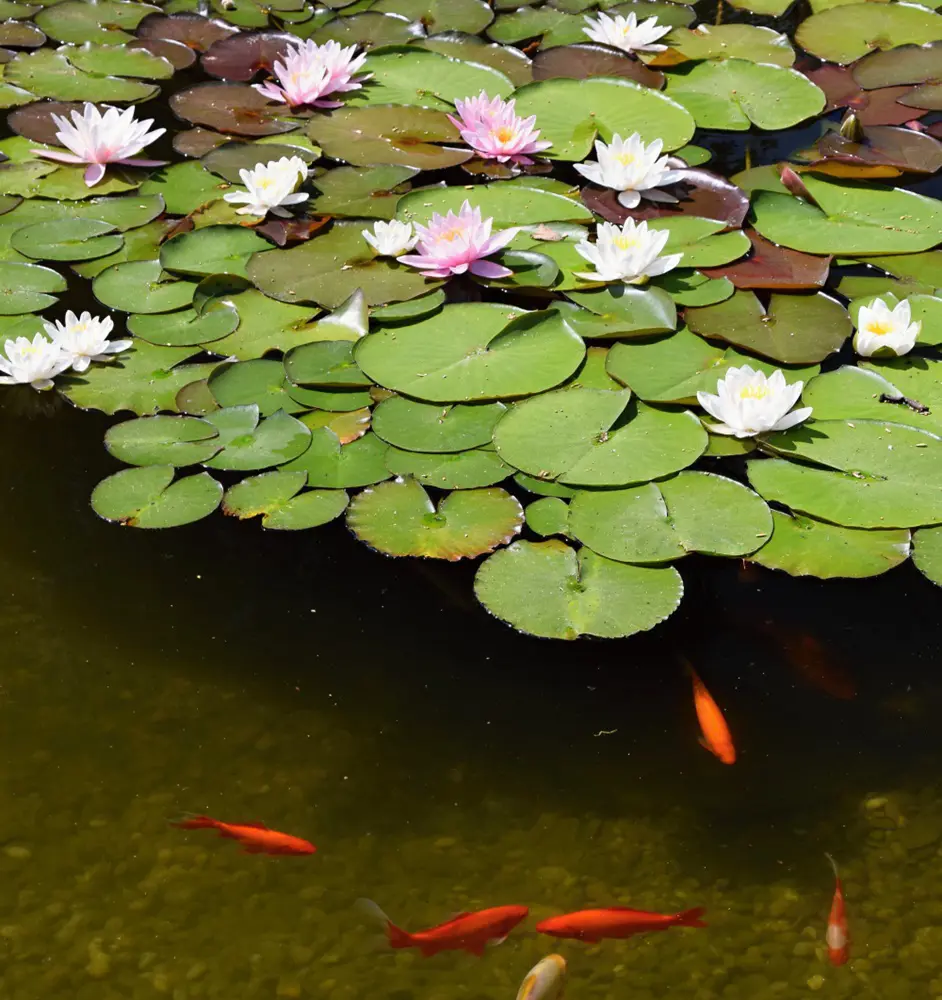
Water lilies are cherished aquatic plants, adored for their serene beauty in ponds and water gardens. With floating leaves and captivating blooms in various hues like white, pink, and yellow, they epitomize elegance. These plants grow in still or slow-moving water, their roots anchored in the pond's bottom while their leaves and flowers float gracefully.
Beyond their aesthetic charm, water lilies offer ecological benefits by providing shade, reducing algae growth, and attracting pollinators like bees and butterflies. Relatively easy to cultivate, they bring tranquility and natural splendor to outdoor spaces, making them a beloved choice for pond enthusiasts.
11. Arrowhead
Arrowhead thrives in serene waters, boasting arrow-shaped leaves that gracefully float atop tranquil ponds and marshes. Its botanical name, Sagittaria, pays homage to its arrow-like appearance. Resilient and adaptable, this plant serves as a vital component of wetland ecosystems, providing habitat for diverse aquatic life.
With its delicate white flowers emerging above the water's surface, the arrowhead adds a touch of natural beauty to its surroundings. Revered for its ability to stabilize shorelines and improve water quality, arrowhead stands as a testament to the remarkable resilience and ecological importance of wetland flora.
12. Water snowflake
Water snowflakes grace ponds with delicate beauty. Its snowflake-like leaves float gently, adorning the water's surface. Native to tropical regions, it features lush green foliage and charming yellow flowers reminiscent of miniature water lilies.
Essential for pond ecosystems, it provides shelter for aquatic life and helps maintain water quality by absorbing excess nutrients. In gardens, it adds natural elegance, creating a serene ambiance. With its captivating beauty and ecological significance, water snowflake enriches the aquatic landscapes it inhabits.
13. Watter poppy
Water poppy graces ponds with its enchanting presence. Its vibrant yellow flowers and round, lily-pad-like leaves float gracefully on the water's surface, adding a touch of natural elegance to any aquatic landscape. Native to tropical and subtropical regions, water poppy thrives in warm, still waters, where it serves as a haven for small aquatic creatures.
With its ability to absorb excess nutrients, it plays a vital role in maintaining water quality. In garden ponds, water poppy is cherished for its beauty and ease of cultivation, enhancing the serenity and charm of water features.
14. Water shield
Water shield stands as a stalwart guardian of aquatic ecosystems. Its glossy, shield-shaped leaves float gracefully on the water's surface, creating a serene and captivating sight. Native to freshwater habitats, this aquatic plant plays a crucial role in maintaining ecological balance.
With its dense foliage and extensive root system, the water shield provides habitat and refuge for various aquatic organisms while helping to stabilize the underwater environment. Admired for its resilience and beauty, the water shield adds a touch of natural elegance to ponds and lakes.
Its delicate purple flowers, emerging above the water's surface, further enhance its allure. As a natural filter, it helps to purify water by absorbing excess nutrients, contributing to the overall health of aquatic environments. In both natural settings and garden ponds, the water shield shines as a symbol of nature's beauty and resilience.
15. Watersprite
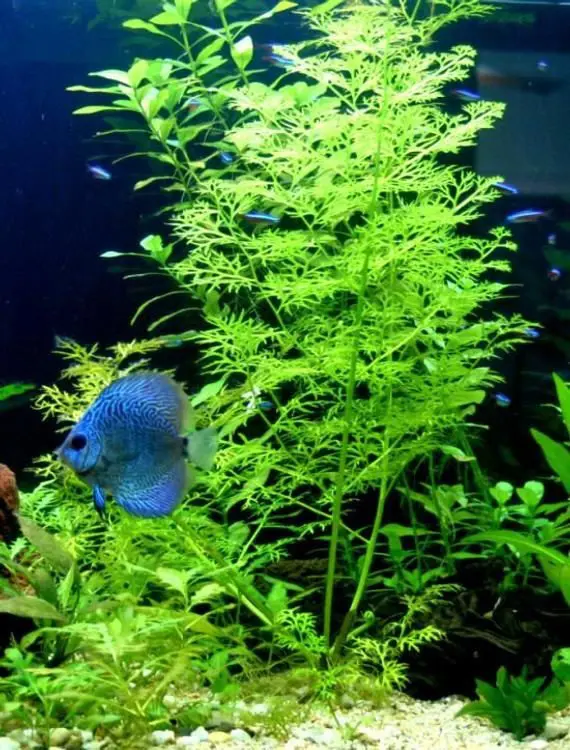
Watersprite graces aquatic realms with its delicate, fern-like foliage. Native to tropical waters, its vibrant green fronds sway gracefully, adding natural beauty to ponds and aquariums. Serving as a sanctuary for small aquatic life, it thrives in calm, nutrient-rich environments.
Popular among aquarists, water sprite's resilience and ease of care make it a valuable asset. It oxygenates water and absorbs excess nutrients, aiding in maintaining water quality. Whether in natural or artificial settings, water sprite shines as a symbol of tranquility and elegance, enriching any waterscape it inhabits with its timeless allure.
16. Bog sage
It graces wetland habitats with its striking sky-blue flowers. Thriving in boggy areas, its vibrant blooms attract pollinators, enhancing biodiversity. With lance-shaped foliage, it shelters small creatures, enriching wetland ecosystems.
Admired for its beauty and adaptability, bog sage is popular in water and rain gardens. Its low-maintenance nature makes it a valuable addition to any landscape. Whether in natural or cultivated settings, bog sage symbolizes wetland beauty and resilience, enriching landscapes with its timeless allure
17. Taro
Taro is a versatile tropical plant celebrated for its starchy tuber and broad, heart-shaped leaves. Originating in Southeast Asia, it has spread worldwide, becoming a staple in cuisines across cultures. Thriving in moist, well-drained soil, taro is cultivated in both upland and wetland environments.
Its edible corms are rich in nutrients, providing a vital food source for millions. Beyond its culinary uses, taro's large, lush leaves offer shade and shelter in gardens and landscapes. Revered for its resilience and culinary versatility, taro stands as a timeless symbol of sustenance and tropical abundance.
18. Cattails
Cattails are iconic wetland plants revered for their resilience and ecological importance. Thriving in marshes, ponds, and wetlands worldwide, their distinctive cigar-shaped spikes and narrow leaves stand tall, serving as beacons of biodiversity. Cattails provide habitat and sustenance for diverse aquatic life, while their dense root systems stabilize shorelines and filter water.
Resilient and adaptable, they symbolize nature's ability to thrive in challenging environments. Beyond their ecological roles, cattails have cultural significance, used in crafts and cuisine by various indigenous cultures. As guardians of wetland ecosystems, cattails stand as enduring symbols of resilience and vitality.
19. Ickerel rush
This plant stands as a striking aquatic beauty in wetland habitats. With its lance-shaped leaves and vibrant blue-purple flower spikes, it adds a captivating allure to pond edges and marshy areas. Native to North America, this resilient plant thrives in shallow waters, providing essential habitat and shelter for various aquatic creatures.
Its stunning flowers not only enhance the aesthetic appeal but also attract pollinators, enriching the biodiversity of wetland ecosystems. Cherished by gardeners and nature enthusiasts, Pickerel Rush is a popular choice for water gardens, contributing to the charm and vitality of aquatic landscapes with its timeless elegance.
20. Pickerelweed
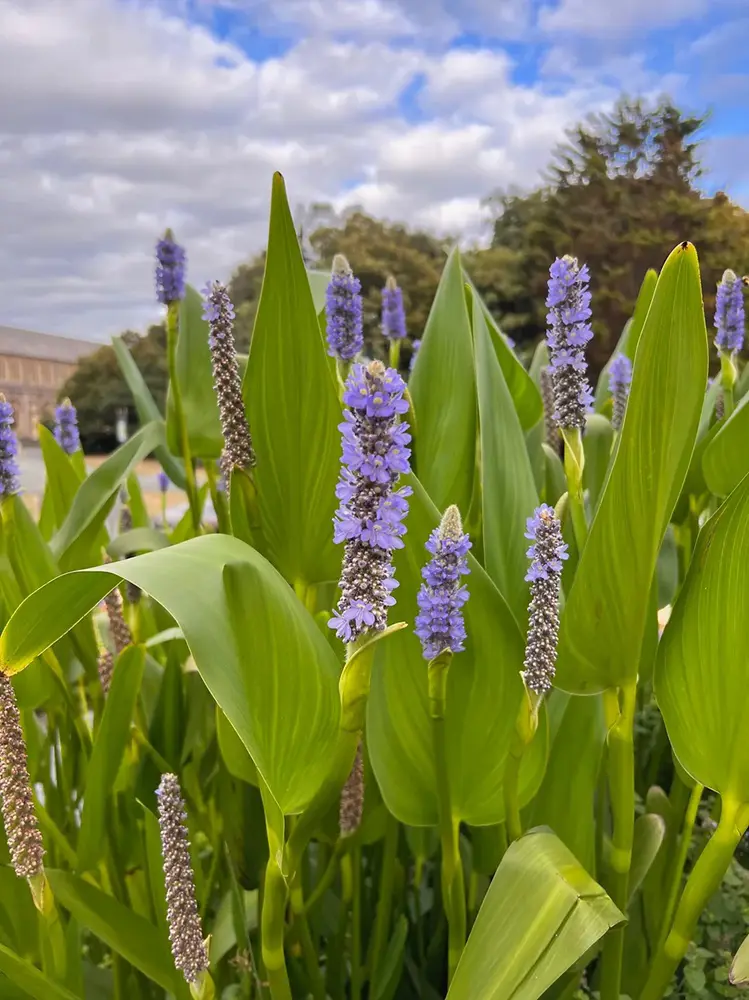
It grows in wetland habitats with its striking beauty. With its lance-shaped leaves and spikes of blue-purple flowers, it adds a captivating allure to the edges of ponds and marshy areas. Native to North America, this resilient plant thrives in shallow waters, providing essential habitat and shelter for various aquatic creatures.
Its stunning flowers not only enhance the aesthetic appeal but also attract pollinators, enriching the biodiversity of wetland ecosystems. Cherished by gardeners and nature enthusiasts alike, pickerelweed is a popular choice for water gardens, contributing to the charm and vitality of aquatic landscapes with its timeless elegance.