Nitrogen is essential for plant growth in fundamental processes such as photosynthesis and protein synthesis. Its availability directly influences plant development, health, and productivity across agricultural and gardening contexts.
Understanding how nitrogen interacts with plants and soil is key to optimizing farming practices and achieving sustainable crop yields. Here's a detailed guide on how to use nitrogen in plants and soil:
1. Using Organic Compost
Organic compost is one of the best ways to add nitrogen to soil. Decomposed organic matter, such as kitchen scraps and garden waste, provides a steady release of nitrogen as it breaks down, enriching the soil over time.
This method not only supplies nitrogen but also improves soil structure, aeration, and water retention, creating a healthier growing environment for plants. Compost also helps in balancing the soil pH, promoting beneficial microbial activity, and reducing soil compaction.
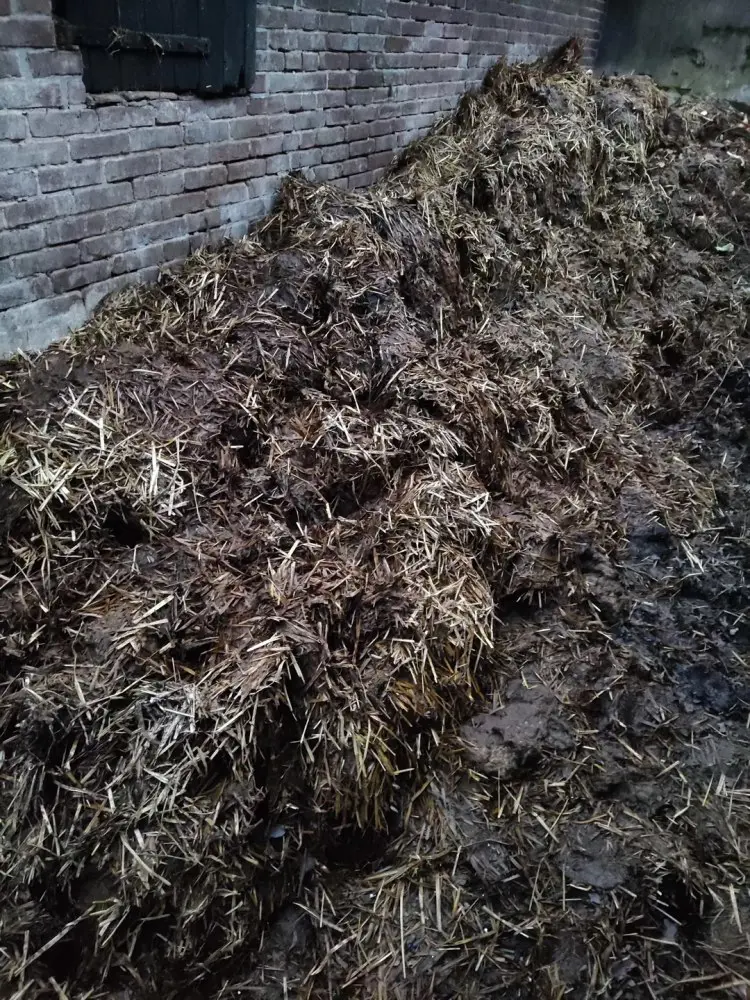
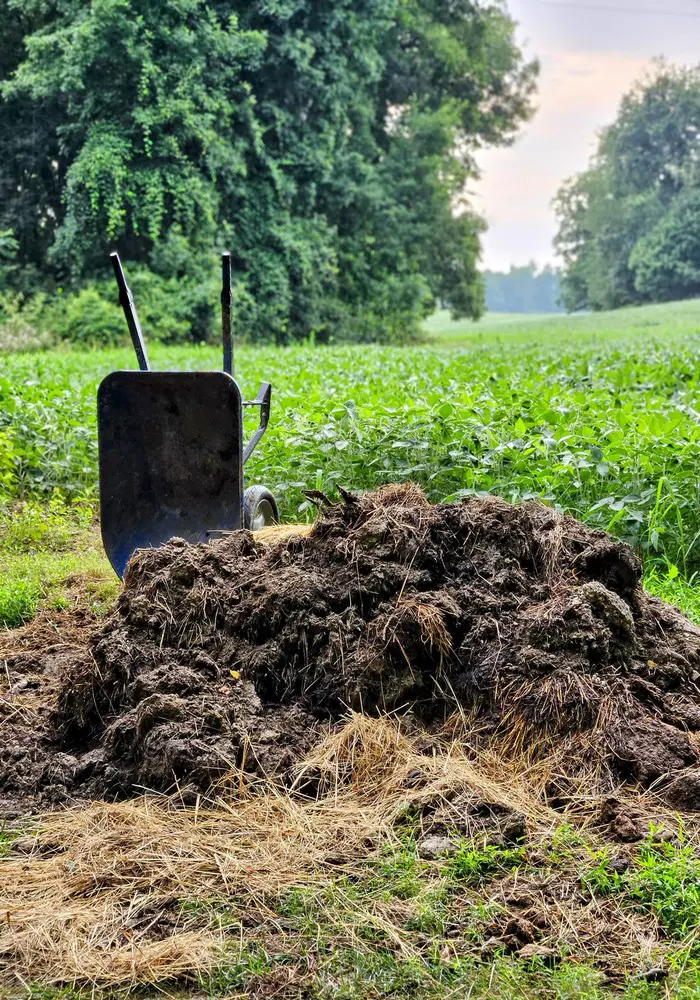
Animal manure, particularly from chickens, cows, and horses, is rich in nitrogen. It should be composted before use to prevent burning plant roots. Composted manure provides a slow-release source of nitrogen and other essential nutrients, enhancing soil fertility and promoting vigorous plant growth.
Manure improves soil texture, increases organic matter, and enhances water retention capabilities. It's essential to properly manage and compost manure to avoid issues related to pathogens and odor.
3. Incorporating Green Manure
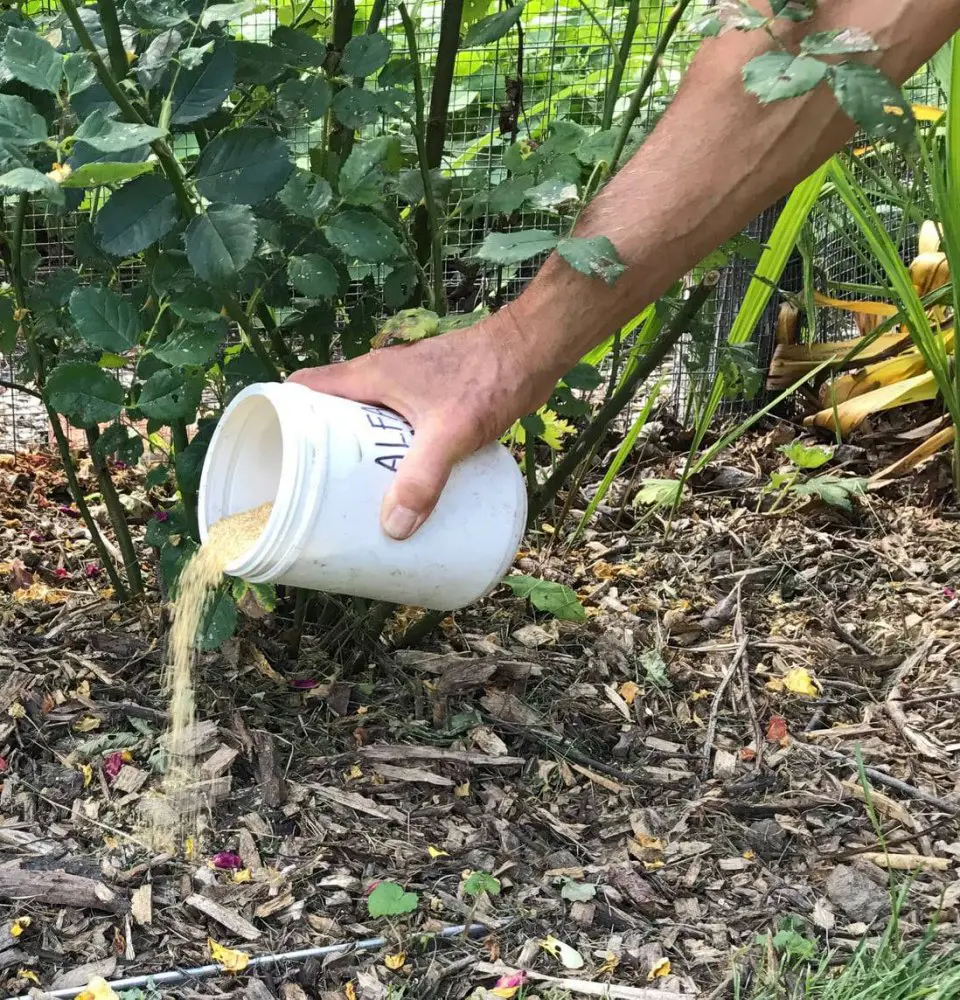
Green manure involves growing cover crops like clover, rye, or alfalfa, which are then tilled back into the soil. These crops enrich the soil with nitrogen as they decompose, improving soil structure and organic matter content.
Green manures also help suppress weeds and prevent soil erosion. By incorporating green manure, gardeners can enhance soil fertility, increase organic matter, and support beneficial soil organisms. The practice also improves soil aeration and water infiltration, creating a favorable environment for subsequent crops.
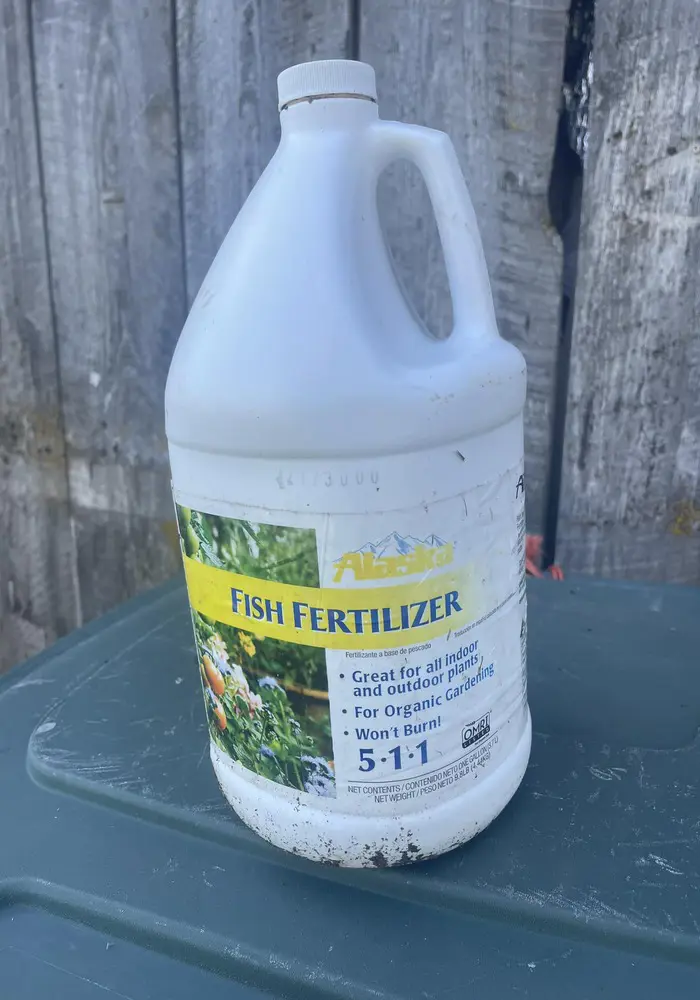
Fish emulsion is a liquid fertilizer made from fish waste. It's high in nitrogen and provides a quick nutrient boost to the soil. It’s particularly useful for giving plants an immediate nitrogen supply, promoting rapid growth and development.
Fish emulsion also contains other essential nutrients like phosphorus and potassium, making it a balanced fertilizer option. It's easy to apply, either as a soil drench or foliar spray, and is particularly beneficial for seedlings and young plants.
5. Blood Meal Application
Blood meal, a byproduct of animal slaughter, is a high-nitrogen organic fertilizer. It provides a rapid release of nitrogen, making it ideal for plants with immediate nutrient needs.
A blood meal is especially effective for boosting leafy green growth in vegetables and improving the overall nitrogen content of the soil. It also helps in balancing the carbon-to-nitrogen ratio in compost piles, accelerating decomposition. Care should be taken to apply the correct amount to avoid over-fertilization, which can lead to excessive vegetative growth and potential nutrient imbalances.
Leguminous cover crops like beans and peas have symbiotic relationships with Rhizobium bacteria, which fix atmospheric nitrogen into the soil. This natural process enriches the soil with nitrogen, reducing the need for synthetic fertilizers and enhancing soil fertility for subsequent crops.
Planting nitrogen-fixing cover crops can improve soil structure, increase organic matter, and promote a healthy soil ecosystem. These crops also provide ground cover, reducing soil erosion and suppressing weeds.
7. Incorporating Crop Residues
After harvesting crops, leaving crop residues such as straw, stalks, and leaves on the field can help increase nitrogen levels in the soil. As these residues decompose, they release nitrogen and other nutrients back into the soil.
This practice, known as residue incorporation, not only adds nitrogen but also improves soil organic matter, enhances moisture retention, and reduces erosion. Crop residues also provide a habitat for beneficial soil organisms, which contribute to nutrient cycling and overall soil health.
8. Nitrogen-Rich Mulch
Mulching with nitrogen-rich materials such as grass clippings, alfalfa hay, or other green plant matter can provide a slow-release source of nitrogen to the soil. As the mulch decomposes, it gradually releases nitrogen and other nutrients, improving soil fertility and supporting plant growth.
Mulching also helps retain soil moisture, reduce weed growth, and prevent soil erosion. Applying a layer of nitrogen-rich mulch around plants creates a beneficial microenvironment that enhances root development and overall plant health.
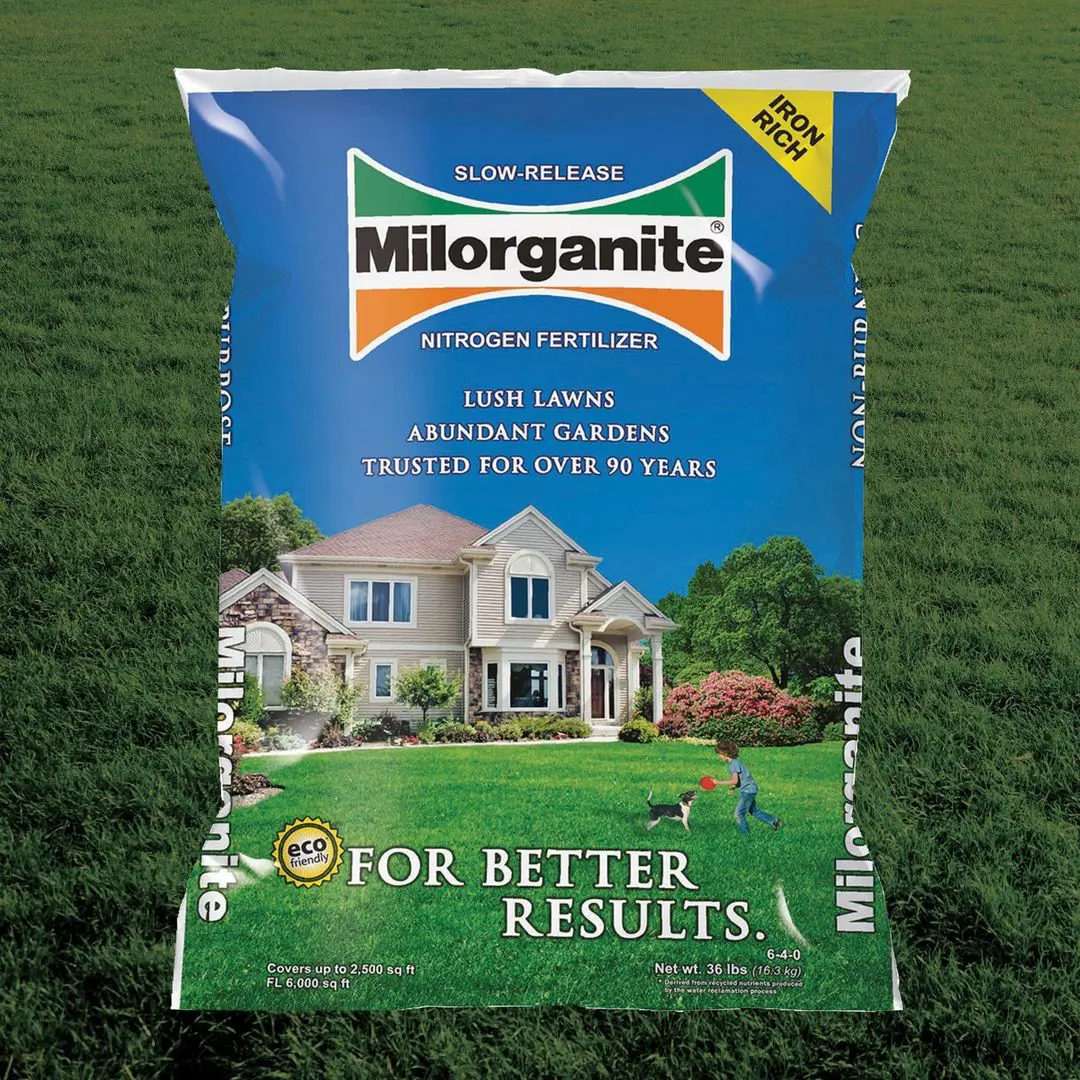
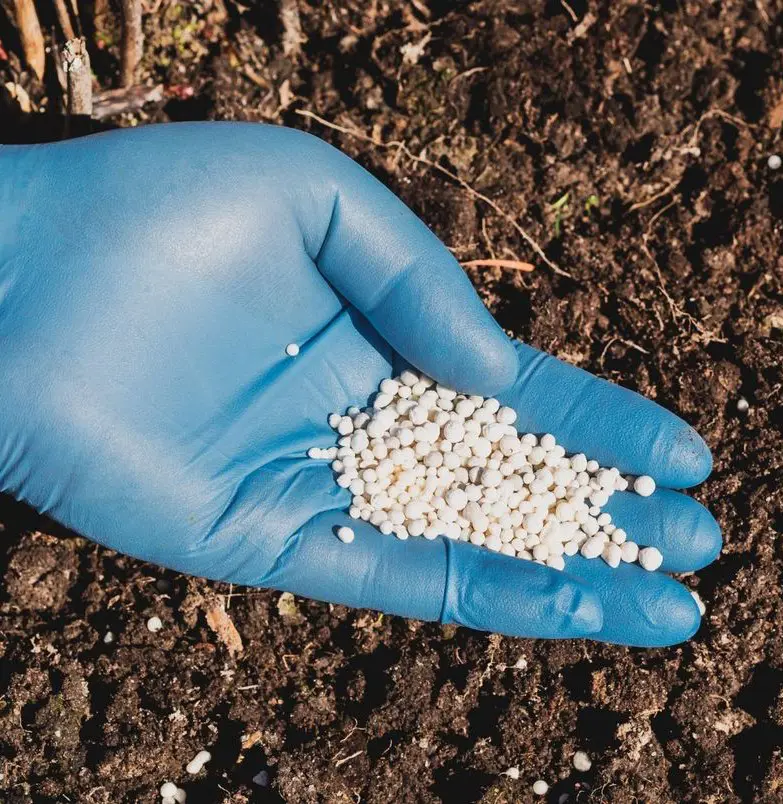
Commercial nitrogen fertilizers, such as ammonium nitrate, urea, and ammonium sulfate, are widely used to quickly and effectively increase nitrogen levels in the soil. These fertilizers are highly concentrated and can provide immediate nitrogen availability to plants.
They are particularly useful for correcting nitrogen deficiencies and supporting rapid plant growth. However, it is important to apply commercial fertilizers carefully to avoid over-fertilization, which can lead to nutrient imbalances, soil acidification, and environmental pollution.
Choosing the Right Type of Nitrogen Fertilizer
Choosing the right nitrogen fertilizer involves considering nutrient content, release rate, and application method.
Quick-release fertilizers, which provide nitrogen rapidly, are ideal for correcting acute deficiencies or stimulating rapid growth phases. In contrast, slow-release fertilizers deliver nitrogen gradually over an extended period, minimizing nutrient loss through leaching or volatilization.
Types of Nitrogen Fertilizers
There are several types of nitrogen fertilizers, including ammonium nitrate, ammonium sulfate, urea, and organic nitrogen sources like compost and manure. Each type has different nutrient availability and release characteristics, affecting their suitability for specific crops and soil conditions.
1. Ammonium Nitrate
Ammonium nitrate is a popular nitrogen fertilizer due to its high nitrogen content and quick-release properties. It contains equal parts ammonium and nitrate nitrogen, making it readily available to plants.
This fertilizer is highly effective for stimulating rapid plant growth, especially in cool climates. However, it can also pose safety risks due to its explosive nature and requires careful handling and storage.
2. Ammonium Sulfate
Ammonium sulfate provides nitrogen in the ammonium form and also supplies sulfur, an essential nutrient for many crops. It is particularly beneficial for soils that are deficient in sulfur.
Ammonium sulfate is less likely to volatilize compared to urea, making it suitable for surface application. However, it has a lower nitrogen content compared to other synthetic fertilizers, which may require higher application rates.
3. Urea
Urea is one of the most widely used nitrogen fertilizers, known for its high nitrogen content and cost-effectiveness. It is highly soluble in water and can be applied as a solid or liquid.
However, urea can volatilize into ammonia gas if not incorporated into the soil quickly, leading to potential nitrogen loss. Proper application techniques, such as soil incorporation or irrigation, are essential to maximize its effectiveness.
4. Organic Nitrogen Sources
Organic nitrogen sources include compost, manure, and other natural materials that decompose slowly, releasing nitrogen over time. These sources improve soil structure and fertility while providing a steady supply of nutrients.
Compost and manure are excellent for building long-term soil health and are particularly suitable for organic farming systems. However, the nutrient content of organic sources can vary, requiring careful management to meet crop needs without causing nutrient imbalances.
Organic nitrogen fertilizers offer sustainable alternatives to synthetic fertilizers, enriching soil health while supplying essential nutrients to plants. Key sources include:
Compost: Derived from decomposed organic matter, compost enhances soil structure, moisture retention, and microbial activity.
Animal Manure: It provides a concentrated source of nitrogen, contributing to soil fertility and organic matter content.
Cover Crops: Crops such as legumes, fix atmospheric nitrogen through symbiotic relationships with nitrogen-fixing bacteria, replenishing soil nitrogen levels naturally, and reducing dependency on external inputs.
These organic sources of nitrogen not only support plant growth but also improve soil health and reduce environmental impact compared to synthetic alternatives.
Adequate Use of Nitrogen
Enhancing nitrogen use efficiency involves optimizing fertilizer application rates and timing to match crop nutrient demand throughout the growing season. But both the deficiency as well as the excess use of nitrogen caused harm to the soil as well as the plants.
Recognizing nitrogen deficiency is crucial for maintaining plant health and productivity. Plants deficient in nitrogen often exhibit:
Stunted Growth: Lack of nitrogen inhibits plant growth, resulting in smaller plants and reduced overall size.
Yellowing Leaves: Chlorosis, characterized by yellowing of older leaves while veins remain green, indicates insufficient chlorophyll production due to nitrogen deficiency.
Reduced Vigor: Plants lacking nitrogen may appear weak and less robust, showing diminished vitality and resilience.
Delayed Maturity: Nitrogen-deficient plants may take longer to reach maturity and produce fruit or flowers.
Timely diagnosis through visual inspection and soil testing allows growers to apply appropriate nitrogen amendments to correct deficiencies and support optimal plant growth.
Effects of Excess Nitrogen
Overapplication of nitrogen fertilizers not only affects the soil and the plants but also the environment. Excess nitrogen affects the overall sustainability of life. Key effects of nitrogen overapplication include:
Nutrient runoff
Eutrophication of water bodies
Soil acidification
Environmental Effects of Nitrogen
Excess nitrogen in the environment can lead to significant ecological and human health consequences.
Nitrogen runoff from agricultural fields and urban areas contributes to water pollution, causing eutrophication in lakes, rivers, and coastal zones. This nutrient enrichment stimulates algal blooms, which deplete oxygen levels in water bodies, harming aquatic ecosystems and fisheries.
Additionally, nitrogen emissions to the atmosphere can contribute to air pollution, affecting air quality and human respiratory health.
Best Practices for Nitrogen Management
Effective nitrogen management involves strategic planning, timing, and application methods tailored to specific crops and soil conditions. Splitting nitrogen applications throughout the growing season aligns nutrient availability with plant demand, optimizing uptake efficiency and minimizing losses.
Improving Nitrogen Retention
Minimizing nitrogen loss from soil is essential for maximizing fertilizer efficiency and reducing environmental pollution. Techniques such as mulching, which covers soil with organic materials, reduce nitrogen leaching by regulating soil temperature and moisture levels.
Using cover crops during fallow periods or winter months captures excess nitrogen, preventing it from leaching into groundwater.
Enhancing Nitrogen Fixation
Nitrogen-fixing plants, such as legumes (e.g., soybeans, clover), play a crucial role in sustainable agriculture by converting atmospheric nitrogen into a form usable by plants. These plants form symbiotic relationships with nitrogen-fixing bacteria in root nodules, enhancing soil nitrogen levels without relying on synthetic fertilizers.
Integrating nitrogen-fixing crops into crop rotation cycles improves soil health, reduces nitrogen leaching, and supports long-term agricultural sustainability by minimizing input costs and environmental impacts.
Nitrogen in Agriculture and Gardening
In large-scale agriculture, efficient nitrogen management is essential for maximizing crop yields while minimizing environmental impacts. Innovations in nitrogen application technologies, such as precision farming and controlled-release fertilizers, optimize nutrient use efficiency and reduce nitrogen losses to the environment.
Implementing nutrient management plans based on soil testing and crop nutrient requirements ensures sustainable agriculture practices that safeguard soil health, water quality, and biodiversity.
Nitrogen in Gardening
Home gardeners can enhance soil fertility and plant health by incorporating nitrogen-rich practices. Mixing compost into garden beds improves soil structure, enhances nutrient availability, and promotes beneficial microbial activity.
Using organic nitrogen sources, such as composted manure or organic fertilizers, provides a steady supply of nutrients without the risk of chemical burns. Introducing nitrogen-fixing cover crops or intercropping with legumes enriches soil nitrogen levels naturally, supporting a diverse and resilient garden ecosystem.
Nitrogen for Sustainable Agriculture
Effectively using nitrogen in plants and soil requires a holistic approach that considers nutrient dynamics, environmental sustainability, and soil health.
Sustainable nitrogen management not only supports agricultural productivity but also preserves soil fertility, water quality, and biodiversity for future generations. This hence ensures a balanced and sustainable food production system.