Growing ericaceous plants such as rhododendrons, azaleas, and blueberries can be a rewarding endeavor, but it requires specific soil conditions to ensure their healthy growth.
These acid-loving plants thrive in soil with a lower pH level, which can be a challenge for gardeners working with neutral or alkaline soils. Understanding how to make soil acidic is essential for creating an optimal environment for ericaceous plants.
This article will guide you through the process of acidifying your soil, offering practical tips and techniques to help your garden flourish with vibrant, healthy plants.
Whether you're starting from scratch or need to adjust your existing soil, our step-by-step instructions will simplify the task and enhance your gardening success.
Understanding Soil pH
Soil pH is a measure of the acidity or alkalinity of the soil, with a scale ranging from 0 to 14. A pH below 7 indicates acidic soil, while a pH above 7 indicates alkaline soil. Ericaceous plants prefer acidic soil because it enhances the availability of essential nutrients such as iron, manganese, and zinc, which are critical for their growth and development.
Why Acidic Soil is Important for Ericaceous Plants
- Nutrient Availability: Acidic soil conditions increase the solubility of certain nutrients that are vital for ericaceous plants. In neutral or alkaline soils, these nutrients become less available, leading to nutrient deficiencies.
- Enhanced Microbial Activity: Acidic soils support beneficial microbial activity that aids in nutrient breakdown and availability.
- Root Health: Ericaceous plants have fine, fibrous roots that thrive in the loose, well-drained, and nutrient-rich environment provided by acidic soils.
Testing Your Soil pH
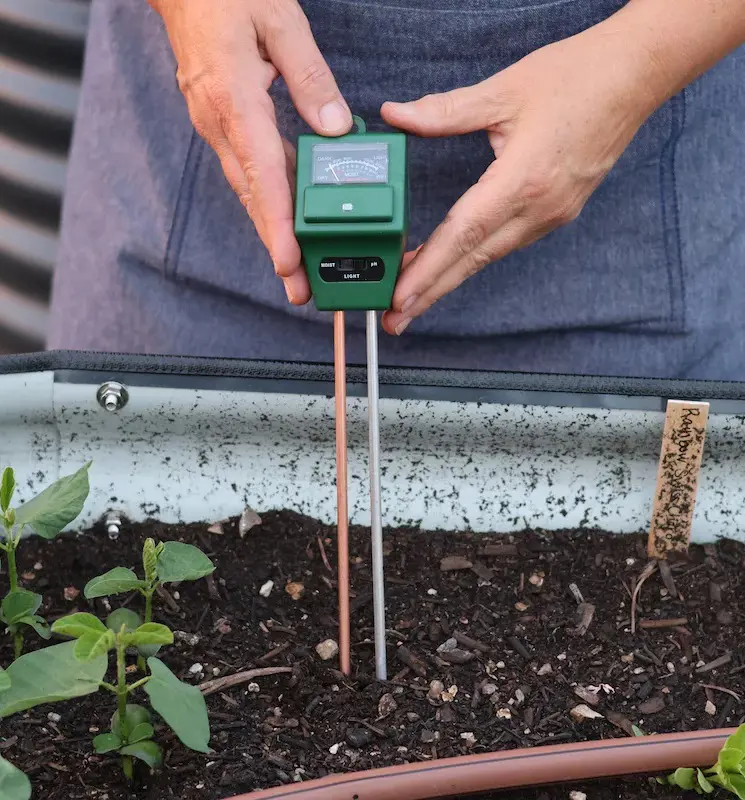
Before making any adjustments, it's essential to determine the current pH of your soil. Here's how you can test your soil:
- Soil Test Kit: Purchase a soil test kit from a garden center. Follow the instructions to collect soil samples and measure the pH.
- Professional Testing: Send a soil sample to a local agricultural extension office or a professional laboratory for a comprehensive analysis.
- Digital pH Meter: Use a digital pH meter for a quick and accurate reading.
Natural Methods to Acidify Soil
- Organic Matter: Incorporating organic matter such as compost, leaf mold, and well-rotted manure can gradually lower soil pH. Organic matter improves soil structure, water retention, and microbial activity, all of which contribute to a more acidic environment.
- Pine Needles: Adding pine needles as mulch or mixing them into the soil can help acidify the soil over time. Pine needles decompose slowly, providing a steady source of acidity.
- Peat Moss: Peat moss is an effective soil amendment for lowering pH. Mix peat moss into the top 12 inches of soil before planting to create an acidic environment.
- Coffee Grounds: Used coffee grounds are slightly acidic and can be added to the soil or compost pile. They also provide additional organic material and nutrients.
- Vinegar Solution: For a quick fix, dilute one cup of white vinegar in a gallon of water and apply it to the soil. This method is best used sparingly and as a temporary solution.
Chemical Methods to Acidify Soil
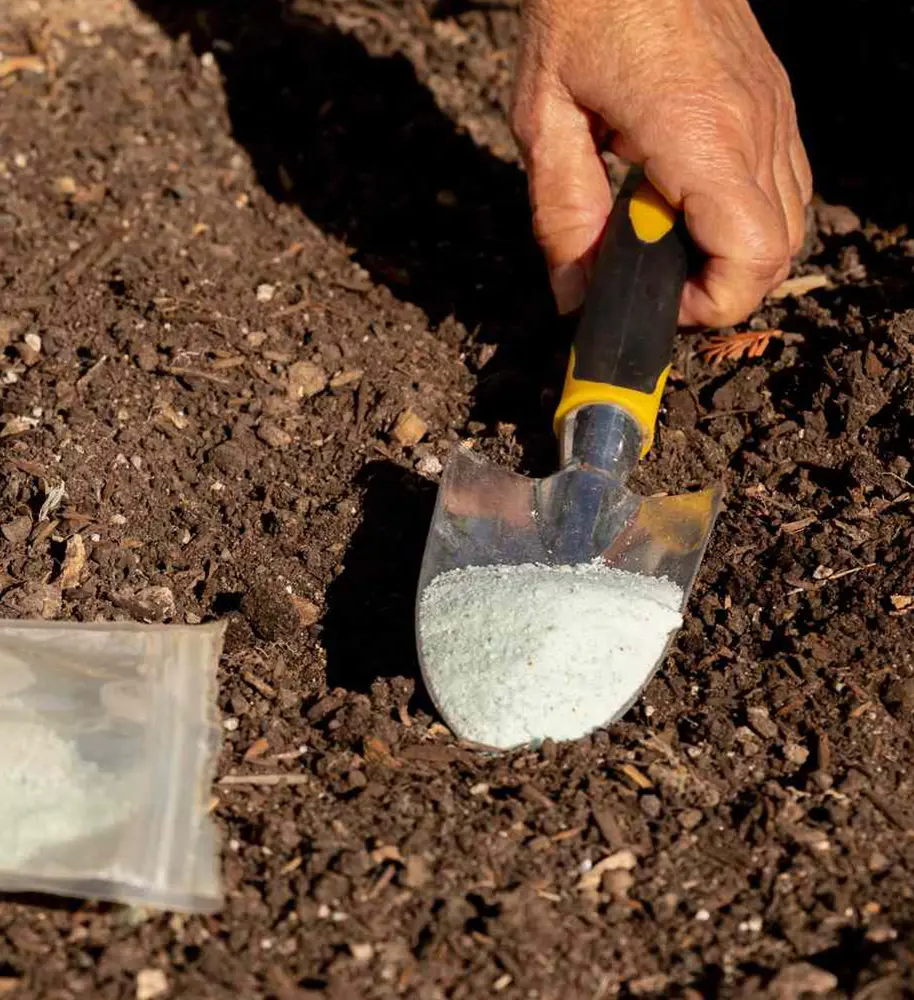
- Elemental Sulfur: Elemental sulfur is a common and effective soil acidifier. When applied to soil, it is converted to sulfuric acid by soil bacteria, lowering the pH. The process can take several months, so it's best to apply sulfur well before planting.
- Application: Apply 1 to 2 pounds of elemental sulfur per 100 square feet for sandy soils, and 3 to 4 pounds for clay soils. Work the sulfur into the top 6 inches of soil and water thoroughly.
- Aluminum Sulfate: Aluminum sulfate lowers soil pH more quickly than elemental sulfur. It is suitable for immediate adjustments but should be used with caution to avoid aluminum toxicity.
- Application: Apply 1 to 2 pounds of aluminum sulfate per 100 square feet and water thoroughly. Recheck the soil pH after a few weeks and reapply if necessary.
- Iron Sulfate: Iron sulfate is another quick-acting soil acidifier. It also provides iron, which is a vital nutrient for ericaceous plants.
- Application: Apply 1 to 2 pounds of iron sulfate per 100 square feet and water thoroughly. Monitor soil pH and reapply if needed.
Maintaining Acidic Soil
- Regular Testing: Regularly test your soil pH to ensure it remains within the optimal range for ericaceous plants. Adjustments may be needed over time as soil pH can change.
- Mulching: Use organic mulches such as pine needles, pine bark, or oak leaves to maintain soil acidity. Mulches help retain moisture, suppress weeds, and gradually contribute to soil acidity as they decompose.
- Watering: Use rainwater or distilled water for watering, as tap water can be alkaline and raise soil pH over time. Collecting and storing rainwater is an eco-friendly and effective way to maintain acidic soil conditions.
- Fertilizing: Use fertilizers formulated for acid-loving plants. These fertilizers are designed to provide the necessary nutrients without raising soil pH. Look for products labeled for azaleas, rhododendrons, or blueberries.
Planting and Care Tips for Ericaceous Plants
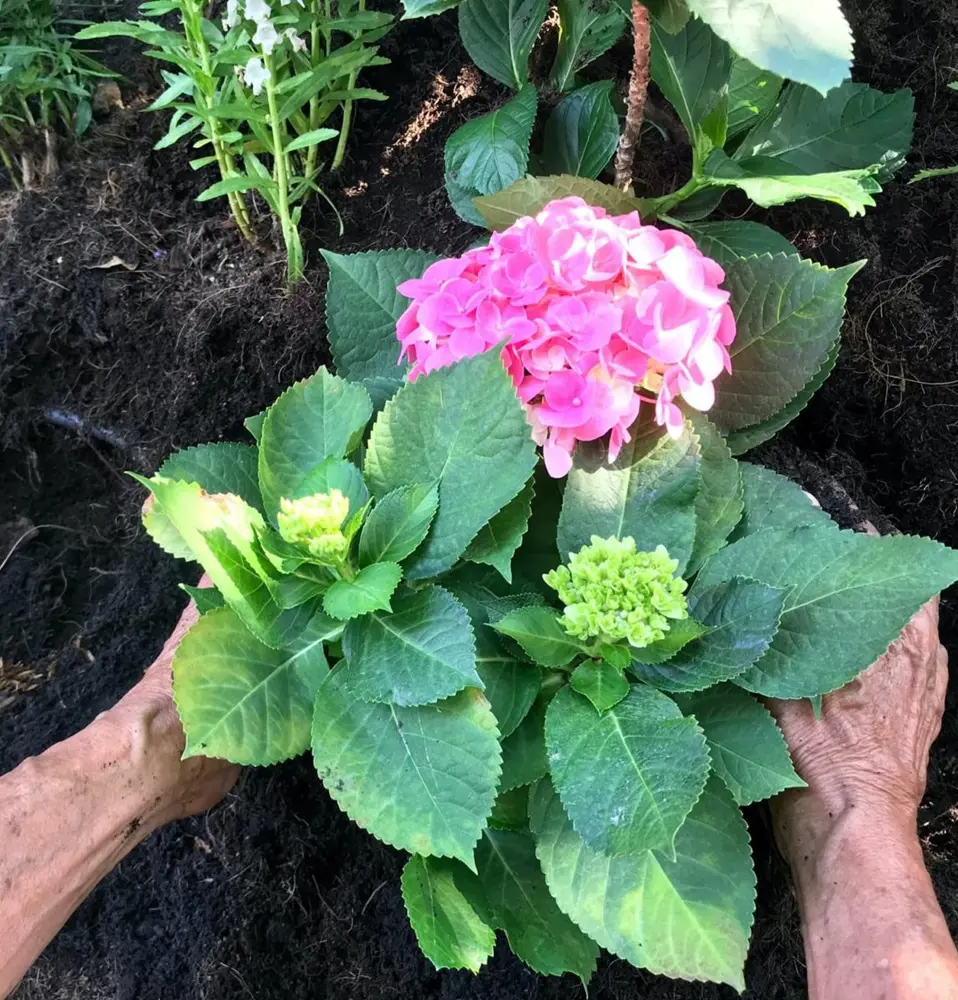
- Plant Selection: Choose varieties of ericaceous plants that are well-suited to your climate and soil conditions. Research specific species and cultivars for best results.
- Planting Time: Plant ericaceous plants in early spring or fall when temperatures are moderate and rainfall is more abundant. This helps the plants establish strong root systems.
- Planting Depth: Plant at the same depth as they were in their nursery pots. Planting too deep can suffocate roots and lead to poor growth.
- Watering: Keep the soil consistently moist but not waterlogged. Ericaceous plants prefer well-drained soil, so ensure good drainage to prevent root rot.
- Pruning: Prune to maintain shape, remove dead or diseased branches, and encourage new growth. The best time to prune is after flowering in late spring or early summer.
Common Issues
- Yellowing Leaves (Chlorosis): Yellowing leaves with green veins can indicate iron deficiency, often due to high soil pH. Lower the pH and apply iron chelate to address the deficiency.
- Poor Growth: Slow or stunted growth may result from inadequate soil acidity or nutrient deficiencies. Test the soil and amend as needed.
- Leaf Drop: Excessive leaf drop can be caused by drought, poor drainage, or nutrient imbalances. Ensure proper watering and drainage, and provide balanced fertilization.
- Pests and Diseases: Monitor for common pests such as aphids, spider mites, and lace bugs. Treat infestations promptly with insecticidal soap or horticultural oil. Watch for diseases like root rot and fungal infections, and take preventive measures such as proper spacing and good air circulation.
Companion Planting with Ericaceous Plants
Companion planting involves growing plants together that benefit each other. When planting ericaceous plants, consider these companions:
- Heathers and Heaths: These low-growing plants thrive in acidic soil and provide a colorful ground cover.
- Ferns: Many ferns prefer acidic soil and can add texture and interest to your garden.
- Hostas: While not strictly ericaceous, hostas can tolerate slightly acidic conditions and pair well with ericaceous plants.
- Japanese Maples: These trees prefer acidic soil and can provide shade and visual interest in your garden.
Creating an Ericaceous Border or Bed
- Site Selection: Choose a location with partial shade to full sun, depending on the needs of your plants. Ensure good air circulation and protection from strong winds.
- Soil Preparation: Amend the soil with organic matter, peat moss, and sulfur or aluminum sulfate as needed. Ensure the soil is well-drained and has the appropriate pH.
- Plant Layout: Arrange plants according to their mature size and growth habits. Place taller plants at the back and shorter ones at the front for a layered effect.
- Mulching: Apply a thick layer of organic mulch to maintain soil moisture, suppress weeds, and contribute to soil acidity.
- Watering and Fertilizing: Water regularly, especially during dry periods. Use fertilizers designed for acid-loving plants to provide necessary nutrients without altering soil pH.
Long-Term Soil Management
- Monitoring: Keep a gardening journal to track soil pH, plant growth, and any amendments applied. Regular monitoring helps identify trends and make timely adjustments.
- Seasonal Adjustments: Make soil amendments and adjustments as needed, typically in early spring or fall. This allows time for changes to take effect before the growing season.
- Organic Amendments: Continue adding organic matter to maintain soil health and acidity. Compost, leaf mold, and aged manure can be added annually.
- Sustainable Practices: Use sustainable gardening practices such as rainwater harvesting, composting, and mulching to maintain an eco-friendly garden.
FAQs
1. What are the signs that my soil is not acidic enough for my ericaceous plants?
Signs that your soil may not be acidic enough include yellowing leaves (chlorosis), especially with green veins remaining visible, stunted growth, poor flowering, and leaf drop. These symptoms often indicate nutrient deficiencies, particularly iron, which is less available in higher pH soils.
2. How often should I test my soil pH when growing ericaceous plants?
It's recommended to test your soil pH at least once a year, ideally in early spring before the growing season begins. If you're making adjustments to acidify the soil, test it more frequently, such as every few months, until the desired pH is achieved and stabilized.
3. Can I use household items to acidify my soil, and if so, which ones?
Yes, you can use certain household items to acidify your soil. Used coffee grounds, diluted vinegar, and citrus peels can all help lower soil pH. Coffee grounds and citrus peels should be added to compost or directly to the soil, while vinegar should be diluted (1 cup of vinegar in a gallon of water) and used sparingly as a quick fix.
4. What type of mulch is best for maintaining acidic soil conditions?
Organic mulches such as pine needles, pine bark, oak leaves, and shredded pine bark are excellent for maintaining acidic soil conditions. These materials decompose slowly, adding organic matter and maintaining soil acidity over time.
5. Is it safe to use sulfur to acidify my soil, and how long does it take to see results?
Yes, it is safe to use elemental sulfur to acidify your soil. However, the process can take several months as soil bacteria convert the sulfur to sulfuric acid. It's important to apply sulfur well in advance of planting, ideally in the fall, to allow time for the soil pH to adjust. Follow application guidelines carefully to avoid over-acidifying the soil.
6. Can I grow ericaceous plants in containers, and what should I use to ensure the soil is acidic?
Yes, you can successfully grow ericaceous plants in containers. Use a potting mix specifically designed for acid-loving plants, often labeled as "ericaceous compost" or "azalea mix."
Ensure the container has good drainage, and water with rainwater or distilled water to maintain the acidic environment. Regularly test the pH of the potting mix and amend it as necessary with sulfur or iron sulfate.