The cilantro plant is an amazing plant that offers you both flavorful seeds and leaves during its full season cycle. Whether you're growing it in a pot or your garden, it is essential to be aware of cilantro plants.
Don't worry, if you are having any trouble regarding the cilantro plant from now on. We've landed in your feed with this exclusive guide where everything you need to know about harvesting cilantro leaves is richly projected.
1. Gather Tools
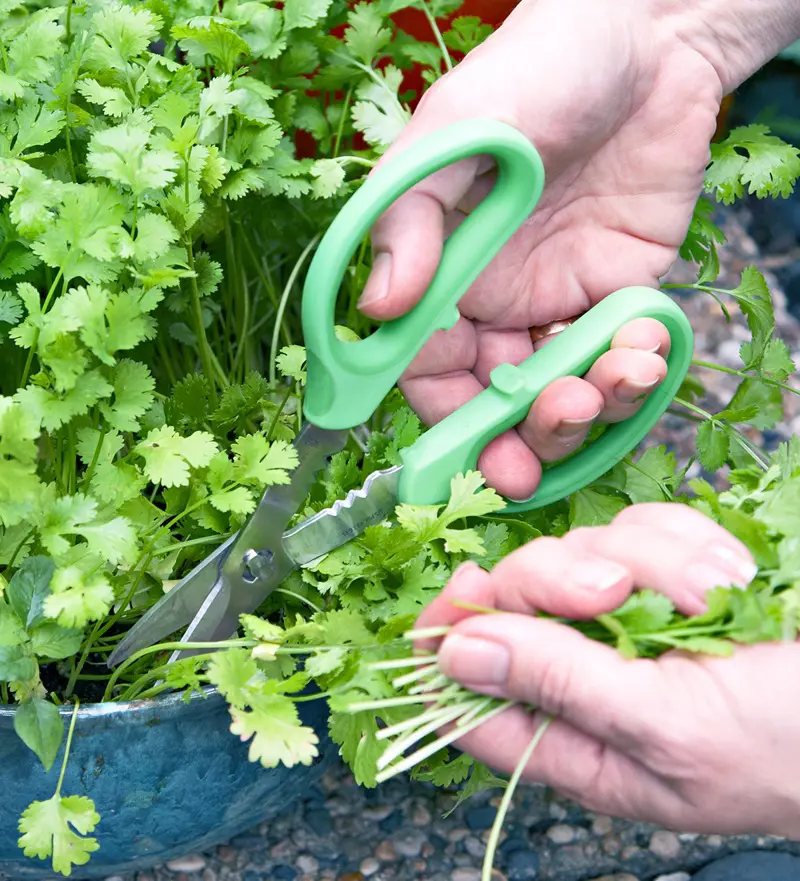
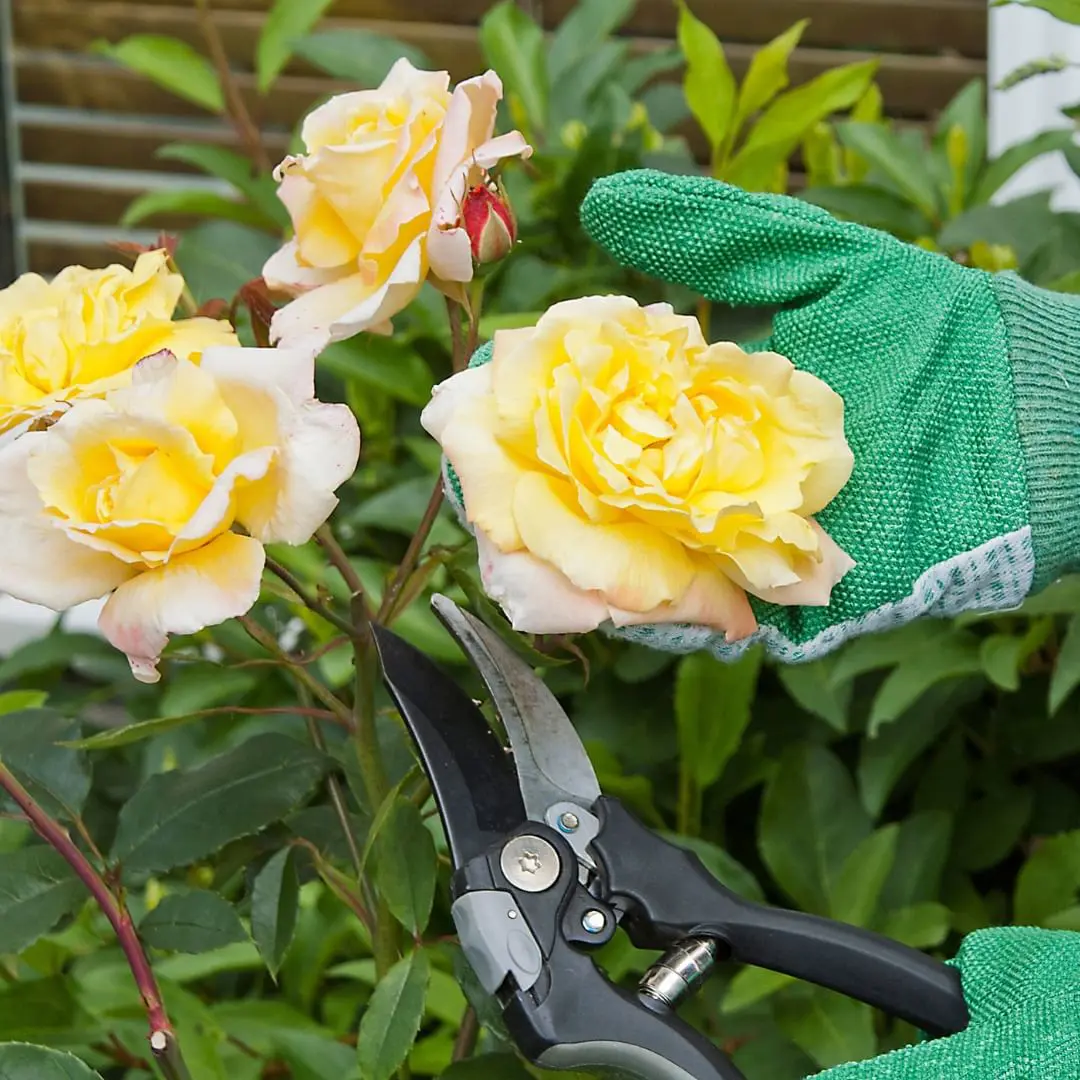
Although your hands are just enough to harvest the delicate leaves of the cilantro, you can still use some of the tools to make your task easy. It has been recommended to use a clean herb or garden shear for the effective trimming of the cilantro leaves.
In addition to that, a basket or bowl to collect the harvested leaves would be necessary. Make sure to avoid using dirty tools to cut the leaves. This can damage your plant and increase the risk of spreading disease. You wouldn't want to kill your plant this early!
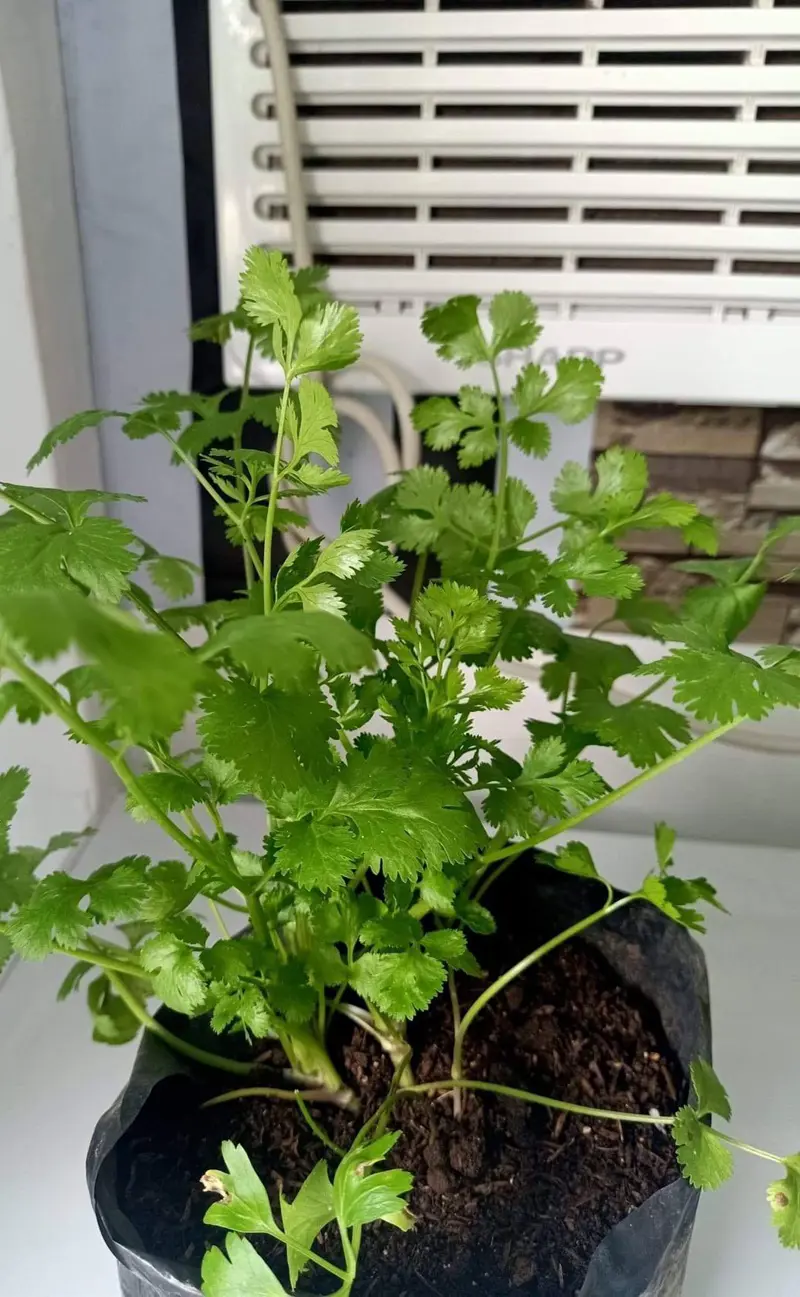
The height of the plant and harvesting have a strong relationship. Yes, the height of the plant has a lot to say about the timing of the harvesting. It has been suggested to harvest the leaves of the cilantro when the plant reaches a height of 6-8 inches.
In addition to that, you might as well look for several stems on them with pairs of true matured leaves. If the height of your cilantro plant is very small, it'd be good if you postpone your harvesting time. Early harvesting has been found to stunt the plant with flavorless leaf development.
3. Prune the Outer Leaves
Outer leaves here means matured and oldest leaves of the cilantro plant that are growing at the outer portion. You should know that the leaves of the inner stems are more tender and young, they aren't yet ready to get harvested.
You need to cut or pinch the leaves about 1-2 inches above the base of the plant so that new growth is encouraged from the center. You can also cut 4-6 inches-long leafy stems with the help of a shear.
The length of the cut also has a lot of influence on the foliage development of the cilantro plant. You must be aware that pruning more than one-third of the plant is strictly prohibited by the 1/3 pruning rule.
Pruning will only be effective when you perform it with the right approach. It would help if you always left two-thirds of the plant when harvesting. It is said that this pruning technique will allow the plant to replenish and produce more leaves.
5. Water and Fertilize Regularly
Once you've pruned the leaves of the cilantro, you need to make sure the plant is watered and fertilized regularly. The soil should be evenly moist and must be filled with essential nutrients. It has been suggested to use the nutrient-rich fertilizer every 2-3 weeks.
The prime reason for applying this practice is to ensure the continual growth and healthy foliage development of the cilantro plant. Regular watering and fertilizing have been found to develop more bushy, compact, and vigorous plants.
6. Harvest Until Flowering
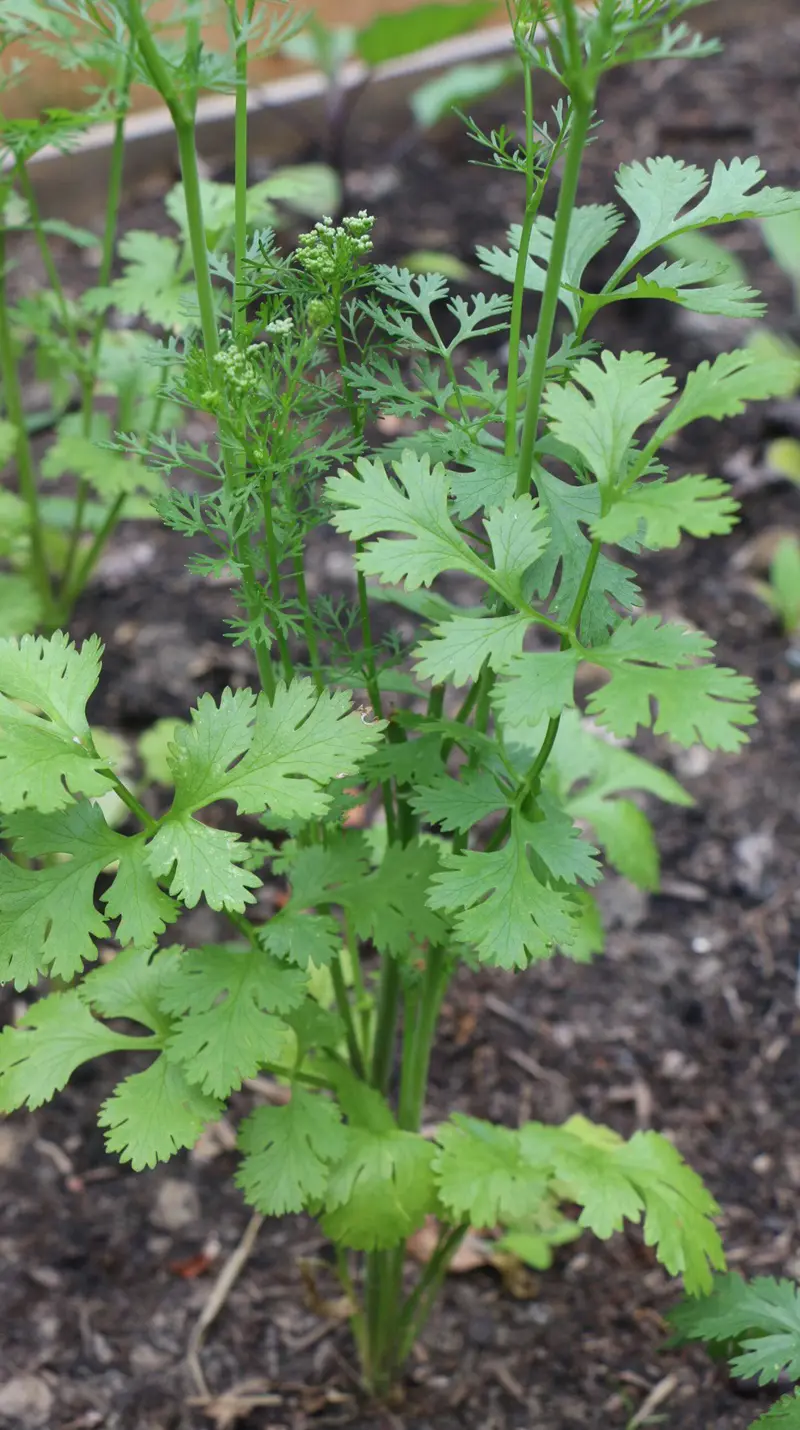
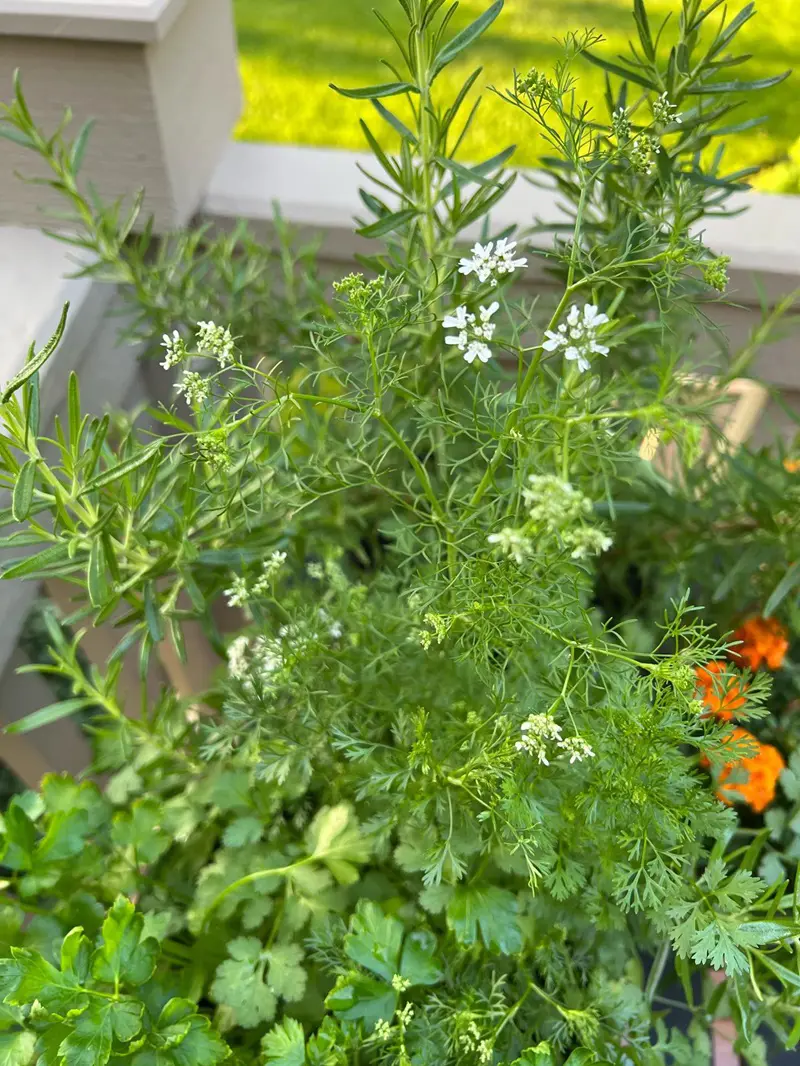
Cilantro is an amazing plant. You go on picking the leaves, it will immediately start growing the new ones. The cycle will repeat on and on until the plant starts to bolt. Bolting means the flowering period of the cilantro plant when it produces seeds, called coriander.
When the summer temperature rises and the plant has lived for three months, the cilantro is most likely to die after flowering and producing seeds. In the meantime, you can harvest at least 2-3 times after harvesting once from the same plant before bolting if everything goes as per the necessity of the plants.
Before answering this question, let us know what flowering means to the cilantro plant. In fact, for almost all plants, flowering usually indicates the end of their cycle. This means the cilantro plant will stop producing the leaves after the bolting.
The remaining leaves of the plant will slowly lose their essence and flavor. In addition to that, once the plant starts to bolt, they are likely to die within a few days after giving the seed. Thus, you need to try postponing the bolting period of cilantro if you want to enjoy the flavorful cilantro leaves.
How to Prevent Early Cilantro Bolting
Some of the approaches to postpone the flowering period of the cilantro plant are discussed below:
One approach is to harvest the main stem of the cilantro plant about 1-2 inches from the soil.
If you ensure a cooler thriving environment for your cilantro plant with partial shade, it can help your plant from bolting early.
If your plant is growing in a sunny environment, make sure to provide shade to partially cover the cilantro during the day.
You can try planting bolt-resistant cilantro varieties that are commonly available these days. This will work best if you live in a warm and hot local climate.
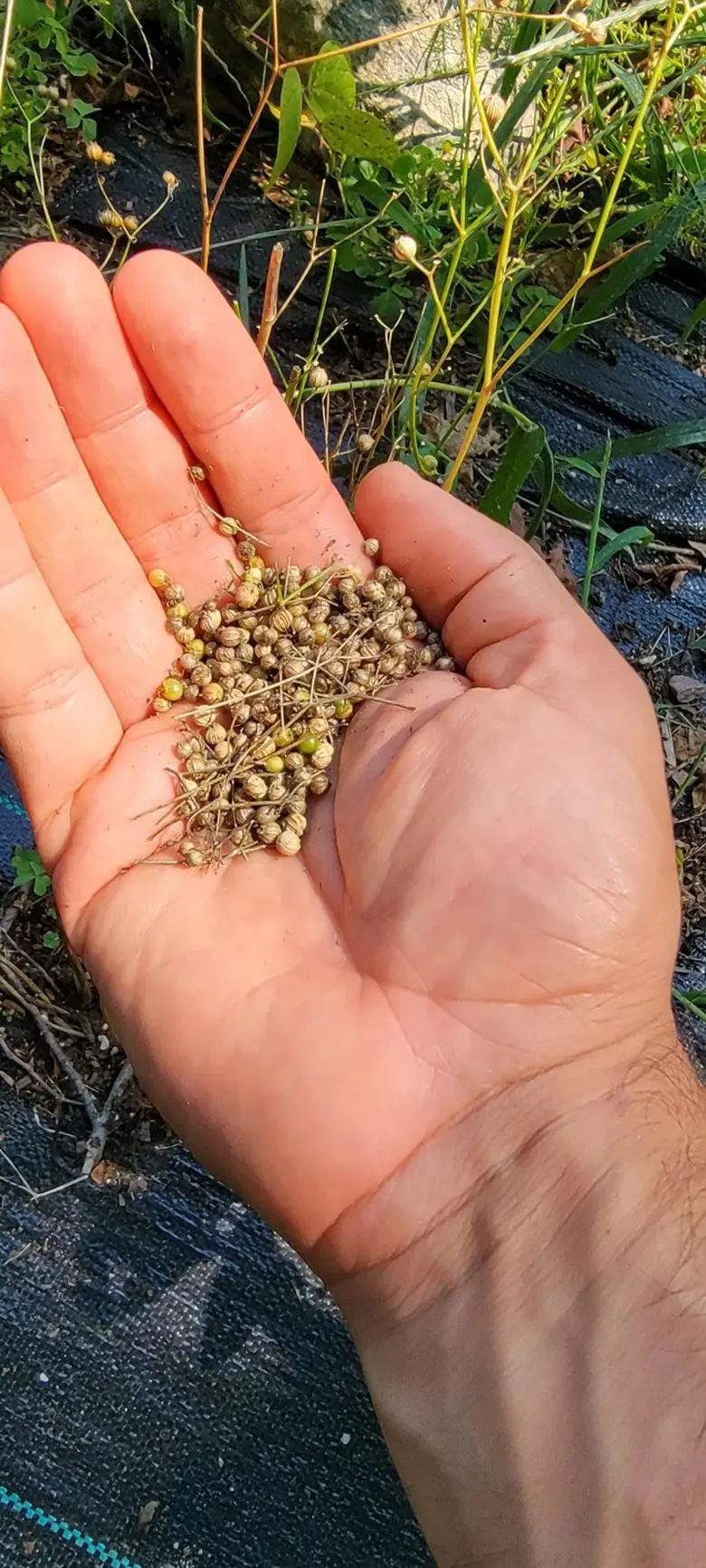
It has been found that intense heat above 85 degrees Fahrenheit encourages premature bolting of the cilantro plant. You should know the dried seeds from the flower of cilantro are called coriander.
When to Harvest Cilantro Leaves
The harvesting period usually varies depending on the species of the cilantro plant. In general, the period of 40-70 days after the seed plantation has been found to mark the harvesting period of the cilantro.
In addition to that, you need to check for the height of at least 6 inches before harvesting the cilantro plant. The morning or evening has been suggested as the best time for harvesting the plant which will minimize the loss of moisture. Further, the leaves are found to be quite fresh at this hour.
Do Cilantro Plant Come Back Every Year
The straightforward answer to this question is a big yes. Cilantro plants come back every year if you let them complete their natural life cycle, which means you need to leave the cilantro plant to flower without harvesting their seeds.
But you should know cilantro plant is an annual plant. Naturally, a single cilantro can't survive more than a year and it doesn't come back from the same seeds every year. However, the plant can re-seed itself. Yes, you just need to wait for the flower to drop the seeds on the ground and they'll grow into new plants next year.
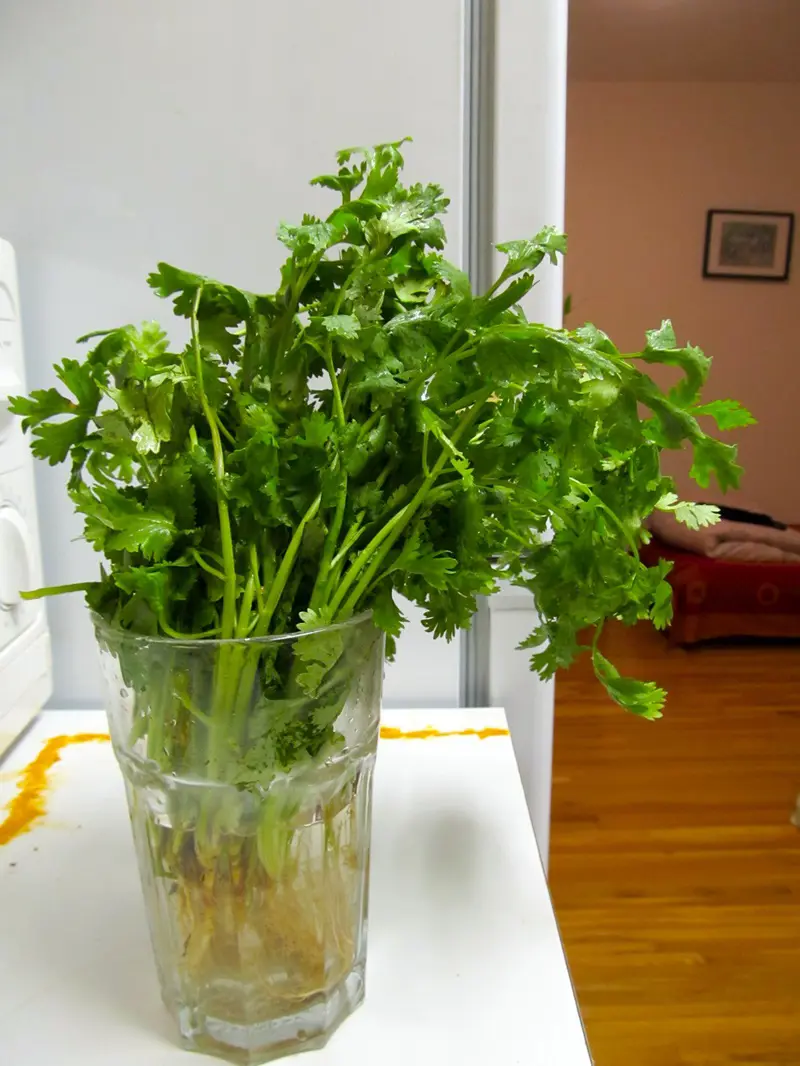
Cilantro leaves can be stored in water. You simply need to wash the freshly harvested cilantro and leave it to dry. After that, prune their stems and place them in a jar containing water. Make sure to fill the jar with 1-1.5 inches of water.
You should remember to treat the cilantro leaves just like the flowers. After placing the leaves in the jar, you need to make sure the leaves are covered loosely with the help of a plastic bag before placing them in the refrigerator for a few days. Keep in mind to change the water every day.
2. Storing Cilantro In an Air-tight Container
Once you pick the cilantro leaves, you can store them in an air-tight container. This method will also help you to keep the cilantro leaves fresh for a few more days.
You need first to chop the leaves into fine pieces and then, place the chopped leaves into a sealable container which must have a decent cover. Remember to completely dry the leaves before putting them in an air-tight container!
3. Storing Cilantro Using a Damp Paper Towel
Yes, damp paper towels can also be used to store cilantro leaves. You just need to grab a paper towel and wet it. Keep in mind to just dampen the paper, do not overdo it. After that, wrap the leaves with stems in the damp paper. You can make use of a resealable bag and place the wrapped cilantro leaves in it before storing them in the refrigerator.
How Long Cilantro Leaves Stay Fresh
Once you pick the cilantro leaves, they will lose their flavor and freshness over time. It has been found that the temperature between 33-35 °F is the ideal temperature to maintain the peak freshness of the cilantro leaves.
If you can provide the essential required environment for the leaves like that of the above-mentioned techniques including cool conditions, it has been found that the cilantro leaves can stay fresh after picking for about 14 days.
How to Store Cilantro in the Freezer
Initially, you need to clean the leaves of the cilantro with the help of clean water to remove any garden soil and debris attached to the stems and leaves. After that, gently shake the leaves and stems to drain the excess moisture, and finely chop them into small pieces.
You then need to grab ice cube trays and place the chopped leaves into them with just enough water to cover them. Place the trays in the freezer until the leaves are frozen and transfer them to a freezer bag. Frozen cilantro is found to last up to 6-8 months. Enjoy the aromatic flavor!
How to Dry Cilantro Leaves
Drying is another method to taste the flavorful cilantro leaves way past its growing season. Yes, dried leaves have been found to still possess the essence they are praised for. It has been suggested to apply a hang-dry method to dry the cilantro leaves effectively.
Before jumping on the instructional guide to dry the cilantro leaves, you should keep in mind that the drying process must be done in a place having proper airflow in the absence of full sun. If the leaves are wet, you encourage the mold to grow in the leaves.
Please follow the below-mentioned instructions to dry the cilantro leaves:
Begin by picking 5-6 cilantro stems at a time and tie them together with the help of a string. Make sure to allow for a little bunch to hang the stems.
You should now hang the bunch upside down in a cool and well-ventilated place. Keep in mind to choose a place which is out of direct sunlight.
Make sure to hang the tied cilantro stems for about 2-4 weeks as suggested by the professionals.
Then, you need to check the leaves for the moisture. Once they are crunchy and moisture-free, you need to separate the leaves from the stems.
Place the dried leaves in an airtight container. This container should then be stored in a cool and dark spot.
Enjoy the dried cilantro leaves for an extended period.
Just like the leaves, seeds of the cilantro plant, or coriander seeds are also widely used for their flavor and taste. It has been suggested to maintain the temperature over 75 degrees for the cilantro plant to flower which will give you coriander seeds. The plant's height may reach up to 20 inches.
Once the cilantro plant starts to bolt, pods will start to form, eventually dropping the mature seeds. Before harvesting, the pods are found to be in green or brown coloration. Please follow the below-mentioned instructions to harvest the coriander seeds:
You should begin by tying the stems of seed pods with a suitable wire making a bunch to hang them.
Grab a paper bag and place the stems on it.
You then need to hang the seed pods upside down in the paper bag.
Make sure to choose a location that is cool and dry.
After some time, the seeds will pop out and eventually fall into the bag.
Finally, you need to keep the harvested coriander seeds in an air-tight container.
If you keep the container in a cool and dry place, the dried seeds can be stored for about 3-4 years.
Bolting is the most common problem with cilantro plants. It signifies the end of their life cycle. If the cilantro plant starts to flower or bolt, the foliage production and development will significantly slow down. This is because most of the energy of a plant is concentrated on flowering.
Please follow our earlier discussion on cilantro plant bolting to prevent or postpone the flowering period. The more you understand about the cilantro plant life cycle, the more leaves you can harvest from them.
2. Yellowing Leaves
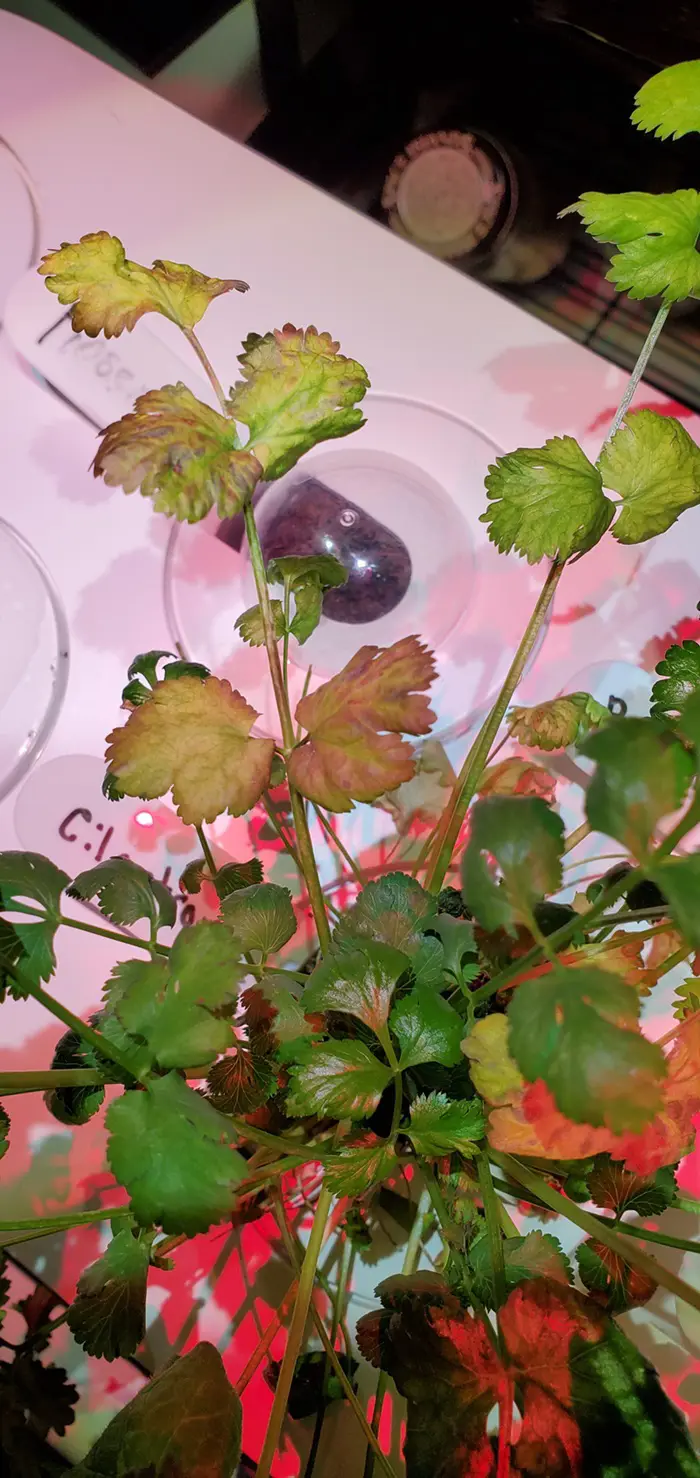
Just like other plants that grow in your garden, the cilantro plant may show its dissatisfaction with the unfavorable situation through its leaves. It has been found that the cilantro plant doesn't like it when it receives too much water or if the soil drainage is poorly maintained.
The plant often reveals the discomfort by turning the leaves yellowish. Thus, you need to make sure the plant gets water only in the case of necessity with an adequate amount. Keep in mind to inspect the soil before planting and grow the cilantro in well-drained soil.
3. Pests
The Cilantro plant doesn't usually attract any pests. Being an herbal plant, it is a relatively pest-resistant plant. However, pests like aphids, spider mites, or leaf miners might interfere with your cilantro plant sometimes.
There are multiple ways to cope with the problems generated by the unwanted guests around your garden and plants. You can go for several natural remedial solutions such as the application of neem oil for treating common pests. If it doesn't help, you can try using insecticidal soap after properly pruning the affected leaves.