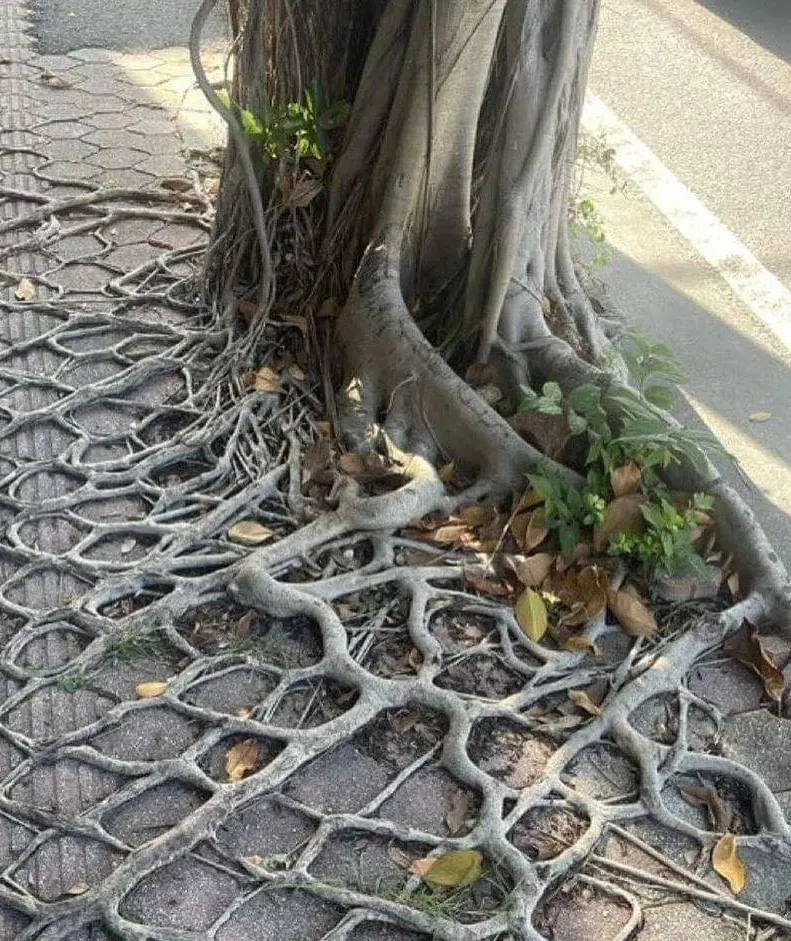
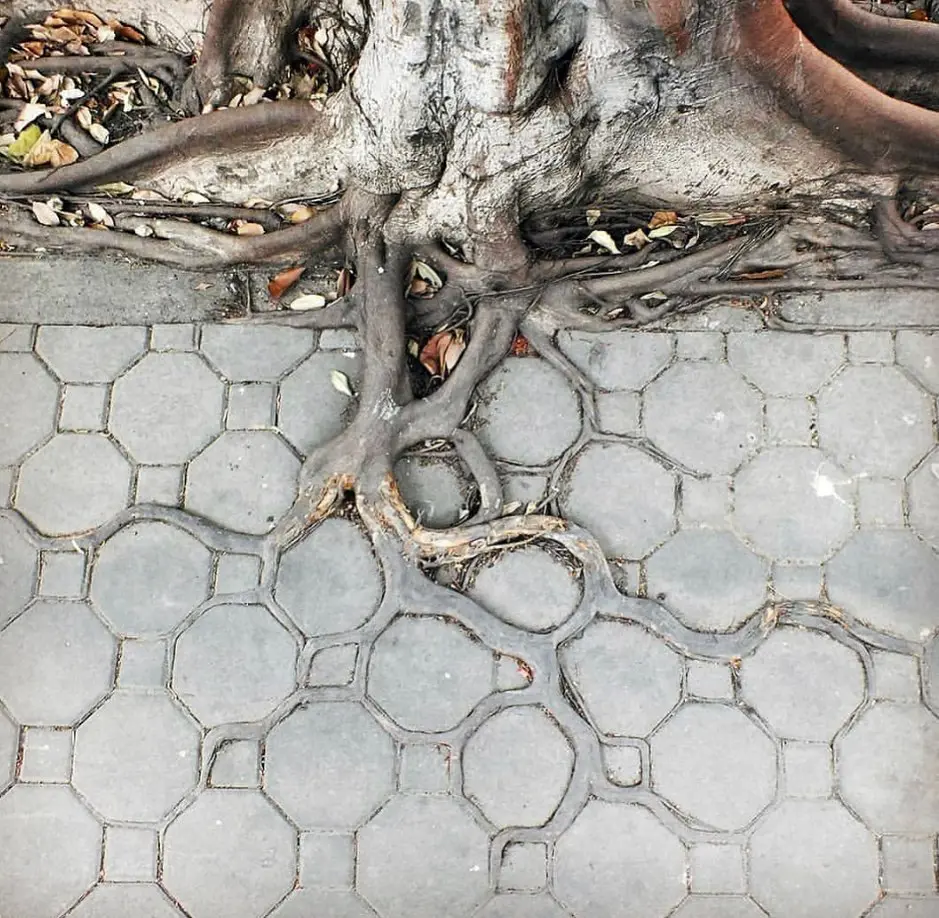
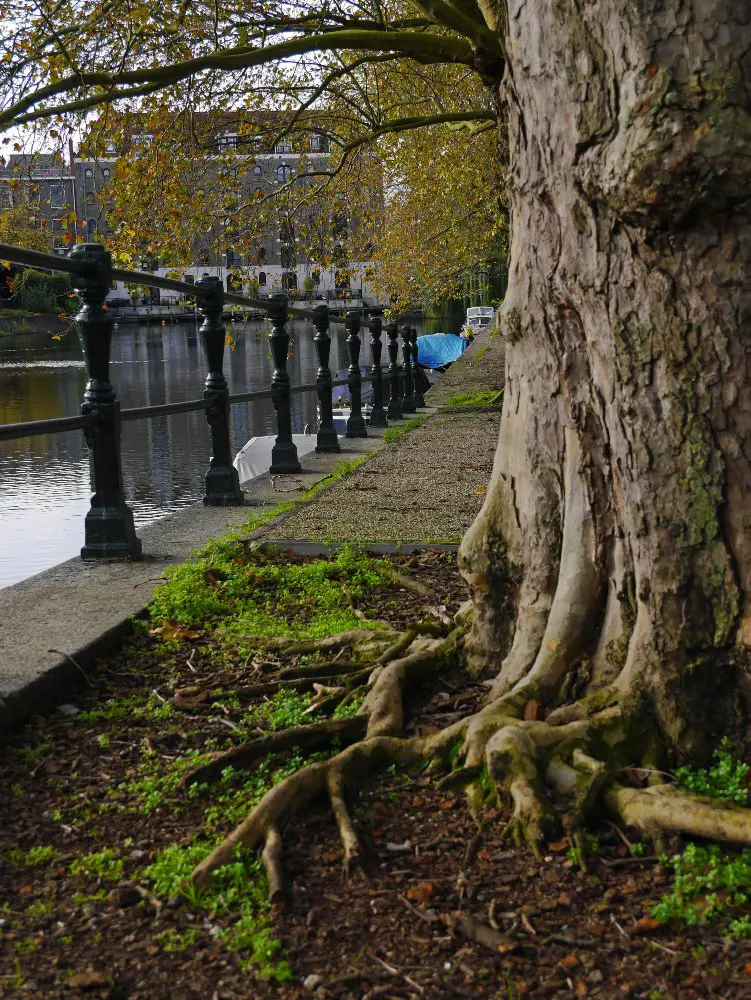
Walking sideways, suddenly, you trip down. You look back and find the large, grown structure of the tree root. These exposed roots create uneven surfaces and obstacles on the path.
At the same time, it damage structures like pipes, foundations, or sidewalks. Understanding how to get rid of tree roots is essential. So buckle up as we take on some ideas down below.
Tree roots are a problem in your garden and the underground structure. Getting rid of tree roots requires proper planning. Getting rid of tree roots naturally can be challenging. There are several eco-friendly methods to manage and remove these roots without affecting the tree's environment.
1. Digging
The first step is digging. Removing the tree root is quite straightforward. You can do this with a shovel, pickaxe, or other digging tool. First, locate the root you want to remove, then dig around it to expose as much of the root as possible. It may require carefully removing soil and debris to avoid damaging the surrounding plant.
As the root is exposed, use your tool and cut away from the main tree. While the removal process is simple, it can be labour-intensive and time-consuming, especially for larger or deeper roots.
2. Boiling Water
Boiling water can be a simple and natural remedy for small tree roots. You pour the boiling water directly into the exposed root, and the intense heat will scald and kill the root.
Although these methods can be easy, they can also damage the surrounding plant if not applied with caution. Moreover, boiling water is not an effective method for the more established root system.
3. Natural Barrier Plant
Some plants are grown as a proactive way to prevent future root plants. You start by selecting trees and shrubs with shallow or non-invasive root systems. When planning your landscape, consider planting species such as ornamental grass, ground cover or small flowering shrubs known for their limited root spread.
Besides, it should be strategically placed to create a natural barrier as it helps to direct the growth of a more invasive root system away from sensitive areas. At the same time, it also has the aesthetic appeal of your garden.
4. Use of Rock or Epsom Salts
One of the best ways to get rid of roots naturally is to use Epsom or rock salt. You can start by drilling holes into the roots you want to eliminate, and when the holes are ready, fill them with rock or Epsom salt.
Afterward, water the area to help the salt immerse deeper into the root. The salt works by dehydration of the root, which leads to death.
But here comes the catch: Epsom salt can add magnesium to the soil. At the same time, rock salt is more aggressive and can cause rham in the surrounding plants. So keep an eye on the area, as excessive salt can kill those nearby small plants.
5. Solution of Vinegar and Salt
The vinegar works the best with its companion salt to kick out those tree roots. The acetic acid in vinegar acts as a desiccant. It helps to dehydrate and break down the root, while the salt enhances the effect by absorbing moisture.
You mix equal parts of vinegar and salt and pour the solution directly into the exposed root. The fun fact is that it works best on smaller roots and takes some time to show results.
6. Use of Tarp
The tarp method is a bit different from other natural methods. In this process, you get rid of tree roots by depriving them of sunlight and giving them the energy they need to survive.
A thick tarp should be placed around the tree's roots, large enough to block sunlight from reaching the roots beneath. Now that the roots are covered, they are unable to produce photosynthesis and nutrients. As time passes, the lack of energy will weaken the root.
However, this method can take longer than other techniques and may not be suitable for large root systems.
7. Use of Mulch
The thick layer of mulch around the base of the tree can be a blessing. It helps to smother roots and prevent their growth. Spread a layer of organic mulch, such as straw or shredded bark, over the soil surrounding the tree. The mulch acts as a barrier to block the sunlight and limit the energy that roots need to thrive.
Likewise, it also helps to retain moisture in the soil and improve soil health as the mulch breaks down over time. For best results, keep the mulch layer at least 3 to 4 inches thick and a few inches away from the trunk to prevent moisture buildup that could harm the tree.
8. Create a Compost Pile
Similar to mulch, creating a compost pile encourages natural decomposition and improves microbial activity. You can use organic materials such as yard waste and other biodegradable materials.
Place them directly over the roots you want to decompose. As the compost breaks down, it generates heat and makes a rich environment for microbial activity. Furthermore, it also enriches the soil with nutrients and improves health.
Now, after the hard work of the natural method, it may be a sign that some chemical help is needed to get rid of the stubborn or extensive root system. The method involves applying herbicides or special root-killing chemicals that penetrate and kill the roots.
But be careful, as these chemical treatments require careful handling and application to prevent harm to surrounding plants.
9. Glyphosate Herbicide
Glyphosate is a nonselective herbicide that inhibits specific plant enzymes and helps to get rid of plant tissue. To do this, you cut the trees as close to the ground as possible and then treat the exposed surface of the structure with the glyphosate solution.
You apply a 50\50 mix of glyphosate herbicide and water directly to freshly cut tree stumps. The mix makes sure that the herbicide is potent enough to immerse in the root can to prevent regrowth. Also, the herbicide should be applied thoroughly after cutting the stump to improve its effectiveness.
10. Foam Herbicide
Foam herbicides are beneficial chemicals as they are less likely to run off or be washed away compared to liquid formulations. Additionally, they provide a visual indicator of where the herbicide is used.
You apply a foam-based herbicide directly to the freshly cut tree surface and any exposed root. The foam's consistency helps ensure effective absorption. It penetrates the plant tissue and destroys the plant's internal processes.
This method is helpful for getting rid of roots in hard-to-reach areas where liquid herbicides may not be effective. Remember to follow the manufacturer's instructions and take necessary safety precautions.
11. Copper Sulphate
Copper sulfate is a chemical that gets rid of the roots, especially those in sewer lines or other vulnerable areas. You apply it by drinking the holes into the exposed roots near the base of the tree.
Now, the crystals of copper sulphate will cling to the root's hair and cause it to shrivel up and die back. Apply it properly, as it is toxic to the water supply and soil. Avoid flushing it down drains.
12. Sodium Chlorate
Sodium chlorate is a non-selective herbicide that is absorbed by the roots and causes them to die. To get the most out of this chemical, it is recommended to drill holes into the tree's roots and pour sodium chlorate into these holes.
The targeted approach allows the herbicide to immerse in the root and disrupt vital processes. Besides, sodium chlorate has a long half-life in the soil, which means it can affect plant life for a longer period of time. So remember that proper application and consideration of environmental impacts are required.
13. Herbicide Granule
The herbicide granules are an advantageous chemical as they are applied evenly across a large area to rescue the roots of runoff. Scatter the granules of suitable herbicide around the root area of the tree you wish to control.
It is designed to dissolve slowly over time and allow the active ingredient to dive and reach the root. The long and extended exposure of the herbicide helps to weaken and get rid of the root.
14. Chemical Root Killer
Unlike the other chemicals, you can also use a root-killer product. These chemicals are designed to dissolve the roots that grow in underground pipes and septic systems.
Moreover, these chemical products are available in a foaming solution that works quickly to strip sap from the root and cause it to decay rapidly. The regular application of such products are also considered one of the valuable additions to any underground management strategy.
15. Saltpetre
Saltpetre, also known as potassium nitrate, is yet another chemical agent. It draws moisture out of the roots and kills them.
You drill the holes 6 inches apart and fill them with pure potassium nitrate. Then, cover them with soil and water thoroughly to help dissolve the nitrate and absorb it by the root.
Finally, after the attempt of the natural and chemical methods. It is time for you to call the professional. These are trained to get rid of that root and make your landscape remain beautiful and safe with the long-term motive of maintaining the lath of your tree and plants.
16. Root Pruning Service
Pruning is one effective method professionals use to control the tree root system and reduce damage to surrounding structures and plants. The best part of hiring a professional is that they have the required training and equipment to cut back the invasive or problematic root.
An arborist uses a specialized tool to make the clean cut and ensure less stress to the tree. Furthermore, it reduces pressure on nearby structures and reduces the risk of root-related damage.
17. Stump Grinding Service
Unlike root pruning, stump grinding is a highly effective method. In this service, professional tree care companies use heavy-duty equipment designed specifically for grinding stumps.
A powerful machine with a spinning cutting wheel helps to grind the stump down to several inches below the surface. At the same time, it also breaks up a significant portion of the root system and reduces the stump's future growth.
They also help you dispose of the stump and root material to save yourself the hassle.
18. Professional Chemical Application
You can use herbicides and chemicals with careful planning. Although, the professionals are trained to use various application techniques, such as foliar spraying, basal bark spraying, and stem injection.
Their ways are tailored to the specific species being targeted. Also, their expertise helps to reduce the risk of target damage and improve the herbicide's effectiveness.
19. Soil Remediation
Sometimes, the massive use of chemical treatment affects the surrounding area. In such cases, soil remediation can be a great thing for your soil. These involve a series of process designs to neutralize contamination in the soil and ensure it is safe for future use.
Professional remediation begins with an assessment of the site to determine the extent of contamination and the specific pollutants present. Later, they employ innovative techniques such as bioremediation, chemical oxidation, or soil washing.
20. Excavation Service
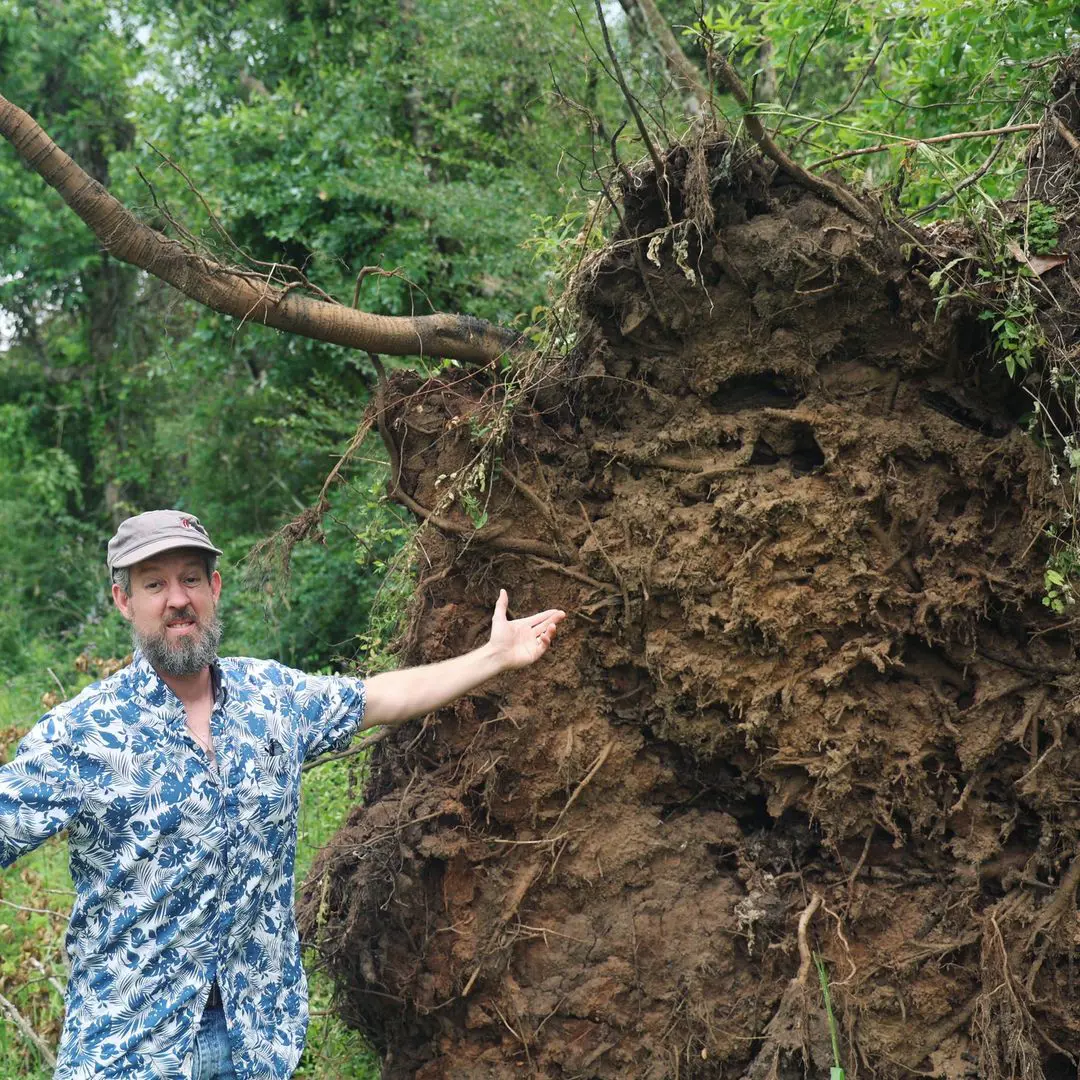
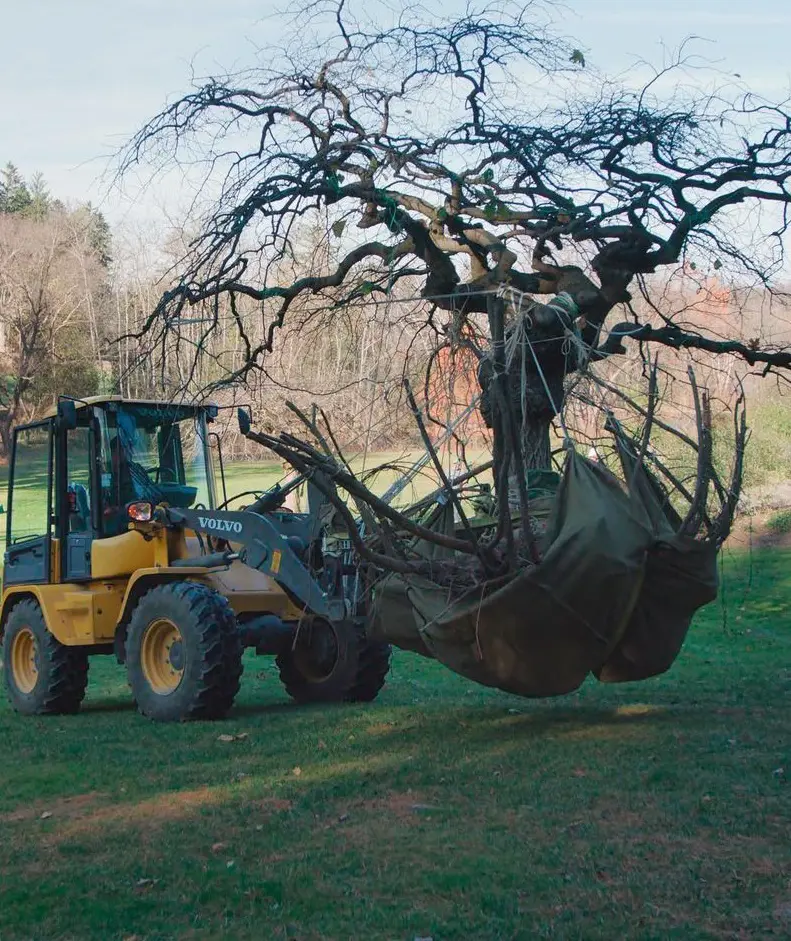
Sometimes, many large root systems become an imminent threat to your infrastructure. In such a situation, you should engage in excavations. The process involves heavy machinery to dig and remove visible roots and extensive root systems that may be hidden beneath the surface.
These teams assess, plan, excavate, and remove according to the requirements. Similarly, the professional team will act up according to the cases and ensure the elimination of the growth of the future root system.
Walking and tripping on the tree root is one of the observed signs of the growing tree root. But there is more than this to indicate the presence of that pesky root. Sow, what are those signs?
Slow-draining fixtures: If the sinks, showers, and toilets drain slowly, it could indicate that roots have infiltrated the pipes and are causing blockages. Watch out for standing water in fixtures and gurgling sounds. These are signs of air pockets from root obstructions disrupting water flow.
Unpleasant smell: Foul smells coming from drains or around plumbing fixtures like sink bases can mean sewage is leaking from damaged pipes. The strong, pungent smell comes from the methane gas in the sewer line.
Cracks and sinkholes: Cracks in the foundation, walls or driveway can show that tree roots have damaged underground pipes. Further, causing them to break and the ground to collapse.
Unexplained wet spots: Wet soil and constantly damp areas in the yard near sewer lines or septic tanks can mean a leak caused by root-damaged pipes.
While there are plenty of ways to get rid of tree roots, how about we take some extra measures to prevent them from getting in our way? Well, for this, you should follow these simple measures.
Install Root Barriers: Physical barriers made of plastic, metal, or concrete block roots from spreading into unwanted areas. These barriers must be buried vertically around the tree's root zone to effectively redirect root growth.
Choose the Right Trees: Before you decorate the landscape, you must choose the correct tree. For this research, trees with non-invasive root systems can create a problem in the nearby structure.
Regular Pruning: Based on the plants in your yard, you are advised to prune them accordingly. It is even better if you hire a professional to prune the trees close to the infrastructure. It helps to manage root growth and reduce the risk of damage.
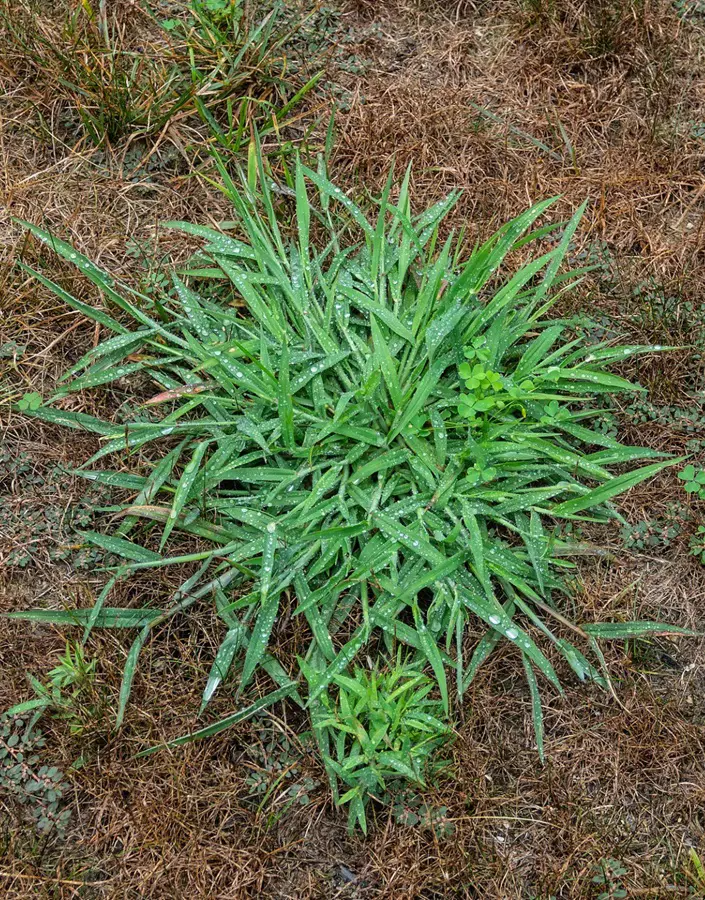
Manual Removal: Just like pruning, manual removal is also one of the best ways to get rid of roots and prevent them. When you inspect your yard, you may come across a plant that may be a sign of a threat to the growing root system. To tackle it better to remove them manually before it becomes a bigger hassle for you.
Fill in the Hole: After the removal of those small plants there may be some area emply. You should fill these with soil, rock, and concrete to stop new roots from establishing in the area. It helps to maintain soil stability and prevent erosion.