Having a pond constructed in the yard is indeed the best way of making the compound into a beautiful paradise. No matter whether you want to capture wildlife, grow fish, or beautify your garden, an aesthetically built pond brings life and serenity.
Here, you will find out all the basic information on how to build a pond, from choosing the right site to maintenance and care, so your water garden looks attractive and stays healthy in the years to come.
Before getting into constructing a pond, it is very important to keep all the tools and materials handy, so that you can have a smooth construction. A few tools and materials that are required for building a pond are as follows:
Tools
There are some basic tools that will be required to use while constructing a pond:
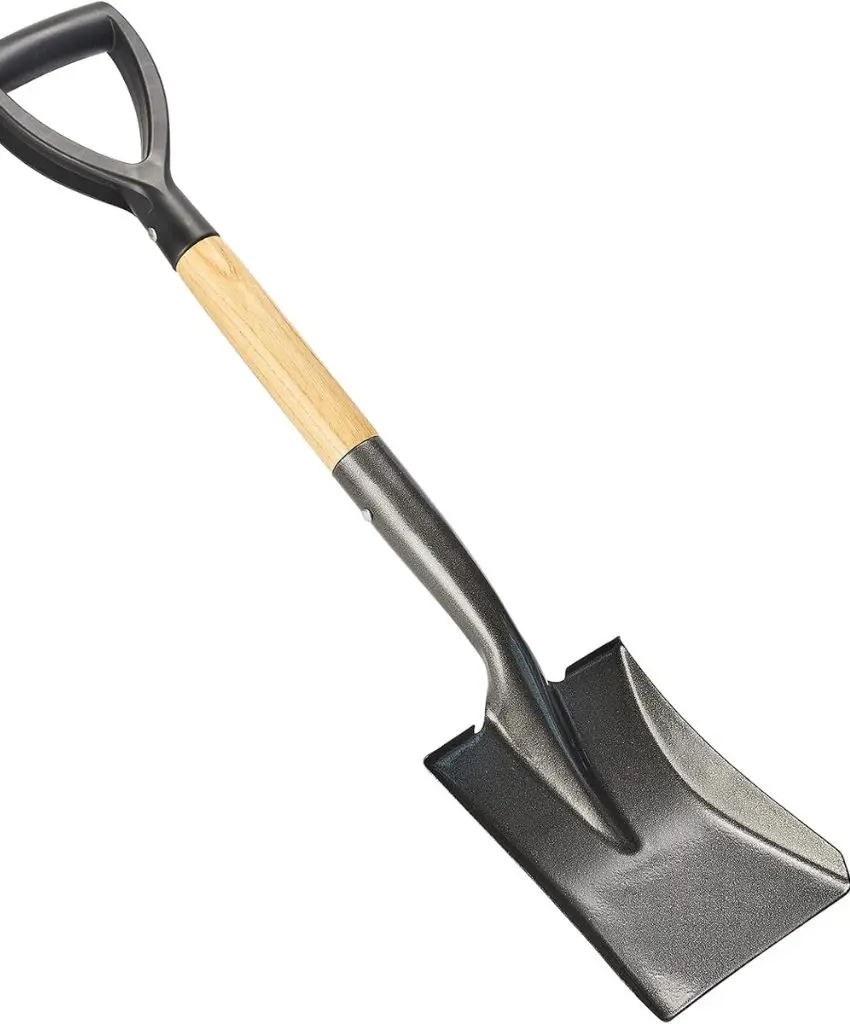
A shovel or a spade is required to dig the hole for the pond and to shape it to provide areas for planting and different water depths.
A wheelbarrow will prove useful in transferring soils, rocks, and any other related material to its intended location.
To get the pond design, one has to use a garden hose or string.
A level is an important consideration to make sure that the edges of the pond are flat which will prevent water from overflowing in certain areas.
A rake assists in leveling the bottom of the pond and cleaning it of any remains.
Scissors or a utility knife will be needed to cut the pond liner in the right size.
A bucket will be handy in transporting water or small materials and a pump will be used for instance in removing water if any or putting in water features.
Materials
While constructing a pond, the following materials are needed:
A basic requirement is the pond liner that can be made of more robust and elastic materials such as EPDM or PVC since these are flexible enough to take the shape of the pond.
The underlayment fabric, usually geotextile material, helps avoid puncture of the liner by rocks and roots.
Gravel and stones are used to enhance the area around and at the bottom of the pond, and to place the plants as well.
Sand provides a flat surface for the installation of the liner as well as prevents puncture of the liner.
Aqua marginal plants play an important role in the water treatment systems and the habitation of ponds.
Fish pond requires water pumps and filters as part of maintaining clean water in the pond.
Pond water treatments are used to neutralize chlorine in the tap water and ensure that the pond is healthy.
Step 1: Choose A Location
Location is one of the main factors that determine the success or failure of a pond project. Select an area with direct sunlight exposure, preferably 4-6 hours a day as most aquatic plants require considerable sun exposure.
Do not locate fish ponds where there are many trees with leaves shedding onto the water body since this can interfere with water quality. Make sure you select a flat area so that the ground does not allow stormwater to carry pollutants into the pond.
Furthermore, the distance from power sources also plays a huge role if you intend to place pumps or filters in your pond.
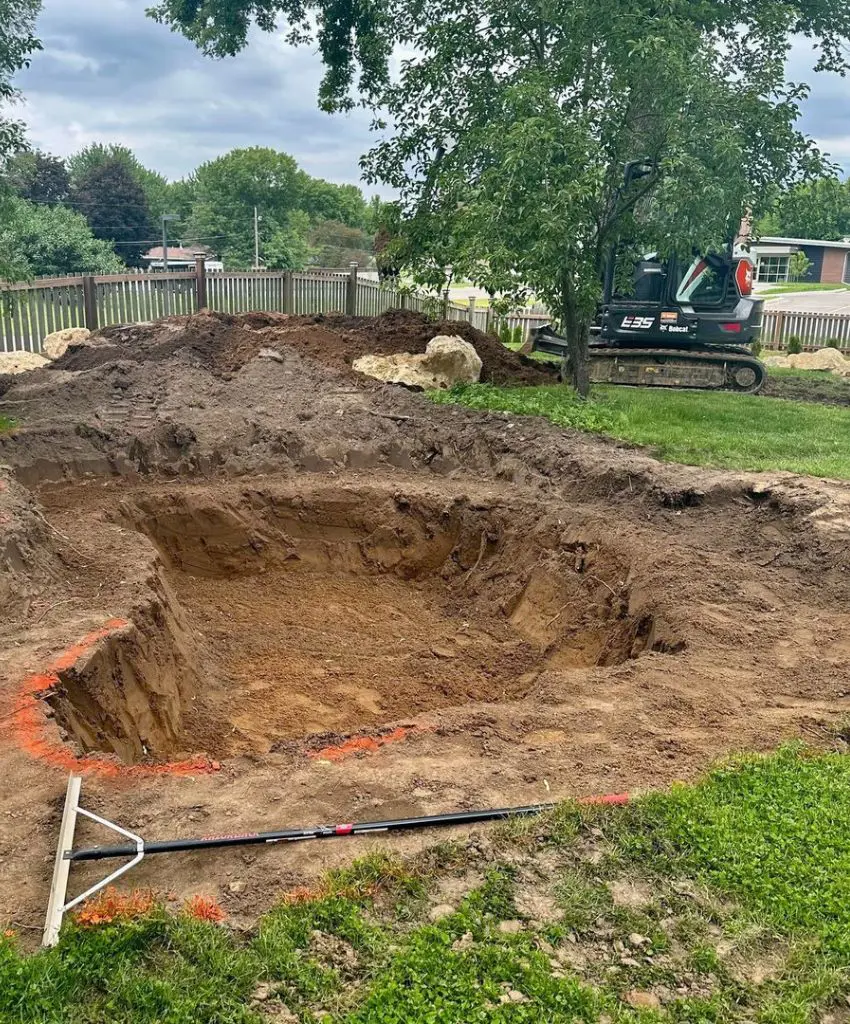
After deciding on the site, the best way to determine the outline of the pond is either by using a garden hose or string. It is now time to start the construction by digging around the pond in circles from the inside out.
The pond should ideally be at least eighteen to twenty-four inches at its deepest part to support the fish and accommodate different kinds of plants. It is also important to clear any rocks, roots, or debris from the area to avoid puncturing the liner during installation.
This pond building step is a time-consuming strategic and crucial one, as it helps in ensuring that the pond is properly developed.
Step 3: Place The Liner In The Hole
After digging the hole, make sure you put a layer of sand that will act as the liner on the base. Place the fabric underlayment to shield the liner from punctures by anything that might be placed on it.
Spread the pond liner over the hole and make sure that all the sides of the liner come forward and there is an extra portion at the edges. It is recommended that the liner should be allowed to settle in the hole without having to fold or wrinkle.
This step is necessary to prevent the pond from leaking and for the liner not to be compromised in any way. You should take your time to make slight adjustments to the liner in order to achieve an optimum fit to the body of the hole.
Start introducing water into the pond gradually. Thus, the weight of the water will force the liner to conform to the shape of the hole. When the water is being added, smoothen out the wrinkles in the liner still present on the pool wall.
This process of fitting the liner entails some amount of time since you may need to alter the liner several times to achieve a perfect fit. Gradually filling the pond gives you the opportunity to make some adjustments as this ensures that the liner is well placed.
This step involves the laying of the base of the pond which is important in ensuring that the pond is strong and long lasting.
Step 5: Secure The Liner
When there is half an inch of water at the bottom of the pond, cut the liner to the appropriate size with at least an inch of excess all the way around. Stabilize the liner edges by placing rocks or paving stones on the liner to prevent them from moving around.
Be sure to have the bottom of the liner go up from the water line so that soil and debris do not get washed into the pond. This step ensures that the liner stays in place and that the pond retains the designed shape and form. Proper fixation of the liner is critical for confining any seepage, which might compromise water quality.
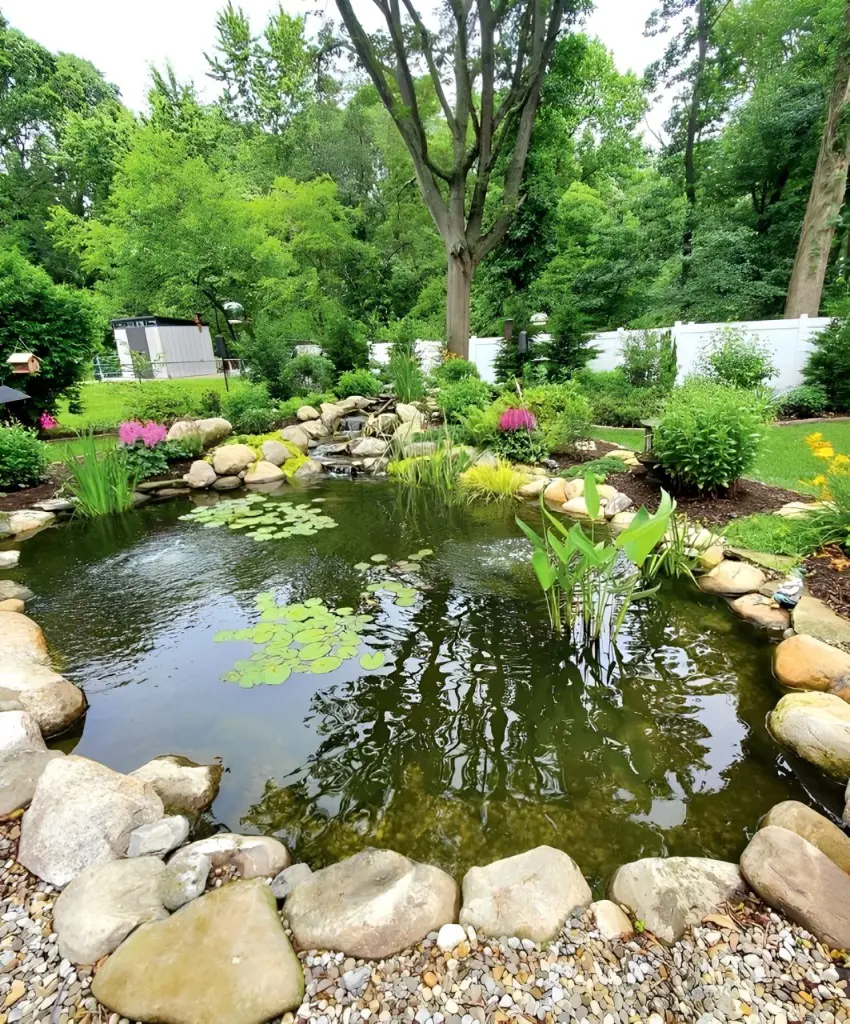
Place the bigger stones and rocks in and around the water edge to look natural and for anchoring the liner. Placing small rocks and pebbles on the bottom and shelves will help to hold plants in place and give the animals somewhere to hide.
This step gives the pond a better look and provides the plants and the animals with a more natural habitat to live in. Placing rocks in a manner is also crucial in supporting the pond structure and avoiding liner movements. This is a good time to be imaginative about the form and structure of your pond.
Step 7: Final Touches
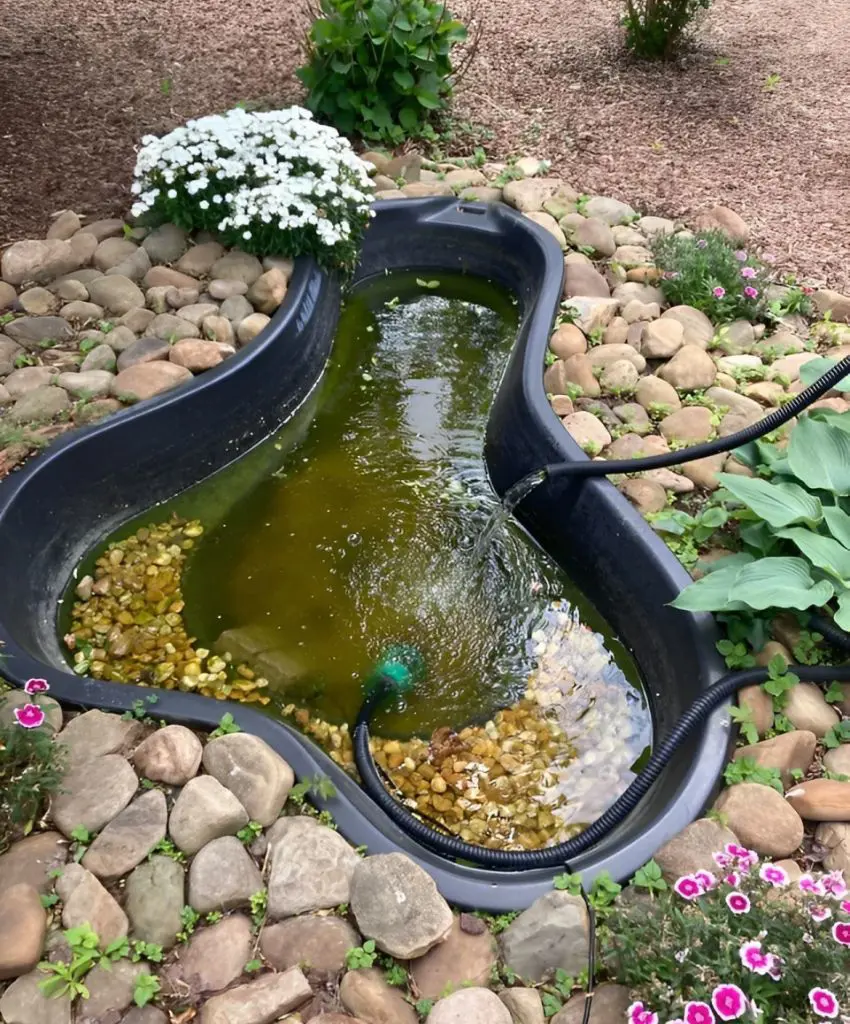
Filling the pond with water is continued until it is full. Acquire a pump and a filter if you intend to have fish or water features like fountains. Include water treatments to purify tap water that contains chemicals such as chlorine.
It is necessary to plant as many types of water plants as possible in order to construct a balanced aquatic ecosystem. Also, it is advisable to incorporate submerged, marginal, and floating types of plants in a pond to enhance its healthy biotic structure.
If introducing fish, it is recommended that the pond is filled and left for some days till the water has settled and has attained an appropriate temperature. These are the finishing touches that make sure that the pond is operational, attractive, and beneficial for creatures that live in it.
Types of Ponds
A pond is a small clear water body with comparatively small depths and slow water movement. It is not as large as a lake, and it can be either in the natural environment or man-made.
Ponds are habitats of many plants and animals such as fish and frogs and are commonly used for fishing or as swimming or ornamental pools, mostly to enhance the aesthetic of the house. These small, still, land-based bodies of water are mainly of four types such as:
1. Wildlife Pond
A wildlife pond is created with the specific purpose of promoting the presence and sustainability of animals in the area. These ponds are mostly small shallow ponds that have different water depths to support creatures like frogs, dragonflies, and birds.
Ledges are not steep which permits animal access and using native species ensures that the environment is not disrupted. Wildlife ponds are usually maintained in their natural state to reduce human manipulation as much as possible, thus providing suitable habitat for wildlife.
This kind of pond is not only beneficial to create more sources of habitat for the wildlife in your yard, but also it turns out a good point for learning and observing the wildlife in the natural environment.
2. Fish Pond
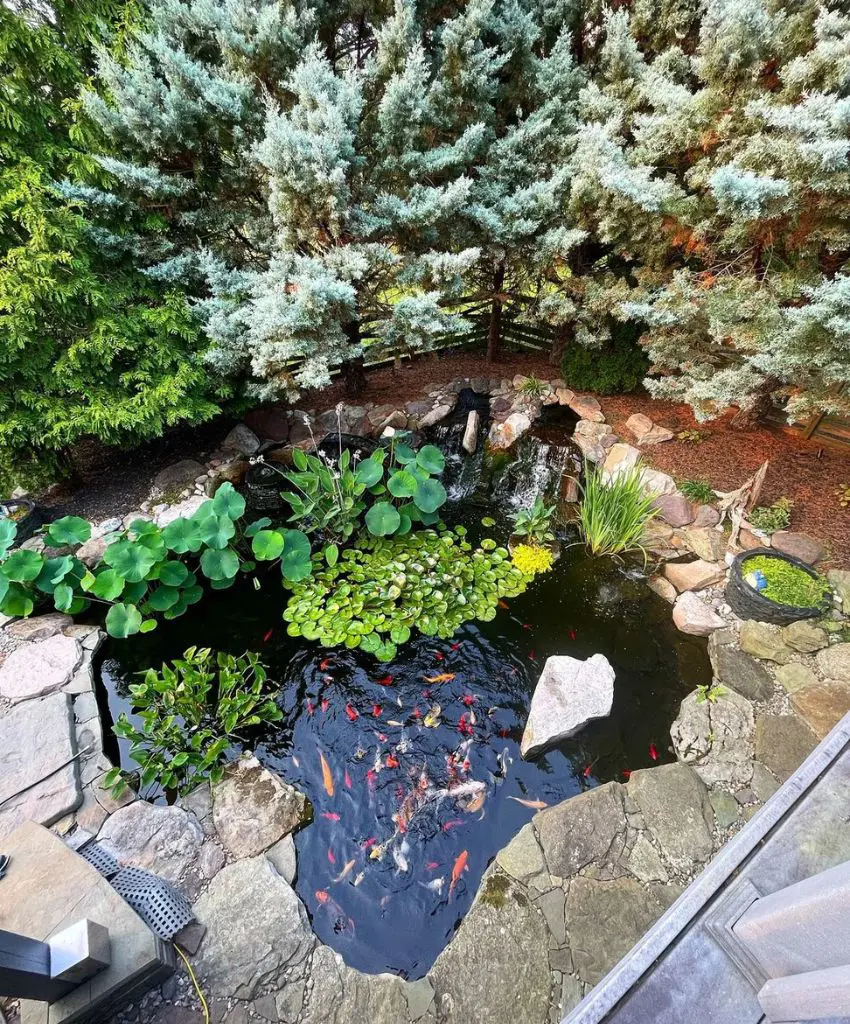
Fish ponds are typically small ponds that are intended to contain fish like koi, goldfish, or other aquatic ornamental species. These ponds are relatively deeper than the ornamental ones and the recommended size depth is 2-3 feet of water.
Appropriate pro-filtration arrangement is compulsory here since fish excrete wastes that make water rich in ammonia. Another factor necessary for maintaining the condition of the water is aeration to keep the water oxygenated.
Some of the fish pond features include aquatic plants, fish shelters, and structures such as rocks, and waterfalls among others that make the fish pond look attractive.
3. Garden Pond
A garden pond is an ornamental water structure located in the yard and many times works as the center of the garden. Both plants and fish can be placed in these ponds and are usually built around an attractive focal point such as a fountain, waterfall, or statue.
Koi ponds are constructed with aesthetics in consideration and use a combination of water plants, fish, and rocks. In most cases, they are incorporated into the design of the garden with walkways, benches, and plants surrounding the pond.
4. Natural Pond
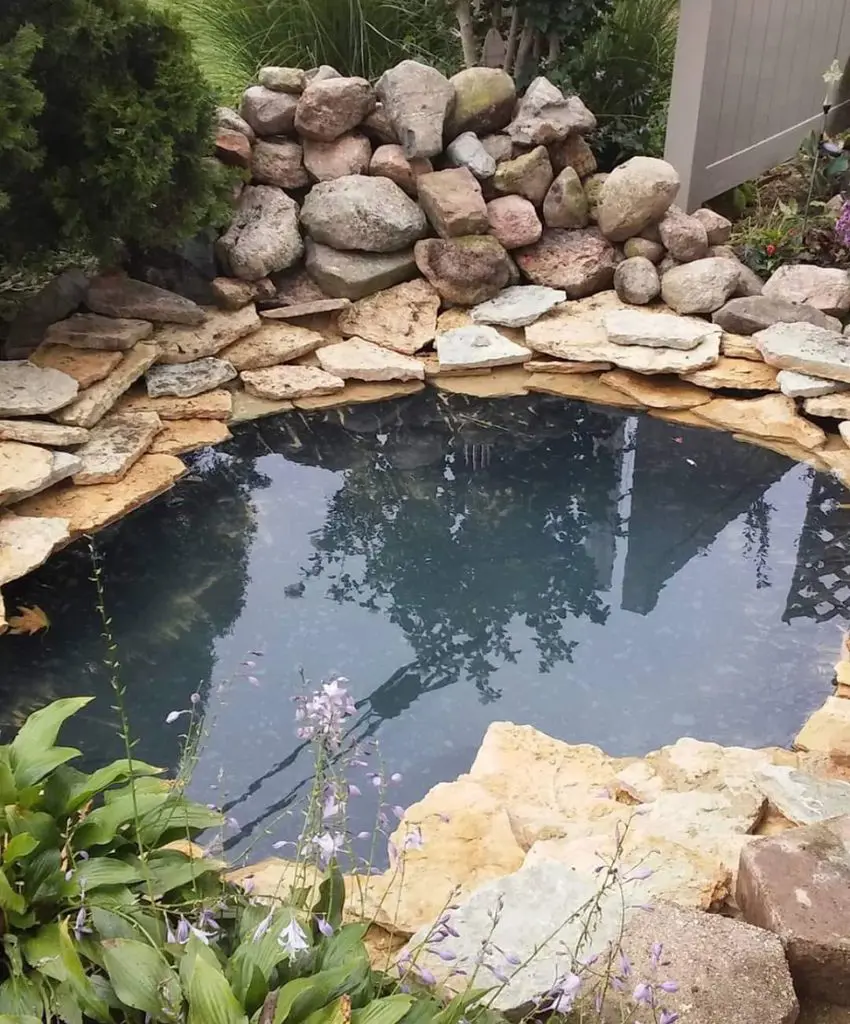
Natural ponds resemble natural water basins where they provide an irregular shape and plant life that is integrated into the landscape. These ponds appear to have always fit into the environment by having irregular shapes and the natural formation of the environment around them.
These ponds shelter a very large variety of plants such as submerged plants, marginal plants, and floating plants thereby supporting a natural ecosystem. These ponds offer a home for fish and aquatic plants and make your landscape more elegant and natural.
They can be used with less effort compared to elaborate garden ponds because they simulate natural environments where plants and microorganisms control water quality.
The following things need to be considered in order to maintain it if you want to ensure your pond is beautiful and aesthetically looking throughout the year.
Cleaning
To ensure your pond is clean and appealing, it is important that you practice proper cleaning frequently. Avoid accumulated dead plant parts like leaves and twigs, since they may rot and pollute water.
Scoop floating debris using a pond skimmer or a net at least twice a week. Occasionally, check the sides and bottom of the pond to ascertain the accumulation of sediment. Cleaning also makes water free from algae thus making it safe for plants and animals to thrive in.
Water Quality
Perform pH, ammonia, and nitrate checks more frequently if you have fish in the tank. Water chemistry is an important factor that you need to have in your pond so that the right balance can be maintained.
Perform water treatments if necessary in order to correct the pH and bring the water into a clearer state. One could add useful bacteria to help decompose the wastes while maintaining water cleanliness. Proper water quality management helps to maintain a healthy atmosphere for both fish and aquatic plants.
Plant Care
Prune plants that are dead or have grown too long to keep the pond compact and beautiful to the eye. Always look for those plants and animals that interfere with the balance of the pond ecosystem and eradicate them.
Living aquatic plants are beneficial to water quality because they will scavenge nutrients and provide dissolved oxygen. It helps you maintain your pond in good health, thus promoting the presence of aquatic organisms in the pond.
Maintenance
The pump and the filter should therefore be cleaned to enable them to work appropriately. Inspect for any signs of rubbing or chafing and replace any worn or damaged components.
Pump and filter are very important since they help to maintain the water clean and aerated particularly if they are used in fish ponds. Maintenance is crucial since it reduces mechanical problems and promotes a favorable physical environment for the pond.
Seasonal Care
Make the necessary preparations for your pond during winter by taking out vulnerable plants and ensuring that fish do not freeze with too little depth. In cold areas, it is recommended to install a pond heater or a de-icer in order to avoid complete freezing of water in the pond.
During the summer months, check for algae production and might want to install some shade plants or a UV system if present.