Gardens are beautiful spaces where you can express your style through flowers, shrubs, and trees. You can create a vibrant and inviting outdoor area by combining different colors, shapes, and textures. Including both annuals and perennials ensures year-round interest, with perennials returning each year.
Choose plants suited to your USDA Hardiness zone and plant them in the right sunlight conditions. Here are 20 stunning full-sun perennials to add lasting beauty and color to your garden.
1. Asters
Growing Zone: 4-8
Bloom Time: Late summer to fall
Spread: 1-4 feet
Asters are a mainstay of the autumn garden, blooming in late summer and early autumn with their star-shaped everlasting flowers. Rich pinks, blues, purples, and ruby reds are among the bloom colors.
Depending on the species, they can grow up to five feet tall. They are great for cutting and using indoors, as well as for beds and borders. Because they draw butterflies, asters are ideal for a garden that supports pollinators. Their blooms lend a daisy-like appeal to any landscape, and they do best in well-drained soil that receives lots of sunlight.
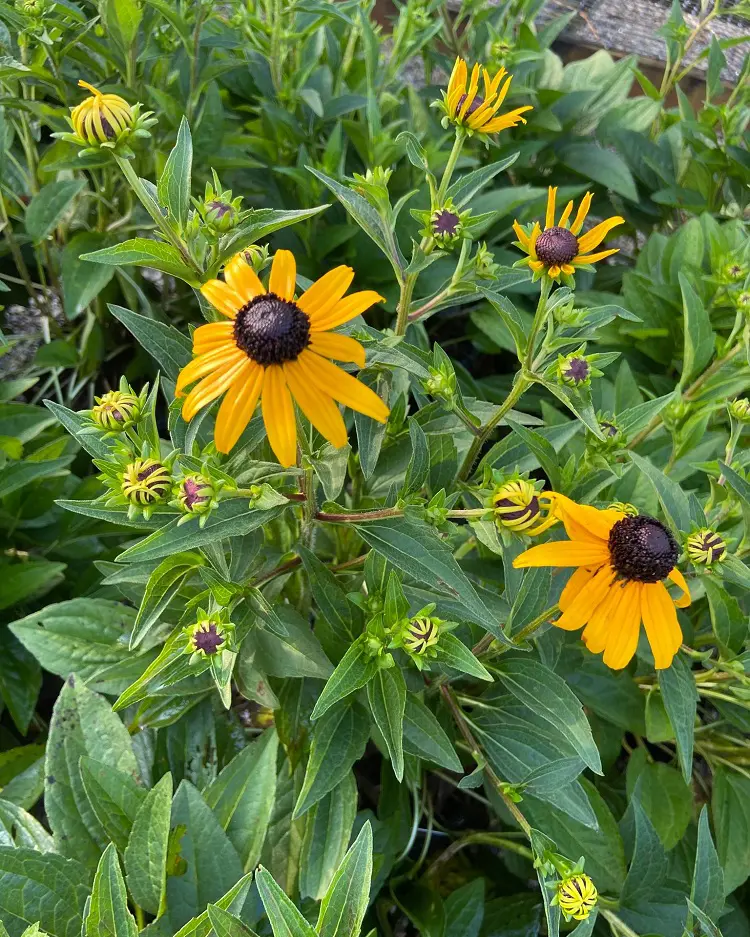
Black-eyed Susans, which bloom from midsummer till frost, are a true symbol of America. Their blooms, which are either orange or golden yellow, persist despite heat, humidity, and drought.
The Goldsturm variant is ideal for the center or back of the bed because it reaches a maximum height of around 2 feet. Black-eyed Susans are low-maintenance plants that grow easily with little effort once they are established. Their vivid blooms can produce a cheery display in forest gardens or meadows, where they are ideal for naturalizing.
3. Blanket Flower
Growing Zone: 3-10
Bloom Time: Summer to fall
Spread: 1-2 feet
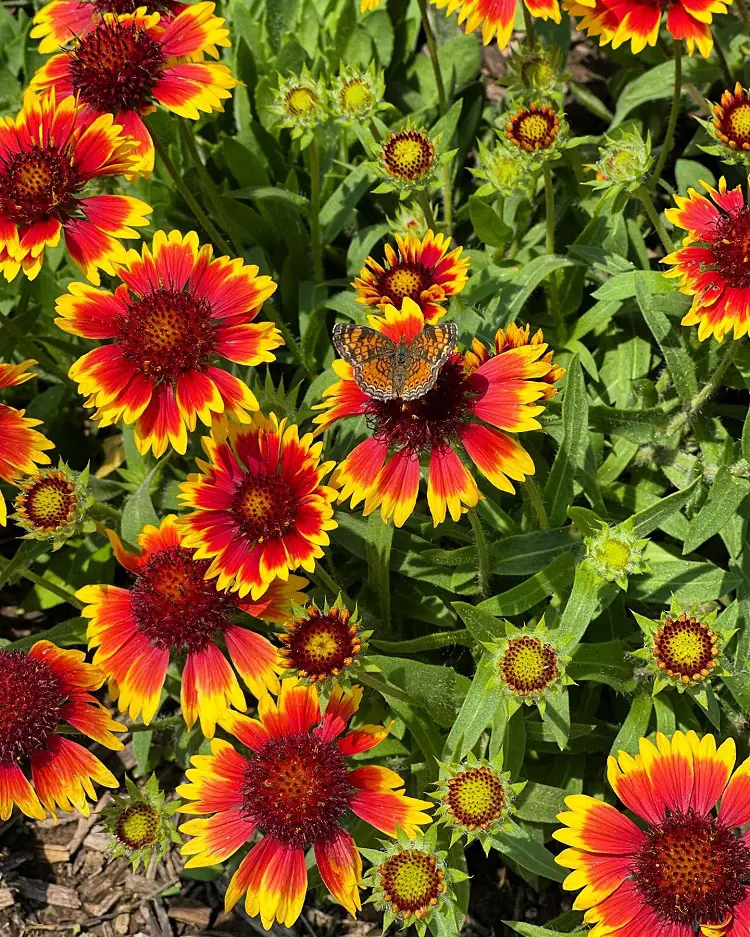
Blanket flowers, or Gaillardia, are known for their vibrant, daisy-like flowers in shades of red, orange, and yellow. They bloom profusely from early summer to fall, adding a burst of color to sunny garden spots.
These drought-tolerant perennials thrive in poor, well-drained soils and are perfect for borders, containers, or ground cover. Their long bloom period and striking colors make them a favorite among gardeners. The flower can self-seed and spread easily in your garden. It can also be divided every two years to rejuvenate the plant.
4. Lenten Rose
Growing Zone: 4-9
Bloom Time: Late winter to spring
Spread: 1-2 feet
Also known as Hellebores, these plants are cherished for their early blooms and evergreen foliage. These shade-tolerant perennials feature cup-shaped flowers in shades of white, pink, and purple, often with speckled patterns. They bloom in late winter to early spring, providing a much-needed splash of color.
Lenten Roses prefer well-drained, humus-rich soil. Their attractive foliage remains green throughout the year, making them a valuable addition to woodland gardens, shady borders, or as ground cover under trees and shrubs.
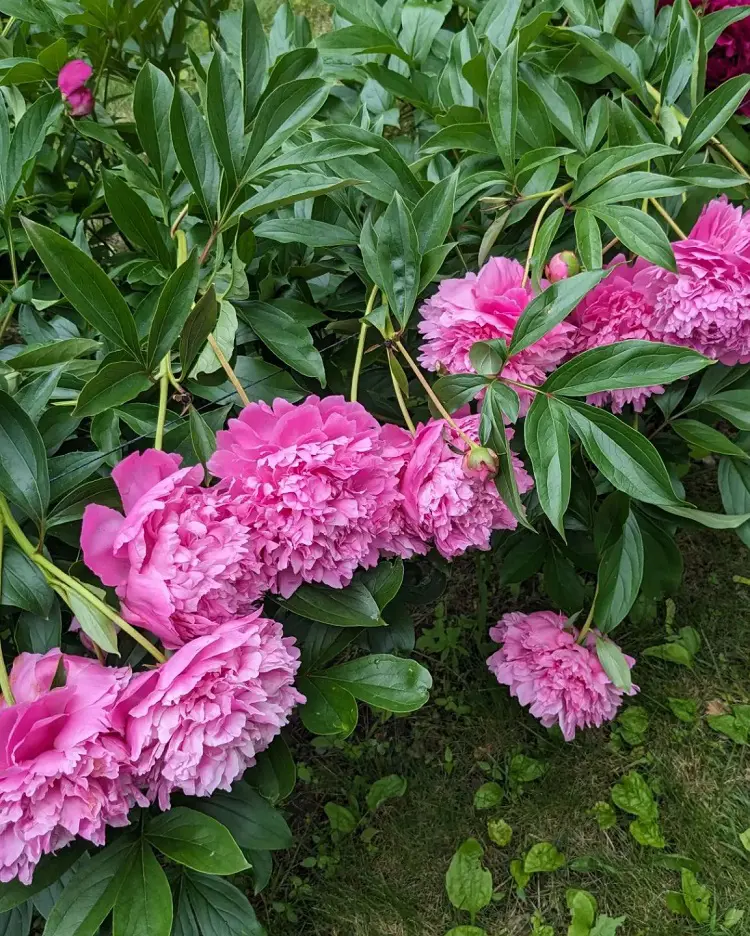
Peonies are beloved for their large, fragrant blooms that come in a variety of colors including pink, red, white, and yellow. These perennials can live for decades, often outlasting the gardeners who plant them.
They require well-drained soil and full sun to thrive. Peonies are perfect for borders, as their lush foliage remains attractive after the blooms have faded. They make excellent cut flowers, adding elegance to any bouquet. To ensure a long-lasting display, support peonies, as their heavy blooms can cause the stems to droop.
6. Lavender
Growing Zone: 5-10
Bloom Time: Summer
Spread: 1-3 feet
A must-have for any garden, lavender is known for its fragrant flowers and foliage. This perennial thrives in well-drained soil and full sun, making it perfect for sunny borders, herb gardens, or as a fragrant hedge.
The silvery-green foliage and purple blooms attract pollinators and provide a calming effect. Success in growing lavender depends on growing conditions and selected varieties. Prune annually to maintain shape and encourage new growth. Use lavender in culinary dishes, sachets, or as a natural air freshener.
Growing Zone: 10-11 (grown as annuals in cooler zones)
Bloom Time: Spring to fall
Spread: 1-2 feet
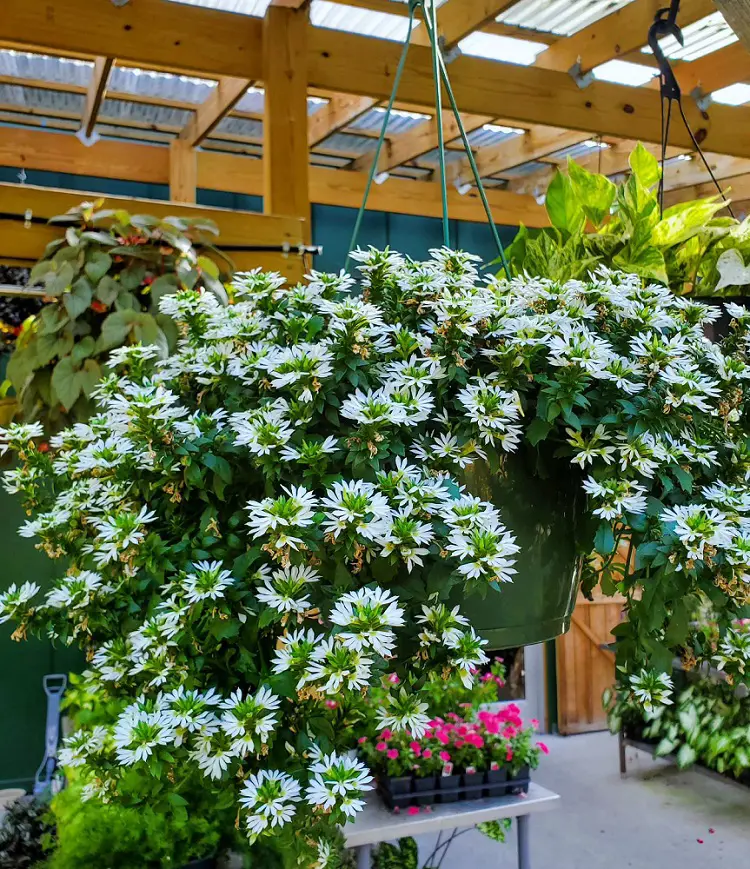
Fan flowers, or Scaevola, are known for their fan-shaped, blue, or purple flowers that bloom profusely from spring to fall. These heat-tolerant, drought-resistant perennials are perfect for hanging baskets, containers, or as ground cover.
They thrive in well-drained soil and full sun, requiring minimal maintenance. Fan flowers attract butterflies and are resistant to pests and diseases, making them a reliable choice for gardeners. Their trailing habit makes them ideal for cascading over the edges of containers or spilling over garden walls.
8. Daylily
Growing Zone: 4-9
Bloom Time: Summer
Spread: 1-2 feet
Daylilies are versatile, easy-to-grow perennials that come in a wide range of colors and forms. Each bloom lasts for just one day, but the plants produce so many flowers that the display lasts for weeks.
They thrive in full sun and well-drained soil, making them perfect for borders, mass plantings, or containers. Daylilies are drought-tolerant and low-maintenance, requiring minimal care once established. They attract butterflies, and the blooming starts in midsummer and continues into early fall, with new blossoms opening each day.
9. Coneflower
Growing Zone: 4-9
Bloom Time: Summer to fall
Spread: 1-2 feet
Coneflowers, or Echinacea, are beloved for their daisy-like flowers with prominent central cones. They bloom from summer to fall in a variety of colors, including purple, pink, white, and yellow. Coneflowers thrive in full sun and well-drained soil, making them perfect for borders, meadows, or wildflower gardens.
Many different kinds of flowers can be found, such as quilled, double, or bi-color varieties with blooms or petals that change color over time. Coneflowers are also known for their medicinal properties and can be used in teas and herbal remedies. Their sturdy stems make them excellent cut flowers.
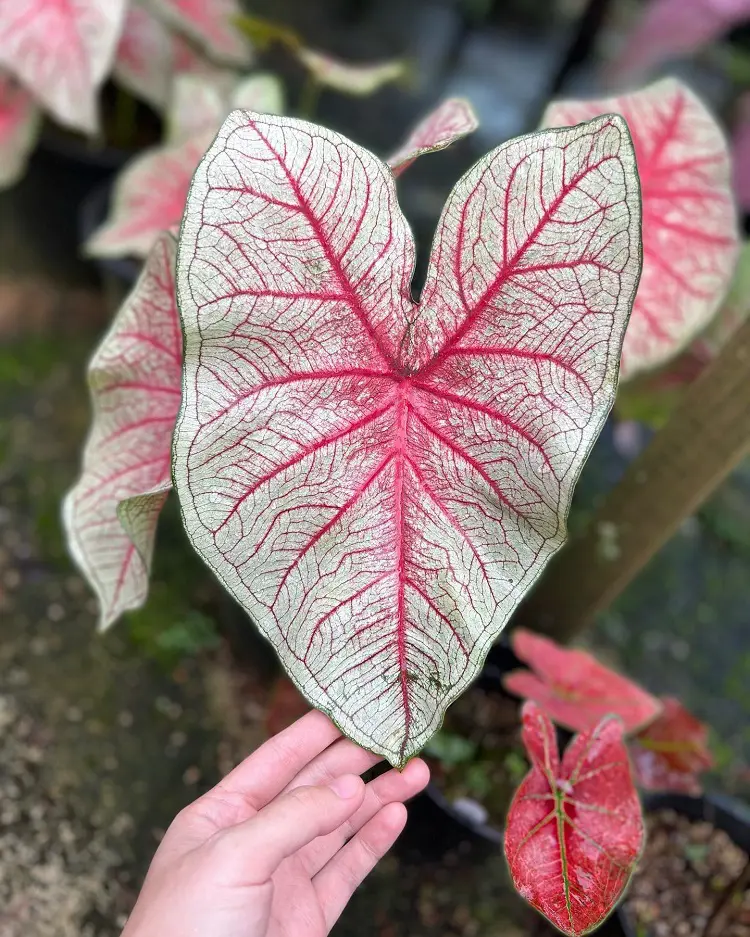
Caladiums are grown for their stunning, heart-shaped foliage in a variety of colors, including red, pink, white, and green. These perennials thrive in well-drained soil and prefer part shade to full shade, making them perfect for shady borders, containers, or houseplants.
Their vibrant foliage adds a tropical feel to any garden, and they pair well with other shade-loving plants like hostas and ferns. In cooler zones, dig up the tubers before frost and store them indoors for replanting in spring.
11. Salvia
Growing Zone: 4-9
Bloom Time: Summer to fall
Spread: 1-2 feet
Salvias, or sages, are known for their spikes of colorful flowers that attract pollinators such as bees, butterflies, and hummingbirds. They bloom from summer to fall in a variety of colors, including blue, purple, red, and white. Salvias thrive in full sun and well-drained soil, making them perfect for borders, meadows, or containers.
These drought-tolerant perennials require minimal care once established and are resistant to pests and diseases. Their aromatic foliage adds an extra layer of interest, and some varieties can be used in cooking.
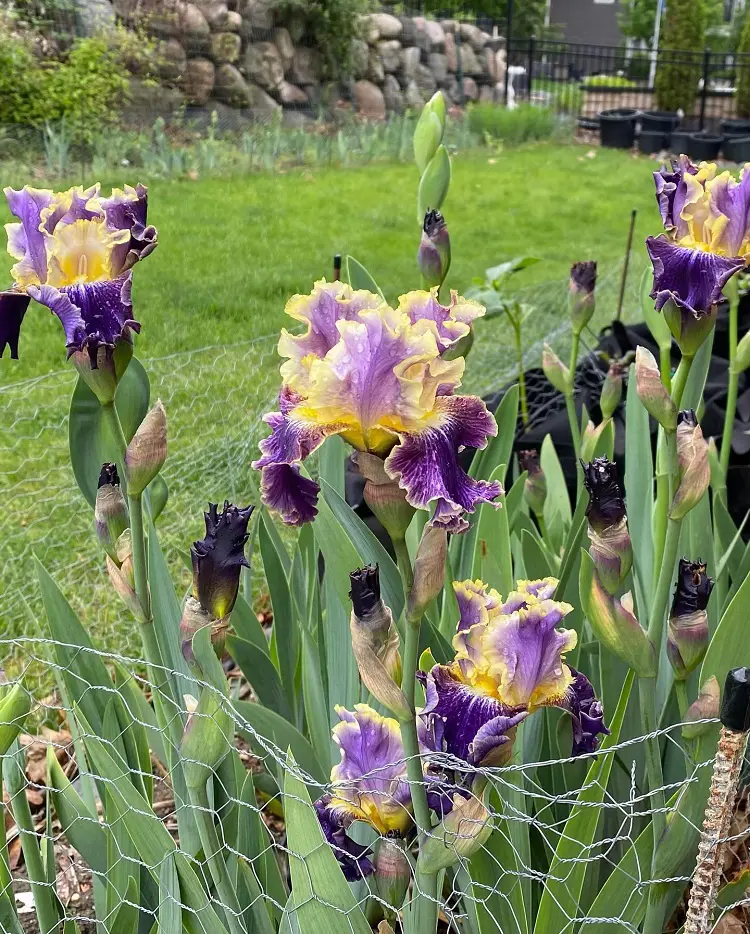
Known for their striking, bearded irises are ruffled flowers that come in a wide range of colors, including purple, blue, yellow, and white. They bloom in spring and are perfect for borders, rock gardens, or as cut flowers.
Bearded irises prefer well-drained soil and full sun, and they benefit from division every few years to maintain vigor. Their sword-like foliage adds vertical interest to the garden, even when the plants are not in bloom. Bearded irises are relatively low-maintenance and resistant to pests and diseases.
13. Lupine
Growing Zone: 4-9
Bloom Time: Late spring to early summer
Spread: 1-2 feet
Lupines are known for their tall, spiky flower clusters that come in a variety of colors, including blue, purple, pink, yellow, and white. They bloom in late spring to early summer and are perfect for borders, meadows, or cottage gardens. Lupines prefer well-drained, slightly acidic soil and full sun.
They require little maintenance and are easily propagated from seeds. Lupines are nitrogen-fixing plants, which means they improve soil fertility by converting atmospheric nitrogen into a form that plants can use.
14. Maximilian Sunflower
Growing Zone: 3-9
Bloom Time: Late summer to fall
Spread: 2-4 feet
Maximilian sunflowers are tall, perennial sunflowers that produce bright yellow blooms in late summer to fall. They thrive in full sun and well-drained soil, making them perfect for borders, meadows, or naturalized areas.
These drought-tolerant perennials can reach heights of up to 10 feet, providing a striking vertical element to the garden. Maximilian sunflowers attract pollinators such as bees and butterflies, and their seeds provide food for birds. It is commonly utilized in native grass blends and filter strips.
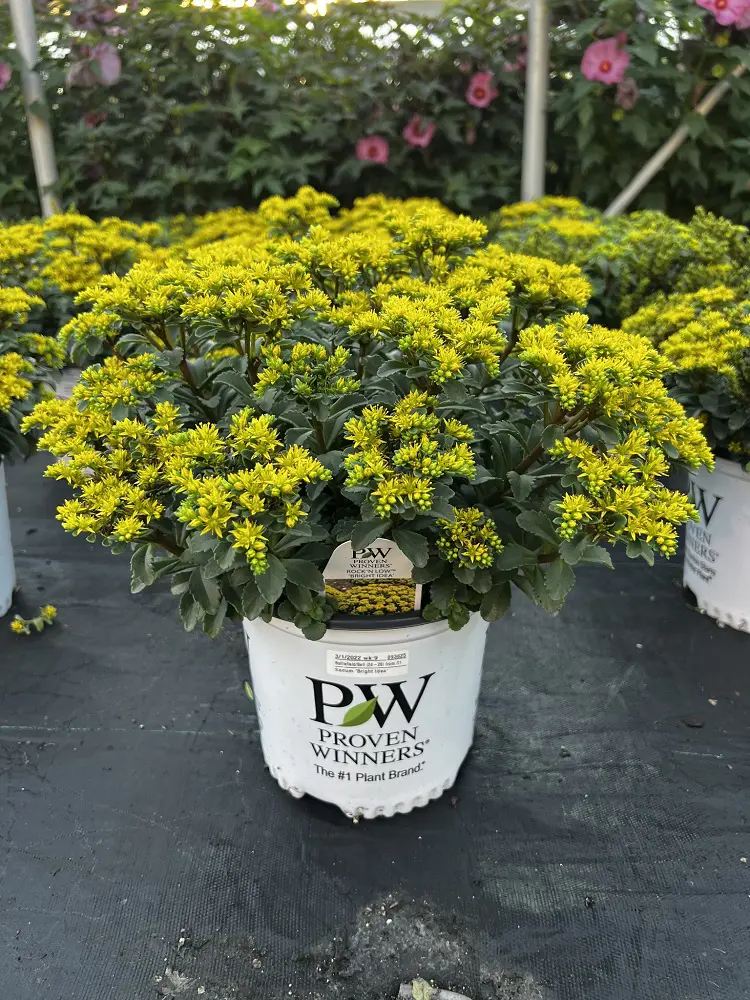
Known for their succulent foliage and star-shaped flowers that bloom in late summer to fall. They thrive in full sun and well-drained soil, making them perfect for rock gardens, borders, or containers. Sedums come in a variety of colors and forms, from low-growing ground covers to upright varieties.
They are drought-tolerant and low-maintenance, requiring minimal care once established. Their fleshy leaves store water, making them ideal for xeriscaping. Their shallow root systems make them easy to remove if necessary, and they are not invasive.
16. Dusty Miller
Growing Zone: 8-10
Bloom Time: Summer (grown for foliage)
Spread: 1-2 feet
Dusty Miller is known for its silvery, fern-like foliage that adds a touch of elegance to any garden. This perennial thrives in full sun and well-drained soil, making it perfect for borders, containers, or as an accent plant.
It is drought-tolerant and low-maintenance, requiring minimal care once established. Its striking foliage contrasts beautifully with other colorful flowers, and it pairs well with both annuals and perennials.
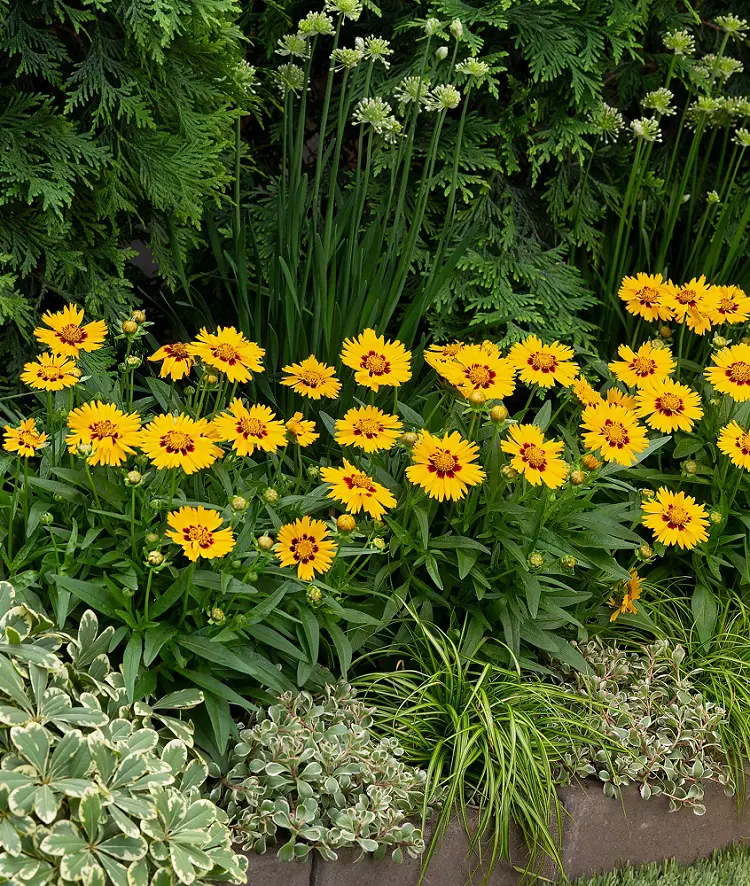
Also known as tickseed, Coreopsis is beloved for its bright, daisy-like flowers that bloom from summer to fall. These perennials come in shades of yellow, pink, red, and bicolor combinations. Coreopsis thrives in full sun and well-drained soil, making it perfect for borders, meadows, or containers.
Early June is usually when coreopsis blossom, and they continue to bloom periodically until frost. After the first flowering, trim back the entire plant or remove the spent flower heads to promote reblooming. Coreopsis is low-maintenance and drought-tolerant, requiring minimal care once established.
18. Garden Phlox
Growing Zone: 4-8
Bloom Time: Summer to early fall
Spread: 2-3 feet
Garden phlox is known for its large, fragrant flower clusters that come in a variety of colors, including pink, red, white, and purple. These perennials bloom from summer to early fall, adding a splash of color to sunny borders, meadows, or cottage gardens.
They prefer well-drained soil and full sun but can tolerate some shade. They attract pollinators such as bees and butterflies and can be prone to powdery mildew, so ensure good air circulation and avoid overhead watering.
19. Switchgrass
Growing Zone: 3-9
Bloom Time: Late summer to fall
Spread: 2-3 feet
A native ornamental grass, Switchgrass is known for its upright habit and airy flower panicles that bloom from late summer to fall. This perennial thrives in full sun and well-drained soil, making it perfect for borders, meadows, or naturalized areas.
Switchgrass is drought-tolerant and low-maintenance, requiring minimal care once established. It provides year-round interest, with attractive seed heads and colorful foliage that turns golden or burgundy in the fall. Switchgrass is also beneficial for wildlife, providing cover and food for birds and other small animals.
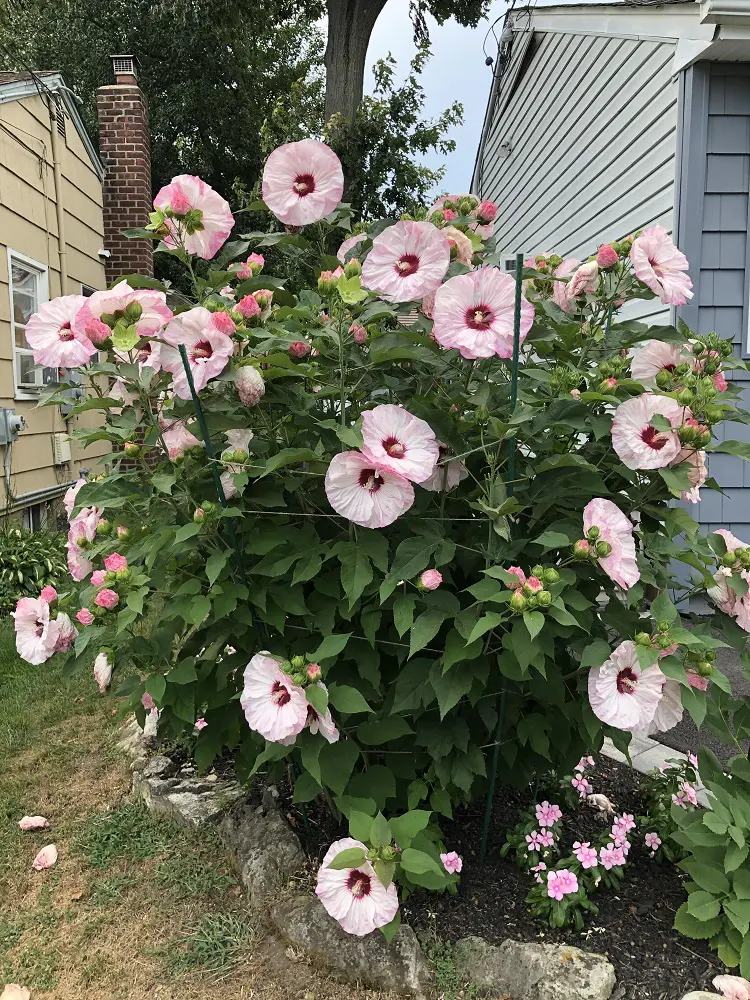
Also known as rose mallow, hardy hibiscus is known for its large, tropical-looking flowers that come in shades of pink, red, white, and bicolor combinations. These perennials bloom from summer to early fall, adding a touch of the tropics to sunny borders, meadows, or containers.
Hardy hibiscus prefers well-drained soil and full sun but can tolerate some shade. They attract pollinators such as bees and butterflies and are resistant to deer. These plants can grow quite large, so provide ample space and support as needed.
Reasons To Add Perennials In Your Flower Garden
Adding perennials to your flower garden is a strategic choice for several compelling reasons, offering long-term benefits and enhancing the overall garden experience:
Longevity and Cost-Effectiveness
Perennials return year after year, reducing the need for annual replanting. This longevity translates to cost savings over time, as you won't need to buy new plants each season. Once established, perennials can thrive for many years with minimal maintenance, making them a wise investment for any garden.
Seasonal Continuity
Perennials provide consistent structure and continuity in the garden. While annuals may offer quick bursts of color, perennials create a stable backbone that anchors the garden's design.
By carefully selecting a variety of perennials with different bloom times, you can ensure that something is always in flower, providing continuous visual interest throughout the growing season.
Diverse Range of Colors and Forms
Perennials come in a vast array of colors, shapes, and sizes, offering endless possibilities for garden design. Whether you're looking for ground covers, tall border plants, or something in between, there's a perennial to fit every need. This diversity allows for creative combinations and layered planting, enhancing the garden's aesthetic appeal.
Environmental Benefits
Perennials are beneficial for the environment in several ways. Their deep root systems help improve soil structure, increase water infiltration, and reduce erosion. Perennials also provide habitat and food for a wide range of wildlife, including pollinators such as bees, butterflies, and birds.
Low Maintenance
Once established, perennials generally require less care than annuals. They are more drought-tolerant, disease-resistant, and can thrive in a variety of soil conditions. This resilience means less watering, fertilizing, and overall upkeep, giving you more time to enjoy your garden rather than constantly tending to it.
Seasonal Interest
Many perennials offer more than just beautiful flowers. Their foliage, stems, and seed heads can provide interest throughout the year. For instance, plants like ornamental grasses add texture and movement, while others may have attractive fall colors or interesting seed heads that persist into winter.
This multi-season appeal keeps the garden looking dynamic and engaging, even when flowers are not in bloom.
Colorful perennial shrubs are excellent choices for adding long-lasting beauty and structure to your garden. They provide year-round interest with their vibrant flowers, attractive foliage, and varied textures. Here are some colorful perennial shrubs that can enhance your garden: