Few things in nature are as delightful as the sweet scent of fragrant flowers. From gardens to bouquets, aromatic blooms can transform any space into a sensory paradise.
Whether you're looking to enhance your garden, brighten your home, or simply indulge in nature's perfumes, this article explores 20 sweet-smelling flowers that are sure to captivate your senses.
Discover these botanical treasures and learn how their enchanting aromas can bring joy and tranquility to your everyday life.
1. Moonflower
Native to tropical parts of America, the Moonflower (Ipomoea alba), often called White Morning Glory, is a mesmerizing vine. Under the cover of darkness, its magnificent trumpet-shaped blooms open, filling the night air with an enticing aroma.
The Moonflower's flowers fade away before the next morning sun, thus this nighttime sight is fleeting. Moonflowers, with their transient beauty, caught people's attention for generations, representing fresh starts, innocence, and transient joys.
2. Nicotiana
In the Solanaceae, or nightshade family, the genus Nicotiana has more than 60 species, together referred to as blooming tobacco. Many Nicotiana types are renowned ornamentals admired for their beauty and scent, while some species are cultivated for commercial tobacco production.
These relatives of nightshades usually have trumpet-shaped blooms that open in the evening and provide a jasmine-like perfume that is fragrant and enticing.
Nicotiana's long, tubular blossoms, which come in a variety of colors such as white, red, lime green, and pink, not only provide beauty to gardens throughout the summer months but also draw hummingbirds with their nectar-rich offerings.
Native to tropical and subtropical areas of Eurasia, jasmine is a climbing vine that is extensively grown for its high-fragrance flowers in white. These fragile blossoms have been cherished for ages for their beauty and symbolic meaning. They bloom at night and release a sweet, seductive perfume.
Jasmine flowers are connected to love, purity, and sensuality in numerous civilizations. The dried blossoms are used to flavor teas and other beverages, and their essence is a common element in fragrances and cosmetics.
Although it takes a lot of work to cultivate jasmine for its fragrant blooms, the allure of these night-blooming flowers' strong scent has captured the attention of people all over the world.
4. Chocolate Daisy
The North American wildflower Berlandiera lyrata, popularly called the Chocolate Daisy, is highly valued for its distinct scent. Despite its conventional name, the coarse, gray-green leaves are where the chocolate aroma comes from, not the bright yellow ray florets.
This low-growing perennial has a mounding appearance and normally grows to a height of 1-2 feet. The Chocolate Daisy blooms in late spring and summer, producing daisy-like flowers with maroon centers that give gardens a touch of elegance and an enticing cocoa scent.
5. Queen of the Night
Native to Central and South America, the Queen of the Night, also called the Dutchman's Pipe Cactus (Epiphyllum oxypetalum), is an epiphytic cactus. Under the cover of darkness, this beauty reveals its enchantment, belying its modest appearance.
Every year in late spring or summer, one exquisite bloom opens up in the darkness, glowing white with a scent like gardenia or magnolia. This fleeting spectacle fades away by daylight after only one night.
The Queen of the Night enthralls with its enticing aroma and the attraction of its nightly performance despite its transient beauty.
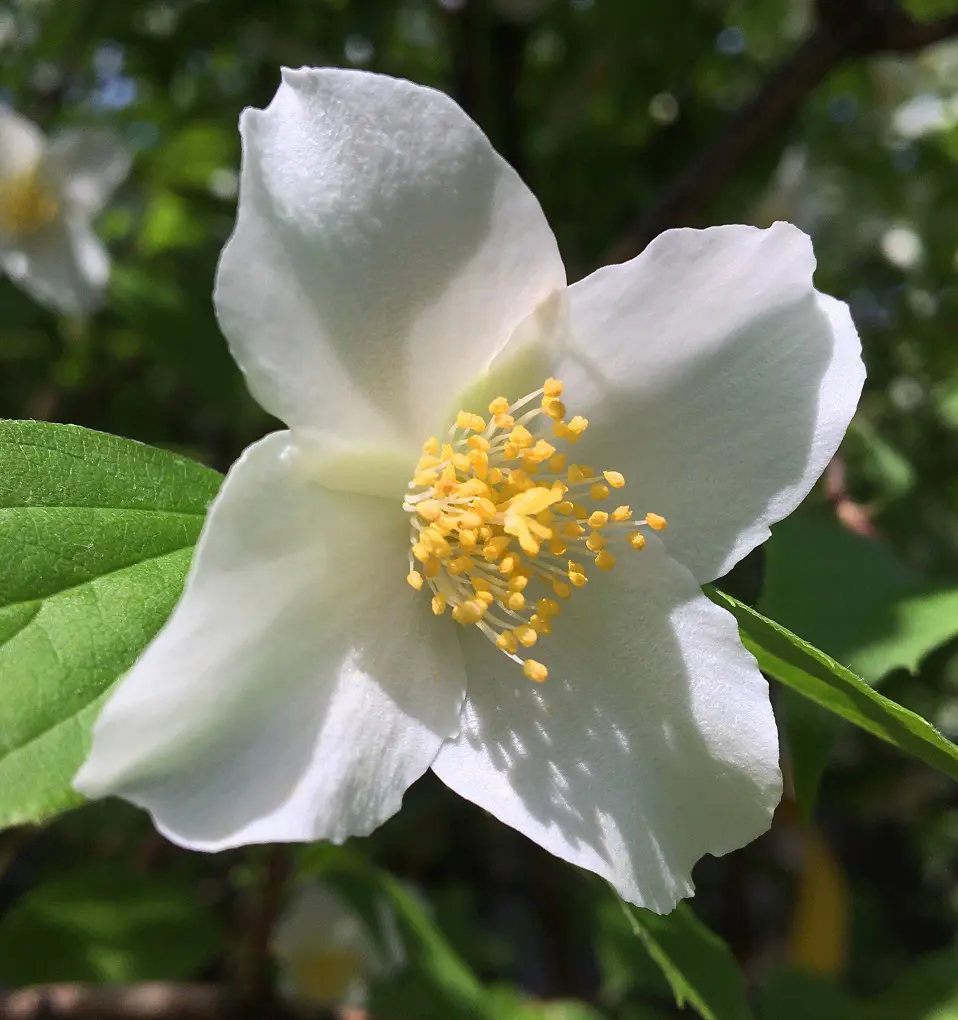
The Mock orange is a deciduous shrub found in Europe and North America and is renowned for its fragrant white blooms. These blooms, which appear in late spring and persist until early summer, have a sweet aroma reminiscent of orange blossoms and are frequently borne in clusters.
Mockorange thrives in full to partial light and well-drained soil, making it a versatile landscape plant. Its thick growth habit makes it ideal for hedges and screens, and its versatility enables foundation plantings or specimen placement.
Even when the flowers have faded, Mock orange provides a backdrop of green foliage throughout the season.
7. Night-Scented Stock
The Night-Scented Stock is a subtle beauty that exerts to enchant after dark. While its white, pink, or lilac blossoms appear delicate during the day, they take on a different appearance at night.
As the sun sets, the blossoms unfold, releasing a mesmerizing aroma that is frequently described as sweet and enticing.
This nightly show occurs from June to August. Night-scented stock, planted near patios or walks, provides gardeners with a lovely sensory experience under the nighttime sky.
8. Night-Blooming Phlox
The Night-Blooming Phlox, in botanical terms known as Zaluzianskya, is attractive not for its daytime look, but for its nightly change. This South African native blooms small, white, daisy-like flowers only after sunset, delivering a wonderfully sweet fragrance indicative of honey and vanilla.
This evening display is an adaptation designed to attract night-pollinating insects, mainly moths, with its alluring perfume. While some varieties have blooms that open throughout the day, they frequently lack the strong aroma of their twilight-flowering relatives.
Regardless of when it blooms, Night-Blooming Phlox are small fragrant flowers that provide a lovely sensory experience for gardeners looking to extend the fragrant joys of their landscapes into the night.
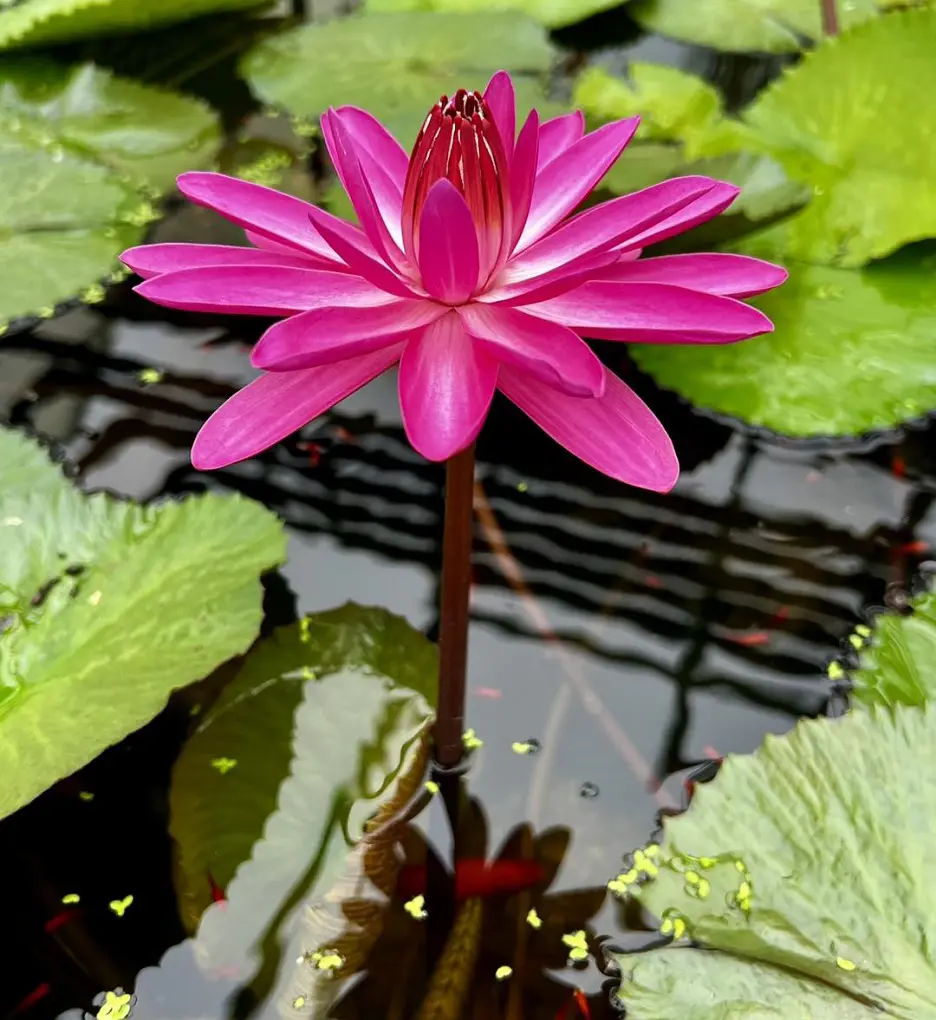
The breathtaking beauty of the Night-Blooming Water Lily is shown when it is dark. In contrast to its nocturnal cousins, this lovely aquatic flower opens its flowers at twilight, turning calm ponds into a sight to see. Its round flowers are available in a range of hues, with red and white being the most popular.
The blooms may typically reach up to 10 inches in diameter. The Night-Blooming Water Lily's actual charm, though, is in its scent. The air fills with an attractive perfume as night falls, a pleasant, occasionally musky scent that can linger for surprisingly long.
This potent aroma is believed to draw insects that pollinate at night, allowing the bloom to continue growing even when the sun isn't out. The Night-Blooming Water Lily provides evidence of the undiscovered beauties of the evening environment.
10. Night Gladiolus
One charming member of the Gladiolus family that thrives in the opposing domains of visual delight and smell surprise is the Night Gladiolus (Gladiolus tristis). The Night Gladiolus, in contrast to its showy siblings, reveals its beauty beneath the cover of darkness.
Its creamy yellow, often striped, blooms open in the evening and releases a spicy, seducing perfume that is reminiscent of cloves and carnations. Not every member of the species, meanwhile, is capable of producing this nighttime spectacular.
The fragrant Night Gladiolus is a delight to behold in a moonlit garden, thanks to a recessive gene that controls the aromatic feature.
11. Lavender
Offering its unique, calming aroma, this fragrant perennial, lavender is essential in aromatherapy and landscaping. This Mediterranean-native perennial shrub has spikes of little purple blooms. Its fresh, flowery, and slightly camphorous scent is well known for being tranquil and relaxing.
Extracted from its blooms, lavender oil is widely used in soaps, fragrances, and medications to reduce anxiety and tension. Additionally useful in cooking, lavender adds taste to food and drinks.
The plant is a popular choice for gardeners looking for both fragrance delight and visual beauty because of its ability to grow in sunny, well-drained conditions.
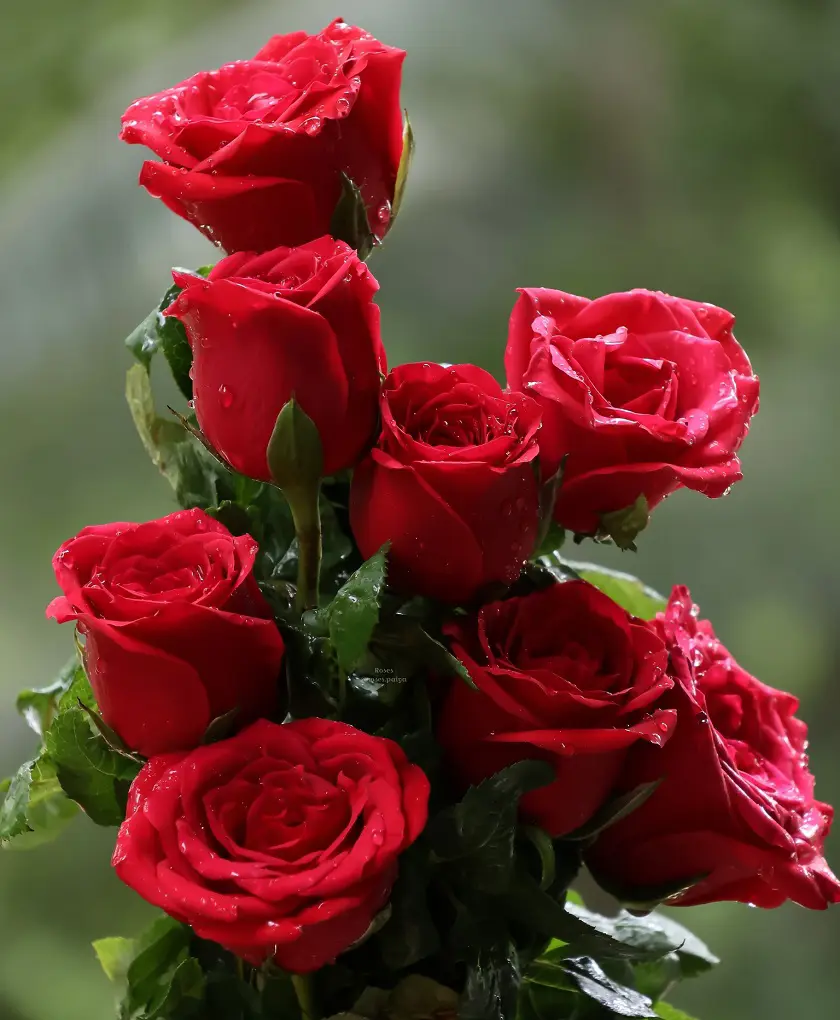
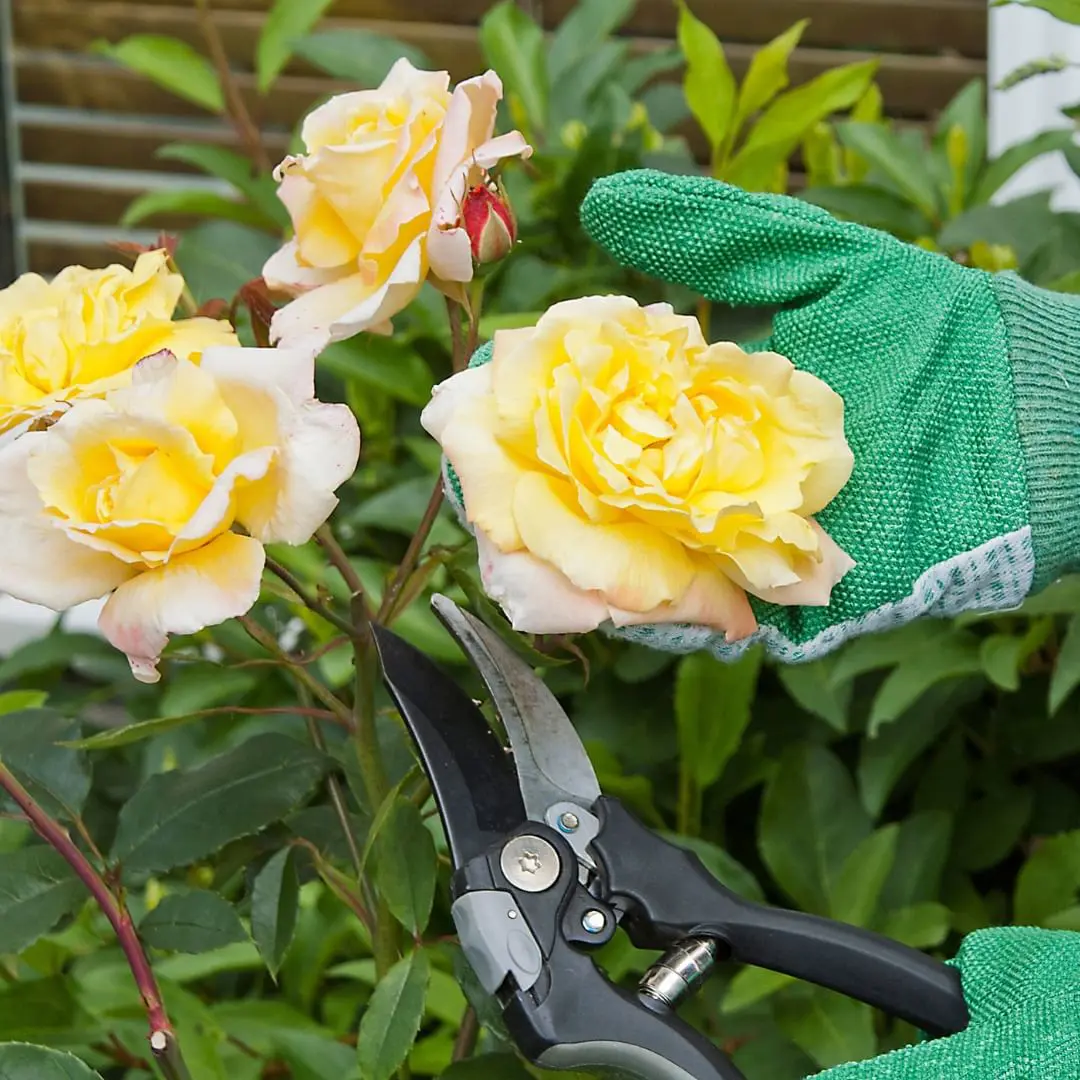
Featuring over 300 different species and a perfume that ranges from sweet to spicy, roses, the fragrant shrubs are a symbol of elegance and love. The fragrance of roses is derived from their petals, which are generally characterized as rich and heady.
Different types of roses have distinct olfactory characteristics, such as the Damask rose, which has a strong, traditional scent. This famous flower is essential to perfumery, as rose water and oil are highly valued.
The rose is not just a fragrant flower but it has great cultural and metaphorical meaning, signifying passion, beauty, and secrecy ("sub rosa"). Roses are versatile flowers for gardens and bouquets since they grow best in well-drained soil with lots of sunlight.
13. Sweet Pea
Sweet pea flowers are admired for their lovely aroma, which is sweet and slightly spicy. These Mediterranean-bred annual climbers have delicate, ruffled blooms that come in a variety of colors.
Their aroma, which is sometimes compared to a combination of honey and orange blossom, is a mainstay in perfumery. Sweet peas need rich, well-drained soil that receives lots of sunlight to flourish in chilly areas.
Their captivating scent and visual allure make them attractive in gardens and as cut flowers. Sweet peas, which stand for delicate and pleasant pleasure, are frequently used in flower arrangements to express gratitude and happiness.
14. Honeysuckle
The aroma of honeysuckle is beloved because it is sweet and nectar-like, and it gets stronger in the evening. Native to the Northern Hemisphere, this climbing vine bears tubular flowers that might be white, yellow, pink, or red.
Due to its honeyed, floral undertones, the honeysuckle aroma is popular in gardens and is frequently utilized in perfumes. Pollinators are drawn to the flowers, especially butterflies and hummingbirds.
Honeysuckle, one of the fragrant bushes is a popular choice for trellises and fences because it grows well in well-drained soil, full sun to moderate shade. Honeysuckle is said to represent committed love and the ties that bind.
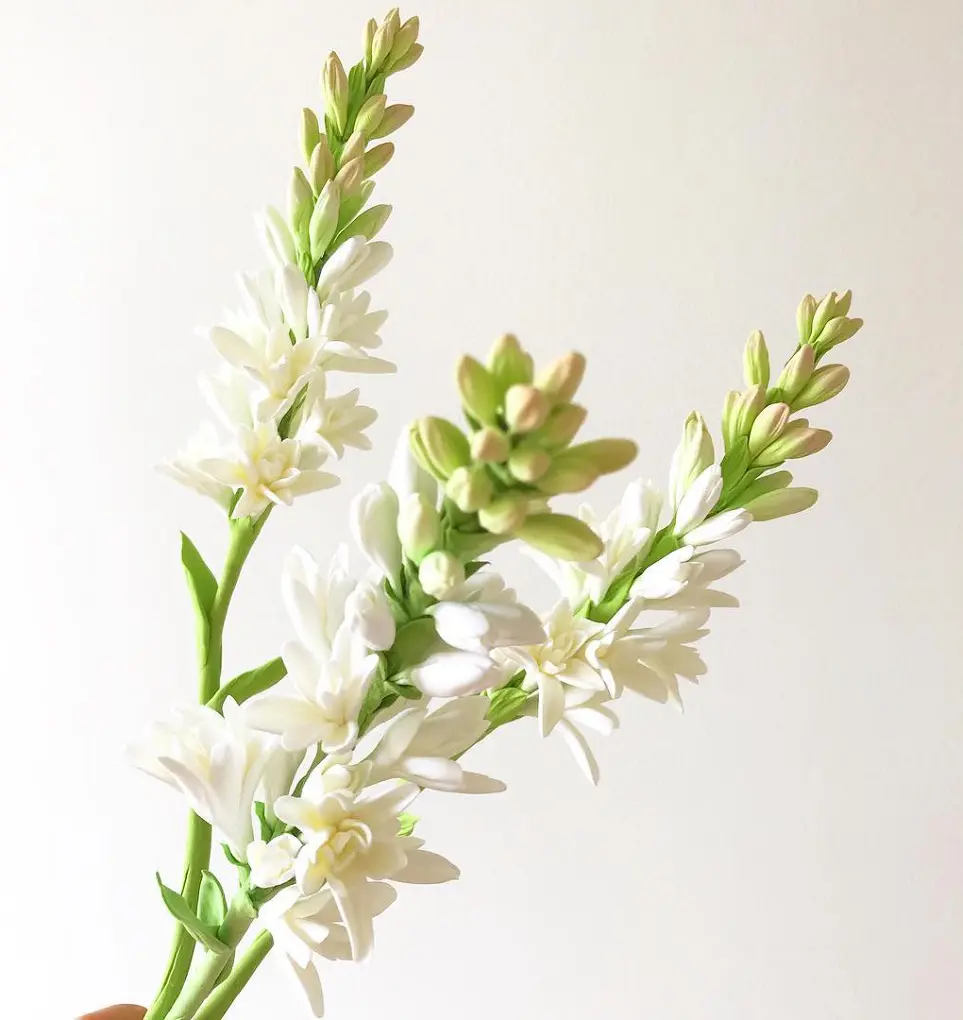
The rich, exotic scent of tuberose is well known for being sweet, creamy, and somewhat spicy. This perennial plant, native to Mexico, bears clusters of waxy white blooms on towering spikes. High-end perfumers swear by the smell of tuberose, which is frequently included as a middle or base note.
Celebrated in many cultural festivals, tuberose blossoms are emblematic of passion and sensuality. They like conditions that are warm, sunny, and have well-drained soil.
Because of its relaxing and aphrodisiac qualities, tuberose is also utilized in aromatherapy and traditional medicine, which adds to its appeal.
16. Plumeria
The tropical fragrance of plumeria, commonly referred to as frangipani, is well-known for being wonderful. These deciduous shrubs or small trees, native to Central and South America, bear waxy, spiral-shaped blooms in vivid colors of pink, red, yellow, and white.
Well-drained soil and warm, sunny weather are ideal for plumeria growth. In the evening, when its scent is strongest, it draws moths and other nocturnal pollinators. In tropical climates, plumeria is frequently used in leis and floral arrangements.
It is a symbol of beauty, charm, and a fresh start in many civilizations. Because of its relaxing qualities, plumeria flower essential oil is also widely used in aromatherapy and perfumes.
17. Freesia
Freesias are popular for their gorgeous, trumpet-shaped blooms and pleasant, lemony aroma. These herbaceous perennials, which are native to South Africa, are colored in a range of shades, including white, yellow, pink, and purple. Freesias prefer full sun to partial shade and well-drained soil.
In perfumery, its delicate scent is highly valued since it infuses fragrances with a refreshing, floral tone. Freesias, which stand for purity, friendship, and trust, are also frequently used in floral arrangements and as cut flowers.
The plant is a favorite of both gardeners and flower enthusiasts due to its abundance of blooms and attractive perfume.
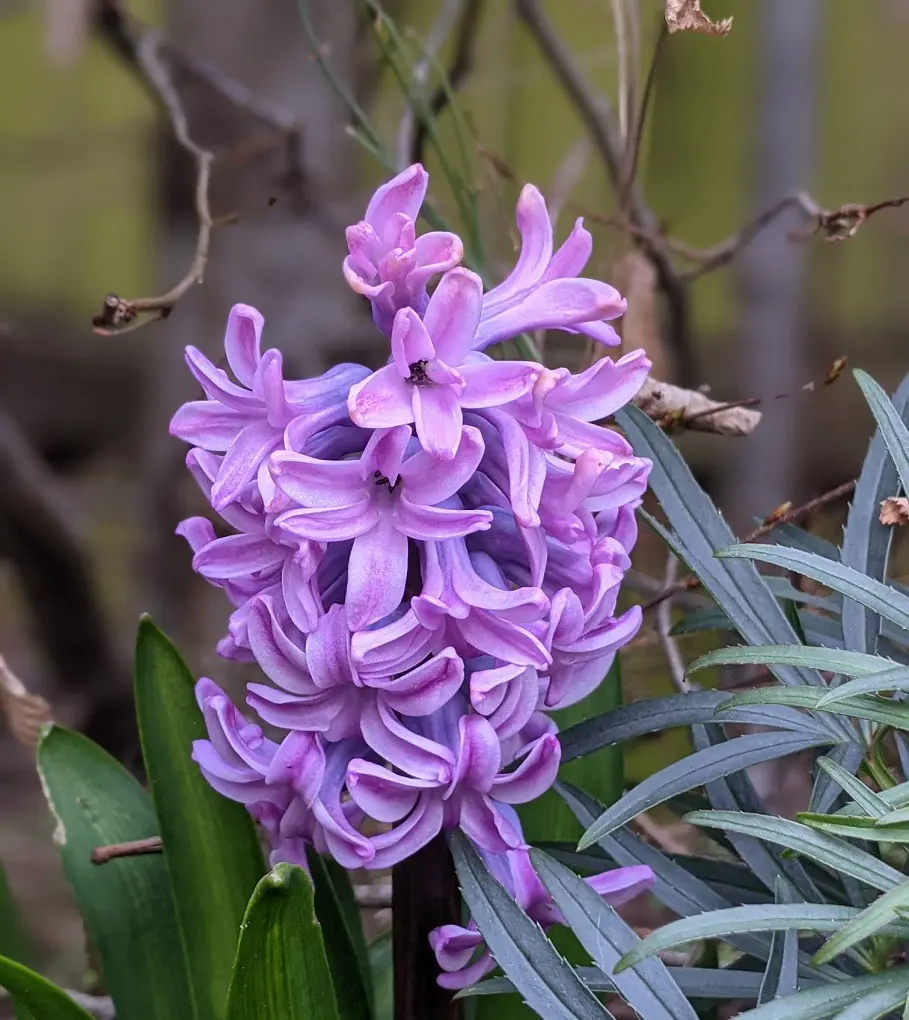
Hyacinths are cherished for their vivid, bell-shaped blooms as well as their potent, pleasant scent. These fragrant blue flowers, which are native to the Eastern Mediterranean and Central Asia, bloom in the early spring, forming dense spikes of flowers with hues ranging from pink and white to blue and yellow.
Full sun and well-drained soil are ideal for hyacinth growth. Their fragrance is well-liked in gardens and is a common ingredient in perfumes.
Hyacinths are a favorite for floral arrangements and yard displays because they signify rebirth and the approach of spring. Hyacinths' vibrant blooms and potent scent draw pollinators, increasing the biodiversity of gardens.
19. Mimosa
Mimosa is a stunning plant that dazzles with its vivid golden-yellow blossoms and delicate, sweet scent. Mossa flowers, which bloom from late winter to early spring, create fluffy clusters that brighten landscapes with their cheery color and enticing scent which is a bit like honeyed violets.
Mimosas are native to Australia, but they have spread throughout temperate regions of the world, particularly the Mediterranean, as popular ornamental plants. Its delicate scent is highly prized in perfumery, where it gives a warm, powdery tone to floral combinations.
Beyond just being beautiful, mimosas have cultural importance; on International Women's Day in Italy, they are customarily given as gifts. In addition to producing nectar for pollinators, the tree helps ecosystems by stabilizing soil through regeneration.
20. Hoya
Hoya, also known as the Wax Plant, enchants with its star-shaped, waxy blossoms that smell like honey. These blossoms, which display colors ranging from white to pink, cluster in umbels and bloom from spring through summer.
Originating in Southeast Asia and Australia, Hoya is a common indoor plant that is appreciated for its elegant, fragrant blooms and trailing vines. It is a favorite for indoor enjoyment since its aroma becomes stronger in the evening.
Among the most fragrant flowers, Hoyas are popular houseplants because they require little care and do well in bright, indirect light. Hoya flowers are prized for their exotic and pleasant scent, which is why perfumers use them in addition to their aesthetic charm.