Is the summer sun turning your patio into a fly freeway? Do buzzing wings constantly interrupt your outdoor meals or peaceful relaxation? Instead of resorting to endless swatting and chemical sprays, you can fight back with fly-repellent plants!
These fragrant flora not only deter flies with their strong scents, but many are also beautiful additions to your garden. These fragrant flora go beyond mere aesthetics. Here are some of the best fly-repellent plants to grow in your garden to create a peaceful and buzzing-free zone!
1. Venus flytraps
Venus flytraps are natural fly repellent and a fascinating addition to this list, though they take fly-repelling to a whole new level! These carnivorous plants lure flies in with sweet nectar, then snap shut their leaves, trapping and digesting the insects.
It's important to note that Venus flytraps require specific care conditions to thrive. They need plenty of sunlight, moist (but not soggy) soil, and humidity. They're not ideal for beginners or for placing directly in most outdoor gardens, but they can be a fun conversation starter on a patio or balcony.
But if you're looking for a unique addition to your home and enjoy providing the specific care a Venus flytrap needs, it can be a rewarding insect control method. While most fly repellent plants thrive outdoors, Venus flytraps can be a unique indoor fly repellent plant, but they do require specific humidity and sunlight conditions.
Cobra Lily is among the carnivorous plants that repel flies and is a fantastic addition to your garden. This carnivorous plant, native to California, attracts flies with a sweet nectar scent. But how does it work, you ask? The flies enter the pitcher-shaped hood but then find themselves trapped by downward-pointing hairs.
The flies eventually drown in a pool of digestive fluid at the bottom of the pitcher, where the cobra lily absorbs their nutrients. While the cobra lily is effective at catching flies, it's important to note that it's not the easiest plant to grow.
3. Tarragon
Tarragon is a versatile herb used in French cuisine for dishes like béarnaise sauce and chicken fricassee. It is relatively low-maintenance and thrives in well-drained soil and full sun. There are two main varieties: French tarragon, which is more prized for its flavor, and Russian tarragon, which is hardier but has a milder taste.
This flavorful herb offers a natural defense against flies with its distinct licorice-like aroma. It's fly-repelling properties may not have as wide a range as some other plants on this list. Planting it in close proximity to your seating area might be necessary for optimal effectiveness.
Furthermore, planting tarragon near doorways, windows, and other potential fly entry points creates a natural barrier. The strong scent deters them from entering your home in the first place. Also, strategically placing tarragon pots around patios, decks, or picnic areas can significantly reduce fly annoyance while you enjoy your outdoor space.
4. Garlic
Garlic is not only a tasty spice but also an amazing house fly repellent. While garlic might not be the first plant that comes to mind for your garden, but it actually offers a surprising benefit. Garlic is thought to repel flies due to the strong odor it releases, particularly when crushed or chopped. This odor comes from allicin, a sulfur-based compound produced by garlic as a defense mechanism.
So, to successfully repel flies, plant garlic cloves around the perimeter of your garden bed or near seating areas where flies tend to congregate. As the garlic grows, it will release its odor, helping to deter flies. Or you can also create a garlic spray by soaking chopped garlic cloves in water for 24 hours and spraying it on plants or around your patio area.
5. Rosemary
Rosemary is a beautiful and versatile herb that not only adds a delicious flavor to your cooking but also repels flies with its fragrant aroma. Yes, you heard it right. The strong scent, pleasant to humans, is a major turn-off for flies. Rosemary is considered one of the amazing bug repellent plants for several reasons, one of them being its sharp needle-like leaves.
This spiky foliage creates a dense barrier that's uncomfortable for flies to land on. Similarly, its dense foliage can disrupt the airflow, making it harder for flies to detect the attractive scents they're looking for, like rotting fruit or garbage.
Combined with rosemary's essential oils' strong, fly-repellent aroma, the sharp leaves create a double-whammy defense system that discourages flies from venturing near your garden or patio.
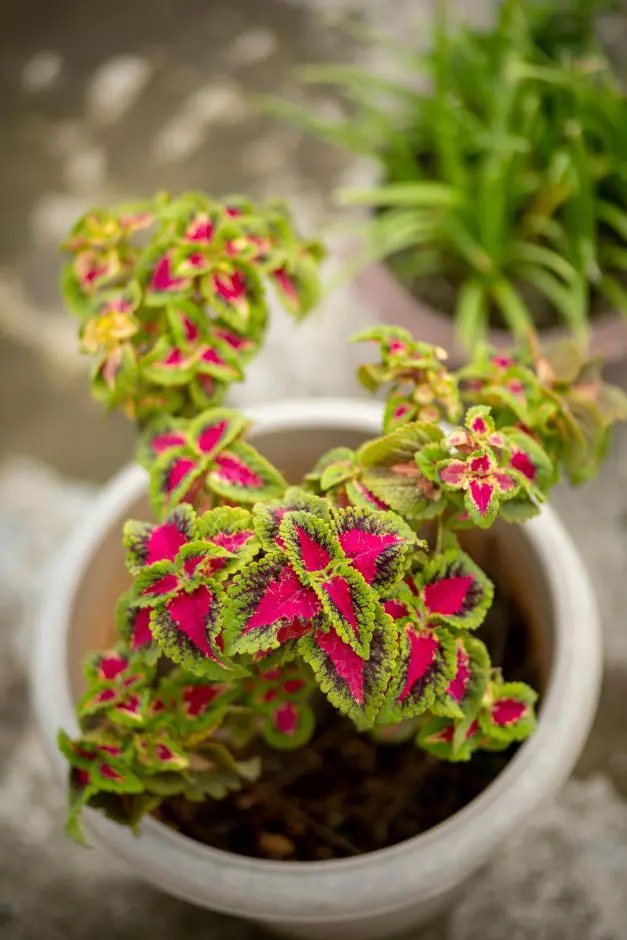
Coleus is another interesting addition to the list of fly-repellent plants. Don't be fooled by the vibrant colors and interesting patterns of coleus foliage because the strong scent emitted by these low-maintenance plants is not only unpleasant to flies but also repels mosquitoes and other unwanted insects.
While the exact science behind coleus' fly-repelling properties is not fully understood, many gardeners swear by its effectiveness. For maximum effectiveness, plant coleus around your patio or seating areas where flies tend to congregate. Also, consider planting coleus as a companion with other fly-repellent plants like marigolds or lavender for an extra layer of defense.
Coleus's stunning foliage makes it a perfect choice for adding a pop of color to your garden beds or borders. So, plant them in areas where you want a visual focal point, away from where flies tend to congregate. Since coleus' fly-repelling properties are mild, consider planting it alongside stronger fly repellents to create a more effective zone of deterrence.
7. Nasturtiums
Nasturtiums are one of the best fly repellent as it emits a peppery scent from their leaves and flowers that deters flies and other insects. These vibrant flowering plants not only add a touch of cheer to your garden but also help keep flies at bay.
They are easy to grow from seeds and thrive in well-drained soil and full sun. They come in a variety of colors, including orange, yellow, red, and purple, making them a versatile choice for any garden design. An added bonus is that both the nasturtium flowers and leaves are edible and can be used in salads or as a colorful garnish.
8. Pennyroyal
For sure, Pennyroyal makes a wonderful plant that insects like to avoid, but it's important to be aware of its insane toxicity, especially if you are planning to keep it indoors! Pennyroyal is a toxic plant. So, ingestion in large quantities can be dangerous or even fatal, especially for children and pets.
This is a major concern, especially for indoor spaces where children or curious animals might be present. Yes, this will get the job done, but it has to be placed strategically around your home, keeping it away from pets and children.
Sage is a perennial herb native to the Mediterranean region. Its essential oils emit a strong, peppery scent that is unpleasant to flies and other insects, making it a natural fly-resistant plant. In fact, the strong scent can confuse flies and make it difficult for them to locate food sources.
Sage's fly-repelling properties are most effective in a concentrated area. While it may help deter flies near the plant, it might not be as effective for repelling flies throughout a large room. Also, the aroma can be overpowering for some people. So, it's best to place it in a well-ventilated area where the scent won't be bothersome.
10. Basil
Planting basil around your patio is a great way to utilize a fly repellent plant outdoors while adding a delicious herb to your kitchen. Basil possesses strong-smelling essential oils emitting a scent that flies find unpleasant.
This strong aroma disrupts the flies' sense of smell, making it difficult for them to locate food or breeding sites. While the exact scientific explanation behind basil's effectiveness is still being explored, many gardeners swear by its power to repel flies.
For maximum effect, strategically placing your basil plants is the key. Thus, plant them near doorways, windows, or outdoor seating areas to create a natural barrier against flies trying to enter your home or patio. Also, consider planting basil alongside other rosemary or lavender for an extra layer of defense against these pesky insects.
11. Catnip
Catnip is a fascinating plant with a curious effect. While it sends felines into a frenzy of euphoria, it repels flies with equal intensity. It contains a potent essential oil called nepetalactone, which is a compound that triggers playful excitement in cats and is highly unpleasant to flies.
The strong aroma of nepetalactone disrupts a fly's sense of smell, making it difficult for them to find food or breeding sites.
This essentially makes your patio or garden unappealing to them. As mentioned earlier, this plant attracts cats, so, if you plant catnip, be prepared to potentially attract neighborhood cats as well. While this might be a plus for cat lovers, it's something to keep in mind if you think otherwise!
12. Lavender
Lavender is a beautiful and versatile plant that not only adds a touch of elegance to your garden with its gorgeous purple flowers, but it's also a champion fly repellent. Lavender possesses fragrant essential oils that emit a scent delightful to humans, but utterly repulsive to flies. Not only does lavender repel flies, but it's also a low-maintenance herb that thrives in well-drained soil and full sun.
You can use the fragrant flowers for culinary purposes or to create calming potpourris. Plus, it can be planted directly in the ground, in pots, or even grown indoors near sunny windows. This allows you to strategically place it wherever flies tend to congregate.
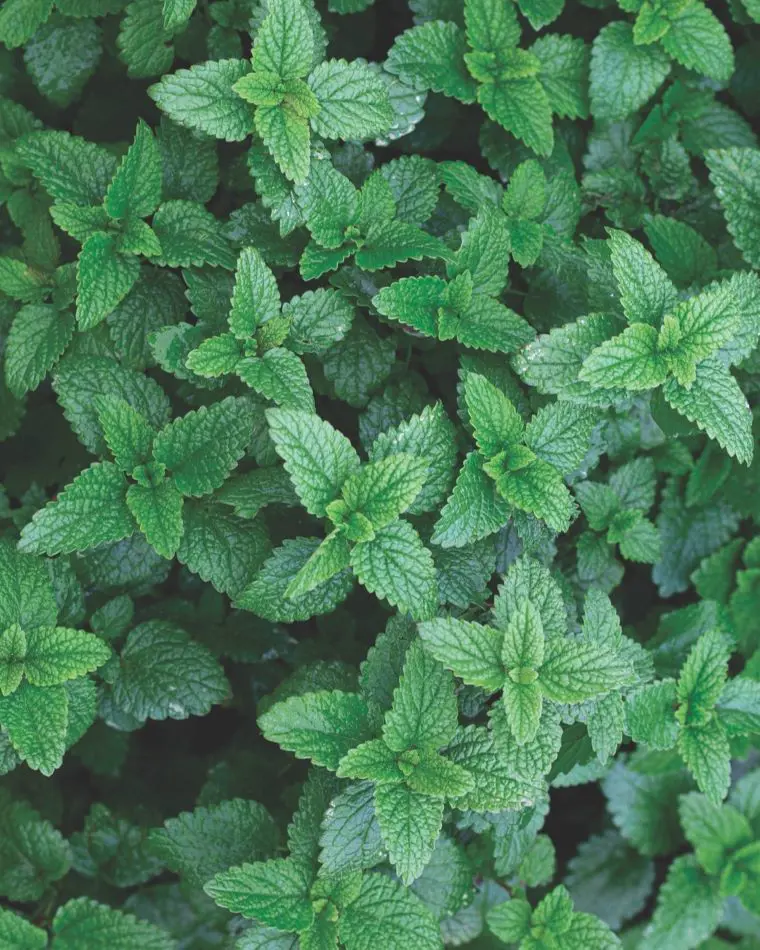
Lemon balm is a fragrant herb that offers a delightful citrusy scent to your garden and does double duty by repelling flies. It contains essential oils that emit a strong lemon aroma. While we find this scent refreshing, flies find it quite offensive. This strong citrusy scent disrupts a fly's sense of smell, making it difficult for them to locate food sources or breeding sites.
Your garden basically becomes an olfactory no-fly zone for them. In addition to repelling flies, lemon balm is a versatile herb with culinary and medicinal uses. The leaves can be used in teas, salads, or even as a garnish for refreshing summer drinks.
14. Mint
Mint is a popular herb known for its refreshing flavor and invigorating aroma. But did you know it's also a natural fly repellent? Yes, it contains essential oils that emit a strong menthol scent.
While humans find this scent refreshing, flies find it quite offensive. The strong menthol aroma disrupts a fly's sense of smell, making it difficult for them to locate food sources or breeding sites.
Essentially, your garden becomes an unappealing and confusing environment for them. Mint is also a fast-growing and relatively low-maintenance herb. It thrives in well-drained soil and prefers partial shade to full sun. However, be aware that mint can be invasive, so planting it in pots is recommended to control its spread.
15. Bay Laurel
Bay laurel leaves contain essential oils that release a strong, somewhat peppery scent. This aroma, while pleasant to humans in small doses, is quite unpleasant to flies. Besides its fly-repelling properties, bay leaves are a staple in many cuisines, adding a subtle depth of flavor to soups, stews, and sauces.
The beautiful leaves can also be used for decorative purposes. It is also a relatively low-maintenance plant that thrives in well-drained soil and prefers full sun to partial shade. Once established, it requires minimal care.
16. Lemongrass
Lemongrass contains citronella oil, a well-known insect repellent. This oil emits a strong, lemony aroma that deters flies and other flying insects. In addition, lemongrass can be grown in pots or directly in the garden, although it may require winter protection in colder climates. This allows you to place it strategically near doorways, patios, or outdoor seating areas.
Unlike some fly-repellent plants, lemongrass's citrusy scent is refreshing and enjoyable to humans. It adds a touch of vibrancy to your garden. Occasionally crushing the lemongrass leaves can release a stronger burst of aroma, further deterring flies.
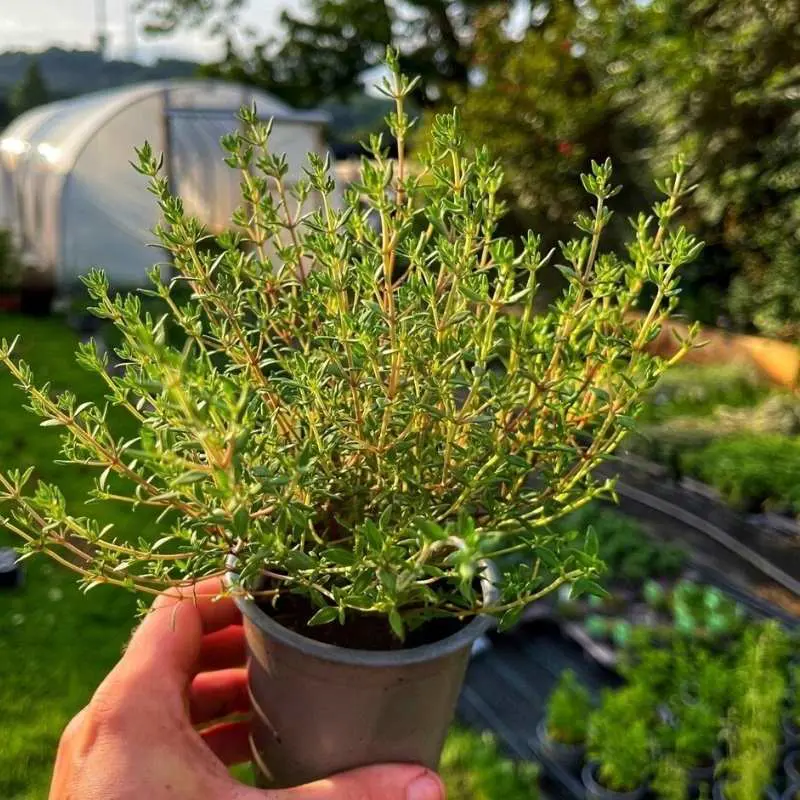
Thyme is a tiny but mighty herb that not only adds delicious flavor to your meals but also packs a punch when it comes to repelling flies. It possesses fragrant essential oils that emit a strong, somewhat thymol-like scent. While this aroma is delightful to humans in small doses like in roasted vegetables, it's utterly unpleasant to the flies.
Besides, thyme's creeping growth habit allows it to form a dense mat, creating a natural barrier against flies trying to land on your patio or near doorways.
18. Wormwood
Wormwood may seem like a handy all-in-one solution for your garden and home. It's easy to grow and has been traditionally used for centuries. However, there are some important safety considerations to keep in mind before incorporating wormwood into your routine.
The main concern lies in wormwood's toxicity. The plant contains a compound called thujone, which can be harmful if ingested or even absorbed through the skin in large amounts. This is a major risk, especially in gardens frequented by children or pets who might be curious about the plant. Even direct skin contact can cause irritation.
While some anecdotal evidence suggests wormwood might repel flies and mosquitoes, scientific research on its effectiveness is inconclusive. Additionally, the strong, bitter odor of wormwood can be unpleasant indoors.
Marigolds are not only beautiful additions to your garden, but they're also effective fly repellent plants. They are low-maintenance and come in a variety of colors to add cheer to your garden. They are also easy to care for and thrive in well-drained soil and full sun.
These brightly colored flowers deter flies with their strong scent. It is because marigolds emit a strong-smelling oil called thiophene, which is unpleasant to flies and other insects like aphids, nematodes, and beetles.
Therefore, planting marigolds as a border around your vegetable garden can create a protective barrier against flies and other pests. Also, placing them near doors, windows, or other potential fly entry points can deter them from entering your home. Similarly, putting the flowers in the outdoor seating areas in pots or borders around patios, decks, or picnic areas can significantly reduce fly annoyance while you enjoy your outdoor space.
20. Southernwood
Southernwood is a beautiful and versatile perennial shrub that offers more than attractive feathery foliage. This aromatic plant boasts a powerful secret weapon: its ability to repel flies and other unwanted insects. Like the above-mentioned plants, flies are offended by Southernwood's smell.
It boasts feathery, grey-green leaves that add a touch of elegance and texture to your garden borders or containers. This low-maintenance plant thrives in well-drained soil and prefers full sun. Once established, it requires minimal care, making it a great choice for busy gardeners.