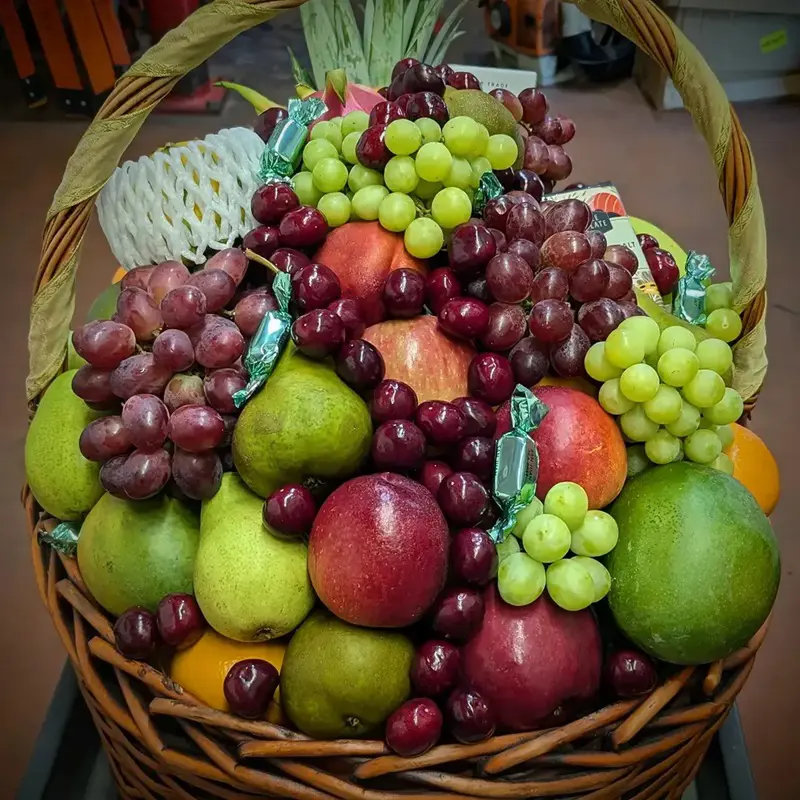
As spring and summer say their goodbyes, it's time to welcome fall and its fantastic seasonal fruits that we all adore. If you're not sure what's in season or how to use the abundance of produce filling your fruit shelves, you're in the right place.
Here's a helpful list of some popular fall fruits along with ideas to help you enjoy the season's harvest to the fullest. And please, do yourself a favor and bolster your diet with these 15 fall fruits.
1. Apples
Apple is one versatile fruit that is available all year long. Craving an apple during the harsh winter? Got you covered! Apples not only serve as a typical fall fruit but is also rich in dietary fiber, antioxidants, and vitamins C and K.
It is also a staple in many diets, enjoyed fresh, baked, or juiced. Whether you prefer your apples sweet or tart, there's an apple for everyone! So the first fruit you can consider during this fall is apples.
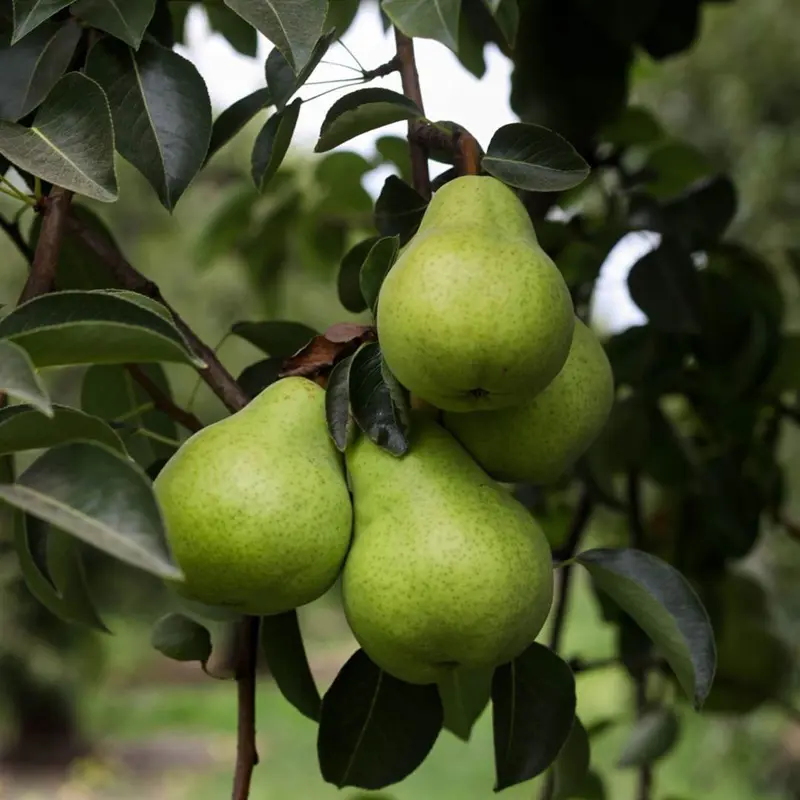
Pears are literally the underdogs of the fruit world. Although pears are often neglected in the presence of apples but once you give a pear a go, it's a game changer. They’re loaded with fiber, vitamin C, and antioxidants. Plus, they’re low in calories which means you can eat them without that post-snack guilt trip.
You can either slice them into salads for a sweet crunch or bake them into pies for a cozy dessert or maybe even just eat them as is for a simple. They'll fit in anywhere just right.
3. Grapes
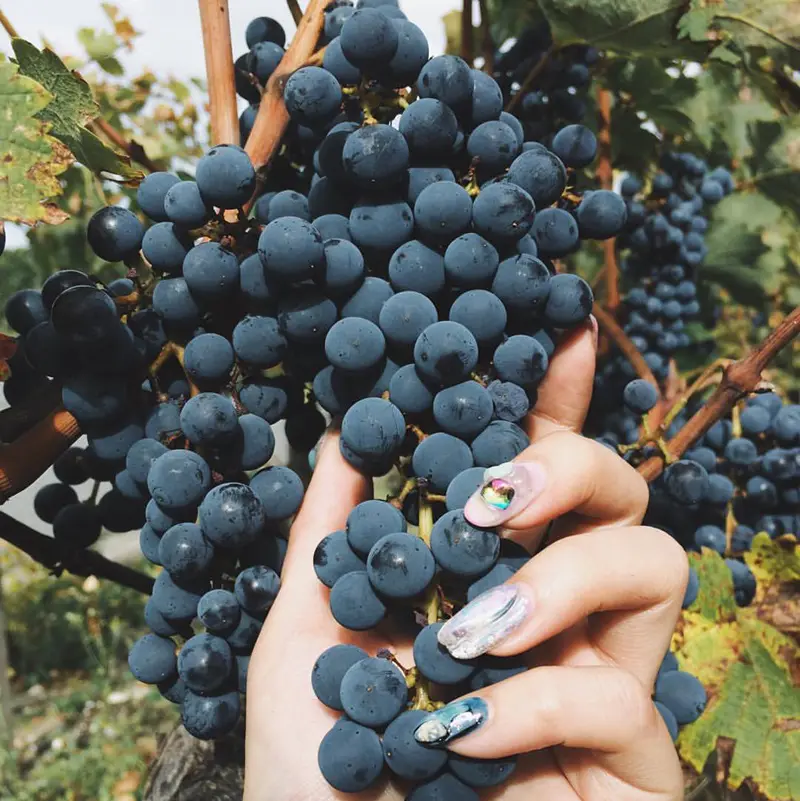
Grapes are the little orbs of delight that come in bunches. This makes them one ultimate snack. Look at the bright side, I mean grapes aren't just for snacking, they can fit into your salad bowl and can even be roasted.
They serve the purpose of versatility galore. Since grapes are packed with liquid, it's basically like drinking a tastier version of water. And wait! Let's take a moment to remember the grapes that transform into wine. This fall fruit won't disappoint you ever.
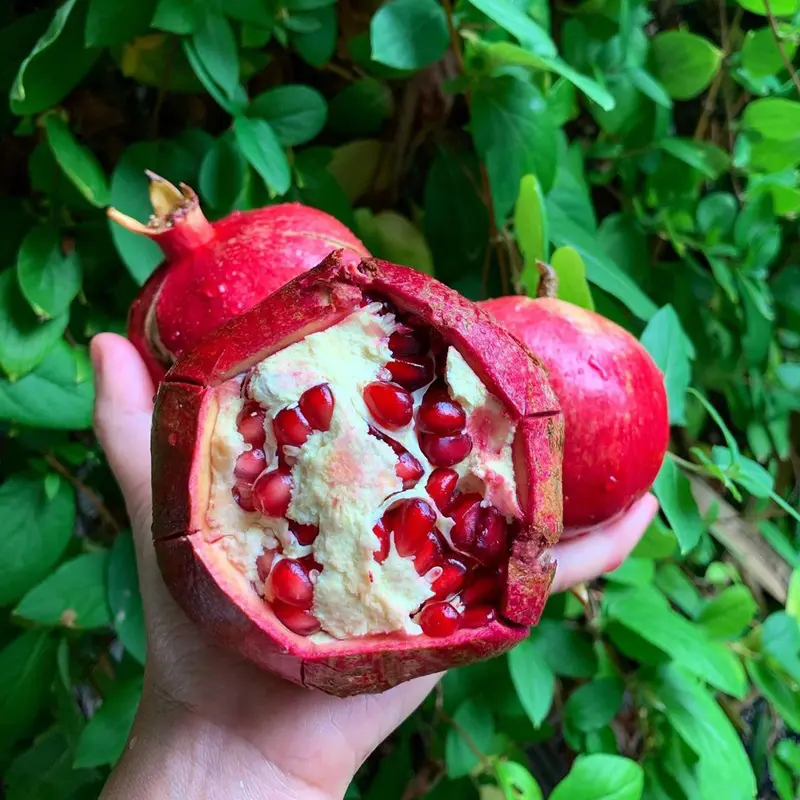
Also known as the "Jewel of the Fruit Bowl" we have none other than pomegranates on the list. At first glance, pomegranates might seem like a bit high-maintenance fruit but once you get to the core, it's all worth it.
Pomegranates are not only good-looking and tasty but they are really good for your health. You might find pomegranates a little difficult and require extra effort but the taste pays off the effort. Getting your hands on Pomegranates is worth trying for this Fall.
5. Persimmons
Persimmons have a history of being enjoyed for thousands of years across Asia. Not only are they delicious but are also filled with nutrients. Persimmons can be quite tricky but once you learn to select the right and ripe persimmon you might never wanna back off from adding persimmons to your grocery list.
They're orange in color and have a delicate, mildly sweet flavor that's unique. The ripe persimmons taste so sweet that it's almost like a custard. And yes they are the delight of charcuterie board.
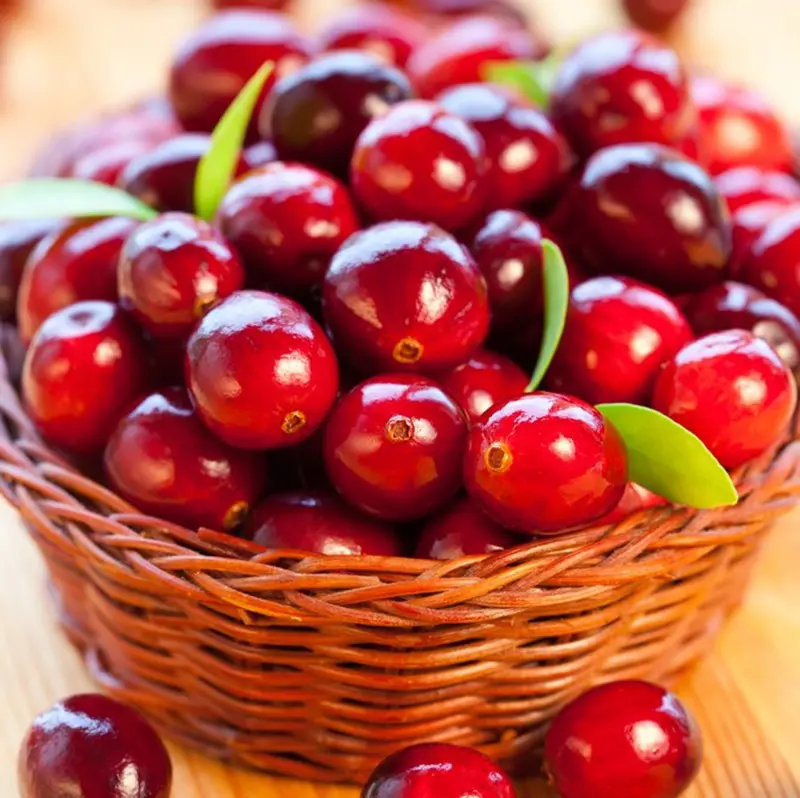
Did you know that cranberries have more disease-fighting antioxidants than almost any other fruit? Cranberries are known to support urinary tract health and have anti-inflammatory properties.
Cranberries are also the show-stopper during the Thanksgiving season. Harvesting cranberries adds a pop-up color to your culinary space as it can be used in a variety of dishes, from sauces and juices to salads and baked goods. Since cranberries are quite tart, they are rarely eaten fresh but are rather incorporated into various items.
7. Quinces
Quinces are to be harvested in the fall when they turn a golden yellow and have a fragrant aroma. Quinces don’t ripen much off the tree, so it is important to pick them at right time. They have a tart as well as a floral flavor that mellows beautifully when cooked.
One fact about quinces is that they were considered a symbol of love and fertility by the Greeks! This Fall if you ever wanted to taste a fruit that looks like it’s trying to be an apple but has the attitude of a pear, quinces are your go-to!
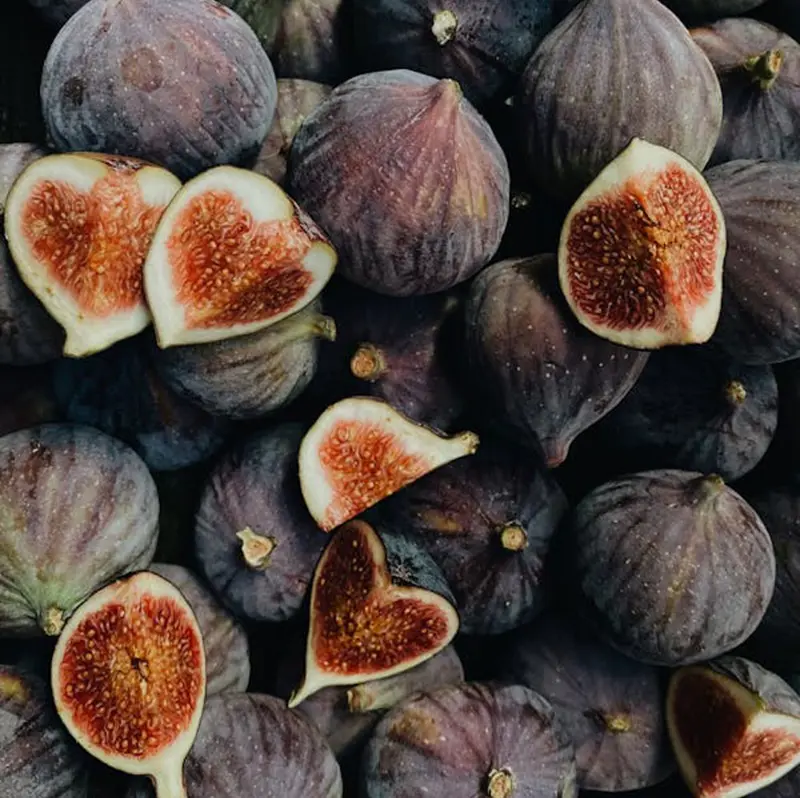
During Fall, figs should be harvested when they’re slightly soft to the touch and have a deep color. Figs have that sweet taste with a hint of earthiness. Figs are known to have a chewy texture with crunchy seeds inside. Fresh figs are juicy and delicious, while dried figs are concentrated and rich.
Figs are one of the few fruits that have seeds inside their fruit, making them a bit of a fruity paradox! It won't be fair not to call figs the life of the fruit basket! Figs work like magic if you have constipation.
9. Kiwis
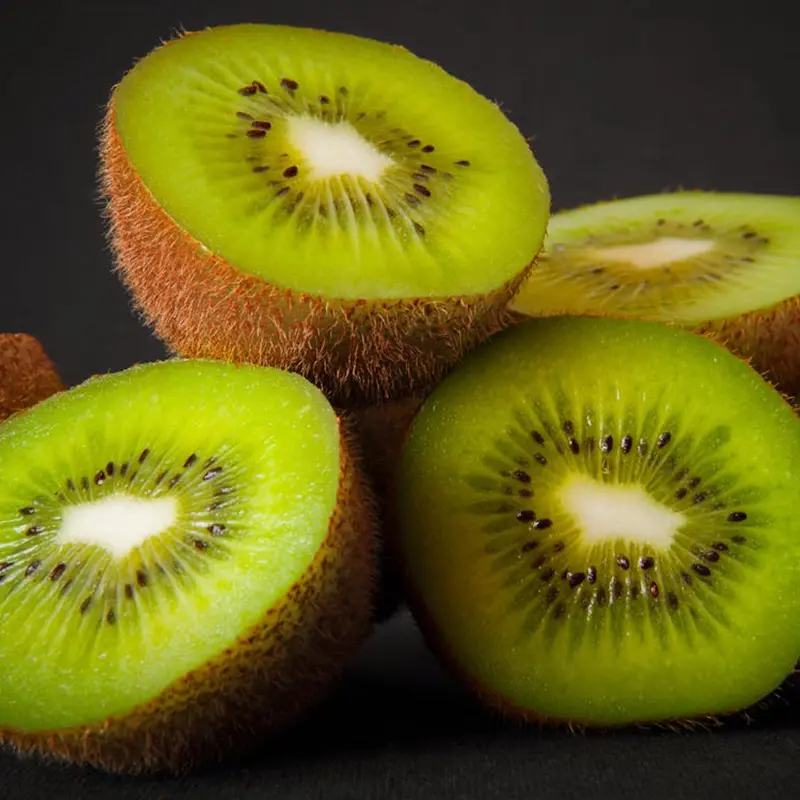
Kiwis should be harvested when they’re firm and then ripened at room temperature. Kiwi combines the flavors of pineapple, strawberry, and citrus. It’s a taste sensation that might make you question why you ever ate a plain apple.
Since Kiwi is loaded with vitamin C, it can boost your immune system and help your skin look fabulous. Before you decide on this fruit make sure its fuzzy hair won't cause you any allergy.
Correct me if I am wrong but no fruit beats the taste of plums. Late-season plums are rich and sweet with a tangy edge. Plums have that juicy, succulent texture that’s perfect for eating fresh or cooking into jams and sauces.
Plums are a great option for keeping your immune system strong. Plums can be harvested when they are bright red and feel soft to the touch. You won't regret getting your hands on plums this Fall.
11. Dates
Starting with history, dates are one of the oldest cultivated fruits with evidence of going back over 6,000 years. Dates are harvested in Early Fall when they are fully ripe. If you are harvesting dates yourself we would like to suggest you wait until they turn rich brown.
Talking about tastes, dates are sweet, chewy, and wonderfully caramel like in flavor. They are known to have high fiber and anti-oxidants that aid in digestion and provides full energy.
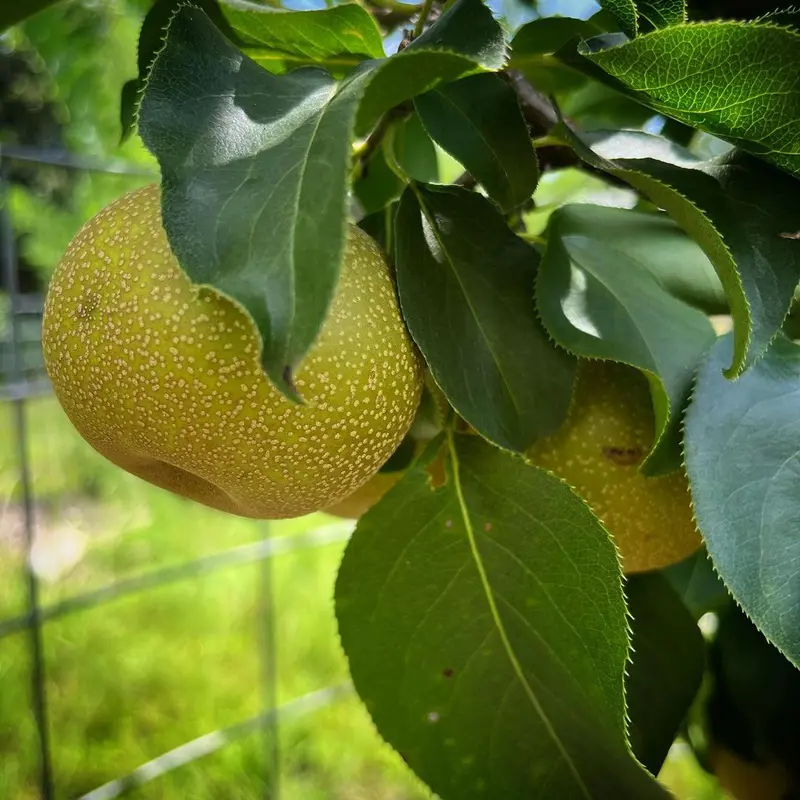
Asian pears are often referred to as “apple pears” due to their crisp texture. They are commonly used in salads and as snacks. Asian Pears are to be harvested when they are firm and fully colored. They don’t ripen much after picking, so it’s best to enjoy them fresh
They’re known for their refreshing crunch. It’s got the crunch of an apple but the elegance of a pear, making it a high-fashion fruit!
13. Guava
Guavas are those fall fruits that have a sweet, tropical flavor. The flavor can range from pear-like to a bit more citrusy, depending on the variety. They’re like a fruit cocktail in one bite.
Guavas should be harvested when they are fully ripe and fragrant. Guavas are packed with vitamin C and dietary fiber, which support your immune system and digestive health. They’re like a little health boost in a fruity package! This fall we sincerely suggest you to harvest guavas.
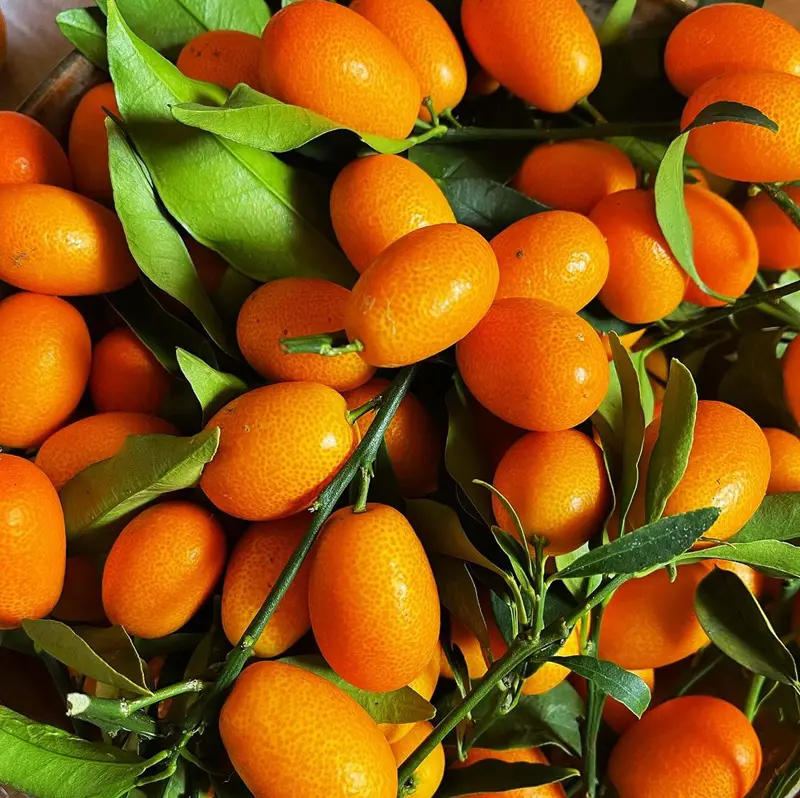
Kumquat is a small, oval-shaped citrus fruit with a bright orange, edible skin. The small citrus fruit is notably sweet, accompanied by its tangy and sometimes slightly bitter interior. Since the peel is edible, you always want to thoroughly wash a kumquat before you eat it.
Once it's good and clean, you eat a kumquat the same way you eat an orange. Furthermore, the fruit’s flesh is juicy and soft with a burst of sharp flavor.
15. Pumpkin
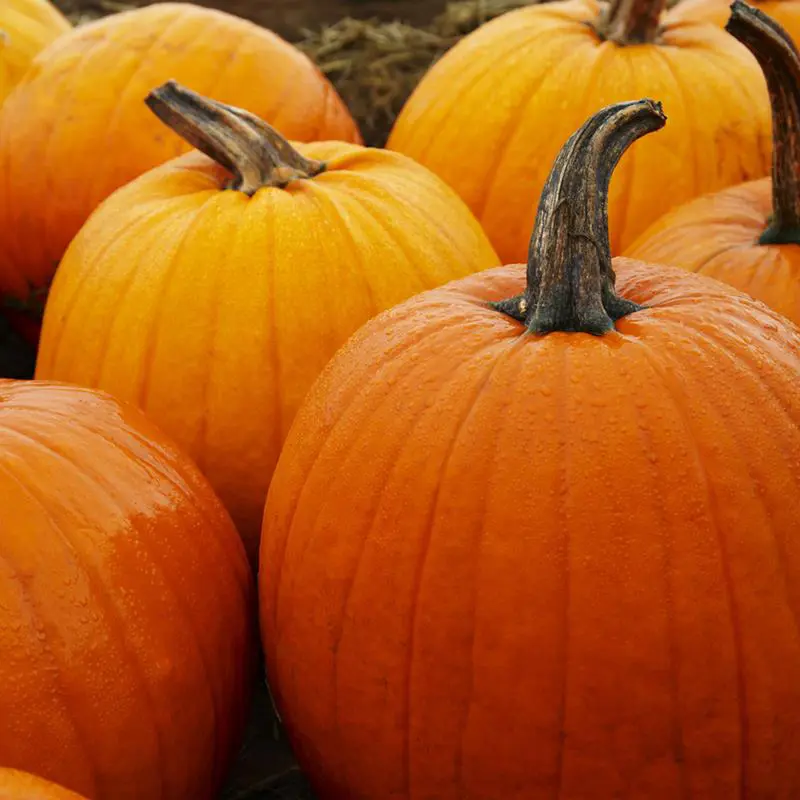
Pumpkin is a large, rounded fruit with a thick, ribbed outer rind. In terms of appearance, this fruit vegetable ranges from deep orange to pale yellow. Its flesh is dense and slightly sweet, with a creamy texture that becomes tender when cooked.
Known for its mild, earthy flavor, pumpkin is used in both savory and sweet dishes. Furthermore, their seeds are also roasted for a nutty taste and crunchy texture. Usually, pumpkins are a staple in cooking, symbolizing harvest time and featured prominently in holiday traditions.
Harvesting Fall Fruits
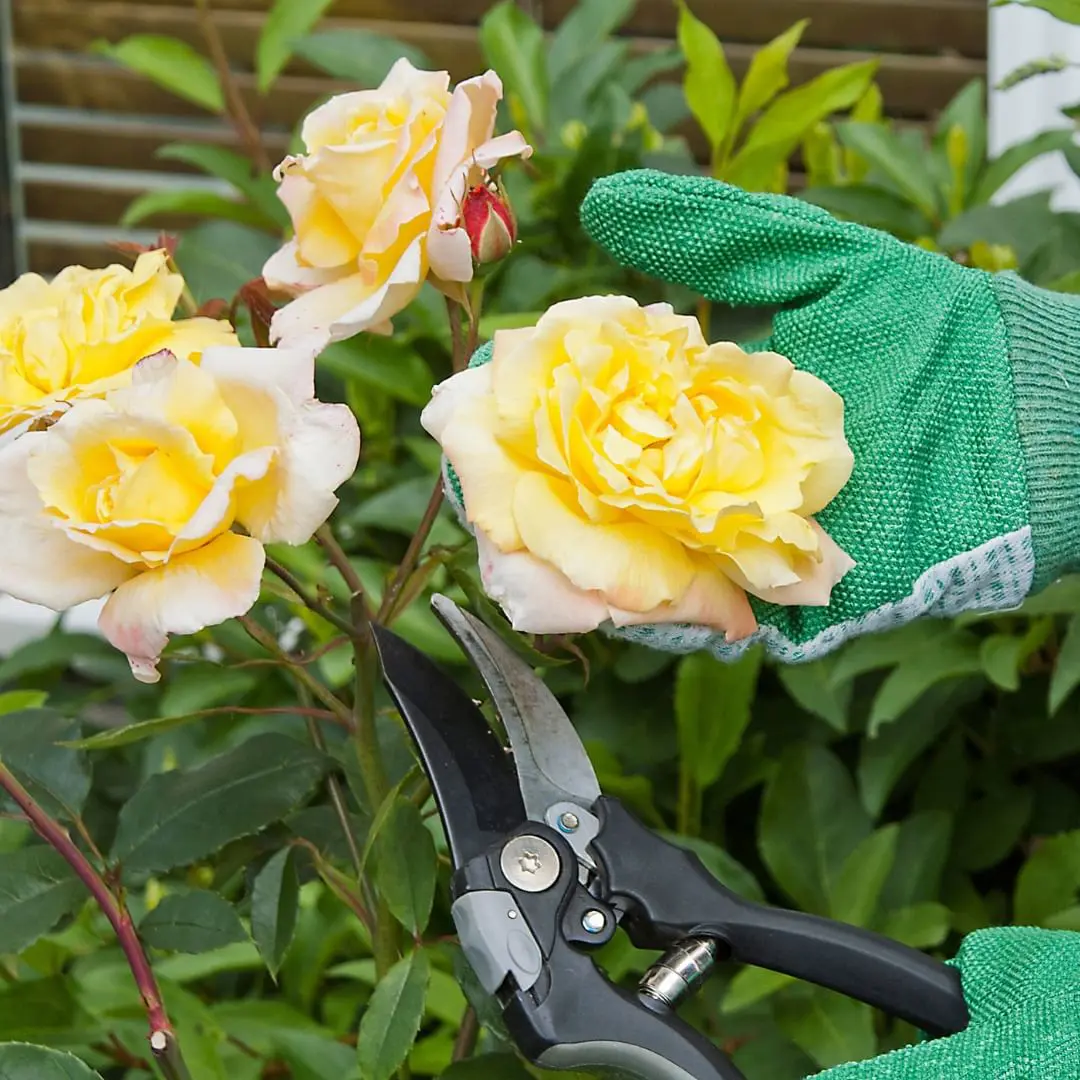
Harvesting fall fruits is one of the rewarding tasks. As the days shorten and temperatures cool, fruits like apples, pears, and pumpkins reach their peak ripeness. In order to pick the fruit that tastes the absolute best, you need to ensure they have reached its full color and firmness of course.
Properly harvesting these fruits not only ensures their best taste but also prepares your garden for the colder months ahead.
Storage and Area of Application
Apples
Storage: Store apples in a cool, dry place. In the refrigerator, they can last up to a month or more.
Uses: Apples can be eaten raw, baked into pies, made into applesauce, or added to salads. They're also used in jams and juices.
Pears
Storage: They should be eaten within a few days after ripening.
Uses: Pears can be enjoyed fresh, poached, or baked.
Storage: Store kiwis at room temperature until ripe. Once ripe, they should be kept in the refrigerator to extend their shelf life.
Uses: Kiwis are perfect for fresh eating, adding to fruit salads, or blending into smoothies. They’re also used in desserts and as a topping for yogurt.
Plums
Storage: Store ripe plums in the refrigerator for up to a week.
Uses: Eat plums fresh, or use them in baking, jams, and sauces. They’re also great in salads and desserts.
Dates
Storage: Store dates in an airtight container in a cool, dry place. They can also be refrigerated or frozen to extend their shelf life.
Uses: Dates are often used in baking and cooking, or eaten as a sweet snack. They’re also used in energy bars and desserts.
Asian Pear
Storage: Store Asian pears in the refrigerator to keep them crisp. They can last a few weeks this way.
Uses: Eat them fresh, or use them in salads and desserts. They’re also good for making preserves and adding to savory dishes.
Guava
Storage: Store guavas at room temperature until they ripen. Once ripe, they should be kept in the refrigerator.
Uses: Guavas can be eaten fresh or used in smoothies, juices, and desserts. They’re also used in jams and sauces.
Kumquat
Storage: Store kumquats in the refrigerator, where they’ll last for a couple of weeks.
Uses: Kumquats are often eaten whole, used in marmalades, or added to salads. They can also be candied or used in desserts.
Storage: Store pumpkins in a cool, dry place for several months. Once cut, refrigerate the pieces and use them within a week.
Uses: Pumpkins are used in soups, pies, and purees. They’re also great roasted or as a base for various dishes.
Essential Compounds Fall Fruits Have
If you are wondering whether fruits contain any compounds, of course, fruits contain much more than just fiber and fructose. They also have lots of nutrients that are important for health, including vitamins, minerals, and a plethora of antioxidants and other plant compounds.
Compounds in Fall Fruits
What’s more, fruits tend to be high in several vitamins and minerals that many people don’t get enough of, including vitamin C, potassium, and folate. So, if you want to maximize the health effects of fruit, focus on “super fruits” that are rich in nutrients.
Since different fruits provide different nutrients, It’s also a good idea to switch things up and eat a variety of fruits because different fruits contain different nutrients.