If you have never heard of using Epsom salt on plants, you might be pleasantly surprised. Epsom salt is an economical way to improve your plant’s health. This salt has been used as a garden supplement for a long time.
It enhances germination, makes plants grow bushier, improves flower blooming, enhances the plant’s color, and repels pests, such as slugs and voles. Read on to learn when, how, and why we should use Epsom salt for plants.
What is Epsom Salt
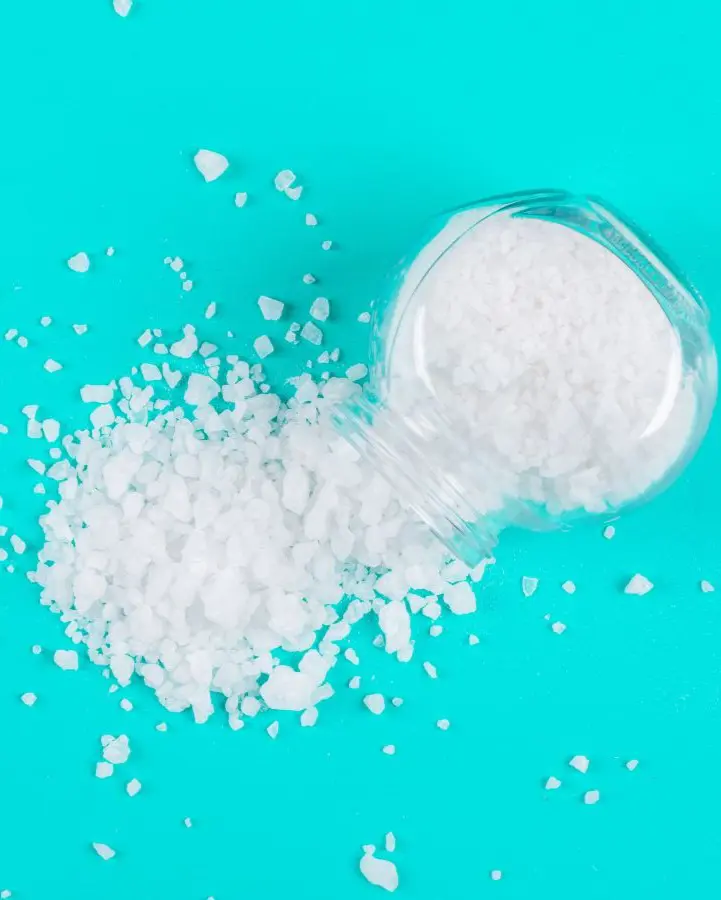
Epsom salt, chemically known as magnesium sulfate, is a natural mineral of sulfur, oxygen, and magnesium. Many confuse it with table salt, but they are not the same. It is bitter, making it unsuitable for cooking.
It is more commonly used for therapeutic purposes. For example, humans use it during baths to relieve muscle soreness, itching, swelling, inflammation, and other ailments. Others drink it with water for constipation relief but do not do this unless you have permission from the doctors because they can cause serious side effects.
Other than that, Epsom salt is also used in gardening. Nutrients like magnesium and sulfur are crucial for plant growth and development.
Magnesium
Plants need magnesium the moment seeds begin to develop as they assist in germination and strengthen plant cell walls so the plant can receive essential nutrients.
Magnesium also plays a role in photosynthesis, the process by which green plants use sunlight to make food from carbon dioxide and water. Additionally, magnesium allows the plant to soak up phosphorus and nitrogen, vital fertilizer components for the soil.
Sulfate
Sulfate is a mineral form of sulfur and an important nutrient for plant life. Sulfate ensures the health and longevity of plants and aids in the production of chlorophyll. It helps plants make other essential nutrients like nitrogen, phosphorus, and potassium.
Now that you know what Epsom salt is, you must be wondering how to use Epsom salt. There are different ways to use Epsom salt on plants, but whichever method you use, be mindful of the quantity.
Planting With Epsom Salt
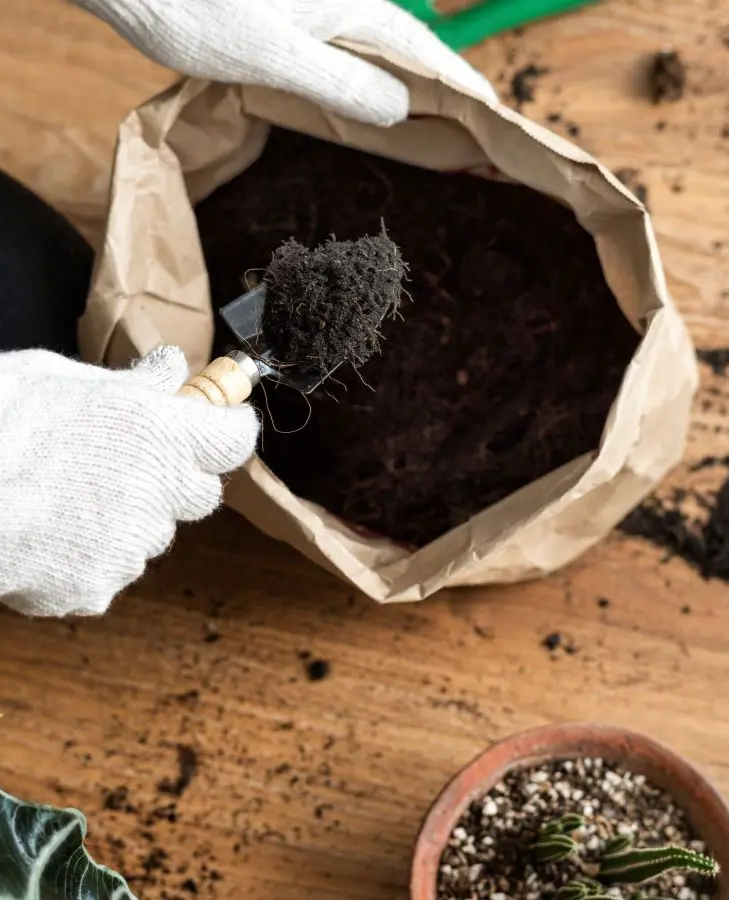
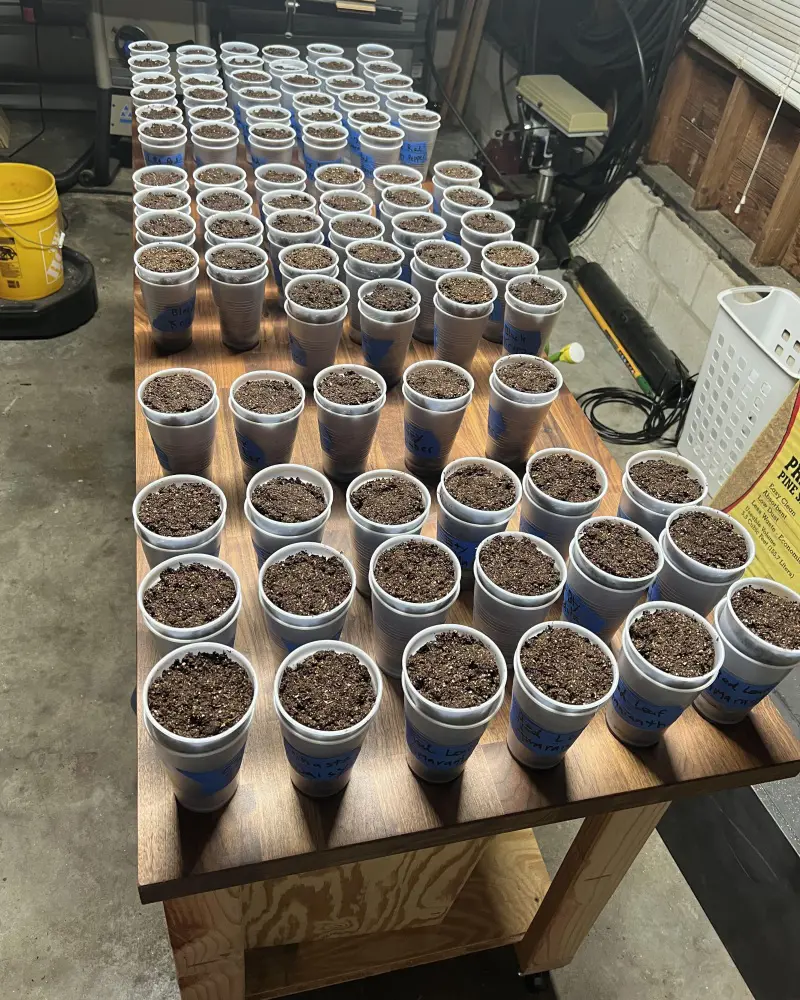
Firstly, you can prep your garden soil with salt. This means you grow your plant in soil with Epsom salt fertilizer. You should work one cup of salt for every 100 square feet of soil before sowing the seeds in the soil. This method will help seeds germinate and start with strong, healthy growth.
Epsom Salt on Mature Plants
If you want to use Epsom salt on mature plants, you could try using Epsom salt solution with a watering can or foliar spray. For the watering can method, use one tablespoon of salt per gallon of water. Use this solution once each month between regular watering.
Foliar spray is best when you want to spray the salt solution directly on the leaves for quick absorption or if your plant is magnesium deficient. Use two tablespoons of salt per gallon of water. Spray this solution once a month on the leaves in the morning or evening, avoiding direct sunlight.
To get the best results, apply the salt solution during the growing season to support healthy growth.
You can use Epsom salt on almost any plants or crops in your garden. Here are some ways you can use different plants.
Vegetable Garden
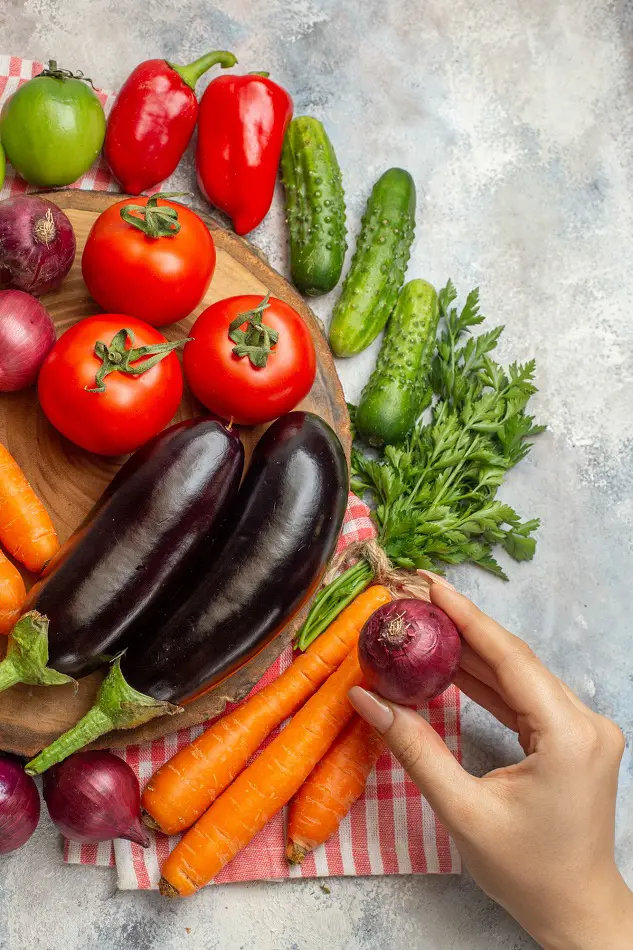
Epsom salt can help revitalize your vegetable garden. Mix one tablespoon of Epsom salt with a gallon of water in your watering tank and pour it around the base of your plants after the initial planting and every two weeks during the growing phase.
Reduce the frequency to once a month as the plants mature. You can use Epsom salt with any plant except for varieties of sage.
Tomatoes
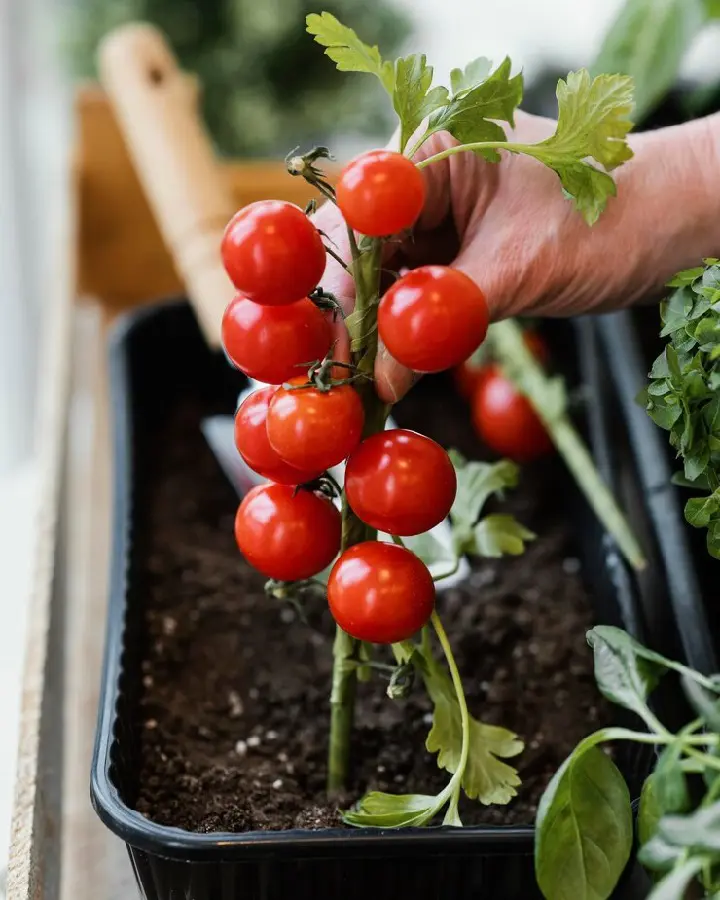
Tomatoes are prone to magnesium deficiency in the growing season. Therefore, mixing two tablespoons of Epsom salt at the beginning of their planting or transplanting can help a lot. After that, spray the leaves with one tablespoon of Epsom salt per gallon of water every two weeks.
Alternatively, you could work in one tablespoon of salt per foot of plant height around the base of the tomato plant.
Pepper
Peppers are also prone to magnesium deficiency. To prevent this, work two tablespoons of Epsom salt into the soil before planting seeds, starter plants, and full-grown plants. After that, add a tablespoon of salt for every foot of the plant twice a week.
This will give the plants a much-needed magnesium boost. It will result in much larger peppers than ones grown without the salt.
Flower Gardens
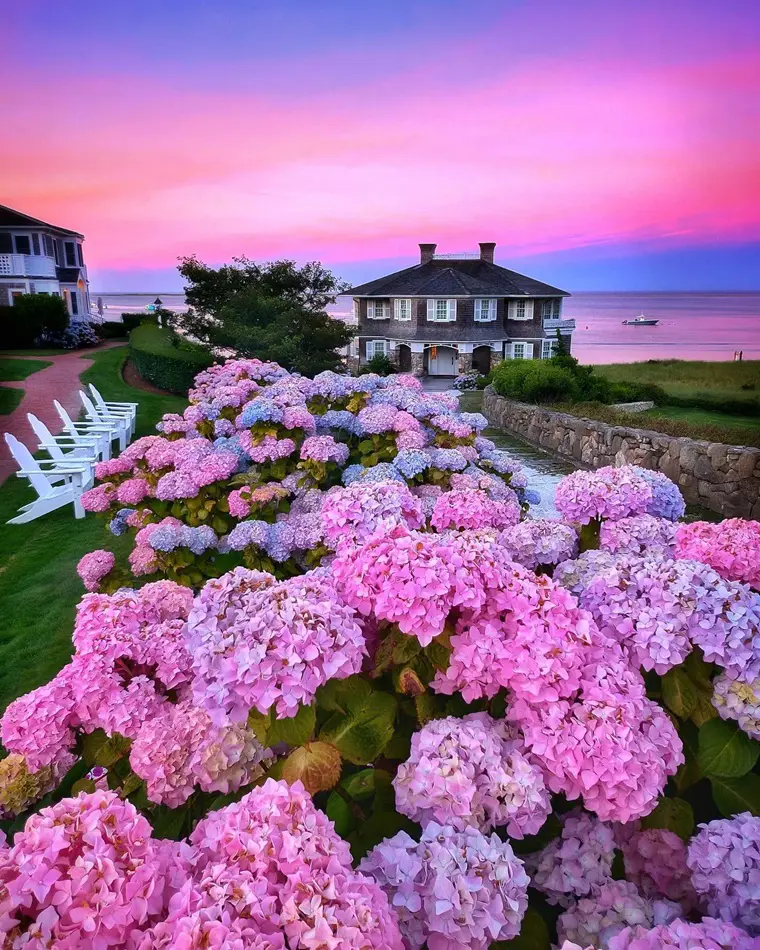
Flower gardens also thrive with the help of Epsom Salt in the soil and as a liquid solution. The salt acts as a fertilizer and may improve flower blooming and enhance the vibrancy of the leaves.
You can work the salt in the salt at the time of planting and then create a solution in a watering can with one tablespoon of Ultra Epsom Salt per gallon of water.
Roses
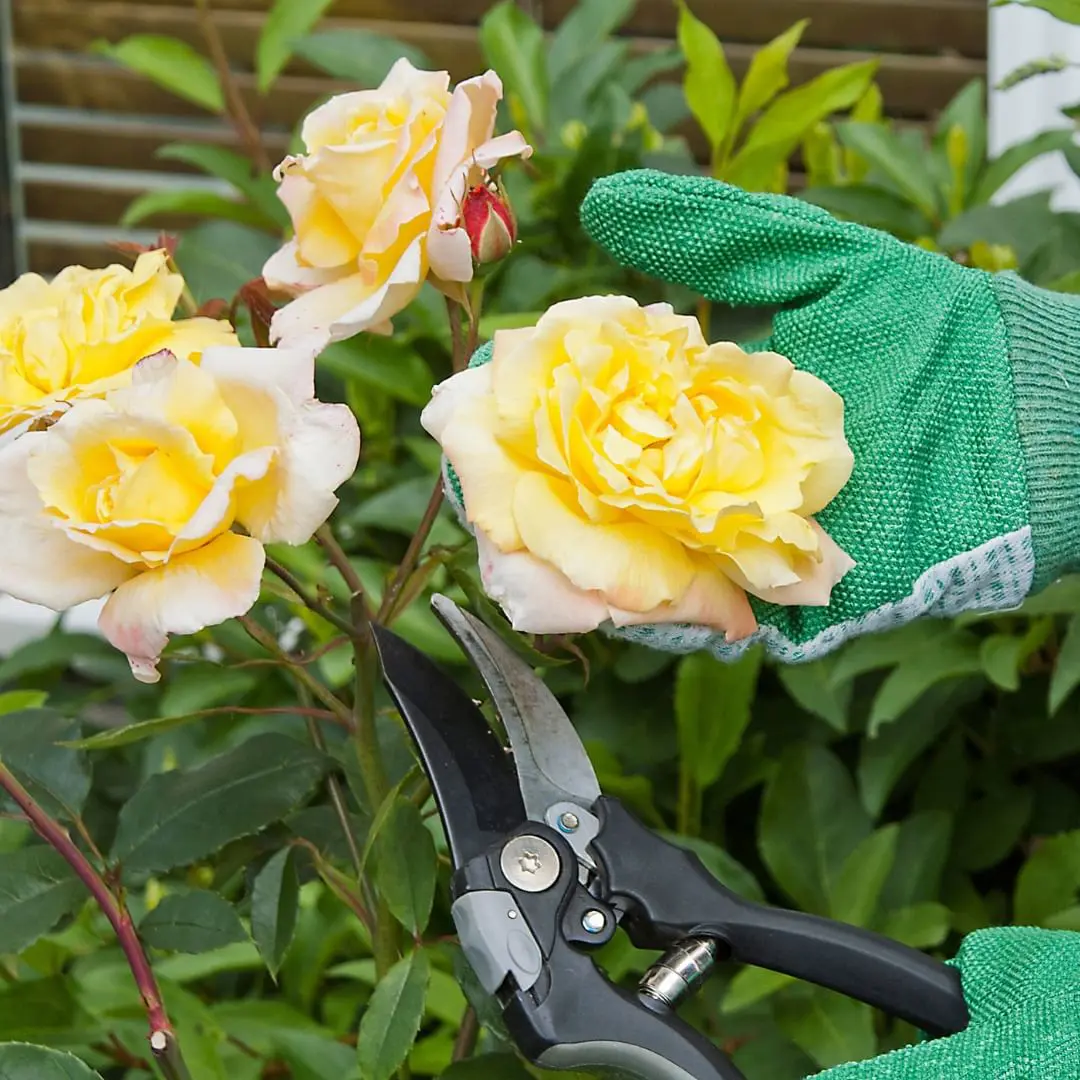
Roses also thrive when enriched with Epsom salt. For maximum beautiful growth, soak unplanted rose bushes in half a cup of Epsom salt per gallon of water before planting to strengthen the roots. When planting, work in the salt in the soil, and after that, spray the rose plant with salt solution every two weeks.
You can also work in one tablespoon of Epsom salt per foot of the plant. During the growing season in spring, work half a cup of Epsom salt into the base of the plant to encourage blooming canes and healthy basal cane development.
Shrubs
For healthy shrubs, mix one tablespoon of Epsom salt with a gallon of water and pour it around the base of the shrubs every two to four weeks during the growing season.
Houseplants/Lawns/Trees
As for houseplants, trees, and lawns, water them with a tablespoon of Epsom salt per gallon of water solution. You can water your houseplants and lawns once a month, while trees need to be watered every two to four weeks during the growing season.
The reasons why we should use Epsom salt in plants is largely due to its benefits. Many gardeners believe using Epsom salts on their plants has impressive benefits. Here are some of the benefits of supplements of Epsom salts.
1. Improves Nutrient Uptake
One of the reasons why Epsom salt is beneficial is because it improves the nutrient intake of the plant. Epsom salt contains magnesium, an essential nutrient that increases a plant’s ability to absorb other nutrients, such as nitrogen and phosphorus.
Plants need these nutrients to thrive. Epsom salt, therefore, supplies the plant with essential nutrients and ensures the plant can absorb other vital nutrients from the soil.
2. Vibrant Green Leaves
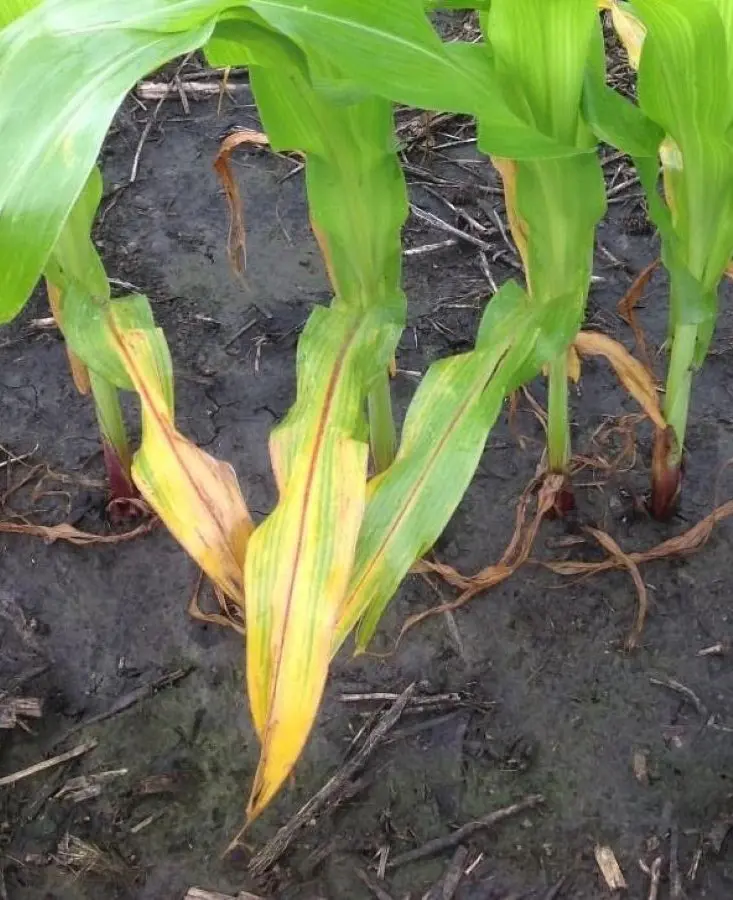
Yellow, brown, or wilted leaves on plants are signs of distress, whereas vibrant green leaves indicate the plant is in good health. Healthy plants require nutrients like magnesium because they help the plants carry out many essential functions like increasing chlorophyll production.
Chlorophyll is the pigment that gives the plant its vibrant green color, which ultimately results in lusher foliage. Apart from pigment, plants also need chlorophyll to photosynthesize, a process that enables the plant to make food and energy for itself.
3. Balances Nutrients Levels
Plants need nutrients like magnesium and sulfur to grow strong and healthy. These nutrients occur naturally in the soil, but due to various conditions, including heavy agriculture, they are depleted. When this happens, plants suffer from nutrient deficiency and do not grow and develop properly.
If you suspect your soil has been depleted of magnesium, you can get your soil tested. Replenish your soil with Epsom salt if it lacks magnesium to ensure the plants grow in healthy soil.
4. Deter Pests
Epsom salt can potentially repel certain garden pests such as voles and slugs. While using Epsom salts on your plants might reduce the slug population in your garden, it's not a guaranteed solution for all pest issues. If you are specifically targeting pest control, Epsom salts may not be the most effective primary strategy.
However, if you are using Epsom salts to promote the growth of your roses, its incidental capability to deter certain pests can be a bonus.
5. Neutralizes Soil pH
If you have a high soil pH, anything 7.5 pH, it is too alkaline. Alkaline soil affects plant growth by restricting water supply to the roots and impeding root development. It results in phosphorus, zinc, and iron deficiencies and boron toxicity.
Incorporating Epsom salts in such soil can neutralize it. The salt should be worked into the soil to improve its acidity level. However, ensure that the soil is not too acidic either. Acidic soil can weaken plants and make them susceptible to pests and diseases. The soil pH level should be between 5.5 and 7.5.
We now know how and why we should use Epsom salt, but it is also important to understand when to use it. You should know when to use the salt if you want your plant to grow and develop at its full capacity.
The best time to apply Epsom salt is when you suspect your plant is lacking nutrients. You can tell from the yellow leaves or slow growth. Consider adding the salt to your soil if you notice these symptoms.
Additionally, you could conduct a soil test to identify the problems before applying the Epsom salt. The soil test will always tell you how much Epsom salt it needs if it does.
However, do note that some plants might not improve with Epsom salt. It might decline instead due to magnesium toxicity, although very rare. Epsom salt can saturate the micronutrient in the soil.
Sometimes, the salt solution might not be absorbed by the roots. This unutilized solution may end up in the wild table and eventually the wild waterways and cause pollution hazards.
When Not to Use Epsom Salt
As much as plants benefit from Epsom salt, it might be wise to not use it at all in certain situations. These are as follows:
Main Fertilizer
We know that Epsom salt contains essential nutrients that are beneficial to the health of many plants. However, plants need nutrients like nitrogen, phosphorus, and potassium, known as N-P-K, more than magnesium and sulfur.
Epsom salt does not consist of N-P-K, so if you are using Epsom salt as the only fertilizer, it is ineffective. Therefore, you should only use Epsom salt as a supplement to fertilizer. You should not use it as the main fertilizer
Magnesium-Deficient Plants
When your plants’ health declines, you might suspect it might be magnesium deficient. You might use Epsom salt only to realize it is not helping. This is because sometimes, magnesium deficiency in plants cannot be treated with Epsom salt. After all, the plants might not be growing in magnesium-deficient soil.
Some plants lack magnesium due to high phosphorus levels in the soil, preventing the plant from absorbing magnesium in the soil. Adding Epsom salts in this case is ineffective because reducing the phosphorus level in the soil is necessary for the plants to access magnesium.
Adding magnesium will only delay your plants from thriving. Therefore, it is better to conduct soil testing to accurately diagnose the problem before attempting any treatments for deficiencies.
Acidic Soil
You should also avoid using Epsom salt if your soil is too acidic. Epsom salt can be useful in helping to neutralize alkaline soil because it is acidic. If you add Epsom salt to acidic soil, this will cause further problems.
Acidic soil reduces the availability of essential nutrients like phosphorus and molybdenum, making it harder for plants to absorb what they need.
Additionally, it increases the levels of toxic elements like aluminum and manganese, which can harm plants. Essential plant nutrients can also be leached below the rooting zone.