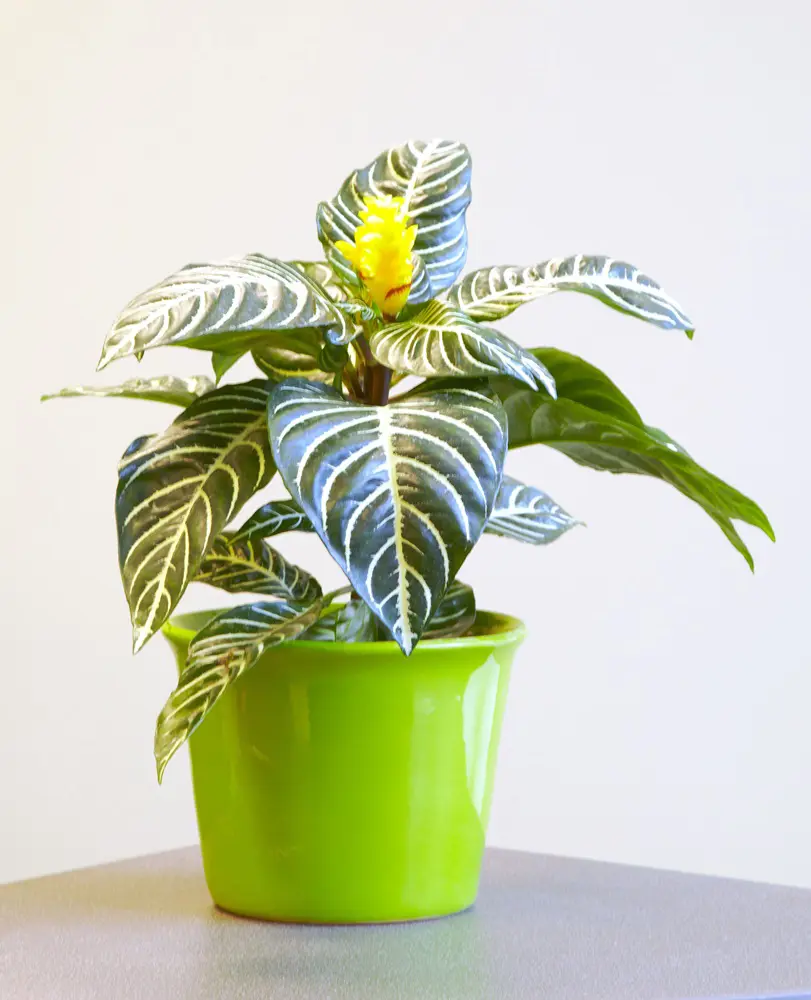
The Zebra Plant is a striking tropical plant prized for its bold foliage adorned with contrasting patterns reminiscent of zebra stripes.
Native to the rainforests of Brazil, it belongs to the Acanthaceae family and is celebrated for its vibrant appearance and relative ease of care, making it a popular choice among indoor gardening enthusiasts.
This comprehensive guide will explore everything you need to know about growing and caring for Zebra Plants, from propagation techniques to pest management and beyond.
How to Grow a Zebra Plant?
Growing a Zebra Plant successfully begins with understanding its basic requirements and providing the right conditions:
Soil:
Choosing the right soil is crucial for the health and growth of Zebra Plants. These tropical plants prefer a well-draining, yet moisture-retentive potting mix that mimics their native rainforest environment. A good mix for Zebra Plants includes components like peat moss, perlite, and coarse sand to ensure adequate drainage while retaining enough moisture for the roots.
The soil should have a slightly acidic to neutral pH level, ideally between 5.5 to 6.5, which supports nutrient uptake and overall plant health. Avoid heavy soils or those prone to compaction, as they can lead to waterlogged conditions that may cause root rot.
Regularly check the soil's moisture level and adjust watering accordingly to maintain optimal soil conditions for Zebra Plants.
Watering:
Proper watering is required for the health and growth of the plants ensuring they grow indoors. These plants prefer consistently moist soil but are sensitive to overwatering, which can lead to root rot. It's essential to water Zebra Plants when the top inch of soil feels dry, allowing excess water to drain away completely.
Use room temperature water to avoid shocking the plant. During the growing season (spring and summer), water more frequently, and reduce watering in the dormant season (fall and winter). By maintaining a balanced watering routine, indoor gardeners can help their Zebra Plants maintain lush, vibrant foliage and overall health.
Light:
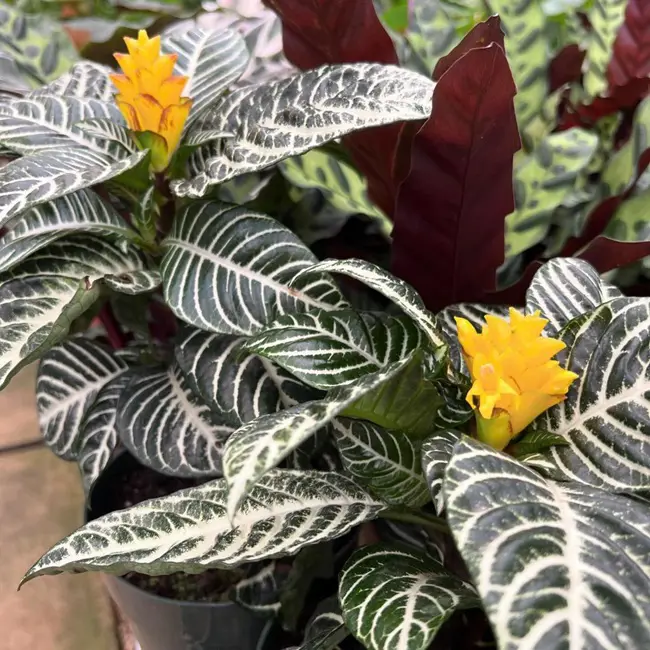
Light is important for the growth of these plants as it directly impacts their health and appearance. These tropical plants grow in bright, indirect light conditions similar to their native rainforest habitat. Adequate light promotes photosynthesis, allowing the plant to produce energy for growth and maintaining vibrant foliage patterns.
Insufficient light can lead to weak growth, faded leaf color, and reduced flowering. However, direct sunlight should be avoided as it may scorch the leaves. By providing the right amount of light, typically near east or west-facing windows with filtered sunlight, Zebra Plants can flourish and showcase their striking zebra-like patterns effectively.
Temperature:
Temperature plays a vital role in the growth and health of plants. These tropical plants thrive in moderate temperatures ranging from 65-75°F (18-24°C). Consistent temperatures within this range provide optimal conditions for growth and development.
Zebra Plants are sensitive to cold drafts and sudden temperature fluctuations, which can stress the plant and lead to leaf damage or dropping. It's essential to place them in locations with stable temperatures and protect them from chilly drafts.
By maintaining moderate temperatures, indoor gardeners can ensure their Zebra Plants remain healthy, vibrant, and able to display their distinctive foliage patterns effectively.
Humidity:
Humidity is also critical for the well-being of Zebra Plants which grow in high humidity levels similar to their native rainforest habitats. Ideally, these tropical plants require humidity levels between 50% to 80% to thrive. Insufficient humidity can lead to dry and crispy leaf edges, while overly humid conditions may encourage fungal diseases or pest infestations.
To maintain optimal humidity, mist the leaves regularly, use a humidity tray with water and pebbles, or place the plant in a naturally humid environment such as a bathroom. Providing adequate humidity ensures that Zebra Plants can display their vibrant foliage and remain healthy indoors.
Fertilizing:
Fertilizing is an essential aspect of caring for Zebra Plants providing them with the necessary nutrients to thrive and display their vibrant foliage. Here are key points to consider when fertilizing Zebra Plants:
- Frequency: During the active growing season in spring and summer, fertilize Zebra Plants every 4-6 weeks. Reduce or stop fertilizing in fall and winter when growth slows.
- Type of Fertilizer: Use a balanced, water-soluble fertilizer specifically formulated for houseplants. Look for a fertilizer with equal proportions of nitrogen (N), phosphorus (P), and potassium (K), such as a 10-10-10 or 20-20-20 formulation.
- Dilution: Dilute the fertilizer to half or quarter strength to avoid over-fertilizing, which can lead to salt buildup in the soil and damage the plant's roots.
- Application: Apply the diluted fertilizer to moist soil to prevent root burn. Water the plant thoroughly after fertilizing to distribute the nutrients evenly in the soil.
- Alternative: Alternatively, use organic fertilizers such as compost tea or diluted fish emulsion for a more natural approach to feeding your Zebra Plant.
By following these guidelines, indoor gardeners can ensure their Zebra Plants receive the nutrients they need for healthy growth, vibrant foliage, and occasional flowering. Adjust fertilization based on the plant's response and overall growth throughout different seasons.
Propagation
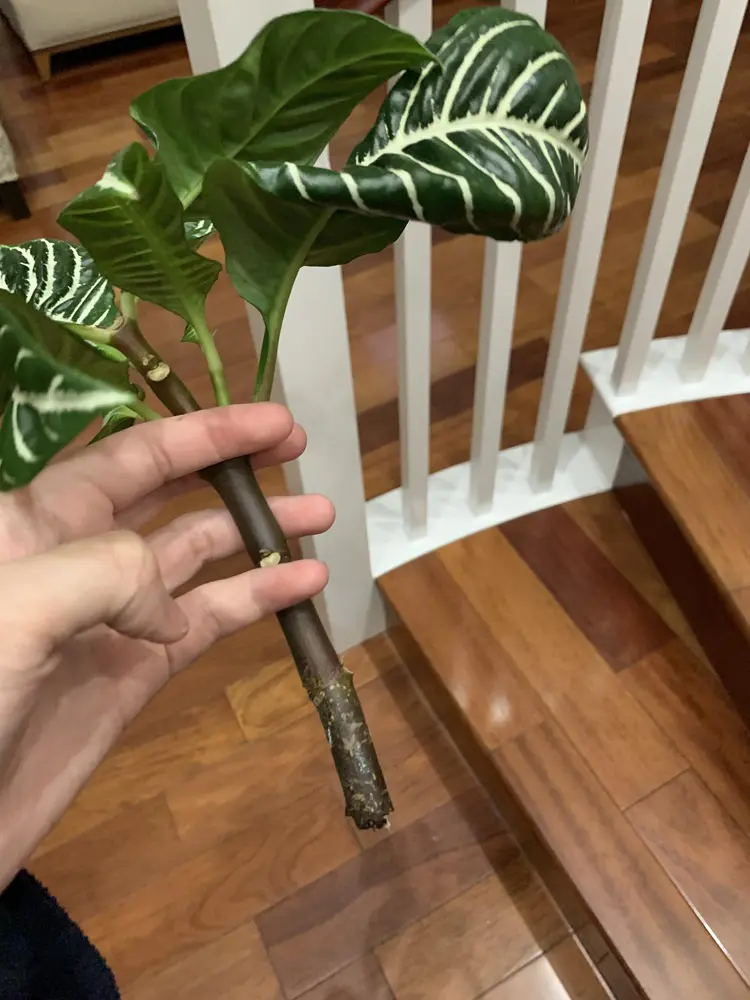
Propagating Zebra Plants can be an enjoyable way to expand your plant collection or share with fellow enthusiasts. Here are two effective methods for propagating Zebra Plants:
Stem Cuttings:
- Select a healthy stem from the parent plant that does not have flowers.
- Using clean, sharp scissors or pruning shears, cut a 4-6 inch section of the stem just below a leaf node.
- Remove the lower leaves to expose the node where roots will develop.
- Optionally, dip the cut end in rooting hormone to encourage root growth.
Plant the cutting in a small pot filled with well-draining potting mix, ensuring the node is covered with soil. - Keep the soil consistently moist and place the pot in a warm, bright location with indirect light.
- Rooting typically takes a few weeks to a month. Once roots develop and the cutting shows new growth, treat it like a mature Zebra Plant.
Division:
- Carefully remove the Zebra Plant from its pot.
- Gently separate the root ball into smaller sections, ensuring each division has healthy roots and shoots.
- Plant each division in its own pot with fresh, well-draining potting mix.
- Water thoroughly and place the newly potted divisions in a warm, bright location with indirect light.
- Maintain consistent moisture and monitor the divisions for signs of new growth, adjusting care as needed.
- Propagation allows you to create new Zebra Plants that share the same distinctive foliage and characteristics as the parent plant. Whether you choose stem cuttings or division, providing proper care during the rooting process is essential to ensure successful propagation and healthy growth of new plants.
Types of Zebra Plant
There are several popular varieties of Zebra Plants, each distinguished by unique leaf patterns and growth habits:
- Louisae: Known for its larger, broader leaves and deep green foliage with prominent white veins.
- Dania: Features narrower leaves with a lighter green coloration and distinctive white or yellow stripes.
- Zebra Green: Displays a compact growth habit with dark green leaves adorned with vivid white stripes, resembling a zebra's markings.
- Variegata: Characterized by its variegated leaves, which showcase irregular patterns of creamy white and green.
Each type of Zebra Plant offers its aesthetic appeal, allowing for a variety of choices to suit different indoor décor preferences.
Zebra Plant Care
Caring for a Zebra Plant (Aphelandra squarrosa) involves several key aspects to ensure its health and vitality:
Soil
Use a well-draining potting mix that retains moisture without becoming waterlogged. An ideal mix consists of peat moss, perlite, and coarse sand. This combination helps prevent root rot while keeping the soil sufficiently moist.
Toxicity
Zebra Plants are non-toxic to humans and pets, making them a safe choice for households with children or animals.
Repotting
Repot Zebra Plants every 1-2 years in spring as they outgrow their containers. Choose a pot slightly larger than the current one with drainage holes to accommodate root growth. Repotting helps refresh the soil and provides more space for the roots.
Pruning
Regularly trim yellowing or dead leaves to maintain plant health and appearance. Pruning can also help manage the size and shape of the plant, promoting bushier growth. Use clean, sharp scissors or pruning shears to make clean cuts.
Fertilizing
Feed Zebra Plants with a balanced liquid fertilizer diluted to half strength during the growing season (spring and summer). Reduce feeding in fall and winter when the plant's growth slows. Over-fertilizing can harm the plant, so follow the recommended dosage.
Location
Place Zebra Plants in bright, indirect light. Avoid direct sunlight, which can cause leaf burn. If the plant does not receive enough light, its growth may become leggy. Rotate the plant periodically to ensure even exposure to light, promoting uniform growth.
Managing Pests and Problems for Zebra Plants
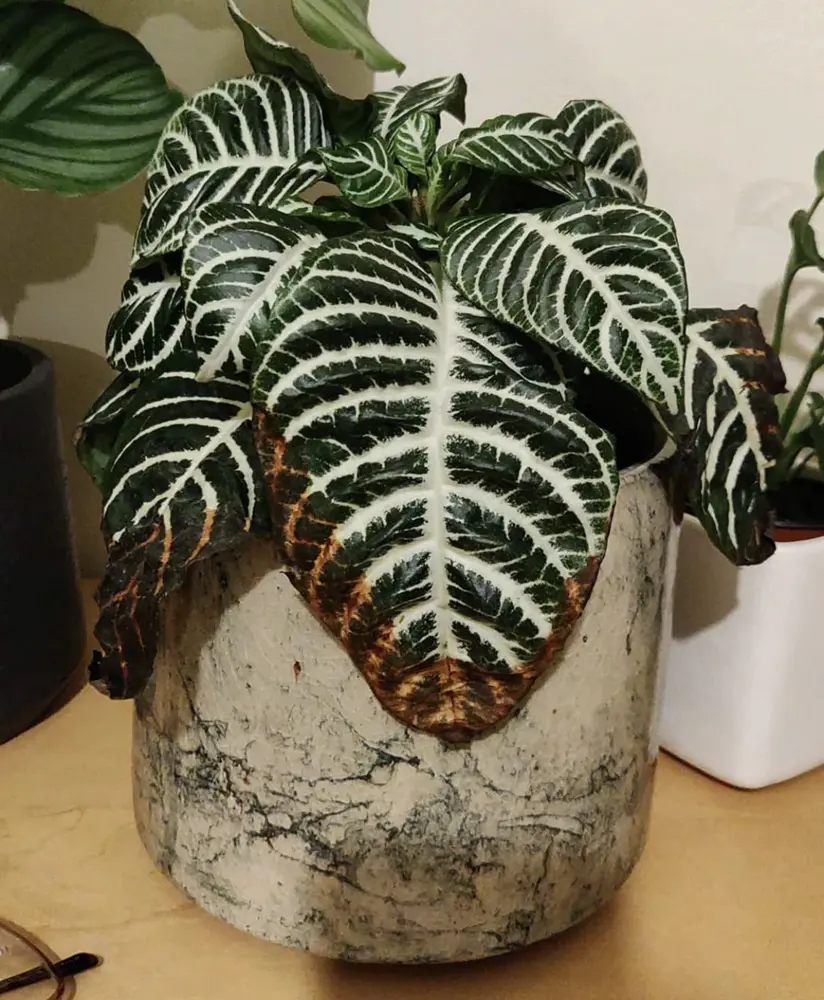
Zebra Plants (Aphelandra squarrosa) are generally resilient but can encounter some common issues. Proactive care and timely intervention are essential to maintain their health and vibrancy. Here’s how to manage pests and problems effectively:
Pests
-
Spider Mites: These tiny pests can cause webbing on leaves and stems, leading to leaf discoloration and damage.
- Treatment: Regularly mist the plant to increase humidity, as spider mites thrive in dry conditions. Use insecticidal soap or neem oil, ensuring thorough coverage of all plant parts.
-
Aphids: These small insects suck sap from the plant, causing weakened growth and distorted leaves.
- Treatment: Wash aphids off with a strong stream of water. For persistent infestations, apply insecticidal soap or neem oil.
-
Mealybugs: Recognizable by their white, cotton-like appearance, mealybugs feed on plant sap, leading to stunted growth.
- Treatment: Dab affected areas with a cotton swab dipped in rubbing alcohol. For larger infestations, use neem oil or insecticidal soap.
Diseases
-
Root Rot: Overwatering can lead to root rot, characterized by mushy roots and wilting leaves.
- Prevention: Ensure pots have drainage holes and use a well-draining soil mix. Allow the top inch of soil to dry out between waterings.
-
Fungal Diseases: High humidity and poor air circulation can cause fungal issues.
- Prevention: Improve air circulation around the plant and avoid overhead watering. If necessary, apply a fungicide according to the manufacturer’s instructions.
Leaf Problems
-
Yellowing Leaves: This may indicate underwatering, overwatering, or insufficient humidity.
- Solution: Adjust your watering schedule, ensuring the soil remains moist but not soggy. Increase humidity by misting the plant or using a humidity tray.
-
Drooping Leaves: Often a sign of either too much or too little water.
- Solution: Check soil moisture levels and adjust watering habits accordingly. Ensure consistent watering and avoid waterlogged soil.
Flowering
Under optimal conditions, Zebra Plants produce tall, upright spikes of yellow or orange flowers.
- Encouragement: Provide bright, indirect light and maintain a consistent care routine. Fertilize with a balanced liquid fertilizer diluted to half strength during the growing season (spring and summer).
Seasonal Care
- Fall and Winter: Growth slows during these seasons, so adjust your care routines.
- Watering: Reduce watering frequency, ensuring the soil is allowed to dry out slightly between waterings.
- Feeding: Cut back on fertilizing, as the plant's nutrient needs decrease during this period.
By understanding these aspects of Zebra Plant care and being proactive in addressing potential issues, indoor gardeners can enjoy the beauty and vibrancy of these striking tropical plants year-round. Regular monitoring and timely interventions are key to keeping your Zebra Plant healthy and thriving.