Cockroaches are much more than just a nuisance; they are quite formidable pests that can quickly turn minor problems into major infestations. Given the capacity to reproduce, one female cockroach can lay dozens of eggs, and each egg case can contain up to 50 new roaches.
In this in-depth guide, we will get into the nooks and crannies of cockroach behavior concerning the identification of their eggs and how to halt their breeding cycle. We'll unveil where cockroaches would want to lay their eggs, and under what conditions they thrive.
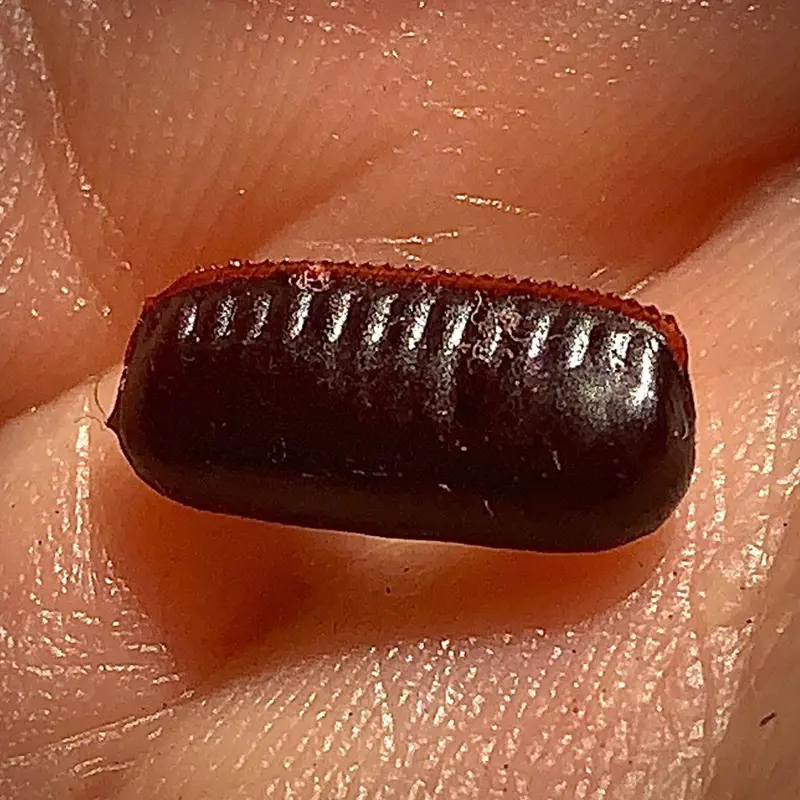
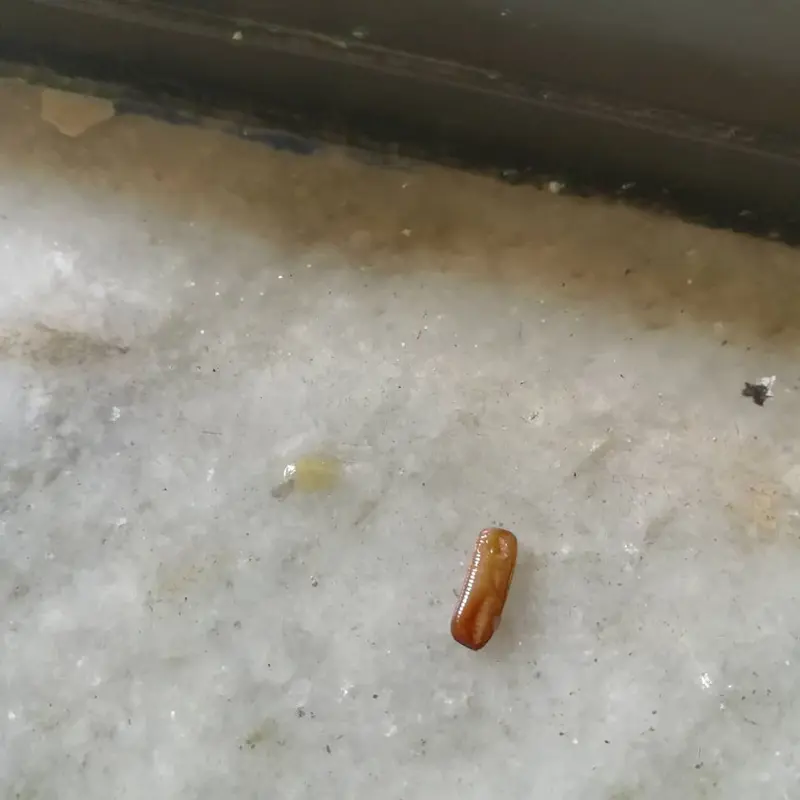
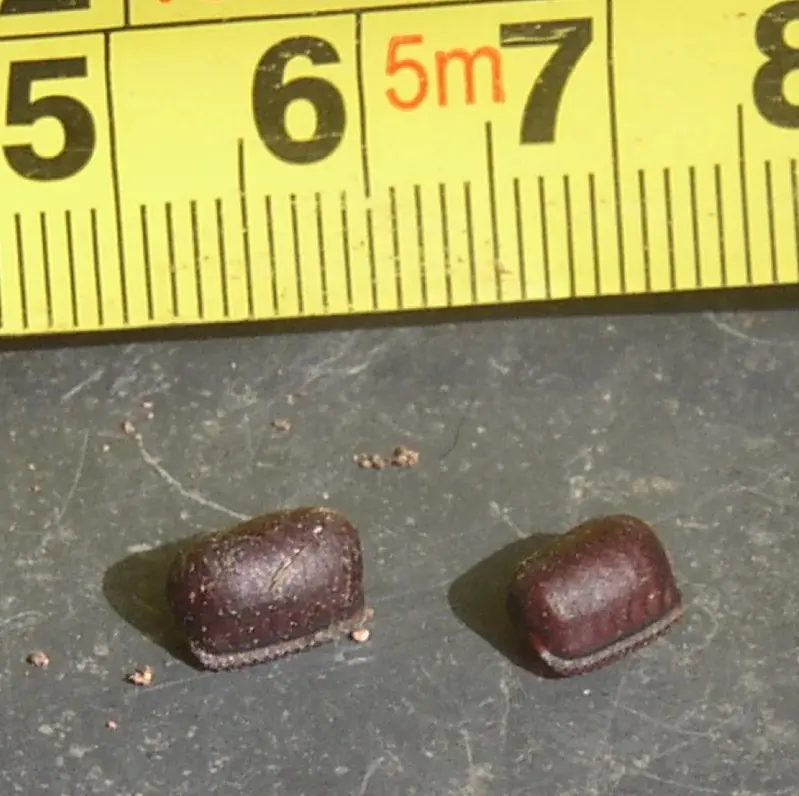
Roach eggs, or oothecae, are usually oval-shaped. One side may be slightly flattened. That shape is comparable to a small capsule or even a bean and thus easily confused with other small particles in your home.
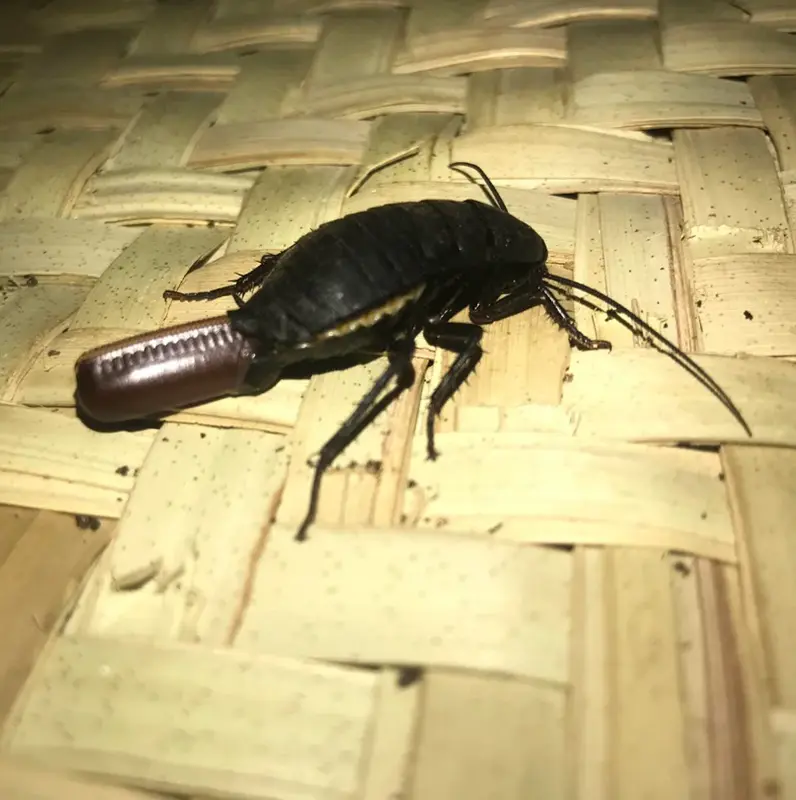
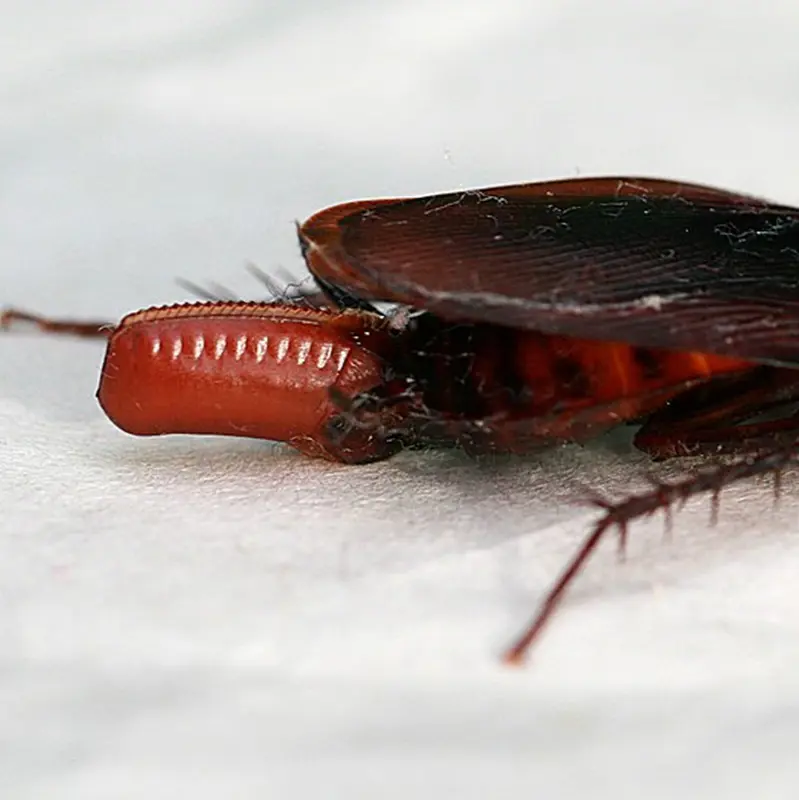
The flat side is normally where the eggs are segmented, and it facilitates attachment to surfaces, thus keeping the eggs well hidden in cracks, crevices, and other tight spaces. Some cockroaches, such as the German cockroach, carry the ootheca until moments before hatching, while others deposit them in a hidden location.
The size of the roaches' eggs is another differentiating factor among the species, although in general, they are very small and go unnoticed. On average, roach eggs are 5 to 10 millimeters long.
German cockroach eggs are normally around 8 millimeters in length, although some of the larger species, such as the American cockroach, can have up to 12 millimeter-long eggs. Due to this very minute size, they could easily fit into dark corners and hide behind cabinet counters or appliances.
Various species of roaches lay differently colored eggs, from light tan to reddish-brown or even dark brown, depending on the species and the age of the egg. Newly laid eggs can be lighter or even translucent in color, hence very difficult to see. As the eggs mature, their color darkens, a process indicative of the nymphs' nearing emergence.
This color variation may sometimes allow for the type of cockroach being dealt with to be determined. For example, German cockroach eggs are typically light brown, and American cockroaches sport a much darker shade of reddish-brown. Knowing these color differences can be quite helpful in species identification and effective treatment.
Roach eggs have an external hard, protective covering that protects the enclosed nymphs from environmental and some pesticide insults. This covering, often ridged or segmented, gives a characteristic texture that helps to distinguish the eggs from other small particles.
Since this outer shell-like covering is stiff, the eggs were made to be rugged, thereby securing the enclosures of the nymphs until they can hatch. This protective barrier calls for some specific ways of targeting the eggs since regular pesticides might not penetrate the shell easily.
Roach eggs mostly come in clusters. Each ootheca contains a lot of eggs. The number of eggs contained in one ootheca differs among species. The ootheca of a German cockroach, for example, contains about 30 to 40 eggs, while that of an American cockroach contains 16 eggs.
All these clusters are usually dropped in dark, safe spots: behind walls, under furniture, and in narrow crevices. Dose yourself with the understanding of roach clustering behavior: Do not miss a single ootheca since early detection is crucial; otherwise, the number of cockroaches will surge and make the infestation very hard to overcome.
Where Do Cockroaches Lay Eggs?
Different types of cockroaches have different locations where they prefer to lay eggs; we've listed some of the most common cockroaches and their desired place for laying eggs;
For the most part, German cockroaches deposit their eggs close to potential food sources in warm, humid regions. They tend to use their egg cases, oothecae, at favored sites, such as crevices and cracks in kitchens and bathrooms.
Common sites include the backsides of cupboards, beneath sinks, along with places behind appliances and appliances, and even cracks between walls and countertops. Therefore, their eggs can be found close to any place the adult cockroaches have been spotted.
2. Oriental Cockroach
The Oriental cockroach prefers cool, damp environments with high moisture levels. Moisture- and-coolness-loving, it lays oothecae in basements, crawl spaces, and other cool, humid locations, such as under sinks or in laundry rooms near leaky pipes.
Oothecae may also be laid outside under leaf litter, mulch, or in flower beds that are kept damp. They tend to like rotting organic matter, so their eggs might as well be found in the vicinity of garbage or compost heaps.
The American cockroach prefers to lay its eggs in dark and moist locations. This stage is always laid on basements and crawl spaces. Others are found on humid areas like behind baseboards at floor fissures, or among piles of rubbish.
This always takes place in areas frequented by people, so usually one finds it in basements or other hidden areas.
4. Brown-Banded Cockroach
Brown-banded cockroaches like to be in warm, dry locations and are most frequently discovered in higher, drier locations like ceilings, behind photo frames, inside electrical devices, and furniture.
They do not need as much moisture as most roaches, and so, might lay eggs in the bedroom, living room, and attic. They place their oothecae just about anywhere, such as inside cupboards, behind wallpaper, or underneath furniture.
Where Do Cockroaches Live?
Cockroaches are rather adaptive insects; therefore, under sufficient conditions, they live in that location to provide safety, warmth, humidity, and food for the young ones.
This forms the best condition that, under such circumstances, the nymphs are bound to thrive once they hatch. We will explain some common locations.
Kitchens
It is one of the favorite places for cockroaches to live because of the availability of food and water. Cockroaches prefer a place that is approachable to food particles, grease, and water droplets; hence, the kitchen becomes a favorable place for their breeding.
They hide at the back of large appliances in the home, like refrigerators, stoves, or dishwashers, since those areas offer warmth and darkness, which provide a perfect environment for incubating the eggs. In addition to dark, moisture-retaining conditions, leaks underneath sinks are one of the favored areas for hiding.
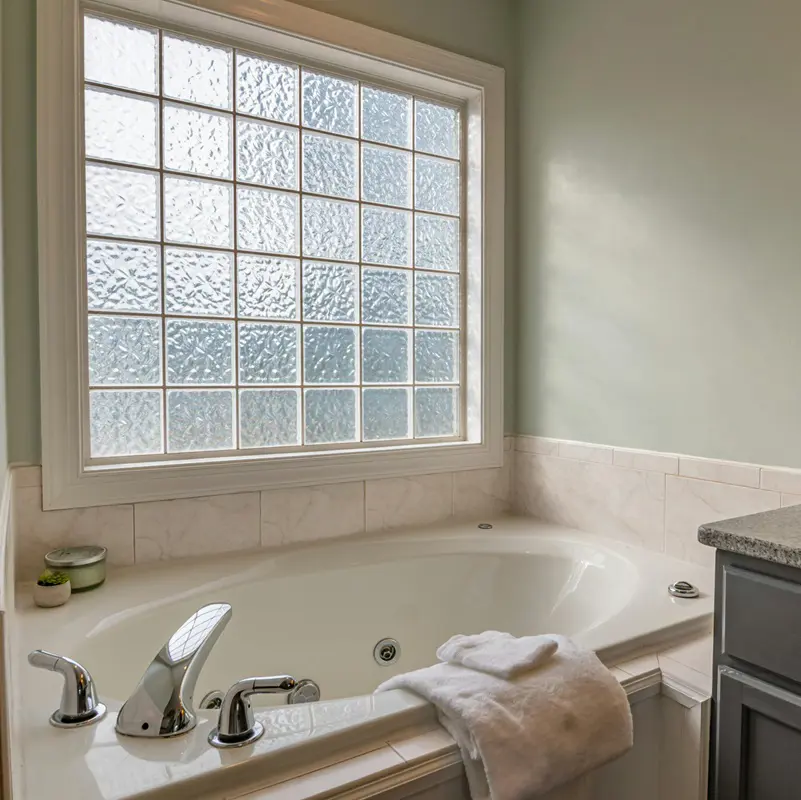
Bathrooms always provide that environment that invariably attracts cockroaches to live because of the humidity and warmth there. The availability of moisture combined with the availability of water makes bathrooms a very welcoming place for cockroach habitation.
They generally tend to hide in around the pipe-drain areas where water is present, or behind the toilets, which are warm and moist, hence ideal for cockroaches. Another choice for them is under sinks in any developing leaking area.
Crawl Spaces and Basements
Crawl spaces and basements are ideal dark and moist conditions for cockroaches to live. These two places are less attended by humans; therefore, cockroaches find the required seclusion to reproduce there.
Cockroaches hide in the corners of a basement where dust and dirt accumulate, or even behind stored items that seldom get moved. Any sources of water—pipes leaking or condensation—can attract roaches to such areas since moisture is necessary for survival.
Though perhaps unbelievable, cockroaches can also live in furniture, more specifically upholstered types. Seams and folds of couches, chairs—even beds—into which human beings sit or sleep—are fine hiding places for roaches.
It provides a protective covering, and warmth created while sitting or lying on furniture enhances this in many ways. Some cockroaches can hide within the seams, folds, and under cushions; thus, they go unnoticed.
Walls and Cracks
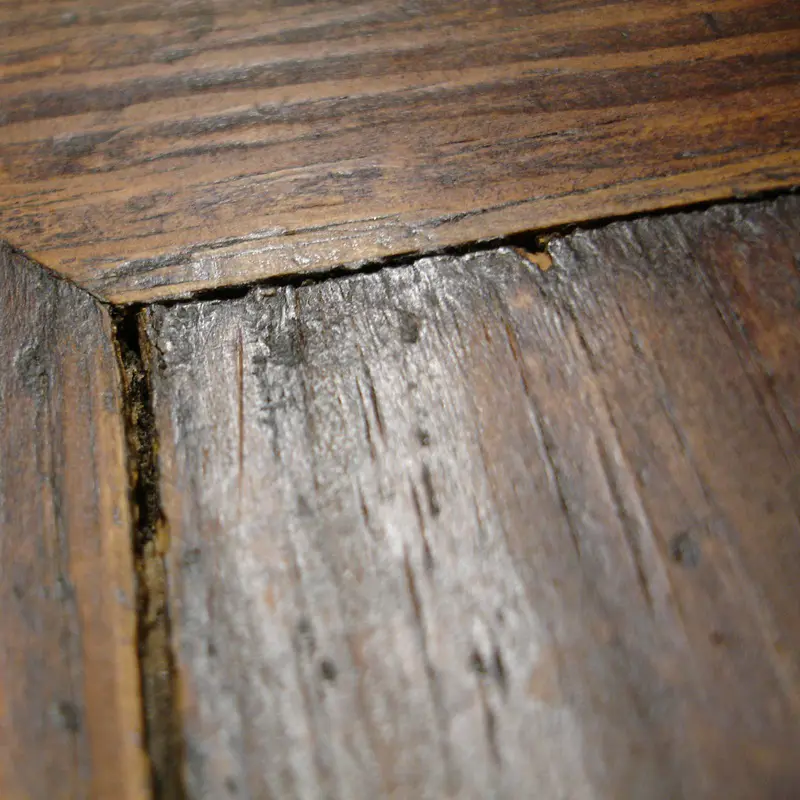
Cockroaches are experts in flattening their bodies to get into small crevices and fine cracks in the wall; hence, it is a very likable place for laying. They could hide at the back of the wallpaper where the paper will keep them warm and somewhat protect them from the external environment.
Wall voids, especially, offer roaches perfect places to deposit their eggs, and this happens more likely in old homes that have developed some cracks on the foundation or the baseboards. Because these areas are rarely reached and can, at most times, stay untouched, it is, therefore very difficult to track them.
What Do Cockroaches Eat?
Roaches are omnivorous scavengers, meaning they can eat nearly everything organic within their path, which thus turns them into an extremely adaptive and resistant pest. One of the reasons behind their potential for survival under a very wide variety of circumstances lies in their undiscerning feeding behavior.
We'll delve deeper into exactly what food roaches are known to consume below, illustrating further why these pests seem to just never go away.
Food Scraps
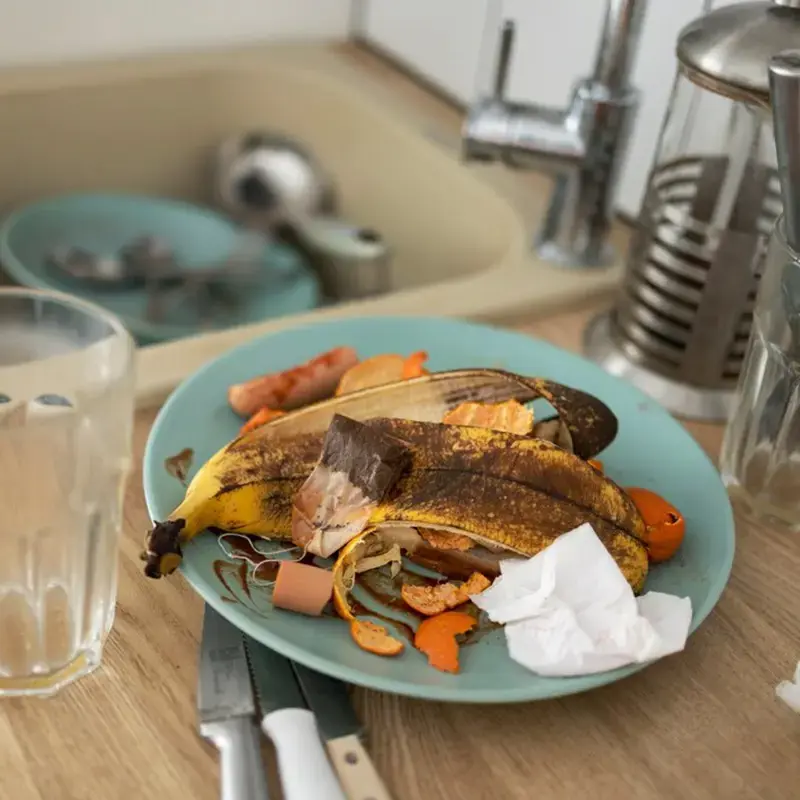
Roaches are well known to scavenge for leftover food, crumbs, and grease normally ignored by human beings. Even the tiniest crumbly piece of food that falls behind appliances, under furniture, or in some obscure corner serves as a meal for cockroaches.
Their preferred foods are starches, sweets, meats, and fatty foods. For example, bread crumbs spilled sugar on the counter, and leftovers from meat form ideal food for them. This ability to find and consume even the minutest food residues makes maintaining cleanliness in kitchens and dining areas necessary for preventing a roach infestation.
Garbage bins, more so the ones that collect rubbish that decomposes organically, are equivalent to a five-star dinner for roaches. They get attracted by the smell of decomposing food, which serves them as a good source of nutrition.
They will even consume fruit peels and food wrappers; they will even eat paper towels that have picked up food oils and grease. Particular favorites of roaches include vegetable scraps, coffee grounds, and moldy food.
Paper and Glue
Of all the weird things that cockroaches love to eat, paper products probably top the list: cardboard, books, and wallpaper. Cellulose in paper is nutritive for them; thus, cardboard boxes, newspapers, and book bindings are but a few examples of items that can be destroyed by cockroaches.
Additionally, organic compounds are present in bookbinding glues and wallpaper adhesives, which also attract roaches. The edges of the paper are chewed, and layers of wallpaper are gnawed through in search of food.
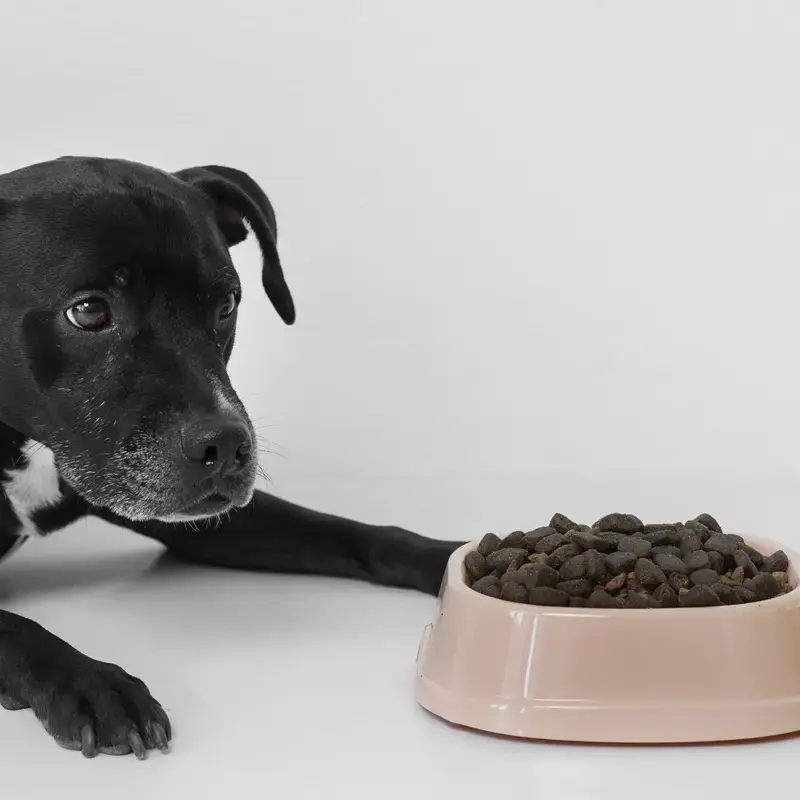
Another of the major food attractions of roaches is the pet food left in bowls overnight. Dry kibble and wet pet food alike act as an attractant to bring roaches into feeding areas. Protein and fats in the pet food make for a perfect meal for these pests.
They will even eat spilled pet food or crumbs that may lie around feeding bowls. To prevent roaches from getting into pet food, one has to clean up spills immediately and keep the food in tightly closed containers. Feeding your pets at certain times rather than having food out all day will help minimize the chances that roaches will find a free meal.
Dead Insect and Animal Matter
Cockroaches are opportunistic feeders, and thus, they eat dead insects and animal matter, even the carcasses of other roaches. This behavior thus helps them survive under unfavorable conditions with limited food since they can feed on remains left behind by other animals.
Cockroaches will eat dead insects that have fallen into light fixtures, behind furniture, and on windowsills, as well as the remains of any small animal that may have died concealed in attics, basements, or crawl spaces.
One of the most critical factors in both preventing and managing roach infestations is maintaining a clean environment. Crumbs, grease, and moisture—these are all things that beckon roaches into your space.
First, do a heavy cleaning of your home and focus your efforts on food preparation and eating areas. Wipe down countertops with disinfectant, sweep up and regularly mop off the floor any crumbs or spills, and get the garbage often. Focus on hard-to-reach locations.
2. Hit Egg Sites
Be aware that the detection of sites where roaches lay their eggs is part of the control against such an infestation. The eggs of roaches, which are normally in clusters, may be hard to see; however, a vacuum could be useful in removing them and other hidden roaches.
After vacuuming, replace the vacuum bag and seal it in a plastic bag to throw away so that the surviving eggs do not find their way into your premises. Besides, the sticky traps help detect the activities of roaches and also in the collection of their eggs and juveniles.
Insecticides kill the roach and their eggs. Make sure to purchase products labeled for cockroach elimination. Gel baits are quite effective because they attract roaches, which then carry the poison back to their nests, killing other roaches.
Apply the gel bait in cracks, crevices, and edges where roaches are likely to travel. Also, dusts like boric acid are applied out of view, behind appliances, under sinks, and in voids in the wall. These insecticides may kill roaches through their digestion or dehydrate them.
4. Bait Traps
Bait traps are a strategic way of controlling roach infestations. These traps contain poisoned baits that are quite alluring to the roaches. The poison acts on the roaches after ingestion and may be passed on to others in the nest by contact or ingestion.
Place bait traps along the paths where you have seen high activity of the roaches, behind refrigerators, inside cabinets, and near the trash cans. This works because bait traps target roaches at the source of their feeding and let you, over time, control their population by bringing the poison back into their hidden places.
One such method for the more natural folks would be diatomaceous earth. DE is a non-toxic powder derived from the fossilized remains of algae that work to dehydrate and kill roaches by damaging their exoskeletons. Sprinkle DE in all places where roaches are active, such as under appliances and along baseboards.
Essential oils like peppermint, tea tree, or eucalyptus can also be of great help as natural repellents. Mix a few drops of any of these oils with water and spray around all entry points, cracks, and crevices to deter roaches.
6. Seal Entry Points
To prevent further pest intrusion, block off the entry points that roaches use to enter your home. Seal any cracks, crevices, and gaps around windows and doors and at the foundation with weather stripping, caulking, and door sweeps.
Additionally, fix the leaks of water or any other sources of water that would moisten the roach's habitat. By making your home less accessible and habitable for roaches, you decrease the chances of further invasion.
If the infestation is too serious or if it doesn't turn up good results, it may require professional pest control services. They have more powerful treatments that they can apply. Moreover, they can further monitor and provide preventive measures necessary to ensure that the infestation does not return.
Professional services can give an entire treatment plan tailored to your specific case, including both visible and hidden roach populations.
8. Sanitation
Continuous sanitation deters roach infestations. Good sanitation schedules must provide for the removal of food refuse, leak repairs, and a generally clutter-free environment. Cockroaches infest filthy surroundings; good housekeeping will reduce the food and water available for roach sustenance and breeding.
Regular maintenance will ensure that roaches are not allowed to repopulate and will make your home less attractive to pests.
9. Roach IGRs (Insect Growth Regulators)
Insect Growth Regulators are chemicals that prevent roaches from attaining maturity by interfering with their development. IGRs break this life cycle of roaches by zeroing in on their eggs and nymphs so that they do not grow up to be adults.
They help control infestations in the long term by managing the roach population. They are also applied along with other treatments to enhance their all-around effectiveness.
Regularly inspecting your home will let you know of roach activity in its early stages and avoid bigger infestations. Look in places where roaches tend to hide or travel, such as under appliances and inside cabinets along baseboards.
Droppings, egg cases, and shed exoskeletons are common signs of roach activities. This can help you resolve your issues on time and avoid small problems that might become major infestations.