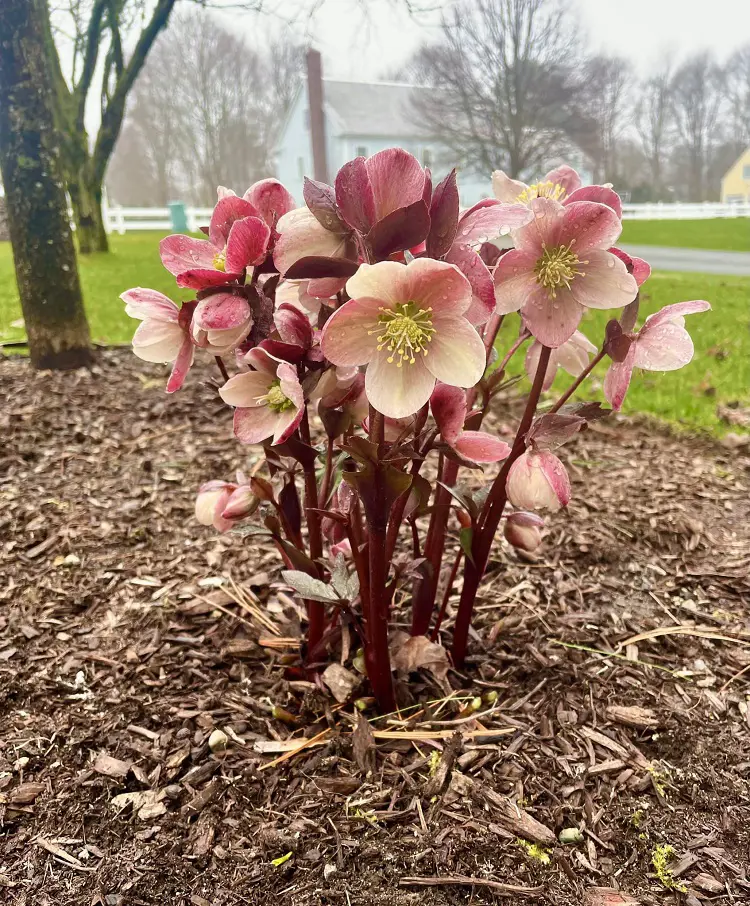
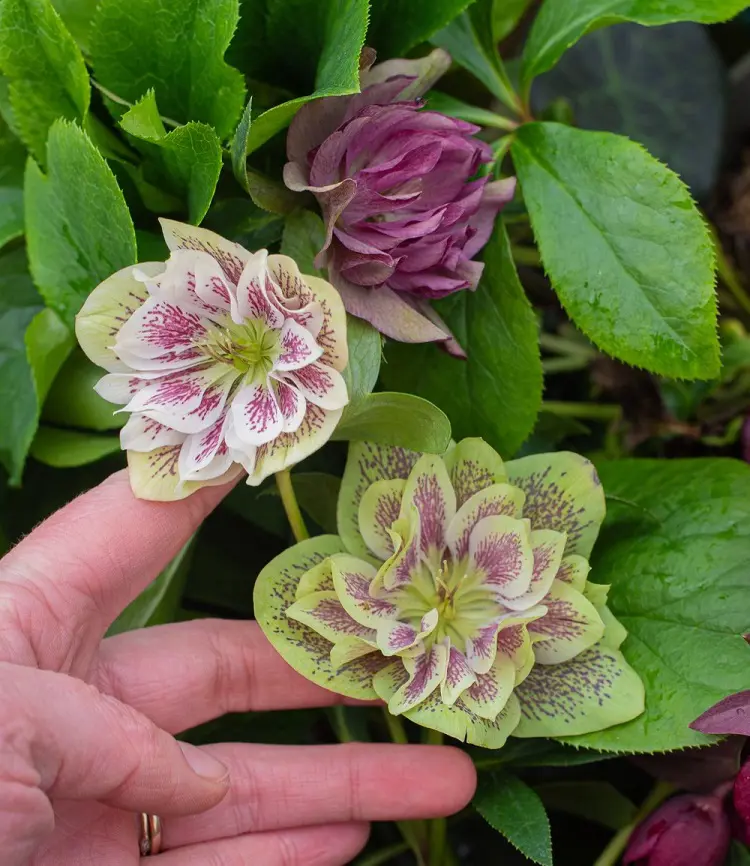
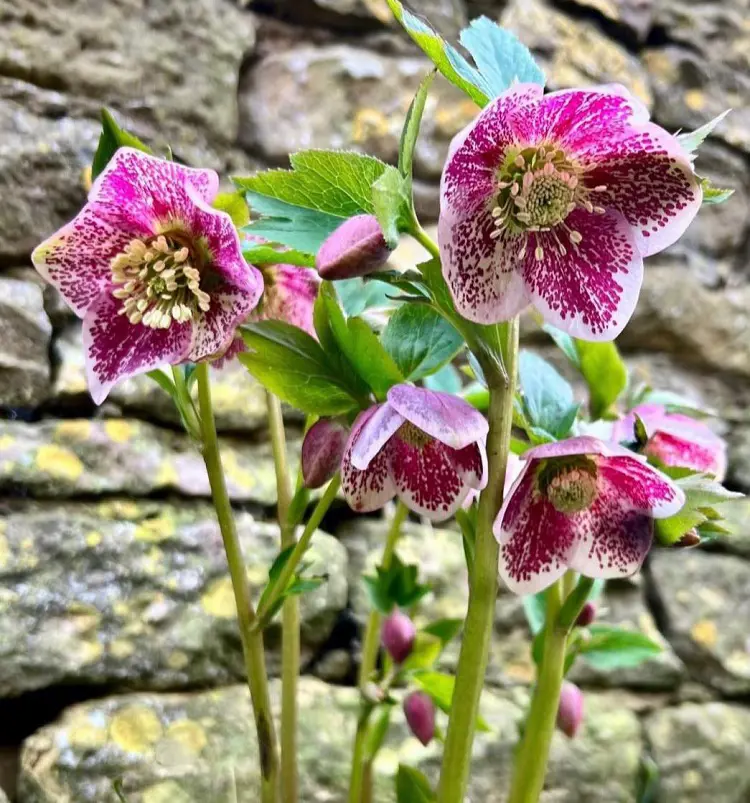
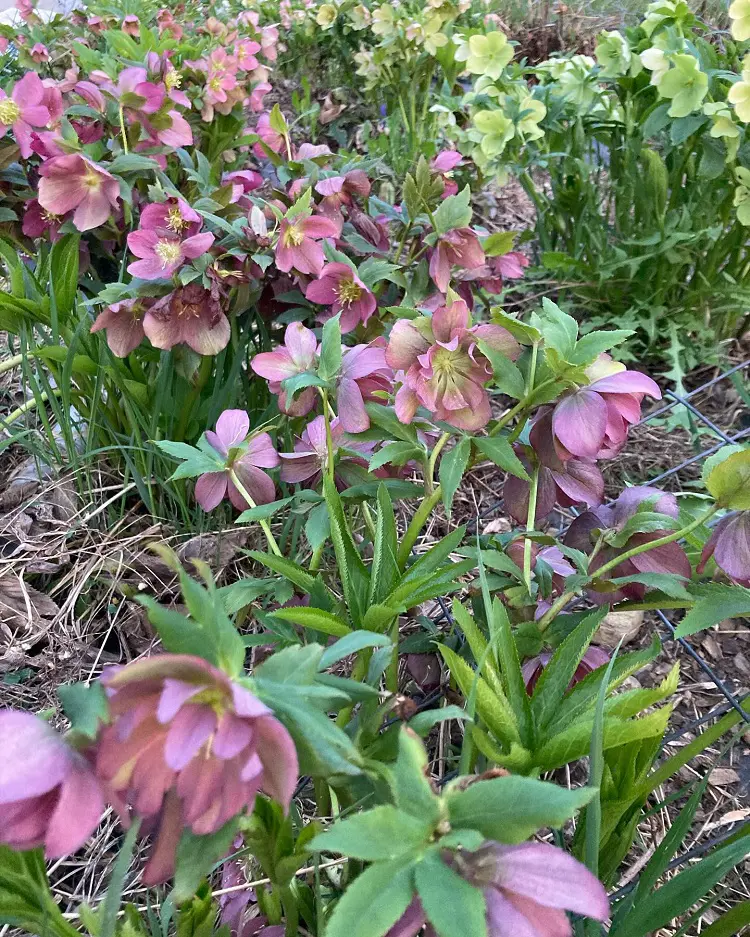
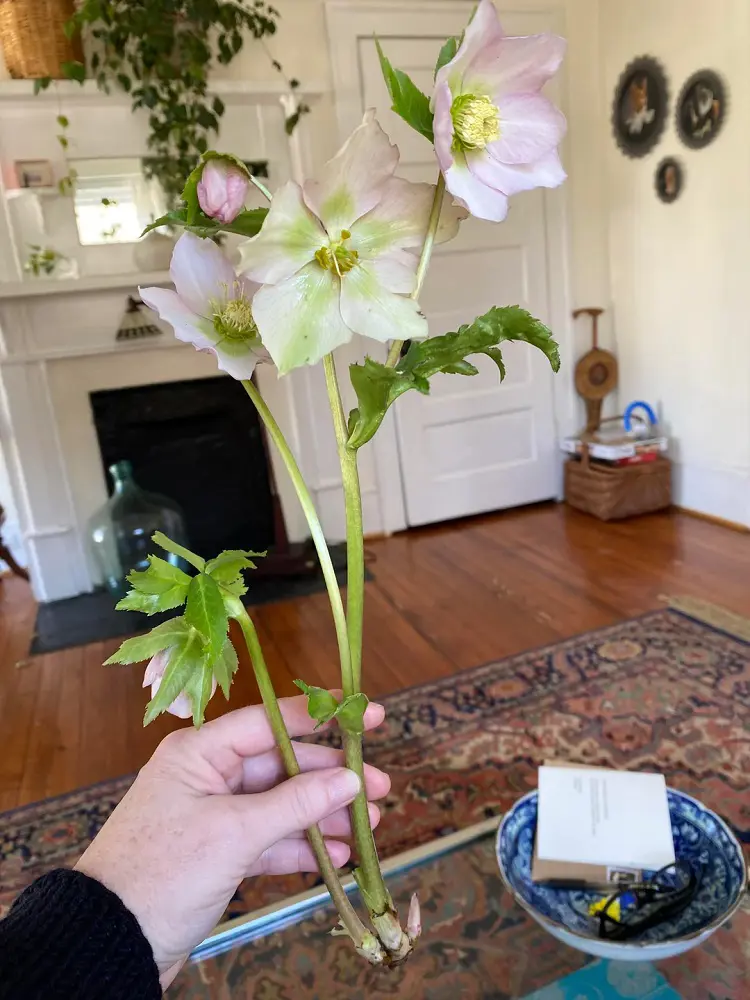
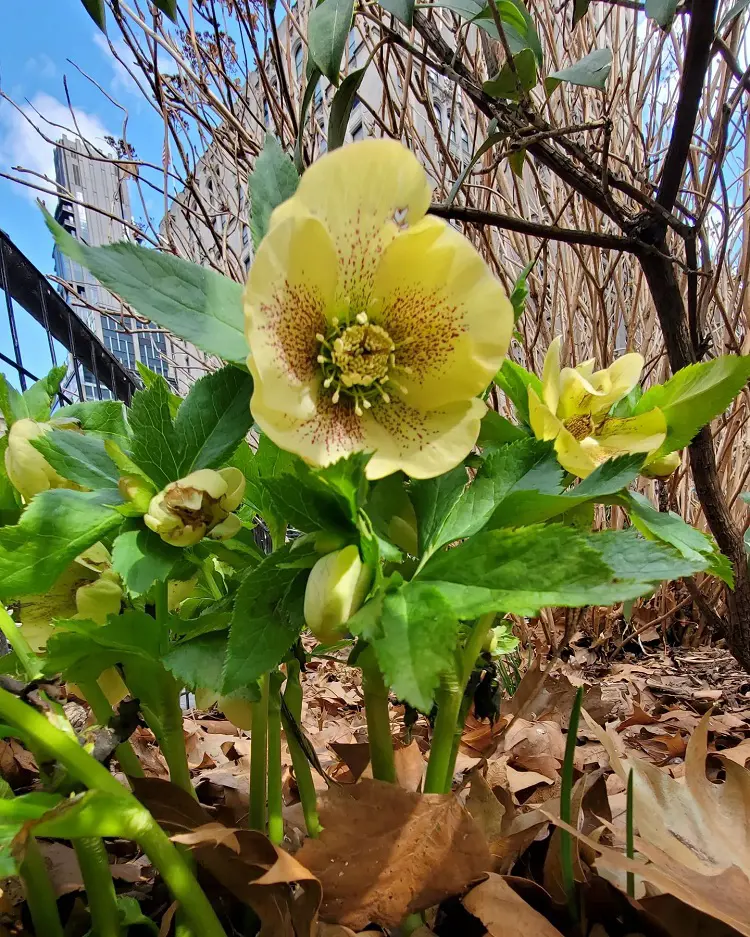
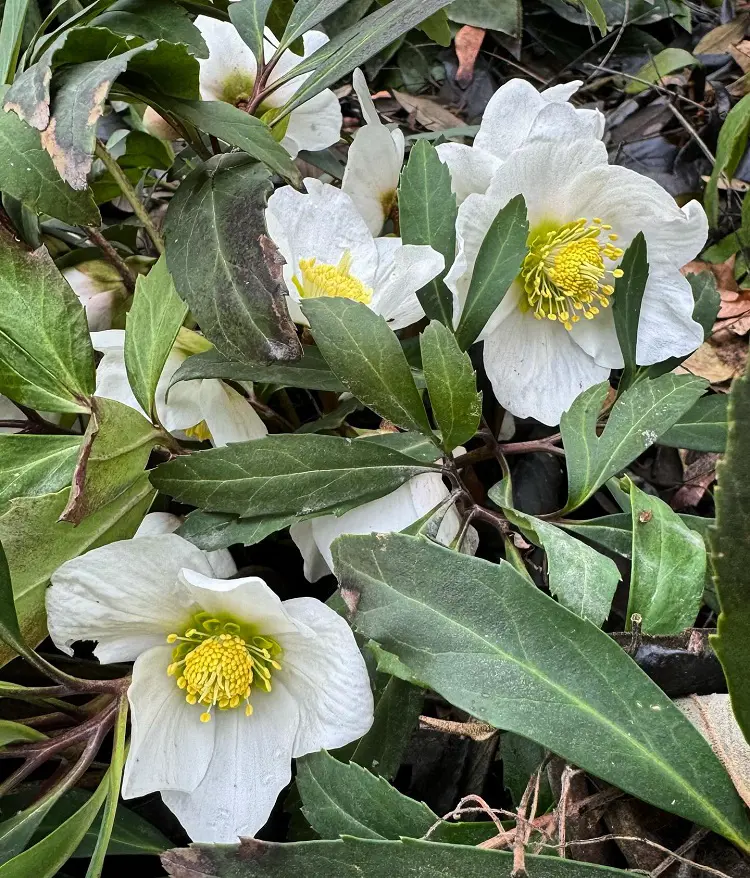
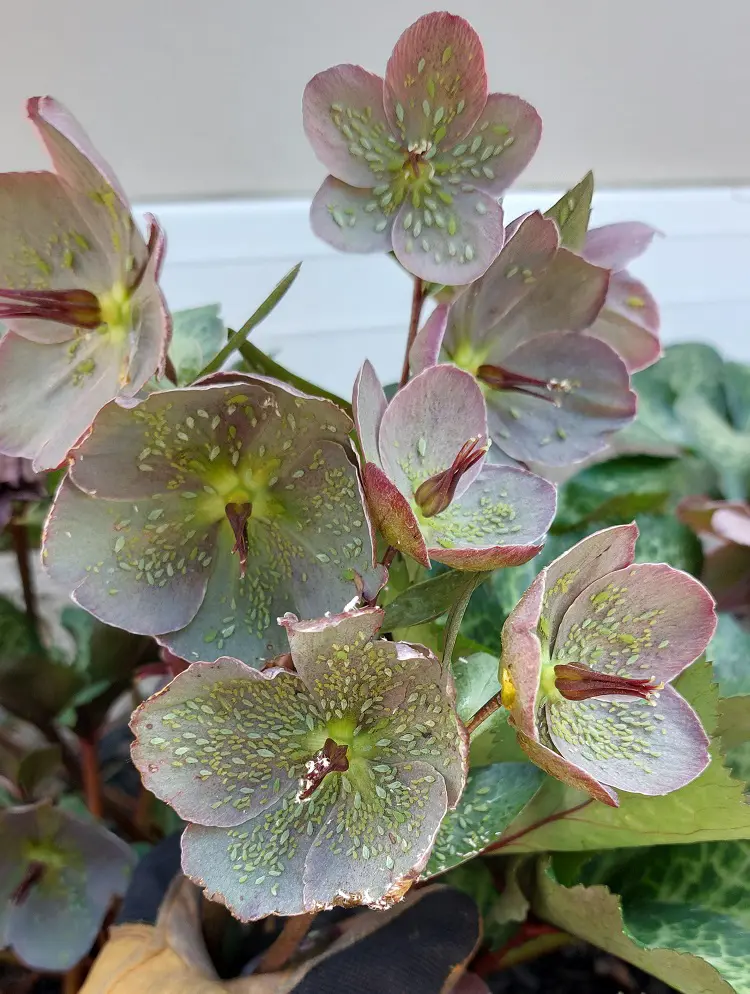
Hellebores are winter flowering plants that add much-needed color to the garden during winter when other plants are in a dormant stage. The hellebore plant comes in various flower colors, ranging from white to black.
Nodding hellebore flowers are among the first to appear in many places, and they're fragrant and durable. For those gardeners who are growing hellebores is a worthy endeavor. The hellebore plant features stunning flowers and beautiful green foliage that looks pleasing in the landscape.
Lenten roses or Hellebores are plants that bloom during early spring and have green leaves throughout the year. They are from the Helleborus genus and are perfect for the woodland garden as they require partial to full shade.
These are plants that can survive during the cold season, some of which even flower at this time when most plants are hibernating.
Hellebores produce bell or cup-shaped flowers in a range of colors, providing a much-needed dash of color in winter and early spring. They maintain their green foliage all year round without wilting or losing their appeal.
These flowers are not very demanding, and therefore many gardeners appreciate the opportunity to plant these stunning flowers in shaded territories of their gardens.
Planting hellebores, also known as Lenten roses, is a rewarding way to add early spring color to your garden. Here's a step-by-step guide:
Choosing the Right Location
When choosing the location for planting hellebores, choose an area with partial to full shade since these plants grow well in shady areas. You should use well-drained soil to avoid water logging which may lead to root rots.
Add well-decomposed compost or manure to supplement the nutrient requirements of the plants and aid in soil structure. Such conditions of shade and fertile, well-draining soil will aid in the growth of hellebores.
Timing
These beautiful winter flowers can be planted almost any time of the year but it is recommended that planting be done during the fall or early spring. Autumn planting also has benefited by letting the hellebores set down roots before the arrival of winter’s chill.
Another perfect time is planting early in the springtime because the heat of summer is not harsh on the plants and they have time to grow. The two seasons are favored by hellebores and during these times they produce beautiful flowers as well.
Planting Area
Before planting lenten rose, rake the bed to remove competing weeds that may limit access to nutrients and water. Prepare the ground by reducing the compaction for better aeration and drainage to help the roots penetrate better.
These preparations help create good growing conditions for hellebores and thus, strong and bright flowering in your garden.
Planting Steps
Dig a hole twice as wide as the plant's root ball and just as deep to give the roots ample space to spread.
Mix in compost or organic matter to enrich the soil and improve its structure.
Place the hellebore in the hole, ensuring the crown is level with the soil surface to prevent rot.
Fill the hole with soil, pressing down gently to remove air pockets and secure the plant.
Water thoroughly after planting to help the soil settle and support root establishment.
Water and Mulching
After planting hellebores, make sure the soil is consistently moist but not soggy to avoid root rot. Watering regularly is essential, particularly in dry spells.
Mulch the area surrounding the plant's base to keep the soil moist and prevent weed growth. Mulching boosts healthy plant growth by lowering the frequency of watering and assisting in the maintenance of a constant soil temperature.
Hellebores are easy to care for plants that can grow in shady conditions where most plants struggle to grow without full sun. The only actual care the plants require is a little cleaning of the dried leaves. Here is how you can care for your winter flowering plant hellebore:
Light
In the summer, hellebores do well in partial to full shade; however, in the winter, they require more sunlight. Planting under a big tree is the best option because the leaves provide shade in the summer and full sun in the winter when the tree loses its leaves.
As hellebores benefit from higher light in the cooler months and less heat stress in the summer, this balance guarantees optimal growth and flowering.
Water
Hellebores like moist soil but are sensitive to root rot if left in excessively wet conditions. It's essential to avoid waterlogged soil, especially during the plant's early stages. Once established, hellebores become more tolerant of drier soil conditions.
Finding the right balance of moisture is key, ensuring the soil remains consistently moist but not overly saturated, allowing the plant to thrive without the risk of rot.
Temperature
Hellebores exhibit varying hardiness depending on the species, with many suitable for USDA cold hardiness zones 4 to 9. Most hellebores are hardy in zones 4 or 5, making them resilient to colder temperatures.
In regions with harsh winter conditions, it's beneficial to protect hellebores from strong winds, which can cause damage to their foliage. Providing shelter from the elements ensures the plants remain healthy and robust throughout the winter months.
Humidity
Hellebores grow best in areas with balanced moisture content in the air and moderate humidity levels. Fungal problems can occur from excessive humidity, particularly in warm locations.
Maintaining ideal humidity levels around hellebores through proper circulation and ventilation encourages healthy growth and lowers the danger of diseases linked to moisture.
Soil
Hellebores require well-draining soil that is rich in organic matter because it supplies vital nutrients and promotes strong roots. This plant likes neutral to slightly alkaline conditions; adjust soil pH as needed.
Before amending, a soil test is necessary to guarantee precise modifications based on nutrient requirements and pH levels, resulting in the best possible growing conditions for vibrant and healthy hellebores.
Fertilization
To provide required nutrients to the soil when growing hellebores, mix in organic-rich fertilizers such as compost or well-aged manure. Applying a coating of fertilizer in the spring and early autumn will help to maintain healthy growth and flowering.
If the soil is already fertile, more fertilizer is usually not needed. Thus, applying organic matter regularly keeps the soil fertile and promotes healthy hellebore plants.
Pruning hellebores is a straightforward process that helps maintain plant health and appearance. Here's how to prune hellebores effectively:
Spring Pruning
Timing: Late winter to early spring is the best time for this type of pruning.
Purpose: Removing old, damaged, or yellowing leaves helps rejuvenate the plant by allowing new growth to emerge from the crown.
Method: Use clean and sharp pruners to cut the leaves close to the base of the plant, taking care not to damage the emerging buds or new foliage.
Flower Stalks
Timing: Trim the flower stalks after the blooms have faded, typically in late spring or early summer.
Purpose: Cutting back the flower stalks promotes a tidier appearance and redirects the plant's energy into developing new foliage.
Method: Trim the stalks back to the base of the plant using sharp pruners, ensuring a clean cut without leaving stubs.
Deadheading
Timing: Deadhead hellebore flowers as soon as they start to fade, usually in late spring or early summer.
Purpose: Removing spent flowers prevents the plant from diverting energy into seed production and encourages the formation of new blooms.
Method: Snip off the faded flowers just above the base of the stem using pruning shears or your fingers.
Stem Clean-Up
Timing: Throughout the growing season, monitor the plant for any stray or leggy stems that detract from its appearance.
Purpose: Trimming stray stems helps maintain a compact and tidy growth habit, enhancing the overall aesthetics of the plant.
Method: Use pruners to selectively trim back any errant or excessively long stems, ensuring an even and balanced appearance.
Fall Clean-Up
Timing: In late fall or early winter, after the plant has gone dormant, conduct a final clean-up to remove any remaining old foliage.
Purpose: Clearing away old foliage reduces the risk of pests and diseases overwintering on the plant, promoting better overall health.
Method: Trim back any remaining old leaves or stems near the base of the plant, discarding the debris to prevent potential issues in the next growing season.
Propagating hellebores can be done through division or seed sowing. Here's a guide on how to propagate hellebores using these methods:
From Division
Lift the entire plant carefully from the ground, ensuring you dig wide to avoid damaging the roots.
Use a sharp, clean knife or spade to divide the plant into sections, ensuring each division has healthy roots and at least one growth bud or shoot.
Replant the divisions immediately in well-prepared soil, ensuring they are at the same depth as they were before dividing.
Water the newly divided plants thoroughly to help them establish.
Seed Sowing
Prepare a seed tray or small pots with well-draining potting mix.
Sow the hellebore seeds on the surface of the soil and lightly press them down to ensure good contact.
Cover the seeds with a thin layer of soil or vermiculite.
Keep the soil consistently moist but not waterlogged, and place the tray or pots in a location with indirect light.
Seeds typically germinate within a few weeks to a couple of months, depending on conditions.
Winter Care
It is important to look after the hellebores throughout the winter season. Begin by putting natural mulch such as shredded leaves or compost at their base to keep the soil warm, moist, and stable.
For areas that experience freezing temperatures or a lot of snow, using protective covers or cloches helps protect hellebores’ foliage and flowers from cold and snow.
Check the soil moisture levels often to make sure it is damp but not soggy. Pruning during winter should only be done to remove any foliage that has been affected by frost or snow.
Monitor for pests and diseases and act immediately if they are noticed. Lastly, make sure the hellebores are placed in a well-lit location as they require sun during the winter period.
To make this plant bloom, begin by planting the flowers at the right time of the year which is spring or fall. It can take two seasons to bear flowers, but only if they were induced to flower while still young.
Flowering is also different based on variety and climate. For example, the Christmas rose flowers during December if grown in warmer climate areas but during spring when grown in colder regions. Do not over-fertilize with nitrogen since this gives you thick foliage but fewer flowers.
Lastly, if you care for this plant well, fertilize it, and plant at the correct timing, these flowers can bloom from December to April and make your garden look beautiful for some additional months.
Hellebores come in various plant types, each offering unique characteristics and appeal:
Helleborus Orientalis (Lenten Rose)
This variety is well-known for its early spring blooms, often appearing during Lent hence the name. The flowers come in a range of colors including white, pink, purple, and green, often with speckles or veining. The evergreen foliage adds year-round interest to the garden, making it a popular choice for shady areas.
Helleborus Niger (Christmas Rose)
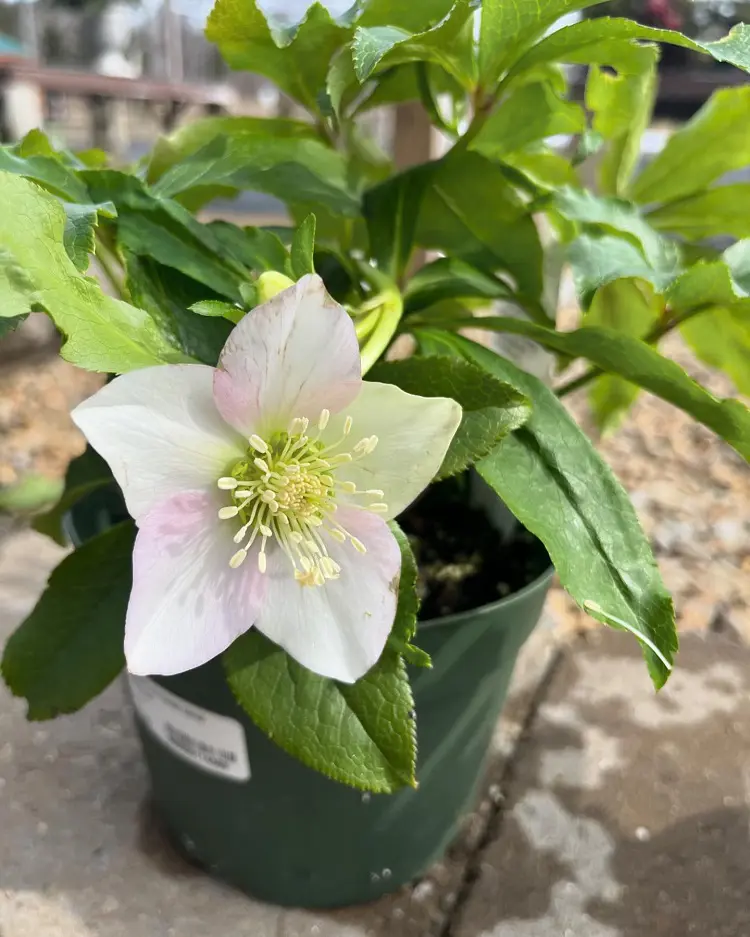
In milder areas, the Christmas Rose usually flowers around Christmas time and is highly valued for this reason. It has pretty white or light pink blossoms that look stunning against the deep green foliage. Despite its name, it belongs to the hellebore family and is not a genuine rose.
Helleborus Foetidus (Stinking Hellebore)
This particular type of hellebore, despite its unappealing name, is prized for its distinctive greenish flowers and finely cut foliage. When few other plants are in bloom, it adds interest to the garden with its late winter to early spring blossoms. The flowers have an interesting fragrance, hence the common name.
Helleborus Argutifolius (Corsican Hellebore)
Large brilliant green blooms blooming on tall stems differentiate this variety. With its typical late winter to early spring bloom, it adds a pop of color to the garden. It's an eye-catching option because of the contrast and texture the prickly foliage provides.
Helleborus Viridis (Green Hellebore)
As the name suggests, this hellebore type is known for its delicate green flowers that appear in early spring. The foliage adds an elegant touch to shaded areas, creating a serene and calming atmosphere in the garden.
Helleborus x hybridus (Hybrid Hellebores)
These are crosses between different hellebore species, resulting in a wide range of colors, flower forms, and bloom times. Hybrid hellebores offer gardeners a various selection to choose from, with options ranging from single to double blooms in different shades. They are loved for their versatility and ability to thrive in different garden conditions.
Hellebores are generally resistant to pests and diseases, but they can still be affected by certain issues. Here are some common pests and diseases that may affect hellebores:
1. Aphids: These small, soft-bodied insects can cluster on hellebore leaves and stems, sucking sap and causing damage. Regular inspection and insecticidal soap can help control aphid infestations.
2. Slugs and Snails: These creatures can feed on hellebore leaves, causing irregular holes and damage. Use slug and snail baits or barriers to protect hellebores from these pests.
3. Hellebore Black Death: This is a serious disease caused by the fungus Coniothyrium hellebori. It can lead to black streaks on stems, blackening of flower parts, and overall plant decline. Remove and destroy infected plants to prevent the spread of the disease.
4. Botrytis Blight: Also known as gray mold, this fungal disease can affect hellebore flowers and foliage, causing them to become discolored, mushy, and moldy. Improve air circulation, avoid overhead watering, and remove affected plant parts to control botrytis blight.
5. Crown Rot: This fungal disease can cause the crown of hellebores to rot, leading to wilting, yellowing, and eventual death of the plant. Ensure proper drainage, avoid overwatering, and plant hellebores at the correct depth to prevent crown rot.
6. Leaf Spot: Various fungal pathogens can cause leaf spots on hellebores, resulting in dark spots or lesions on the foliage. Remove and destroy infected leaves, improve air circulation, and avoid overhead watering to reduce leaf spot incidence.