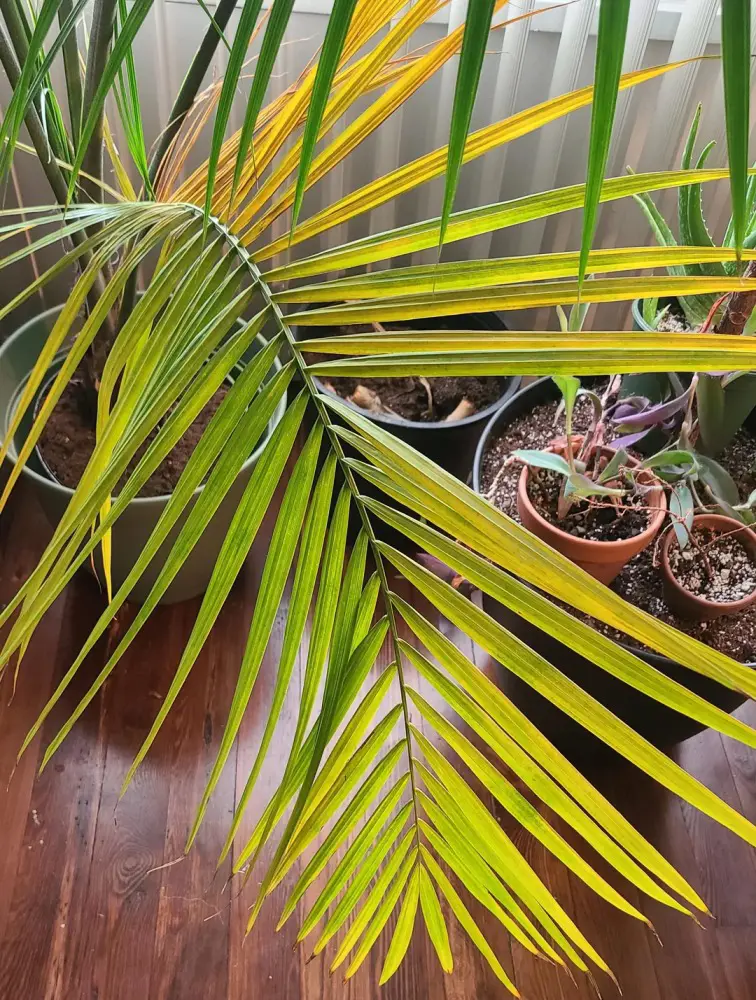
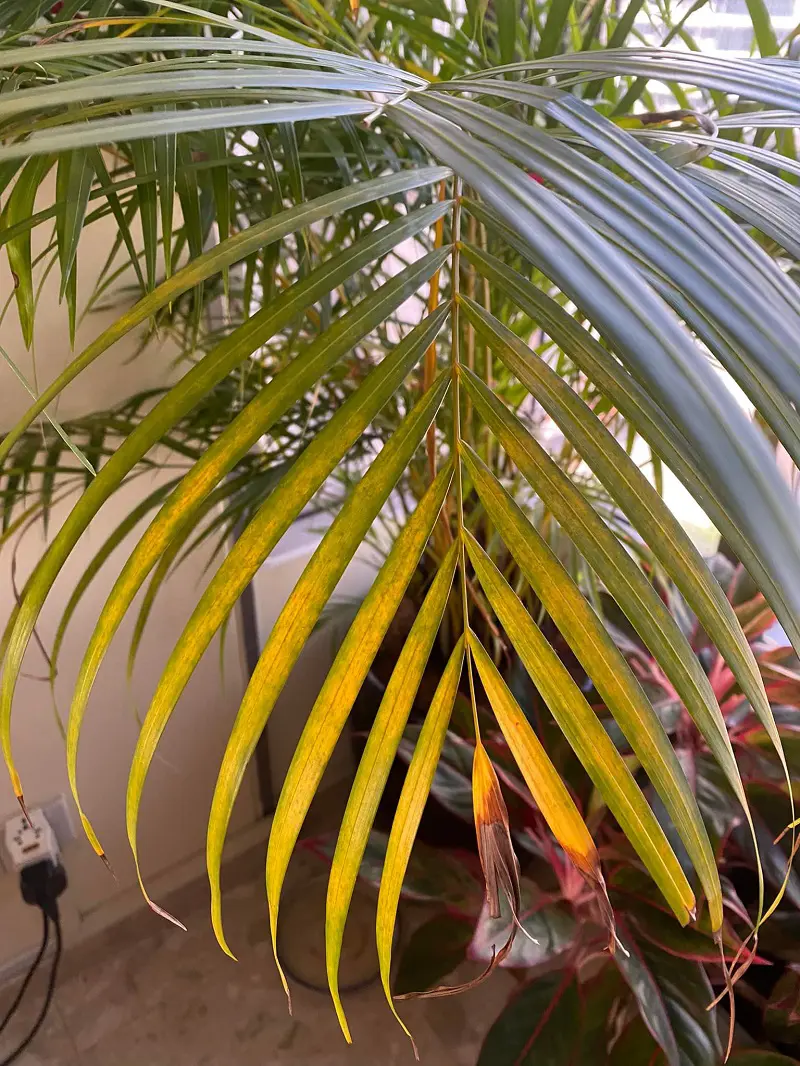
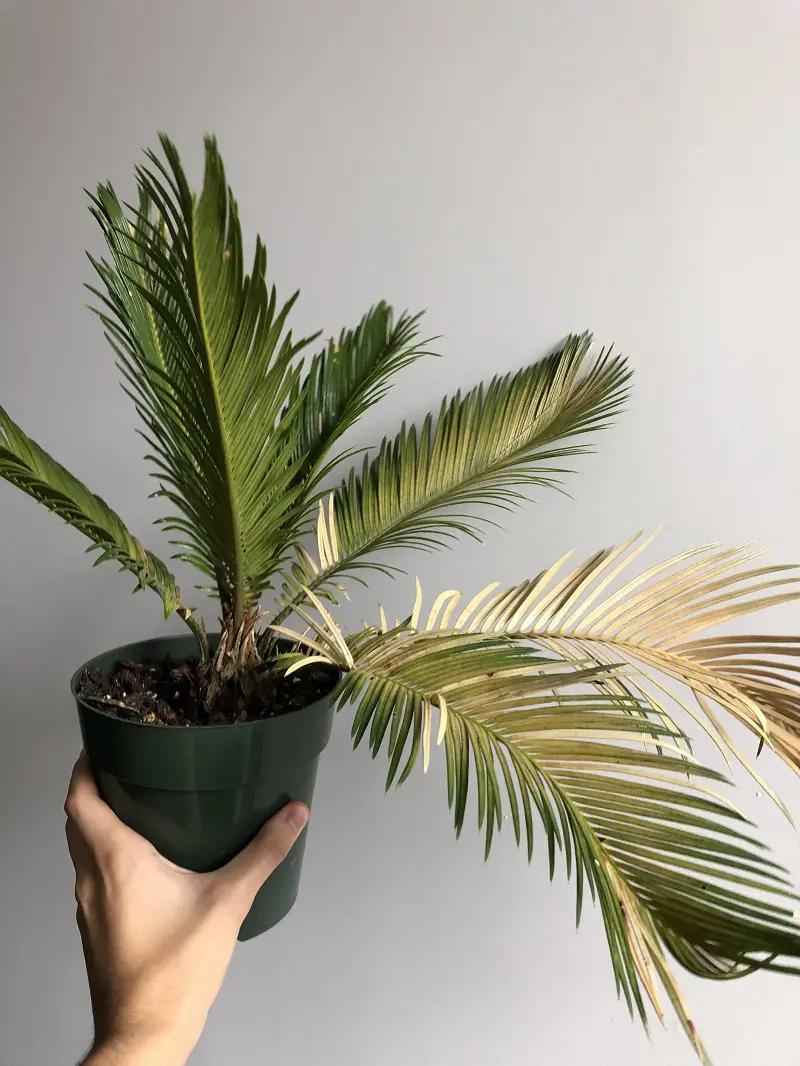
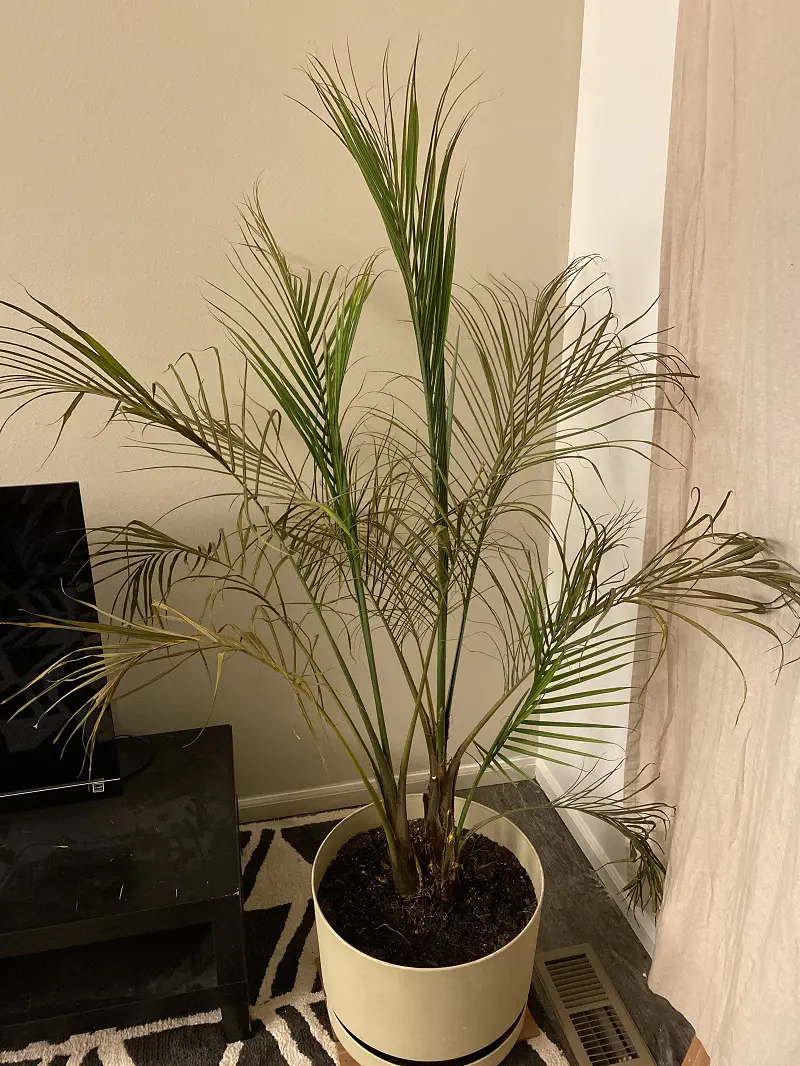
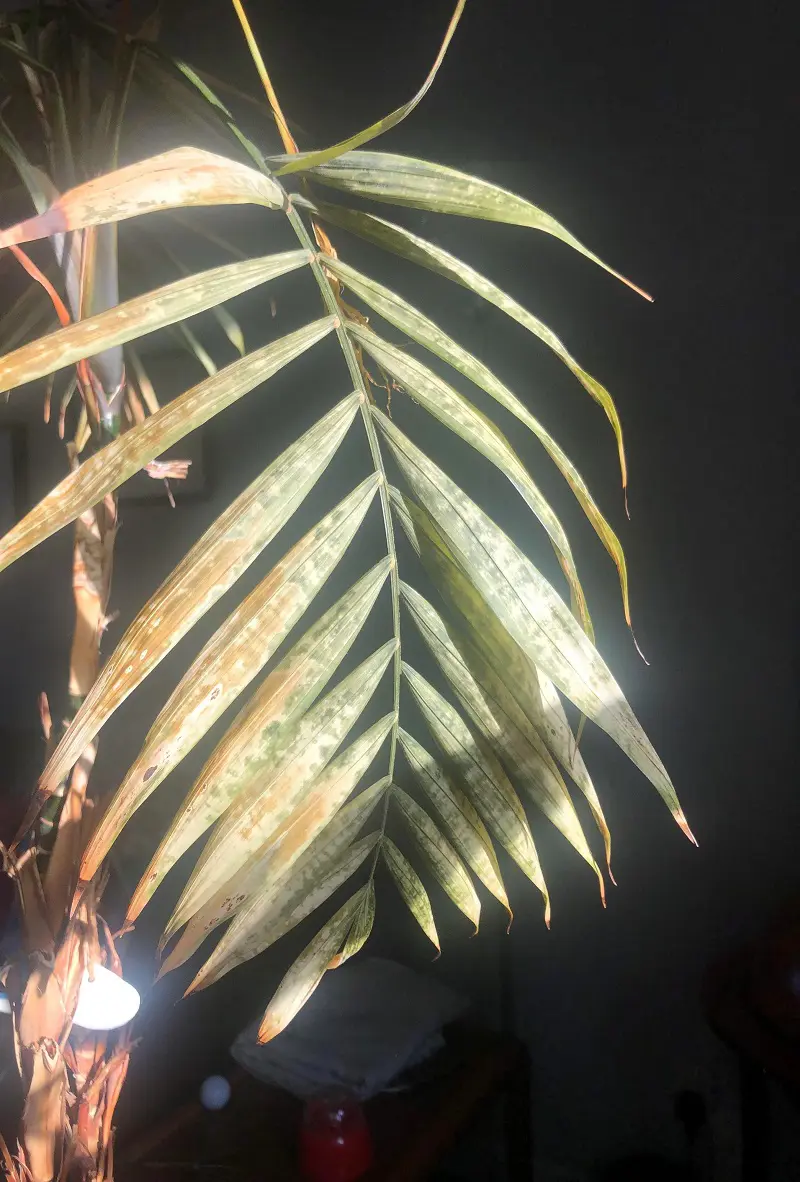
Palms are cherished for their tropical appearance, making them popular choices for both indoor and outdoor settings. However, maintaining their health can be challenging, especially when they are kept in different environments.
Palms often struggle to acclimate in homes and offices, leading to yellowing leaves due to climatic mismatches. This guide covers common causes and simple solutions to restore your palms to their lush, tropical glory, ensuring they thrive even in indoor environments.
Most palm trees such as the Fans, Foxtail, and Alexandria thrive in direct sunlight. This means they require 6+ hours in the sun. If the area is too dark, the plant can't do photosynthesis to produce energy for sustenance.
And owing to its natural sunlight persistent habitat, palms lack contingency plans for states of low energy. Instead of trying to conserve their energy, they keep producing new leaf spears and fronds.
Place Next To Windows
The best way to get your palm plant direct light is from unobstructed southern and western-facing windows. If the window has any obstructions such as from a curtain or shades from outside trees and buildings, the plant should be placed closer to the window.
Eastern and northern-facing windows provide timid or no sunlight at all.
2. Excessive Sunlight
However on the other end, some palms for example Parlour, Adonidias, Majesty, and Lady palm require relatively low or shaded indirect light despite being tropical palms.
Hence, placing them improperly in direct sunlight for extended periods can be a source of your palm yellowing as it can cause leaf scorch damage and brown or black leaf spots.
Have Shades
Suitable indirect light can be found next to an east-facing window as the morning rays are tame compared to the rest of the day or the north-facing window where the sun is tipped away.
Those aren't an option, place the palm a few meters back from an unobstructed southern or western window. However, the best solution would be to have curtains or natural shade. Therefore, always look up the palm-specific preferences before deciding where to place them and check if your palm is acclimatizing regularly.
Another reason for yellow palm leaves is that the soil is lacking essential nutrients such as nitrogen, phosphorous, potassium, magnesium, and manganese.
These all help the trees to stay green, grow properly, survive, and thrive. When palms don’t have access to these nutrients, nutritional deficiency often shows up as signs in the leaves such as yellow fronds, yellow spots, and withered or shriveled leaves depending on the specific deficiency.
Slow Fertilizer
To know if any vital nutrients are missing, a surefire way is to perform a soil test. You can either DIY with a kit brought online or from your local garden store, hire an arborist, or otherwise send the sample of your soil to a local agriculture laboratory.
Based on the test results, consult an arborist for recommendations such as types of fertilizer to use, your palm's requirements and replenish the much needed nutrients with a slow-release fertilizer. Afterward, have a plan to fertilize your palm soil three or four times a year regularly.
4. Over-Fertilizing
On the other hand, you may have been over-fertilizing your palms. In general, over-fertilization is always harmful to plants. They can occur when applying the wrong type of fertilizers or excess of the recommended dosage which can occur when applying fertilizers without proper consultation with an arborist or other experts.
Always ensure the right type and dosage or if your fertilizer wasn't a slow-release type. This can lead to root burns, wilting of leaves, and eventually the death of the tree.
Water and Drain
Always follow the recommended dosage for fertilizers. If your arborist suspects over-fertilization, act fast! Pour water into the soil to immediately dilute the fertilizer mixture and allow fertilized-concentrated water to drain away quickly.
Read the package of your fertilizer for instructions on proper disposal techniques of the fertilizer. Ensure to properly dispose of run-off fertilizer-contaminated water as it can contaminate local water systems as well as be considered a felony depending on your local state laws.
Browning and yellowing of leaves can also be caused by having water-logged soil. Dig into the soil of your palm tree around 6 to 12 inches (15-30 cm) deep, if the soil is found to be soggy and saturated, it is a sign of improper or lack of drainage. It shows up as yellow or browning leaves which fall off and die.
It can cause various aliments on your palm tree ranging from blackened roots, to root rot and even the attraction of pests and fungus.
Air and Drain
Stop watering your palm trees any further immediately and wait until the water drains out of the soil. If the underground root zone is still soggy, then its time to get a digging. Loosen the soil gently whilst avoiding the palm roots to create an air pocket around the roots to prevent extended water logging.
However, this is only a temporary solution. You need to dig up the plant entirely and add proper drainage channels.
6. Under-Irrigation
Whereas palm leaves turning yellow-brown entirely then falling off can be a sign of excessive water, insufficient water will show up as leaves turning brown and crispy at the tips.
To check, as done previously dig the soil about 6 to 12 inches (15-30 cm) deep. If your soil in that area crumbles readily then your plant is not getting enough water as the water is not seeping properly to the root area. If it is wet then it could be insufficient water as young palms simply require much more water than established older palms.
Slow Watering
While the plants should obviously be watered regularly before the soil becomes too dry. Just simply wetting the surface of the soil doesn’t get water to seep into the tree roots properly.
Use a slow watering method such as watering in fewer amounts but more frequently, drip irrigation or watering directly to the roots area through tubing will allow the water to wet 6 to 12 inches of soil or reach the palm roots directly.
Of course, palms being trophic trees grow best with warmth. Remember, most palms grow near the oceans which means temperature change is low or negligible with almost no difference between day and night temperatures near the coast.
With palms preferring temperatures of 21-27 °C, it's important to simulate the lack of day-night temperature flux near the coast or at the very least, prevent the temperature from dipping below 15 °C at night.
Place in Advance
During a heatwave, shield the palms from the harsh sun, and during winter, away from windows, doors, and vents where chills are likely. Avoid placing near air conditioners and heaters which causes fluctuations in temperature and humidity.
When moving your palm, do it gradually to prevent shock from sudden temperature changes as palms are not used to temperature changing, owing to their non-temperamental temperature habitat.
8. Moist Leaves
While palms do prefer high humidity, excessive humidity and especially palms getting wet and moist foliage from irrigating improperly or improper palm spacing can invite diseases in palms such as graphiolia leaf spots and brown spots which can result in palm leaves turning brown.
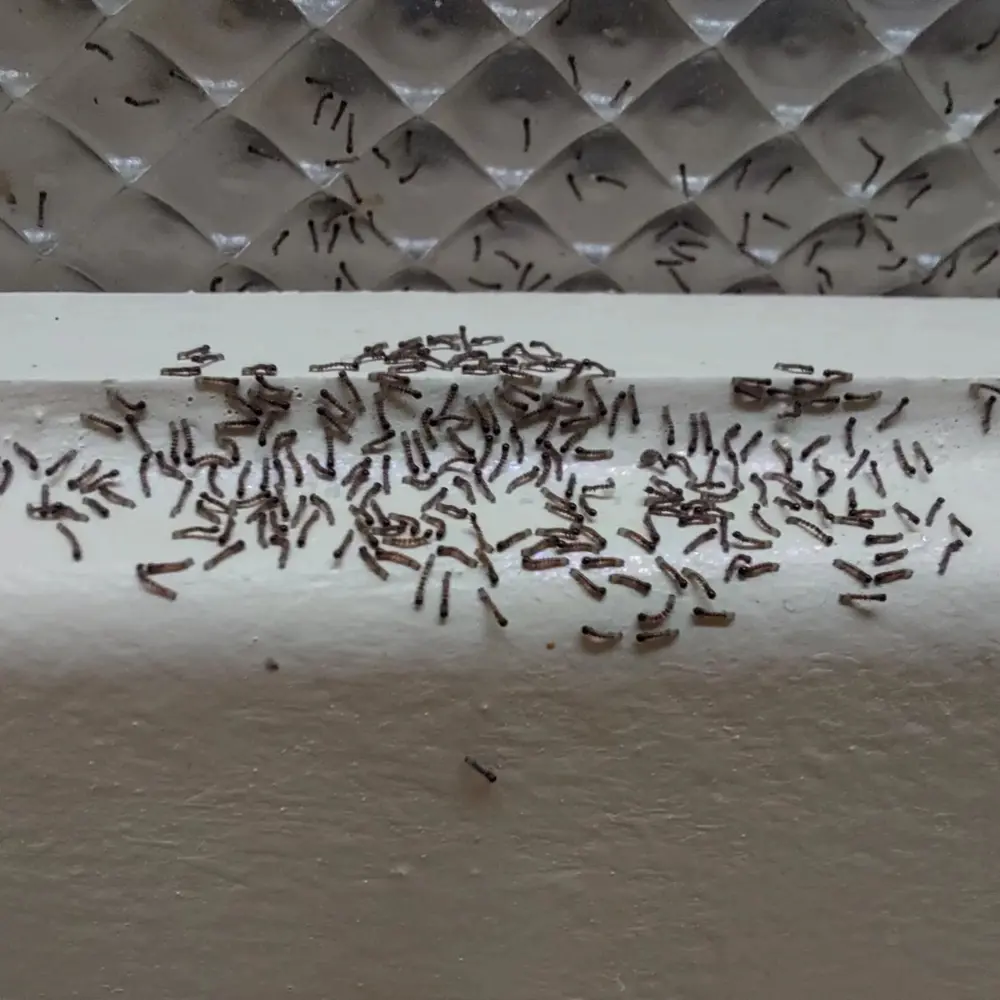
High-moisture environments are also a free invitation for mealybugs, fungus gnats, and whiteflies.
Proper Space Your Palms
Assuming that you have checked the above suggestions and have discovered no water-logging occurring in the soil, sufficient temperature, sunlight, and nutrition.
Then the lack of proper palm spacing could be the culprit as it prevents good air circulation and creates an area of high moisture. Ensure that the palm foliage doesn't become wet during irrigation as well.
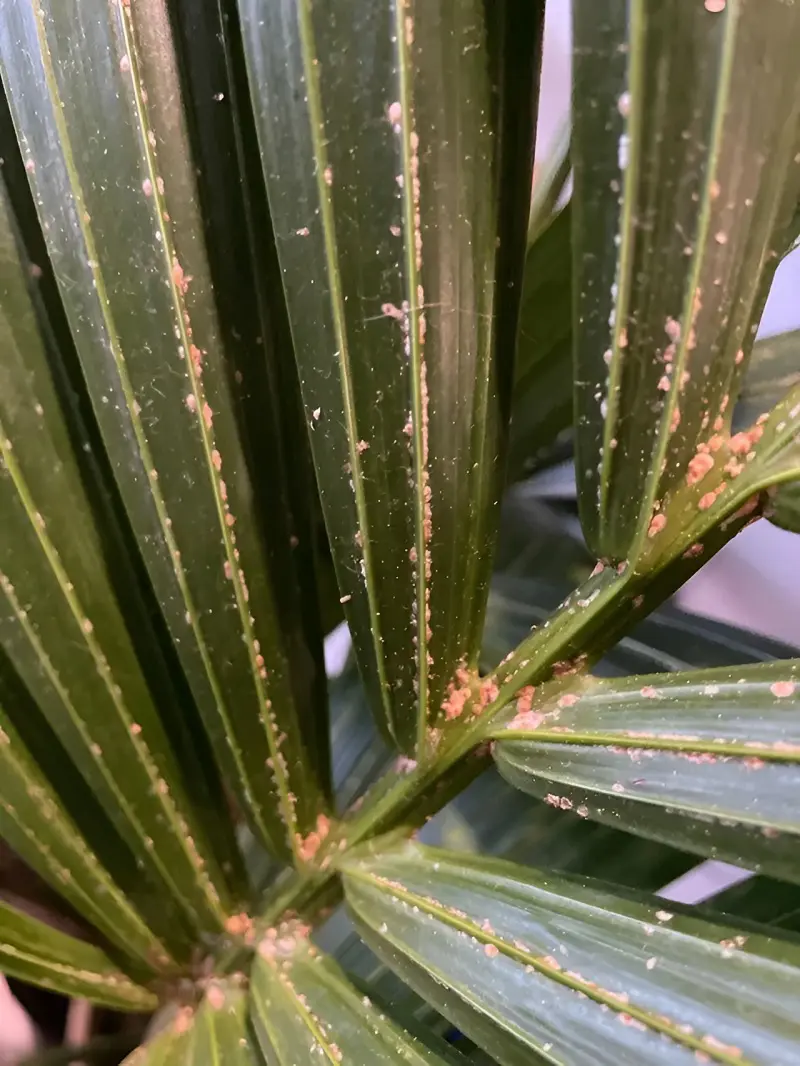
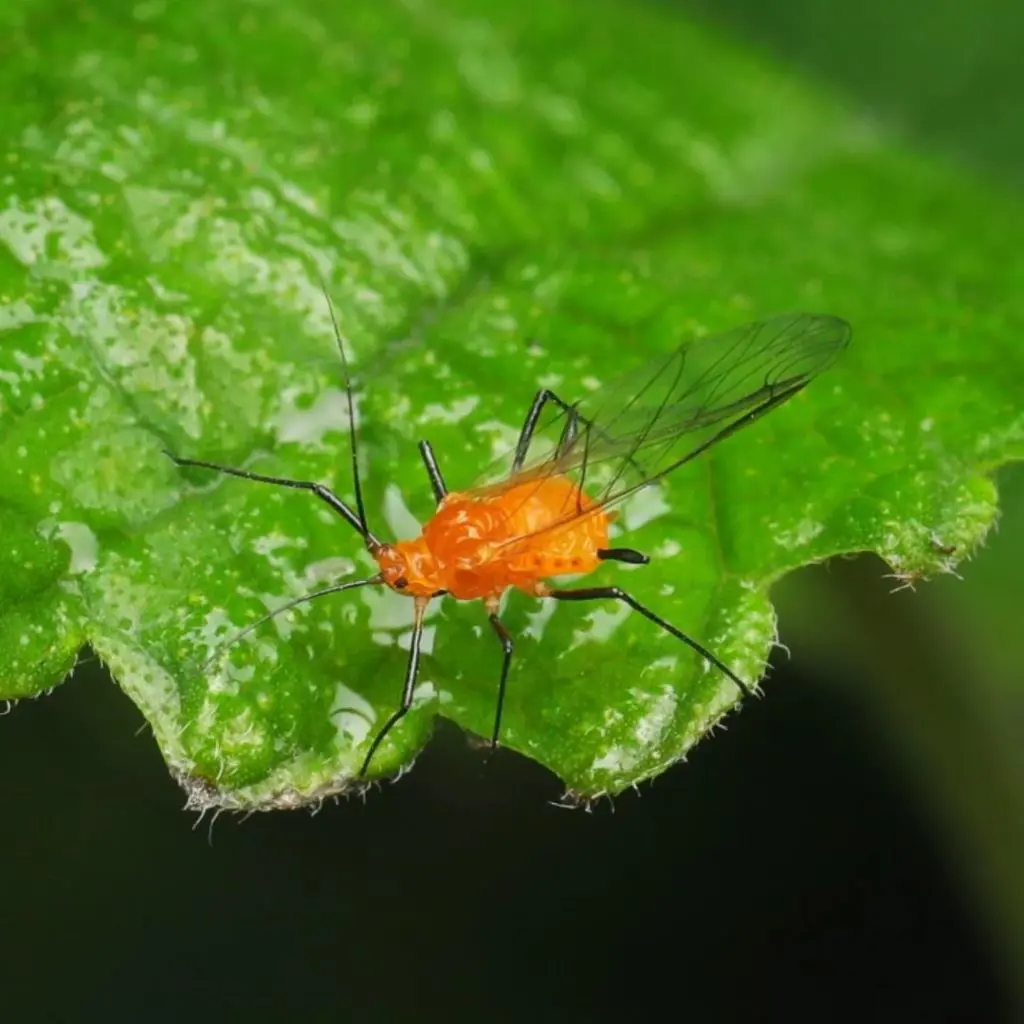
Webs, sticky film on palm fronds, or visible bugs on leaves are signs of pest infestation taking root in your palms. They can either be palm tree weevils, sap-sucking spider mites, scales, and mealybugs.
Mites may not directly harm the palm but drinking the saps and water dews dry, it creates an environment of low moisture for your palms. The remaining pests cause direct damage with their piercing mouths and drain the vitality of the palm accelerating the palm tree turning yellow.
Pray and Spray
Because pest problems can be tough to treat on palms, it is imperative in this scenario to contact a certified arborist to consult as the treatments are pest-specific, and applying the wrong treatment does nothing, accelerating the death of your palm.
Once your arborist properly diagnoses and determines the best solution such as horticultural oil, insecticidal neem soap, alcohol swabs, or a general-use insecticide/miticide start applying them. Stay within the recommended dosage and reapply throughout the day as direct contact is needed to kill the pests.
10. Natural Aging
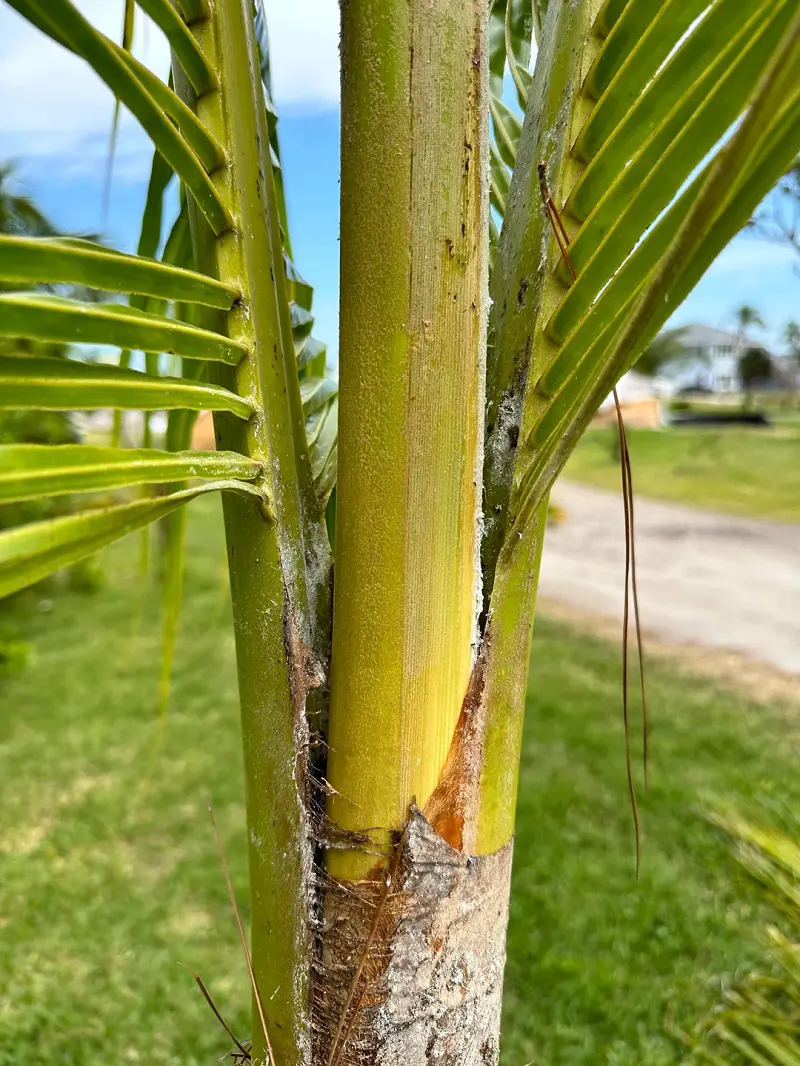
When palms grow up, they will naturally have fronds that are on the bottom of the tree and turn yellow. This is completely natural and is a part of their natural pruning process where the fronds will then proceed to fall off after turning yellow.
Since it requires the palm fronds to turn yellow beforehand, it can be understood why this can be concerning for most people.
Wait and See
Simply be patient, wait, and see. If the region of the palm plant turning yellow starts spreading to the upper regions then it is time to be concerned and look at the other further potential causes that we have listed below.
Otherwise, if most fronds are still green then their crowns will soon be renewed with vigorous fresh fronds without you needing to do anything.
If your palm leaves are droopy, withering, and discolored. This points to a potential fungal infection such as the white-rot fungus "Ganoderma root" which all palm species are susceptible to, but not necessarily.
Fungal infections cause the thick woody tissue of a palm trunk to degrade, making it hard for the palm to absorb water and nutrients for the tree and encourage pests to settle. Some common causes of fungus could be water-logged roots, fungal sporulation, and the use of unsanitized pruning tools containing spores.
Start Cutting
Start cutting by pruning away the most severely infected fronds while at the same time taking care to avoid over-pruning which is a stressor for the palms and can degrade their health further.
Quarantine the infected palms and contact an expert arborist for anti-fungal recommendations. They may recommend using copper fungicide sprays to prevent the fungi from spreading to other leaves.
If you are using copper fungicide sprays, wear a mask and ensure that the sprays cannot get into or settle on your food as they are hazardous to human health. If you aren't already using sanitized pruning tools then start doing so from now on.
12. Over-Pruning
As with any tree, avoid trimming too many leaves at one time. But, especially with palms as they don't require any pruning at all with the capability to naturally shed their leaves. This process occurs by the palm draining the lower-most leaves out of all their nutrients which finally causes them to fall off.
If the leaf hasn't fallen yet then it's likely that it still contains valuable nutrients for the palms. Hence, if you cut them before they fall off, the yellowing simply spreads upwards as the palm still needs to drain nutrients from their leaves, and with the previous choice being cut off, they move on to the next leaf on the list.
Prune Sparingly
The only reason legitimate reason for pruning palms is for decorations. Any unnecessary pruning over-stresses the palms which causes the leaf tips to be browned. Potentially causing malnutrition, combined with stress makes them vulnerable to pests and diseases. If you’re going to prune, only remove leaves that are fully brown and confirmed dead.
If you stop pruning, the brown-tipped leaves of the stressed palm will return to a healthy green provided that you made a proper diagnosis and haven't overlooked any other underlying issues.
Final Thoughts
When introducing new plants to the rest of the plants in your home or office biome, make sure to quarantine them. Set them aside for a few weeks to see if any signs of pests or diseases develop. Pests and diseases can spread to your other neighboring plants and result in a local epidemic.
This is especially devastating for your palms as it is harder to root out pests and diseases in palms compared to other plants. Following the steps mentioned above along with our solutions for identifying various causes and symptoms to keep your local paradise safe.