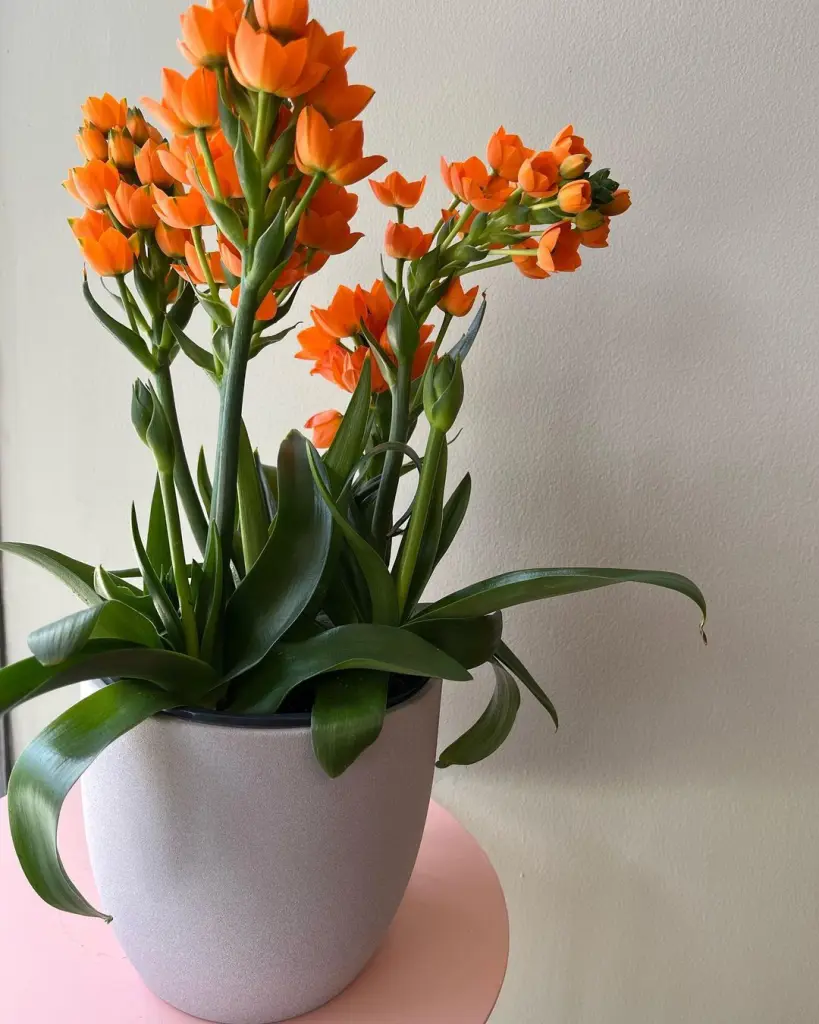
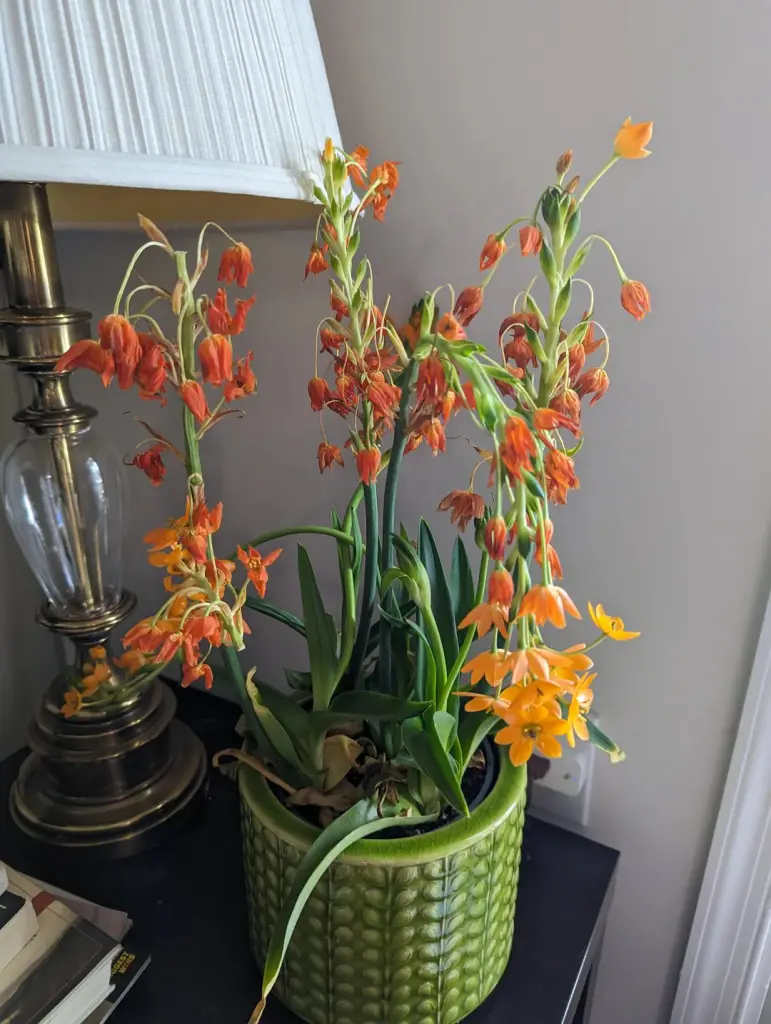
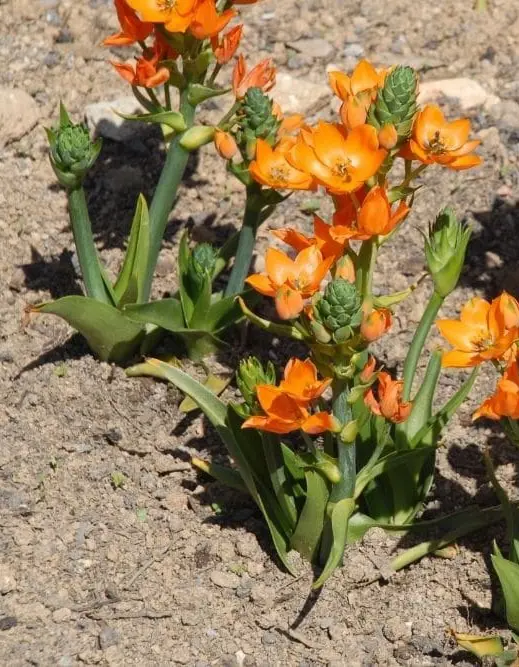
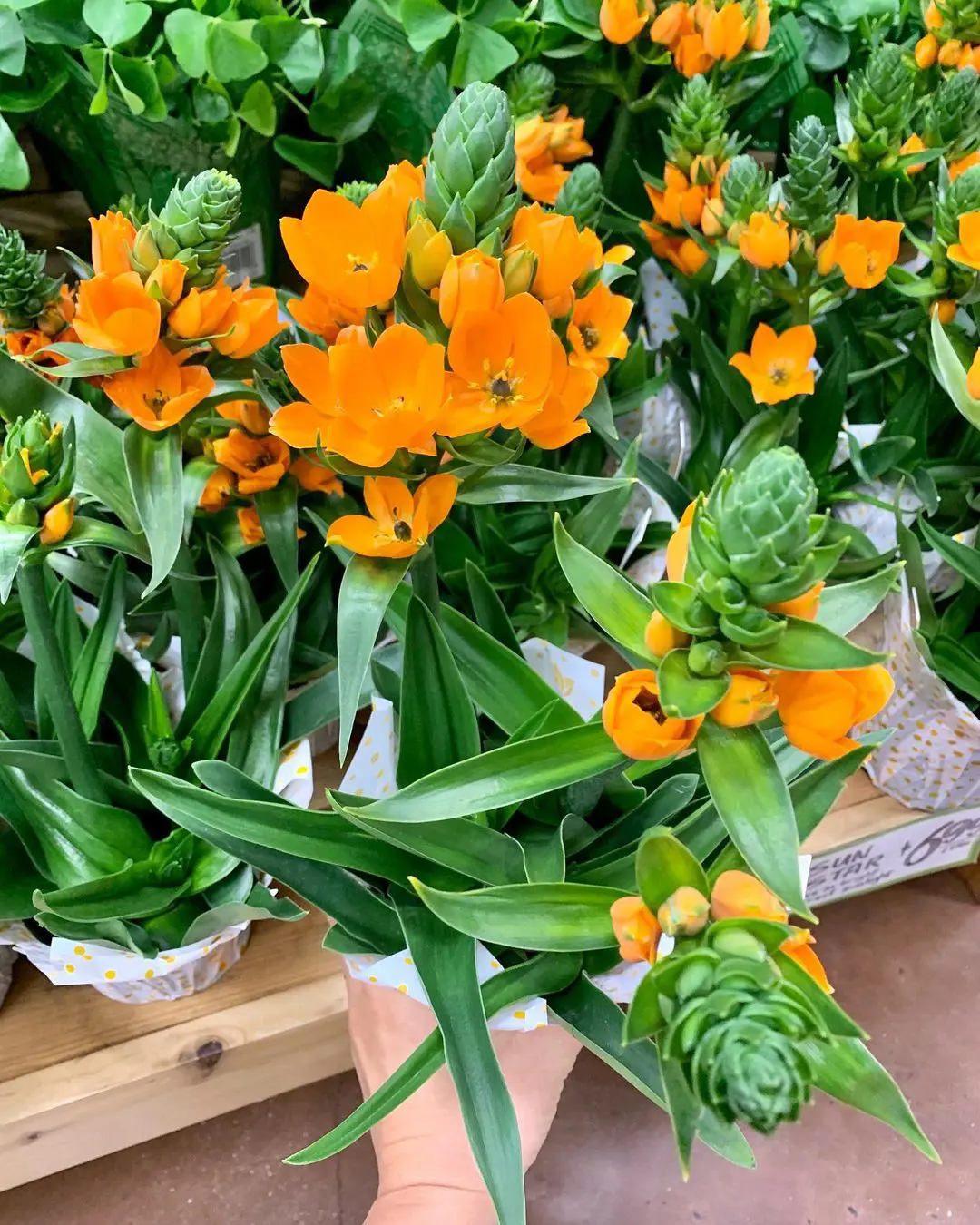
The orange star plant, also known as Star of Bethlehem, snake flower, or sun star, is a delightful and easy-to-care-for addition to any garden. Once you understand their growing habits, caring for these plants becomes a breeze.
Not only do they brighten outdoor spaces, but orange star flowers also make stunning cut flowers for indoor displays. Read on to discover how orange star plant care can be done and enjoy their dazzling blooms season after season.
The Orange Star plant, also known as the Star of Bethlehem flower (Ornithogalum dubium), is a vibrant and eye-catching addition to any garden. Here's a detailed guide on when and where to grow Orange Star plant :
Planting Time:
The ideal time to plant Orange Star bulbs is in the fall. This timing allows the bulbs to establish their root systems before the ground freezes, setting them up for successful growth and blooming in the following spring.
Hardiness Zones:
USDA Zones 3-8: The Orange Star Plant can be grown outdoors in these zones.
Zone 3: In this cooler zone, mulching is necessary to protect the bulbs during winter.
Zones 4-8: These plants can grow without mulch in these zones.
For Cooler Climates:
If you live in an area with a cooler climate that falls outside of these zones, don't worry. You can still enjoy the Orange Star Plant by growing it in a controlled environment:
Conservatories
Glasshouses
Greenhouses
In these protected environments, the Orange Star Plant can bloom from late winter to spring, providing a colorful display for up to three months.
Planting Location:
When choosing a spot for your Orange Star Plant, consider the following:
Sunlight: These plants prefer full sun to partial shade.
Soil: Well-draining soil is crucial to prevent bulb rot.
Spacing: Plant bulbs about 3-4 inches apart and 3-4 inches deep.
Water: Ensure the area has good drainage to avoid waterlogging.
The Orange Sun Star Plant is a striking flowering bulb that can add a pop of vibrant color to both outdoor gardens and indoor spaces. With proper care, these plants can provide a stunning display of star-shaped blooms for extended periods.
Blooming Patterns
Outdoor plants typically burst into bloom every spring, offering a spectacular show for about two months. Indoor plants, however, can be even more generous with their display, potentially flowering for up to three consecutive months.
This extended blooming period makes them particularly valuable as indoor ornamentals.
Maintenance Tips
1. Deadheading:
Removing faded flowers is crucial for maintaining the plant's appearance and vigor. Gently grasp the base of a spent flower and pull it away from the main stem. This process:
Keeps the plant looking fresh and tidy
Redirects the plant's energy from seed production to new flower formation
Can potentially extend the blooming period
Prevents fungal growth on decaying petals
2. Foliage Care:
The plant's leaves play a vital role in storing energy for future growth. When the foliage begins to yellow, it's a sign that this process is complete. At this point:
Cut back the yellowing leaves near the base
Use clean, sharp scissors or pruning shears to prevent disease transmission
Leave any green foliage intact, as it's still contributing to the plant's health
Dispose of the cut foliage to prevent pest or disease issues
3. Fertilization:
Proper nutrition is key to robust growth and abundant flowering. Use a slow-release liquid fertilizer throughout the growing season:
Apply fertilizer every 2-4 weeks, depending on the product instructions
Choose a balanced fertilizer (e.g., 10-10-10) or one slightly higher in phosphorus to promote flowering
For container plants, consider using a fertilizer formulated for bulbs or flowering plants
Always water the plant thoroughly after fertilizing to prevent root burn
4. Container Care:
Growing Orange Star Plants in containers requires extra attention:
Use a well-draining potting mix to prevent waterlogging
Ensure the container has adequate drainage holes
Water when the top inch of soil feels dry, but avoid letting the soil dry out completely
Consider repotting every 2-3 years to refresh the soil and provide more space for bulb multiplication
5. Light and Temperature:
Outdoor plants thrive in full sun to partial shade. In hotter climates, some afternoon shade can prevent leaf scorch
Indoor plants should be placed near a bright window, but protected from harsh, direct sunlight which can damage the leaves
These plants prefer temperatures between 60-75°F (15-24°C). They can tolerate brief periods of cooler temperatures but should be protected from frost
6. Overwintering:
In colder regions (below Zone 7), take steps to protect your plants:
For outdoor plants, apply a thick layer of mulch (4-6 inches) over the soil after the first frost
Container plants can be moved to a cool, dark place like a garage or basement. Water sparingly during dormancy
In spring, gradually reintroduce the plant to light and resume normal care
Orange Star flower can be propagated in two main ways: through seeds or by dividing offsets. Both methods can be successful, but offset propagation is generally faster and more reliable.
Method 1: Propagation via Offsets
Offsets are small bulbs that develop attached to the main bulb. This method is preferred as it produces exact clones of the parent plant.
Steps for Offset Propagation:
1. Timing: The best time to divide offsets is after the foliage has died back, typically in late summer or early fall.
2. Digging Up Bulbs:
Carefully dig around the plant, starting about 6 inches from the stem.
Lift the entire bulb cluster gently to avoid damage.
3. Separating Offsets:
Use a clean, sharp knife to separate the offsets from the main bulb.
Ensure each offset has some roots attached if possible.
4. Replanting:
Replant the main bulb at its original depth.
Plant offsets in the ground or in pots, about 3-4 inches deep.
Space bulbs 3-4 inches apart if planting multiple offsets.
5. Soil and Watering:
Use well-draining soil rich in organic matter.
Keep the soil consistently moist but not waterlogged.
Water carefully until the root system establishes itself, typically in a few weeks.
6. Care:
Provide partial shade for the first few weeks to prevent stress.
Once new growth appears, treat as mature plants.
Method 2: Propagation via Seeds
While less common, Orange Star plants can also be grown from seeds.
Steps for Seed Propagation:
1. Seed Collection: Collect seeds from spent flowers or purchase from a reputable source.
2. Sowing:
Sow seeds in a well-draining potting mix.
Lightly cover with soil, as seeds need light to germinate.
3. Environment:
Maintain a temperature around 65-70°F (18-21°C).
Keep soil lightly moist but not wet.
4. Germination:
Seeds typically germinate in 2-3 weeks.
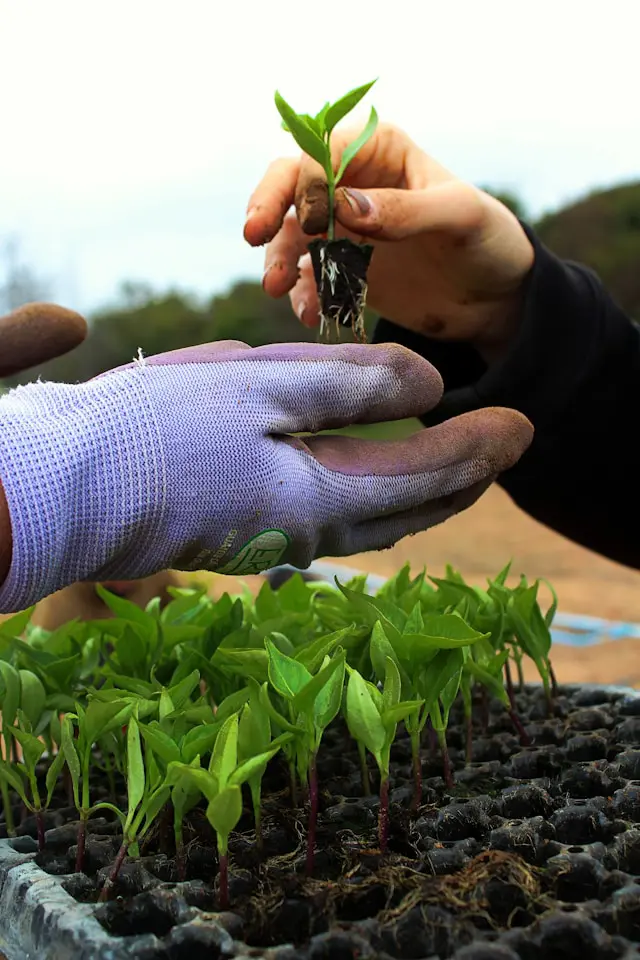
Once seedlings are large enough to handle, transplant to individual pots.
5. Growth:
It may take 2-3 years for seed-grown plants to reach flowering size.
Additional Propagation Tips:
1. Sterilization: Always use clean, sterilized tools when dividing bulbs to prevent disease transmission.
2. Potting Mix: For container-grown offsets or seedlings, use a mix of potting soil, perlite, and sand for good drainage.
3. Fertilization: Once new growth appears, start feeding with a diluted, balanced fertilizer every 2-4 weeks during the growing season.
4. Patience: Remember that bulbs propagated from offsets may not flower in their first year as they establish their root systems.
5. Winter Care: In colder regions, provide winter protection for newly propagated plants, such as mulching or moving pots to a protected area.
By following these propagation methods, you can increase your collection of Orange Star plants or share them with fellow gardening enthusiasts. Whether you choose to propagate via offsets or seeds, the key is to provide consistent care and patience as your new plants establish themselves.
Pests and Disease Management for Orange Star Plant Flower
While Orange Star plants are generally hardy, they can fall victim to certain pests and diseases. Understanding these potential issues and how to address them is crucial for maintaining healthy plants.
Thrips: A Common Pest
Thrips are one of the primary pests that can affect Orange Star plants:
1. Identification: Thrips are small, winged insects that can appear as tiny black spots on the branches and leaves of your plant.
2. Damage: These pests can cause discoloration, stunted growth, and deformed flowers if left unchecked.
3. Treatment:
Rinse off: For mild infestations, simply rinse the plants with cool water to dislodge the thrips.
Prune: If certain branches are heavily infested, remove them entirely to prevent the spread.
Insecticidal soap: For more severe cases, consider using an insecticidal soap, following the product instructions carefully.
Prevention Strategies
To keep your Orange Star plants pest- and disease-free:
1. Avoid Overwatering:
Consistently wet soil can lead to root rot and create an environment conducive to pests and diseases.
Allow the top inch of soil to dry between waterings.
2. Weed Control:
Regularly remove weeds from around your plants.
Weeds can harbor pests and compete with your plants for nutrients.
3. Good Air Circulation:
Ensure proper spacing between plants to promote air flow.
This helps prevent fungal diseases and makes the environment less hospitable for pests.
4. Regular Inspection:
Check your plants frequently for signs of pests or diseases.
Early detection allows for more effective and less invasive treatments.
5. Clean Tools:
Sanitize your gardening tools between uses to prevent the spread of diseases.
6. Healthy Plant Care:
Provide appropriate light, water, and nutrients to keep your plants strong and more resistant to pests and diseases.
7. Natural Predators:
Encourage beneficial insects like ladybugs and lacewings, which prey on many common pests.
8. Quarantine:
If introducing new plants to your garden or indoor collection, isolate them for a period to ensure they're pest-free before placing them near your Orange Star plants
Additional Pest Concerns
While thrips are common, be on the lookout for other potential pests:
Aphids: Small, soft-bodied insects that can cluster on new growth.
Spider Mites: Tiny arachnids that can cause stippling on leaves.
Mealybugs: Small, cottony insects that often gather in leaf axils.
For these pests, similar treatments to those used for thrips can be effective. In all cases, start with the least invasive methods (like water sprays or manual removal) before moving to chemical controls.
Ornithogalum Varieties: A Diverse Genus for Your Garden
The Ornithogalum genus, commonly known as Star of Bethlehem, offers a rich variety of species beyond the well-known orange star plant. These plants can add diversity and beauty to your flower garden. Let's explore some notable varieties:
Ornithogalum arabicum (Arabian Star of Bethlehem)
Origin: Native to South Africa
Appearance: Produces elegant white flowers and Typically grows to 1-2 feet tall
Common names: Lesser cape-lily, Arab's eye, Arabian starflower
Growing conditions: Prefers full sun to partial shade and well-drained soil
Ornithogalum maculatum (Snake Flower)
Origin: Indigenous to Southern Africa
Distinctive features:
Long, slender stems that can reach up to 2 feet
Vibrant orange flowers that bloom in clusters
Blooming period: Usually flowers in late spring to early summer
Cultivation: Thrives in areas with moderate sunlight and good drainage
Ornithogalum pyrenaicum (Prussian Asparagus)
Also known as: Wild Asparagus or Pyrenees Star of Bethlehem
Unique characteristic: Edible young flower shoots
Can be prepared and eaten like asparagus
Historically consumed in parts of Europe
Appearance:
Tall flower spikes that can grow up to 3 feet
Small, greenish-white flowers
Natural habitat: Found in woodlands and meadows across Europe
Each of these Ornithogalum species brings its own charm to the garden, from the pure white blooms of O. arabicum to the striking orange flowers of O. maculatum. The edible shoots of O. pyrenaicum add an interesting culinary aspect to this ornamental genus.
When planting these varieties, consider their specific needs and growth habits to create a diverse and thriving Ornithogalum display in your garden.