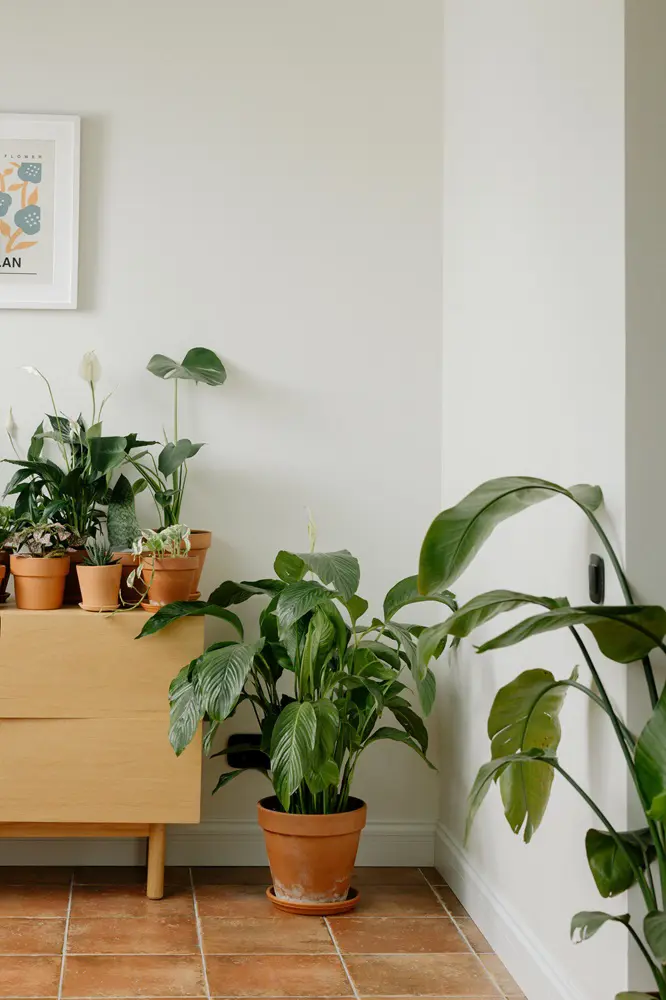
Monstera deliciosa, commonly known as the Swiss cheese plant, is a popular houseplant renowned for its large, glossy leaves adorned with unique splits and holes.
Native to the tropical rainforests of Central America, this striking plant has become a favorite among indoor gardeners for its impressive appearance and relatively low-maintenance requirements.
This comprehensive guide will cover everything you need to know about caring for and growing Monstera deliciosa, including detailed information on care, types, pruning, propagating, potting, repotting, common pests, diseases, common issues, and frequently asked questions.
Caring For Monstera Deliciosa
Light Requirements
Monstera deliciosa prefers bright, indirect light. Direct sunlight can scorch the leaves, while too little light can slow growth and reduce leaf splitting. An east-facing window is ideal, but the plant can also thrive under grow lights if natural light is insufficient.
Watering
Water Monstera deliciosa when the top inch of soil feels dry. Overwatering can lead to root rot, while underwatering can cause the leaves to turn yellow and droop. It's essential to maintain a balance, ensuring the soil remains slightly moist but not soggy.
Humidity and Temperature
Being a tropical plant, Monstera deliciosa enjoys high humidity levels, ideally between 60-80%. Regular misting, a humidifier, or placing the plant on a humidity tray can help achieve this. The plant prefers temperatures between 65-85°F (18-29°C) and should be kept away from drafts and sudden temperature changes.
Soil
A well-draining potting mix is crucial for Monstera deliciosa. A mixture of potting soil, peat moss, and perlite or orchid bark works well. This combination ensures good drainage while retaining some moisture.
Fertilization
During the growing season (spring and summer), feed Monstera deliciosa with a balanced, water-soluble fertilizer every 4-6 weeks. Reduce feeding in the fall and winter when the plant's growth slows down.
Pruning
Why Prune?
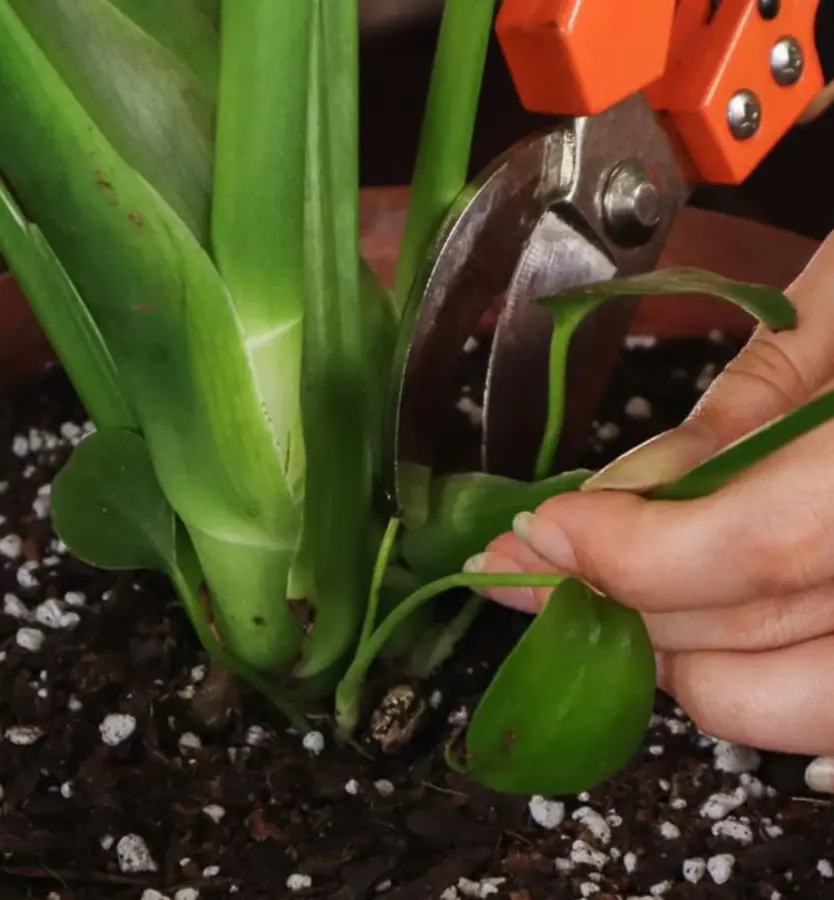
Pruning plays a crucial role in maintaining the health and appearance of your Monstera Deliciosa. It helps manage the plant's size, encourages new growth, and removes damaged or yellowing leaves. Additionally, regular pruning can promote a fuller, bushier appearance, enhancing the overall aesthetic of the plant.
How to Prune
-
Tools: Use clean, sharp scissors or pruning shears to make precise cuts. This reduces the risk of damaging the plant and minimizes the spread of diseases.
-
Identify Nodes: Nodes are the points on the stem where leaves emerge. When pruning, cut just above a node to encourage new growth and prevent the stem from becoming bare.
-
Trimming Dead or Damaged Leaves: Remove any leaves that are yellowing, brown, or damaged. These leaves not only detract from the plant's appearance but can also attract pests or diseases if left unchecked.
-
Encourage Bushiness: To promote a bushier Monstera Deliciosa, prune back longer stems to a node located lower on the plant. This stimulates lateral growth and creates a denser foliage arrangement.
-
Avoid Over-Pruning: While pruning is beneficial, avoid removing too much foliage at once. Over-pruning can stress the plant and inhibit its ability to recover and grow vigorously. Instead, prune selectively and gradually as needed.
General Tips for Pruning:
-
Timing: Prune your Monstera Deliciosa during the active growing season, typically in spring or early summer. This allows the plant to recover quickly and take advantage of optimal growing conditions.
-
Cleanliness: Always sanitize your pruning tools before and after use to prevent the spread of diseases between plants.
-
Observation: Regularly inspect your Monstera for signs of overgrowth, damaged foliage, or opportunities to shape its growth. Pruning should be a proactive measure to maintain health and appearance.
Propagating Monstera Deliciosa
Stem Cuttings
-
Selecting and Cutting: Choose a healthy stem with at least one node and ideally an aerial root. Using clean scissors or a knife, cut the stem just below a node.
-
Preparing for Rooting: Place the cutting in a container of water or directly into well-draining soil. Ensure the node is submerged or in contact with the soil.
-
Root Development: Keep the cutting in indirect light and maintain consistent moisture. Roots typically develop within a few weeks. Once roots are well-established, transplant the cutting into its own pot.
Air Layering
-
Preparation: Select a mature section of the stem where you want roots to form. Make a small incision or remove a portion of the bark.
-
Applying Moisture: Wrap the exposed area with moist sphagnum moss, ensuring it covers the incision completely. Secure the moss with plastic wrap or a plastic bag to maintain moisture.
-
Root Formation: Check the moss regularly and keep it moist. Roots should begin to form within a few weeks to months. Once roots are visible and sufficient, cut below the rooted section and pot it in well-draining soil.
Division
-
Plant Preparation: Carefully remove the Monstera Deliciosa from its pot or garden bed. Gently shake off excess soil to expose the root ball.
-
Dividing: Using a clean knife or gardening tool, divide the root ball into sections, ensuring each division has healthy roots and stems.
-
Potting: Plant each divided section in its own pot filled with fresh potting mix. Water thoroughly after planting and place in an area with indirect light.
Potting and Repotting
Choosing the Right Pot
Select a pot with drainage holes to prevent waterlogging. The size should accommodate the root ball with some room for growth but not be excessively large.
When to Repot?
Repot Monstera deliciosa every 1-2 years or when roots outgrow the current pot. Spring is the best time for repotting as the plant enters its active growth phase.
How to Repot?
Gently remove the plant from its current pot, shake off excess soil, and inspect the roots for damage. Place the plant in the new pot with fresh potting mix, ensuring the root ball is well-covered.
Pest And Disease Management
Common Pests
Spider Mites
- Identification: Look for tiny, yellow speckles on leaves and fine webbing.
- Solutions: Treat with insecticidal soap or neem oil. Increase humidity levels around the plant to discourage mites.
Mealybugs
- Identification: These pests appear as white, cottony masses on stems and leaves.
- Solutions: Remove them manually with a cotton swab dipped in rubbing alcohol. Alternatively, use insecticidal soap to eliminate infestations.
Scale Insects
- Identification: Scale insects resemble small, brown bumps on stems and leaves.
- Solutions: Remove them by hand or apply horticultural oil to suffocate and eradicate the insects.
Fungus Gnats
- Identification: These pests are attracted to moist soil and may be seen flying around the plant.
- Solutions: Reduce watering frequency to dry out the soil and discourage fungus gnat larvae. Use yellow sticky traps to capture adult gnats.
Common Diseases
Root Rot
- Identification: Yellowing leaves and a foul smell from the soil indicate root rot, often caused by overwatering.
- Solutions: Remove affected roots, trim away any rotting parts, and repot the plant in fresh, well-draining soil. Adjust watering practices to prevent future occurrences of root rot.
Leaf Spot
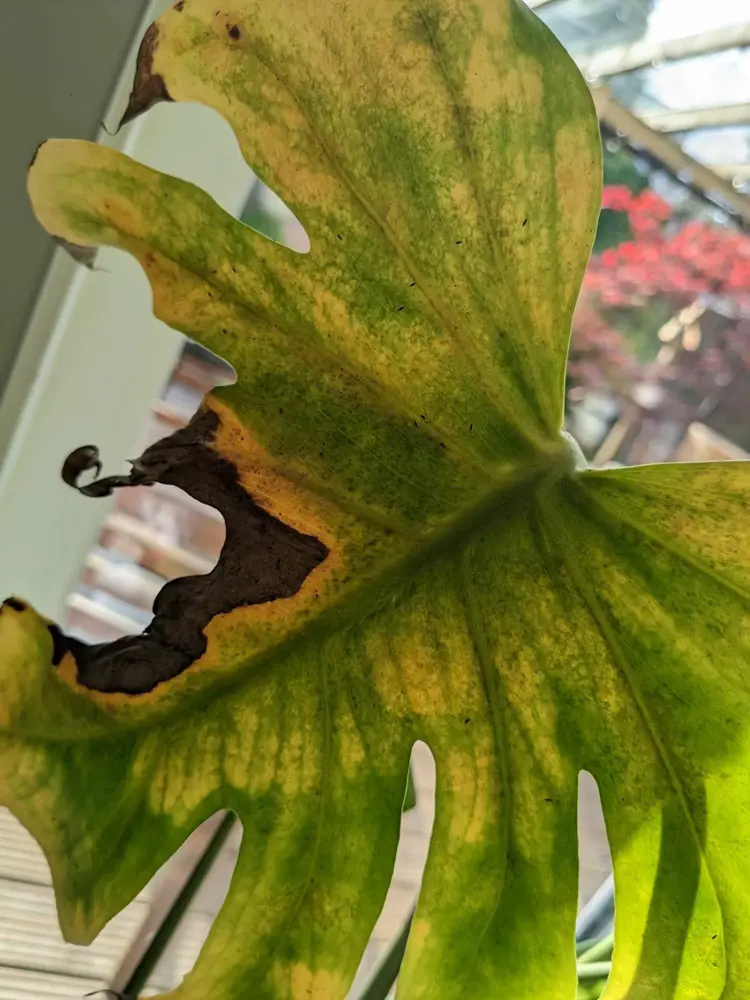
- Identification: Brown or black spots on leaves are signs of fungal or bacterial infections.
- Solutions: Remove affected leaves promptly to prevent the spread of infection. Improve air circulation around the plant by pruning nearby foliage and avoiding overcrowding.
Powdery Mildew
- Identification: A white, powdery substance on leaves indicates powdery mildew, a fungal disease.
- Solutions: Treat affected plants with a fungicidal spray according to the manufacturer's instructions. Improve air circulation around the plant by spacing out nearby plants and avoiding overhead watering.
Common Issues
Yellowing Leaves
Causes: Yellowing leaves can be due to overwatering, underwatering, or nutrient deficiencies.
Solutions:
- Adjust Watering: Ensure the plant's soil is well-draining and allow the top inch to dry out between waterings.
- Nutrient Check: Consider fertilizing with a balanced, water-soluble fertilizer to provide essential nutrients.
- Inspect for Pests: Check for pests such as spider mites or scale insects, which can also cause leaf yellowing. Treat with appropriate methods if pests are found.
Brown Leaf Tips
Causes: Brown tips on leaves are often a result of low humidity levels or inconsistent watering practices.
Solutions:
- Increase Humidity: Place a humidifier near the plant or use a pebble tray filled with water to raise humidity levels.
- Watering Consistency: Ensure the plant is receiving adequate water without becoming waterlogged. Adjust watering frequency based on soil moisture levels and environmental conditions.
Leaf Curling
Causes: Curling leaves may indicate underwatering, low humidity, or pest infestation.
Solutions:
- Water Management: Ensure the plant is receiving sufficient water. Monitor soil moisture and adjust watering practices as needed.
- Humidity Adjustment: Increase humidity around the plant by misting its leaves regularly or using a humidity tray.
- Pest Control: Inspect the plant for pests such as aphids or spider mites. Treat infestations promptly with insecticidal soap or neem oil.
Enhancing Your Monstera's Growth
Using Support Structures
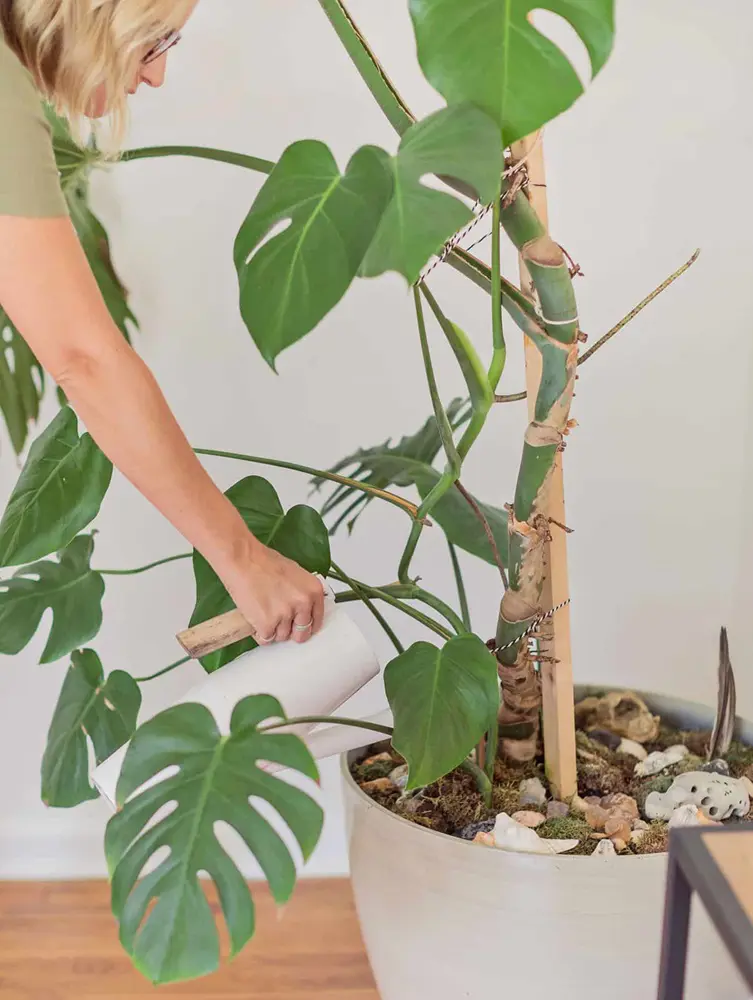
As Monstera deliciosa grows, it benefits from support structures like moss poles, trellises, or stakes. These mimic the natural climbing environment and help the plant grow upright.
Seasonal Care Adjustments
Adjust your care routine based on the seasons. Increase watering and humidity during the growing season and reduce it during the dormant winter months.
Cleaning and Maintenance
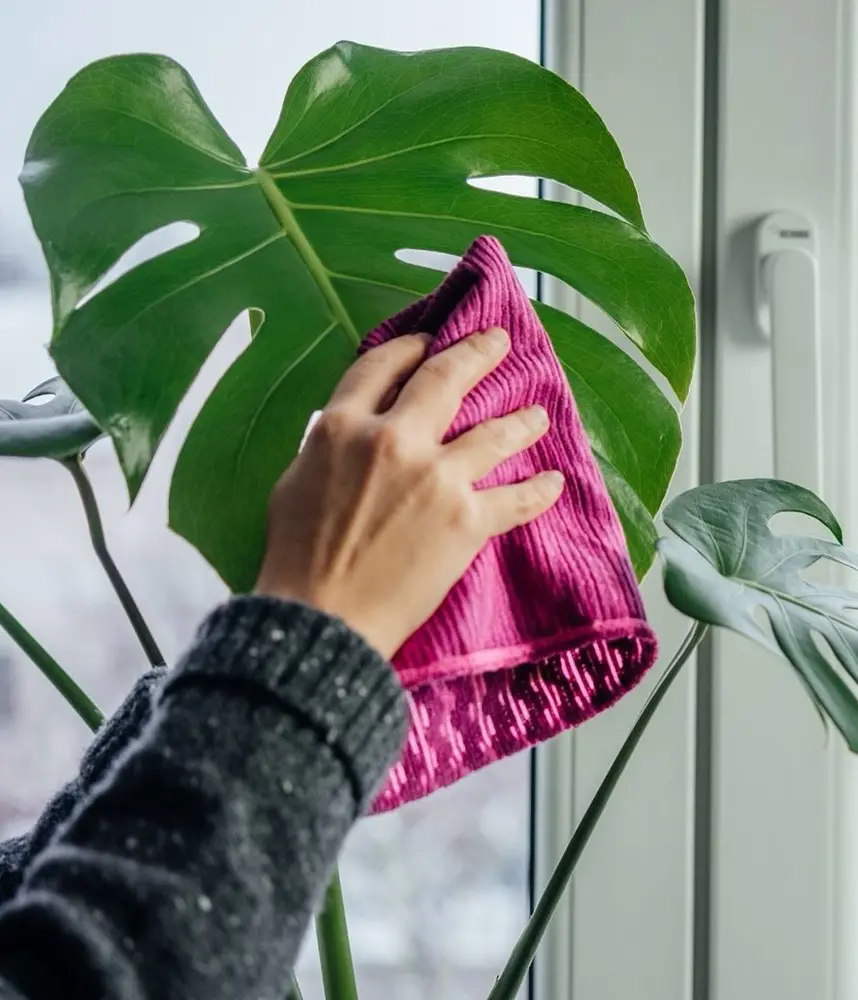
Regularly clean the leaves to remove dust and improve photosynthesis. Check for pests and signs of disease during routine maintenance.
Monitoring and Adjusting Light
Monitor the light levels your Monstera receives and adjust its placement if needed. Use sheer curtains to diffuse intense sunlight or grow lights to supplement natural light.
Types of Monstera
- Monstera Deliciosa
- The most common variety is known for its large, fenestrated leaves and vigorous growth.
- Monstera Adansonii
- Also called the Swiss cheese vine, it has smaller leaves with more prominent holes and can be grown as a trailing or climbing plant.
- Monstera Obliqua
- Rare and highly sought after, this variety features delicate, lace-like leaves with extensive perforations.
- Monstera Variegata
- This variety has striking variegated leaves with patches of white or cream, adding a unique aesthetic appeal.
Frequently Asked Questions (FAQ)
How often should I water my Monstera deliciosa?
Water your Monstera deliciosa when the top inch of soil feels dry. This typically means watering once a week, but it can vary based on the environment.
Can Monstera deliciosa grow in low light?
While Monstera deliciosa can tolerate low light, it thrives in bright, indirect light. Low light can slow growth and reduce leaf splitting.
Why are my Monstera’s leaves turning yellow?
Yellow leaves can be caused by overwatering, underwatering, or nutrient deficiencies. Adjust your care routine accordingly.
How do I make my Monstera’s leaves split?
Ensure your Monstera is getting enough light and proper care. Mature plants with adequate light and humidity are more likely to develop splits and holes.
Is Monstera deliciosa toxic to pets?
Yes, Monstera deliciosa contains calcium oxalate crystals, which can cause irritation if ingested by pets or humans.
How do I support my Monstera as it grows?
Use a moss pole or trellis to support the plant’s climbing habit. Secure the stems with plant ties to encourage upward growth.
Can I grow Monstera deliciosa outdoors?
In tropical and subtropical climates, Monstera deliciosa can be grown outdoors in a shaded area. Protect it from direct sunlight and extreme temperatures.
How fast does Monstera deliciosa grow?
Monstera deliciosa is a fast-growing plant, especially when given the right conditions. Expect noticeable growth during the spring and summer months.
How do I clean Monstera leaves?
Wipe the leaves with a damp cloth to remove dust and keep them shiny. This also helps the plant photosynthesize more efficiently.
What should I do if my Monstera outgrows its space?
Prune back excessive growth and consider propagating the cuttings to create new plants. Repotting into a larger container can also help manage its size.