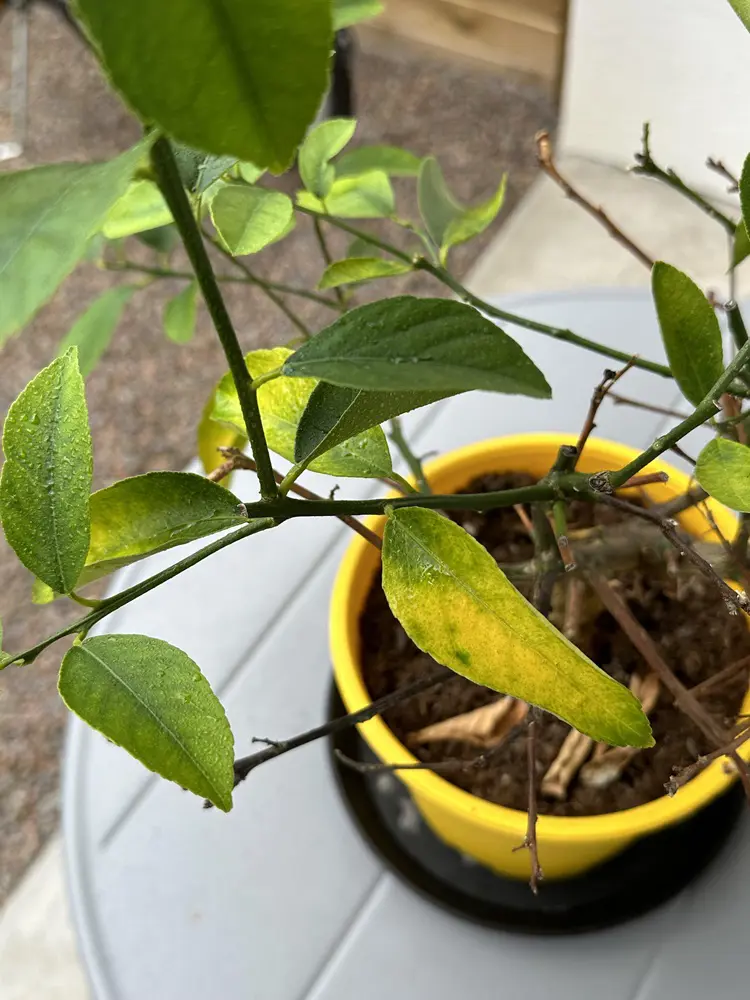
Lemon trees are a popular choice for home gardeners due to their attractive appearance and the delicious fruit they produce. However, it can be disheartening to see your lemon tree's leaves turning yellow.
Yellow leaves on a lemon tree can be a sign of several different issues, ranging from nutrient deficiencies and water problems to pest infestations and disease. Understanding the underlying causes is crucial for addressing the problem effectively.
In this comprehensive guide, we will explore the various reasons why lemon tree leaves turn yellow and provide actionable solutions to help you restore your tree to health.
Common Causes of Yellowing Leaves
1. Nutrient Deficiencies
Nitrogen Deficiency
Nitrogen is essential for the growth of healthy, green leaves. A lack of nitrogen is one of the most common reasons for yellowing leaves on lemon trees. When nitrogen is deficient, the older leaves usually turn yellow first, while the veins may remain green.
Solution:
- Fertilize your lemon tree with a balanced, slow-release fertilizer that contains nitrogen. Follow the manufacturer's instructions for application rates.
- Organic options such as well-rotted manure or compost can also provide nitrogen and improve soil health.
Iron Deficiency
Iron deficiency, also known as chlorosis, causes young leaves to turn yellow while the veins remain green. This issue often arises in alkaline soils where iron becomes less available to plants.
Solution:
- Apply chelated iron to the soil or as a foliar spray to make iron more available to your lemon tree.
- Consider lowering soil pH with sulfur or acidic organic mulches like pine needles.
Magnesium Deficiency
Magnesium is a key component of chlorophyll, and its deficiency can cause yellowing between the veins of older leaves, leading to a characteristic pattern known as interveinal chlorosis.
Solution:
- Use a magnesium-rich fertilizer or apply Epsom salts (magnesium sulfate) around the base of the tree.
- Dissolve Epsom salts in water and apply as a foliar spray for faster results.
2. Water Stress
Overwatering
Excess water can suffocate the roots and lead to yellowing leaves. Overwatered lemon trees often exhibit symptoms such as leaf drop, wilting, and root rot.
Solution:
- Ensure the soil has good drainage to prevent water from accumulating around the roots.
- Water the tree deeply but less frequently, allowing the top few inches of soil to dry out between watering sessions.
Underwatering
Lack of water can also cause leaves to turn yellow and drop. Lemon trees need a consistent supply of water, especially during dry periods and when the tree is actively growing or fruiting.
Solution:
- Water your lemon tree regularly, ensuring the soil remains consistently moist but not waterlogged.
- Mulch around the base of the tree to retain moisture and regulate soil temperature.
3. Soil pH Imbalance
Lemon trees prefer slightly acidic to neutral soil (pH 6-7). If the soil pH is too high (alkaline) or too low (acidic), it can affect nutrient uptake and cause yellowing leaves.
Solution:
- Test your soil pH using a home test kit or professional laboratory services.
- Amend the soil as needed to adjust the pH. Add sulfur to lower the pH or lime to raise it.
4. Pests and Diseases
Pests
Insects such as aphids, spider mites, and scales can cause yellowing leaves by sucking sap and weakening the tree. Look for signs of pests such as sticky residue (honeydew), webs, or visible insects.
Solution:
- Use insecticidal soap or neem oil to control pest populations.
- Introduce beneficial insects like ladybugs that prey on harmful pests.
Diseases
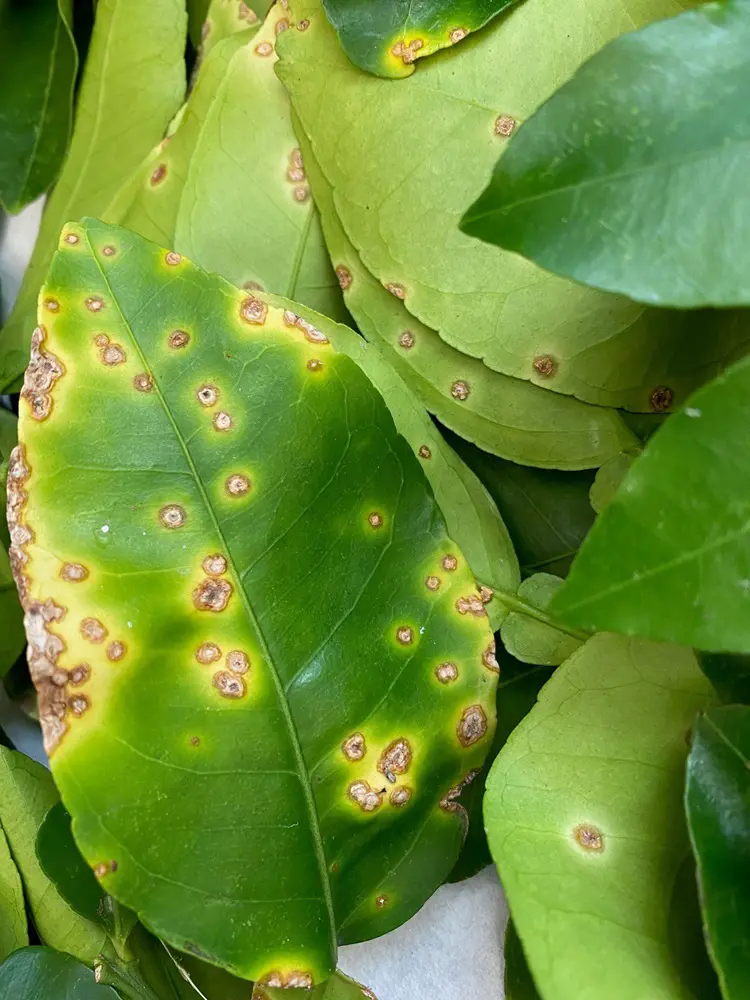
Fungal and bacterial diseases can also lead to yellowing leaves. Common diseases affecting lemon trees include root rot, citrus canker, and greasy spot.
Solution:
- Prune and destroy affected leaves to prevent the spread of disease.
- Apply appropriate fungicides or bactericides as recommended by a professional.
- Ensure proper air circulation by spacing trees adequately and avoiding overcrowding.
5. Environmental Stress
Temperature Extremes
Lemon trees are sensitive to temperature fluctuations. Cold weather can cause yellowing leaves and even leaf drop, while extreme heat can lead to stress and yellowing.
Solution:
- Protect lemon trees from frost by covering them with blankets or using frost cloths.
- Provide shade or move potted trees indoors during extreme heat.
Transplant Shock
If you recently transplanted your lemon tree, it may experience shock, resulting in yellow leaves. Transplant shock occurs when the tree's roots are disturbed and need time to adjust to their new environment.
Solution:
- Minimize root disturbance during transplantation and water the tree well after moving it.
- Apply a root stimulator to encourage root growth and reduce shock.
Preventative Measures
Proper Planting and Care
- Plant lemon trees in well-draining soil and in a location that receives at least 6-8 hours of sunlight per day.
- Water the tree regularly, but avoid overwatering. Mulch to retain moisture and regulate soil temperature.
- Fertilize with a balanced fertilizer formulated for citrus trees, following the recommended application rates and schedules.
Regular Monitoring
- Inspect your lemon tree regularly for signs of pests, disease, and nutrient deficiencies.
- Keep an eye on the soil moisture levels and adjust watering as needed based on weather conditions.
Seasonal Adjustments
- Adjust care routines according to the seasons. Water more frequently during hot, dry periods and reduce watering during cooler, wetter months.
- Protect the tree from extreme temperatures by providing shade or frost protection as needed.
Troubleshooting Guide
Yellowing with Green Veins
- Likely Cause: Iron deficiency
- Solution: Apply chelated iron and adjust soil pH if necessary.
Yellowing on Older Leaves First
- Likely Cause: Nitrogen or magnesium deficiency
- Solution: Fertilize with a nitrogen-rich fertilizer or apply magnesium sulfate (Epsom salts).
Yellowing on Younger Leaves First
- Likely Cause: Iron deficiency
- Solution: Apply chelated iron and adjust soil pH if necessary.
Yellowing with Leaf Drop
- Likely Cause: Overwatering, underwatering, or transplant shock
- Solution: Adjust watering practices and minimize root disturbance during transplantation.
Yellowing with Sticky Residue
- Likely Cause: Pest infestation (e.g., aphids, scale)
- Solution: Use insecticidal soap or neem oil and introduce beneficial insects.
Yellowing with Leaf Spots or Lesions
- Likely Cause: Fungal or bacterial disease
- Solution: Prune affected leaves and apply appropriate fungicides or bactericides.
FAQs
1. What are the most common reasons for lemon tree leaves turning yellow?
Answer: The most common reasons for lemon tree leaves turning yellow include:
- Nutrient deficiencies (such as nitrogen, iron, or magnesium)
- Water stress (overwatering or underwatering)
- Soil pH imbalance
- Pest infestations (e.g., aphids, spider mites, or scale insects)
- Diseases (fungal or bacterial)
- Environmental stress (temperature extremes or transplant shock)
- Improper planting or care (e.g., poor soil drainage or insufficient sunlight)
2. How can I tell if my lemon tree has a nitrogen deficiency?
Answer: Nitrogen deficiency in lemon trees typically manifests as yellowing of the older leaves, while the veins may remain green. The leaves may also appear smaller and the overall growth of the tree may be stunted. To confirm nitrogen deficiency, you can conduct a soil test to check nutrient levels.
3. What should I do if I suspect my lemon tree is suffering from iron deficiency?
Answer: If you suspect iron deficiency, characterized by yellowing young leaves with green veins, you can take the following steps:
- Apply chelated iron to the soil or as a foliar spray to increase iron availability.
- Check the soil pH and adjust it if necessary. Iron deficiency often occurs in alkaline soils, so lowering the pH with sulfur or using acidic organic mulches can help.
4. How often should I water my lemon tree to prevent yellow leaves?
Answer: The watering frequency for lemon trees depends on several factors, including the tree's size, the weather, and the soil type. As a general guideline:
- Water deeply and thoroughly, allowing the top 2-3 inches of soil to dry out between watering sessions.
- In hot and dry conditions, you may need to water more frequently.
- In cooler or wetter conditions, reduce the watering frequency.
- Ensure the soil has good drainage to prevent waterlogging and root rot.
5. Can pests cause yellow leaves on lemon trees, and how can I control them?
Answer: Yes, pests such as aphids, spider mites, and scale insects can cause yellow leaves by sucking sap and weakening the tree. To control pests:
- Regularly inspect your lemon tree for signs of pest infestations, such as sticky residue (honeydew), webs, or visible insects.
- Use insecticidal soap or neem oil to treat affected areas.
- Introduce beneficial insects, like ladybugs, which prey on harmful pests.
- Keep the area around the tree clean and free of debris to reduce pest habitats.
6. How can I prevent diseases that cause yellowing leaves on my lemon tree?
Answer: To prevent diseases that cause yellowing leaves, such as fungal or bacterial infections, you can take the following steps:
- Ensure proper air circulation by spacing trees adequately and pruning to avoid overcrowding.
- Avoid overhead watering, which can create a moist environment conducive to disease. Instead, water at the base of the tree.
- Remove and dispose of any diseased leaves or branches to prevent the spread of pathogens.
- Apply fungicides or bactericides as needed, following professional recommendations and label instructions.
7. Is it normal for lemon tree leaves to turn yellow during certain seasons or under specific conditions?
Answer: Yes, it can be normal for lemon tree leaves to turn yellow during certain seasons or under specific conditions. For example:
- Temperature extremes: Cold weather can cause leaves to yellow and drop, while extreme heat can stress the tree.
- Transplant shock: If you recently transplanted your lemon tree, it may experience yellowing leaves as it adjusts to its new environment.
- Natural aging: Older leaves may naturally turn yellow and fall off as part of the tree's growth cycle.
To minimize seasonal or conditional yellowing, provide appropriate protection and care tailored to the specific needs of your lemon tree.