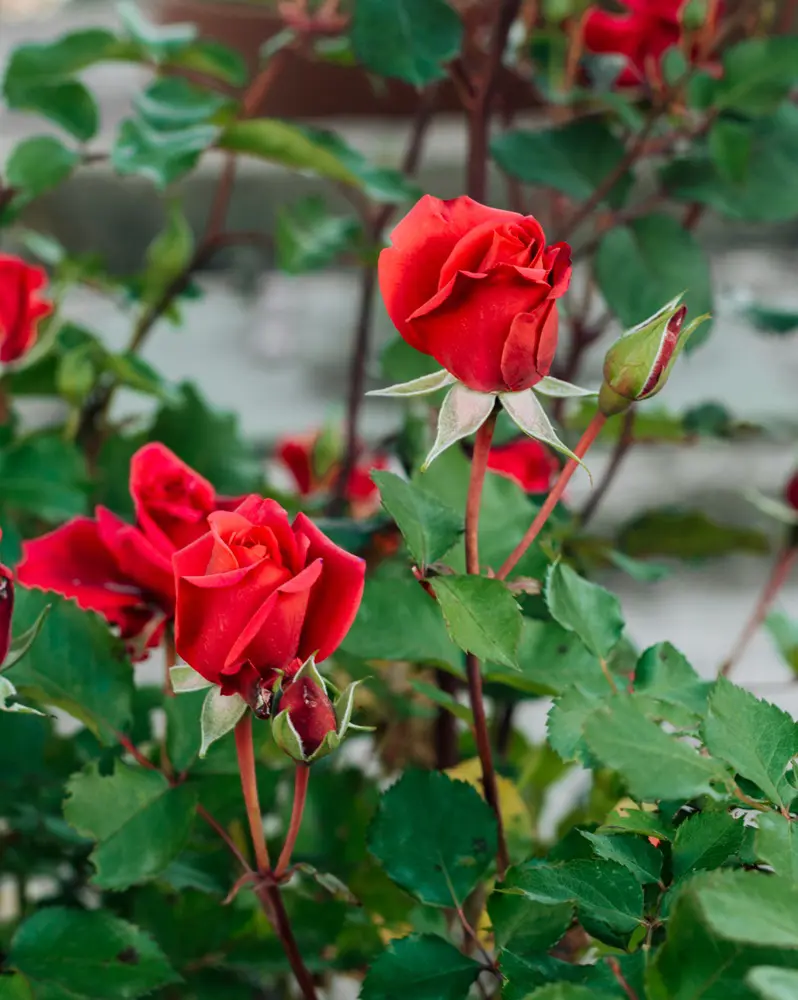
Roses, with their timeless beauty and enchanting fragrance, are a favorite among gardeners. Whether you're a novice or a seasoned green thumb, knowing the right techniques for planting, growing, and caring for roses is essential for a flourishing garden.
In this guide, we'll walk you through the steps to ensure your roses thrive, from selecting the perfect varieties to providing the optimal care they need throughout the seasons. Get ready to enjoy a stunning display of blooms in your garden.
Types of Roses
Roses come in a variety of forms, each with unique characteristics. Understanding the different types can help you choose the best roses for your garden.
- Hybrid Tea Roses: Known for their large, elegant blooms, hybrid teas are a popular choice for cut flowers.
- Floribunda Roses: These roses produce clusters of flowers, providing a splash of color, and are known for their hardiness.
- Grandiflora Roses: Combining the best of hybrid teas and floribundas, grandifloras offer large blooms in clusters.
- Miniature Roses: Perfect for containers or small spaces, these roses are small but produce abundant flowers.
- Climbing Roses: Ideal for trellises and arbors, climbing roses add vertical interest to your garden.
- Shrub Roses: Known for their resilience and large, bushy growth, shrub roses are excellent for creating hedges.
Planting Roses
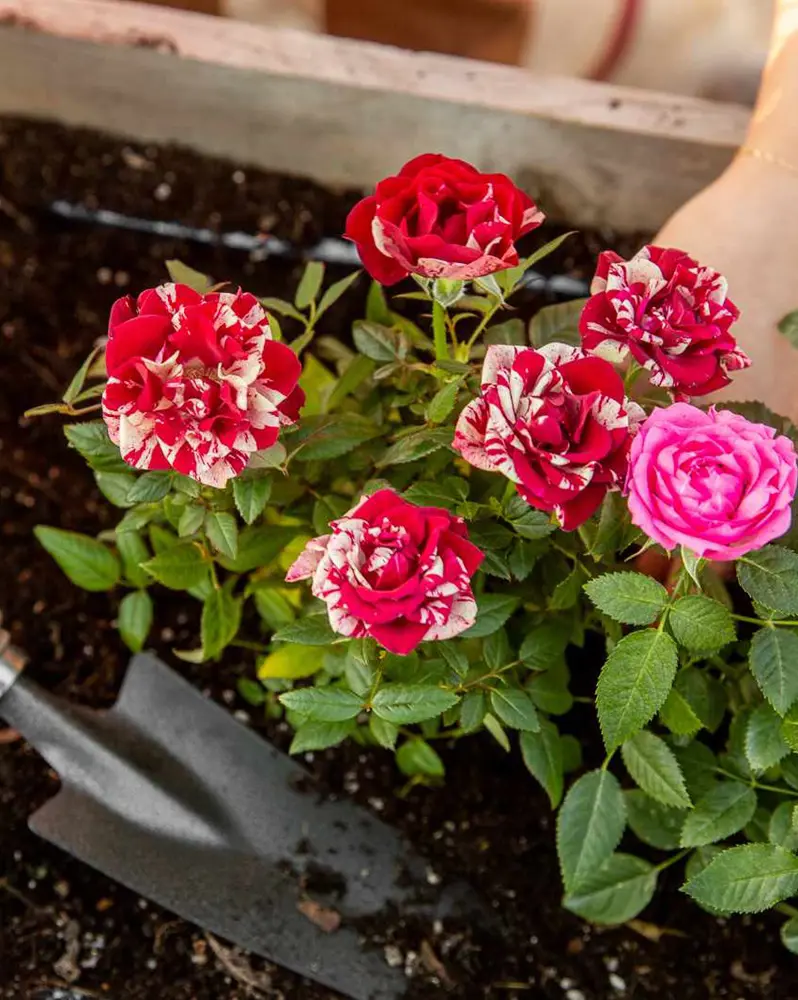
When selecting roses, consider your climate, garden space, and personal preferences. Choose varieties that thrive in your local conditions and match your garden design.
Planning and Preparing Your Rose Garden
Selecting the Right Location
Roses need at least six hours of sunlight daily. Choose a location that provides ample sunlight and good air circulation to prevent diseases.
Soil Preparation
Roses thrive in well-drained soil rich in organic matter. Prepare the soil by adding compost or well-rotted manure to improve fertility and drainage. Aim for a slightly acidic pH of 6.0 to 6.5.
Choosing the Best Time to Plant
The best time to plant roses is in the spring after the last frost or in the fall before the first frost. This allows the roots to be established before extreme temperatures set in.
Planting Roses
Bare-Root Roses
Bare-root roses are dormant plants sold without soil around their roots. Follow these steps to plant bare-root roses:
- Soak the Roots: Soak the roots in water for at least 24 hours before planting.
- Dig the Hole: Dig a hole large enough to accommodate the roots without bending. The hole should be about 18 inches wide and deep.
- Amend the Soil: Mix compost into the excavated soil.
- Planting: Place the rose in the hole with the bud union (the swollen part where the stem meets the roots) about 2 inches below the soil surface in colder climates, and at the soil level in warmer climates.
- Fill the Hole: Backfill the hole with amended soil, firming it gently around the roots.
- Watering: Water thoroughly to settle the soil around the roots.
Potted Roses
Potted roses are easier to plant as they come with established root systems. Here's how to plant potted roses:
- Water the Pot: Water the rose in its pot thoroughly before planting.
- Dig the Hole: Dig a hole slightly larger than the pot.
- Remove the Rose: Carefully remove the rose from the pot without damaging the roots.
- Planting: Place the rose in the hole at the same depth it was in the pot.
- Fill the Hole: Backfill with soil, firming it gently around the plant.
- Watering: Water well to settle the soil.
Propagating Roses
From Cuttings
- Select a Healthy Stem: Choose a healthy, non-flowering stem.
- Cut the Stem: Cut about 6-8 inches long below a leaf node.
- Remove Leaves: Remove the lower leaves, leaving two or three at the top.
- Prepare the Pot: Fill a pot with a mixture of peat and perlite.
- Plant the Cutting: Dip the cut end in rooting hormone and plant it in the pot.
- Water and Cover: Water well and cover with a plastic bag to retain moisture.
- Transplant: Once rooted, transplant to a larger pot or garden.
By Grafting
- Select Rootstock: Choose a healthy rootstock.
- Make a Cut: Make a T-shaped cut in the rootstock.
- Insert Scion: Insert a bud from the desired rose into the cut.
- Secure: Wrap the graft with grafting tape.
- Monitor: Keep the graft moist and protected until it heals.
Layering
- Select a Cane: Choose a healthy, flexible cane.
- Bend to Ground: Bend the cane to the ground and cover a section with soil, leaving the tip exposed.
- Secure: Use a U-shaped pin to secure the cane in place.
- Rooting: Once roots develop, cut the new plant from the parent and transplant it.
Growing Roses
Watering
Roses need regular watering, especially during dry periods. Water deeply at the base of the plant, avoiding the foliage to prevent diseases. Aim for about 1-2 inches of water per week.
Feeding and Fertilizing
Roses are heavy feeders and benefit from regular fertilization. Use a balanced fertilizer or one specifically formulated for roses. Feed your roses in early spring, after the first bloom, and mid-summer for the best results.
Mulching
Mulch helps retain moisture, suppress weeds, and improve soil quality. Apply a 2-3 inch layer of organic mulch, such as wood chips or compost, around the base of the roses, keeping it away from the stems.
Pruning and Training Roses

Why Pruning is Essential
Pruning is crucial for the health and vigor of roses. It encourages new growth, improves air circulation, and shapes the plant.
How to Prune Different Types of Roses
- Hybrid Teas and Grandifloras: Prune in early spring before new growth. Remove dead or damaged wood, thin out weak stems, and cut back the remaining stems to about 12-18 inches.
- Floribundas: Prune is similar to hybrid teas but leaves more stems and reduces overall height less.
- Climbing Roses: Remove old and weak canes after flowering. Train new canes horizontally to promote more blooms.
- Shrub Roses: Prune lightly to shape the plant and remove dead wood.
Training Climbing Roses
Climbing roses require support and training. Use a trellis, arbor, or fence and tie the canes gently to the structure. Train the main canes horizontally to encourage more lateral shoots and blooms.
Pest and Disease Management
Common Pests and How to Control Them
- Aphids: These small insects suck sap from roses. Control them by spraying with insecticidal soap or introducing natural predators like ladybugs.
- Spider Mites: These tiny pests cause stippling on leaves. Use a strong jet of water to dislodge them or apply miticides.
- Japanese Beetles: These beetles chew on leaves and flowers. Handpick them or use pheromone traps to control their population.
Common Diseases and How to Treat Them
- Black Spot: This fungal disease causes black spots on leaves. Remove affected leaves, improve air circulation, and apply fungicides.
- Powdery Mildew: White, powdery fungus on leaves. Increase air circulation and use fungicides if necessary.
- Rust: Orange pustules on the underside of leaves. Remove infected leaves and apply fungicides.
Seasonal Care for Roses
Spring Care
- Pruning: Prune roses before new growth starts.
- Fertilizing: Apply a balanced fertilizer.
- Mulching: Refresh mulch to retain moisture.
Summer Care
- Watering: Ensure roses receive sufficient water.
- Deadheading: Remove spent blooms to encourage more flowers.
- Pest Control: Monitor for pests and diseases.
Fall Care
- Feeding: Apply a slow-release fertilizer.
- Pruning: Lightly prune to remove dead or diseased wood.
- Mulching: Add extra mulch to protect roots during winter.
Winter Care
- Protection: In colder climates, mound soil around the base of the plants and cover it with burlap or straw.
- Watering: Reduce watering but ensure the soil doesn't dry out completely.
Common Problems and Solutions
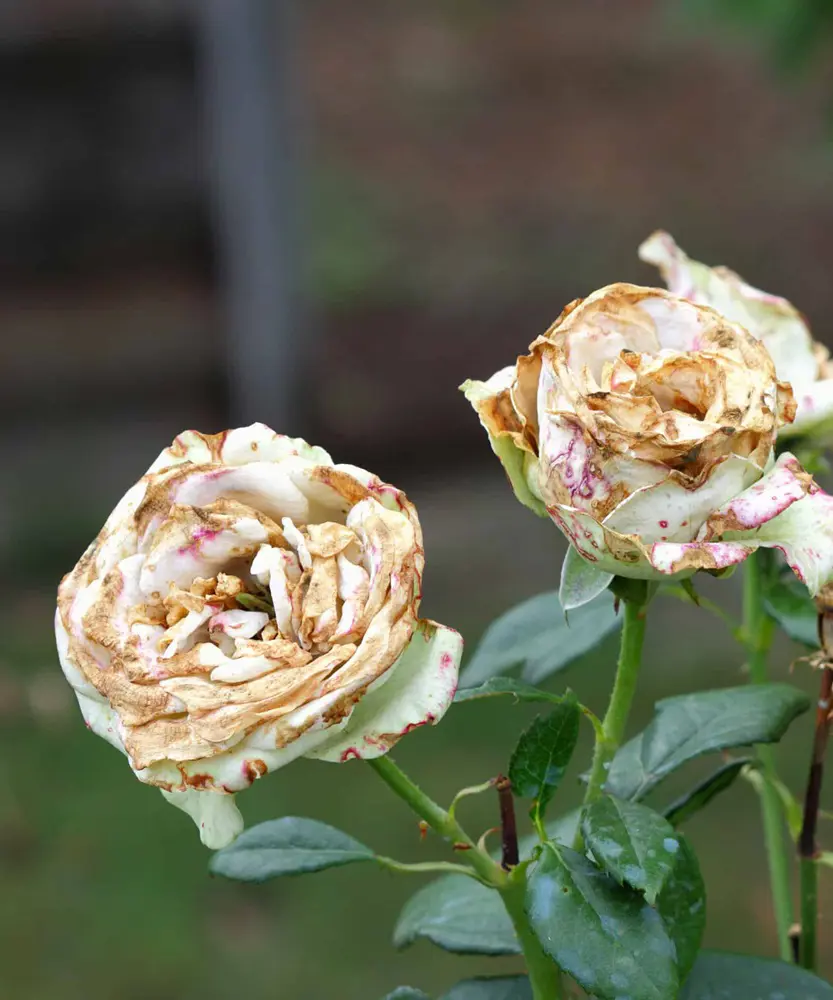
Yellow Leaves
Yellow leaves can be caused by several factors including nutrient deficiencies, overwatering, or pests. Test soil pH, ensure proper watering, and check for pests.
Black Spots
Black spots indicate a fungal infection. Improve air circulation, remove affected leaves, and apply fungicides.
Poor Blooming
Poor blooming can result from insufficient sunlight, poor soil, or improper pruning. Ensure roses receive adequate light, amend the soil, and prune correctly.
FAQs
1. How often should I water my roses?
Roses generally need about 1-2 inches of water per week, either from rainfall or supplemental watering. The frequency of watering depends on your climate and soil type. In hot, dry climates, you may need to water more frequently.
It's best to water deeply at the base of the plant to encourage deep root growth and to avoid wetting the foliage, which can lead to fungal diseases. Watering in the morning is ideal, as it allows the foliage to dry out during the day.
2. When is the best time to prune my roses?
The best time to prune roses is in late winter or early spring, just as the buds are starting to swell but before new growth begins. This timing encourages healthy new growth and helps shape the plant.
For most roses, you should remove dead or damaged wood, thin out weak stems, and cut back the remaining stems to about 12-18 inches. Pruning techniques can vary depending on the type of rose, so be sure to research the specific needs of your varieties.
3. How can I prevent common rose diseases like black spots and powdery mildew?
To prevent common rose diseases such as black spot and powdery mildew, follow these steps:
- Plant Disease-Resistant Varieties: Choose varieties known for their disease resistance.
- Ensure Good Air Circulation: Plant roses with adequate spacing and prune regularly to allow air to circulate freely around the plants.
- Water Wisely: Water at the base of the plant rather than overhead to keep the foliage dry. Watering in the morning is preferable.
- Clean Up Debris: Remove fallen leaves and dead plant material from around the base of the plants to reduce sources of infection.
- Use Fungicides: If necessary, apply fungicides as a preventative measure, especially during wet or humid conditions.
4. What kind of fertilizer should I use for my roses?
Roses are heavy feeders and benefit from a balanced fertilizer. You can use either a granular slow-release fertilizer or a water-soluble fertilizer. A balanced fertilizer with an N-P-K ratio of about 10-10-10 or 12-12-12 works well.
Organic options, such as compost, well-rotted manure, and fish emulsion, are also beneficial and improve soil health over time. Fertilize in early spring when new growth begins, after the first bloom cycle, and again in mid-summer. Avoid fertilizing late in the growing season to prevent stimulating new growth that can be damaged by frost.
5. How do I propagate roses from cuttings?
To propagate roses from cuttings, follow these steps:
- Select a Healthy Stem: Choose a healthy, non-flowering stem about 6-8 inches long.
- Prepare the Cutting: Remove the lower leaves, leaving two or three at the top. Cut just below a leaf node.
- Use Rooting Hormone: Dip the cut end in rooting hormone to encourage root development.
- Plant the Cutting: Insert the cutting into a pot filled with a mixture of peat and perlite or directly into the garden soil.
- Maintain Humidity: Cover the cutting with a plastic bag or use a propagation tray with a dome to retain moisture.
- Transplant: Once the cutting has rooted, transplant it to a larger pot or directly into the garden.
6. Why are my rose leaves turning yellow?
Yellow leaves on roses can result from various issues, including:
- Overwatering or Poor Drainage: Excessive moisture can lead to root rot, causing yellowing leaves.
- Nutrient Deficiency: A lack of essential nutrients, particularly nitrogen, can cause leaves to yellow. Fertilize regularly with a balanced fertilizer.
- Pests: Pests like aphids can cause yellowing leaves by sucking sap from the plant.
- Disease: Fungal diseases like black spots can also cause yellowing and dropping of leaves.
- Environmental Stress: Extreme temperatures, drought, or sudden weather changes can stress the plant and cause yellowing leaves.