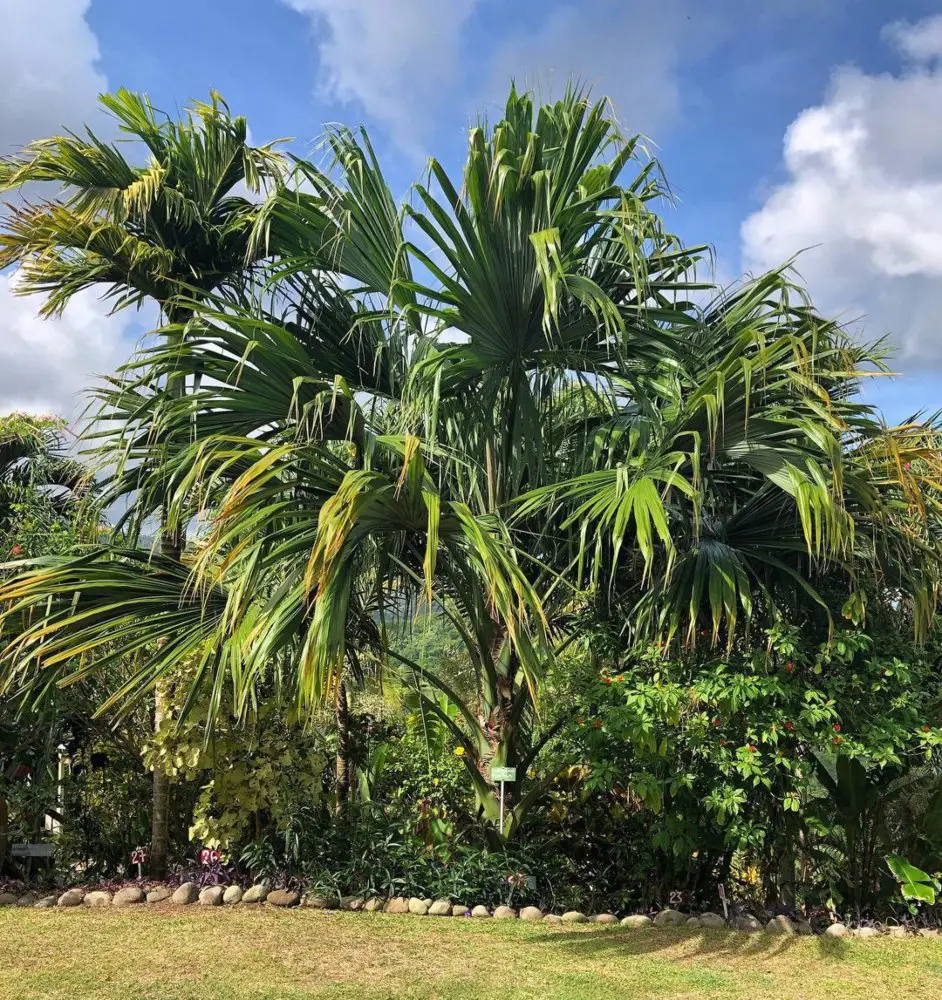
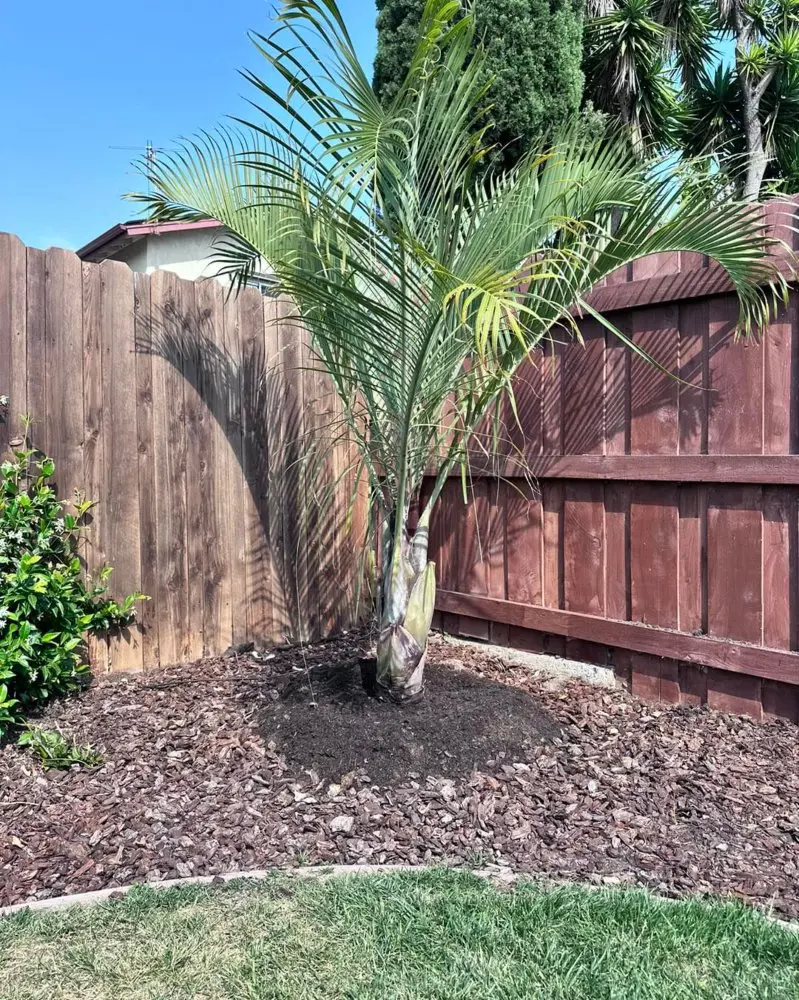
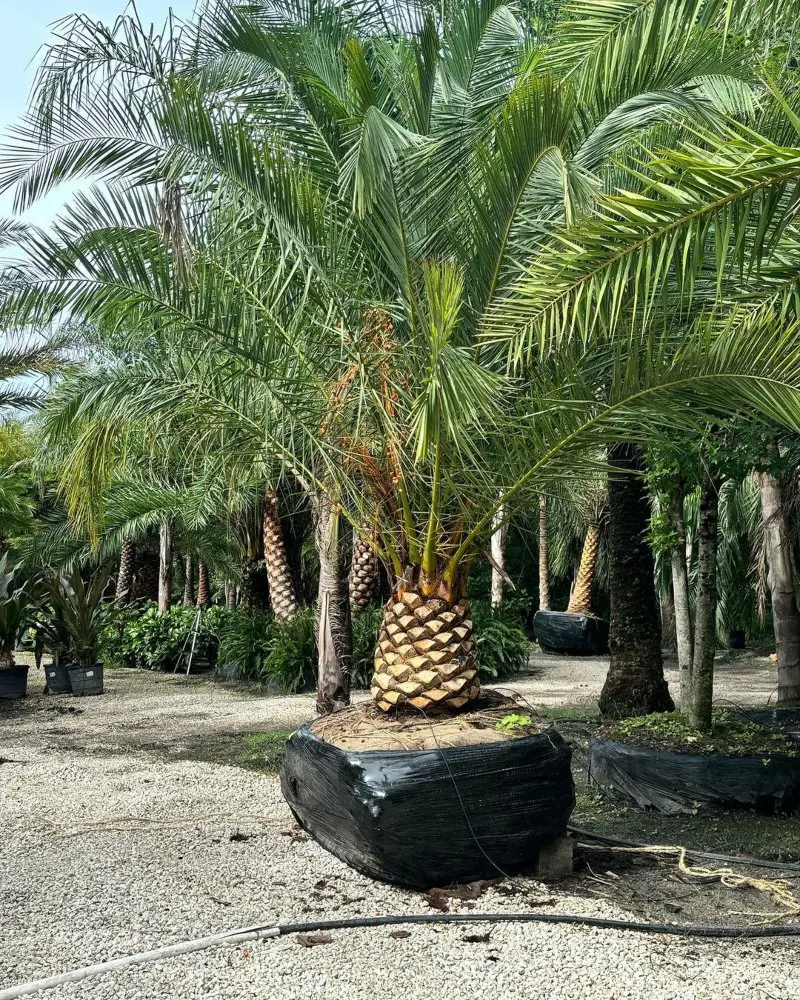
Palm trees are a valuable addition to your indoor garden. Their aesthetic appearance enhances home decor. You can get that tropical vibe in your living room and decorate them accordingly.
At the same time, it is one of the air-purifying plants that improves a healthy living environment. Although you require proper planning and strength to grow a palm tree, let's find out what they are.
The palm tree's tropical appearance explains its love of the warm season. The best time to grow palm trees is early spring or summer when the soil temperature begins to increase.
It is the perfect time to establish the root system before the frosty winter season barges in. In the winter season, the plant has a slow growth rate and has a hard time surviving. Now, the major concern is the other ways to understand how to grow the palm tree.
Location
Palm trees are primarily found in places with ample amounts of sunlight and humidity. When it comes to placing them in your home or garden, go for the well-drought sol and protection from the strong waves of wind.
A place that receives a direct amount of sunlight is an ideal place. In indoor place them in east and south facing window and the outdoor go for the place that always receives sunlight.
Moreover, these plants do not require shade, but some Trachycarpus fortunei would love some share to reduce the stress of the direct sun.
Light
Regardless of the palm plant loving the bright sunlight. Yet the requirement for indoor and outdoor. When you place them in your indoor garden provide them with medium to bright indirect light about 6-8 hours per day for improved growth.
Besides, in the outdoors, most plants love the full sun most of the day, while some also prefer shade. If there is not enough or too much light, the plant suffers, which can lead to inadequate growth and ultimate death.
Soil
The palm tree requires specific soil for proper growth. The light, well-draining soil sandy loam soil is the best for the palm tree. This soil allows the root to expand properly and prevent waterlogging. In addition to that, include, some organic matter such as compost manure increases nutrient availability and better soil structure.
Do not go for heavy soil as they will affect the root growth and cause issues like slower growth and wilting of roots. Look out for the soil moisture as these are drought tolerant and easily suffer from overwatering.
Spacing
Proper spacing is also another way to ensure the proper growth of the palm tree. In general, you have to place them about 2 to 3 feet apart.
These plants thrive in ample amounts of light and water. During its mature size, the plant can create a crowded shaded area that is not good for many species of palm.
Proper spacing is also another way to ensure the proper growth of the palm tree. In general, you have to place them about 2 to 3 feet apart.
These plants thrive in ample amounts of light and water. During its mature size, the plant can create a crowded shaded area that is not good for many species of palm.
Growing By Seed
The first part is to obtain fresh seeds of different palm species. Look for the specific type you want to grow. There are many palm seeds. You should soak them in lukewarm water for 24 hours to make the seed coat soft.
Use a well-draining mix of a blend of peat moss and sand. It will help to prevent waterlogging and improve rot development. Take the seed, sow it in 1 inch deep, and space them properly. Cover the container with a wrap of plastic to regulate humidity in a warm location.
Now take care of the plant with consent watering and do not make it soggy. Please have patient cause germination take anywhere from a few week to several month.
Propagate Young Plant
The next method is to take the healthy part of the young palm from the mature, healthy plant. Look for pests and diseases and check if the palm is suitable for the climate. Select a location with bright, indirect light for indoor palms and full sun for outdoor use.
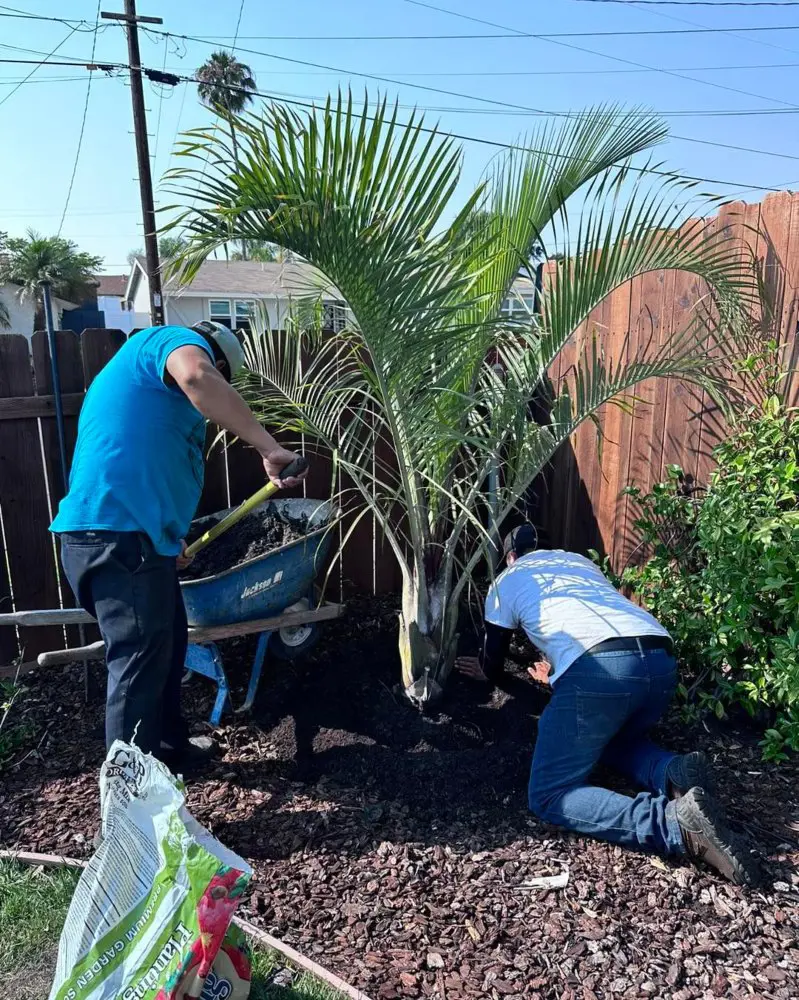
Also, it should have well-draining soil. Make a large hole twice the size of the root ball of the young palm tree. The space helps the young roots to develop during their growth stage. Keep the palm and top of the rootball above the soil line. Fill it with soil and organic compost. Mist it regularly to reduce air pockets and settle the level of the soil.
Now water the young palm for the first few days and then limit it to two or three times a week. Then fertilize with balanced NPK to support growth. At last, keep an eye out for the signs of stress and provide care accordingly.
Just planting a palm tree is not enough. You have to implement the proper ways to care for your baby palm tree so that it can grow and yield in its mature stage.
A palm tree requires ample water, fertilizer, and much more. So, let's find out all the ways to care for it.
Growth Habit
The palm tree has a diverse range of growth habits. It depends on different types of species, with some growing faster and some growing slower.
For instance, the Queen Palm is one of the fastest growing species, about 2ft per year. Within 10 years it can grow up to 25 ft At the same time, the Mediterranean Fan Palm is slow-growing, growing about 6 inches per year. In the mature stage, it only reaches 25ft slowly.
The growth habits are influenced by soil moisture, nutrients and sunlight. For better growth, you have to provide the proper amount of the ideal conditions and reduce the stressful environment.
Watering
The palm tree requires about 1 inch of water every seven days. But it depends on their specific species, climate and growing conditions. The young plant requires daily water for the first week and then 2 or 3 times a week after they are established.
The plants are underwater and then show signs of slow growth, brown leaf tips and wilt. On the other hand, overwatering can lead to mushy roots, yellow leaves
So, provide the soil with enough moisture and check the soil to see if it is dry or not. Also, use the pot with proper drainage to prevent waterlogging.
Fertilization
The palm tree requires a balance of nutrients to thrive. Organic compost is a big help, but the slow release of ideal balanced NPK fertilizer in the ratio of 8-2-12 enhances the growth.
These fertilizers should have a mix of micronutrients like magnesium, iron and manganese. Further, they can be the block to prevent the common deficiencies in plants that lead to stunted growth.
You must fertilize them three times a year, especially during the growing seasons of spring, summer, and early autumn. This ensures that the plant receives adequate nutrients when it needs them most.
Mulching
Apart from fertilizer mulch is one of the best ways to provide the soil with essential organic matter. Wood chips and pine straws are some of the common ingredients of the mulch.
Remember not to use the palm parts as mulch, as this can cause diseases like rotting. To apply them, spread them 2-3 inches around the base and keep them a bit away from the trunk to prevent rot. If necessary, replenish as much as required. You should apply them in the early spring, the active growing season, and then reapply on a yearly basis.
Now the end of the growing season comes, you have to take extra steps to take care of the plant. Since the cold seasons are the dormant period, you have to implement some practices for their better health during that time.
You should reduce the amount of water and fertilization and apply the layer of mulch. Apart from that, provide them with extra protection to prevent the frosty winter. Besides these, there are other extra things you can do for your beloved palm tree.
Pruning
The tropical appearance of the palm tree requires your hand to enhance its beautiful aesthetic. That's what pruning is for. During the growing season of spring and summer, you should prune them to give them a quick recovery.
Remove all the dead and yellow parts of the plant without damaging them. You can start from the bottom and then cut the other parts.
Protection
Preparing outdoor palms for strong wind and winter is required. Use a layer of mulch, and in the frosty season, you can use artificial light. And for the strong windy zone, you can provide some sheltered locations to prevent physical damage.
Apart from this, for the pests you can use some horticultural oil to apply properly. And use the sanitized tool during pruning to avoid spreading other pathogens. The process requires safety and the use of the required tool accordingly.
Repotting
While the outdoor plant tree does not require repotting. The indoor one shows signs of stunted growth due to root overcrowding. It means repotting is required for your indoor home plant.
The best time to repot the palm tree is in the early spring. You select a new pot a bit wider than the current one with the proper drainage system. Prepare a well-draining soil mix and water them thoroughly.
Now, repot them from the old pot, look for the root ball, and trim them if necessary. After repotting, you should monitor them accordingly and care for them well.
When your palm tree yields beautifully, you have the desire to grow more palm trees in your garden. You can propagate them by seed or young plants.
Further, commercial people use the process of tissue culture to propagate the palm tree. Let's understand the steps of the propagation in detail.
Seed Propagation
The most common and simple method to grow palm trees. Collect the fresh and viable seed from the mature palm tree. Immerse the seed in water for 24 to 48 hours and then prepare the well-draining soil with the blend of peat moss and perlite.
Plant the seed-pointed end face down. Now consistent moisture in the soil but do not overwater and maintain a warm environment temperatures between 70-85°F for better germination. The germination can take time so have some patience. As the seeds develop, then relocate them to larger pots.
Now just take time to care for the young plant as they are sensitive.
Propagation By Offshoot
Some of the palm tree produces some offshoots called suckers. The division of offshoots is another effective method for the propagation of some palm species.
First, look out for young shoots or suckers that grow on the base of the parent palm. The offshoot must have their own root system and be healthy.
Take a sharp knife to make the lean cut and reduce the risk of diseases.
Separate the offshoot from the parent plant and cut through connecting tissue. Place the offshoot in a container filled with well-draining soil, keeping the roots covered.
Place the pot in a warm and shaded region with proper watering to help them establish.
Now, after a few weeks, look out for the new growth that shows the offshoot is growing. As they are established the new palm should be related to a permanent location.
Harvesting Palm Tree
The looks of the palm tree can cause confusion if they need harvesting. Although these plants require harvesting, they provide edible fruits.
In the months of September and December, the process of harvesting as they mature simultaneously.
How to harvest
The harvesting process depends on the type of palm and the product. When the product ripens, you can collect the fruit with your hands or poles with a hook. Now, cut them down carefully, taking care not to damage the tree.
Now thr fruits are ripe in late summer to early spring. Start with collecting required tools like long poles with hooks, protective gear
For tall palm trees outdoors, use climbing gear to reach the cluster of fruit.
Cut them very carefully to avoid damaging the trunk. Collect the harvested fruit and keep it in a container to prevent damage.
Take the harvested fruit to facilities to maintain quality. then clean and sort the fruit based in quality.
Post Harvest Care
Proper care is required after harvesting since the plant needs to be ready for the next growing season. Start by cleaning the area around the palm and any signs of damage that may occur during harvesting. Prune those parts to conserve energy.
At the same time, use balanced fertilizer and water accordingly since the tree is a heavy producer. Regular monitor for pests and diseases also maintain the health of the palm during the post harvest.
Palm trees are a great partner for the other plants in your home garden. But what kind of species should you get for yourself? Let's look at some of the notable types of palm trees.
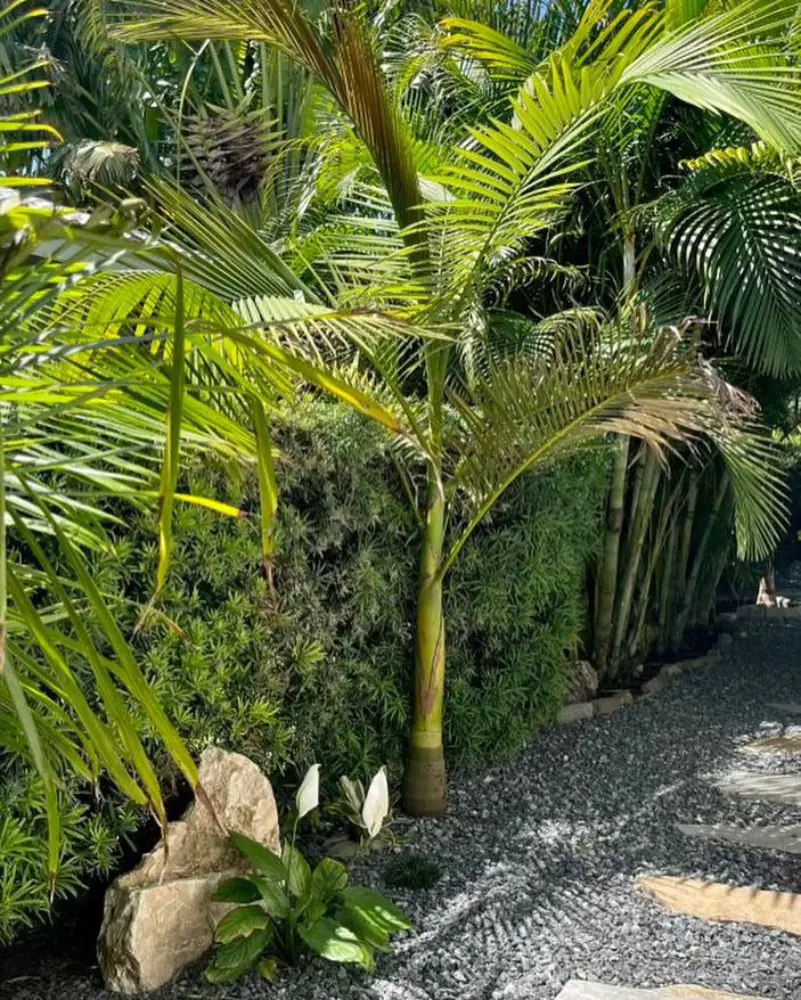
Royal Palm: This tree can be found in a suburb or urban area and can reach a height of 70ft. Its smooth and green trunk gives it a majestic look.
Foxtail Palm: This species is known for its bushy fronds, which look like a fox's tail. The medium-sized plant is adaptable to different growing conditions.
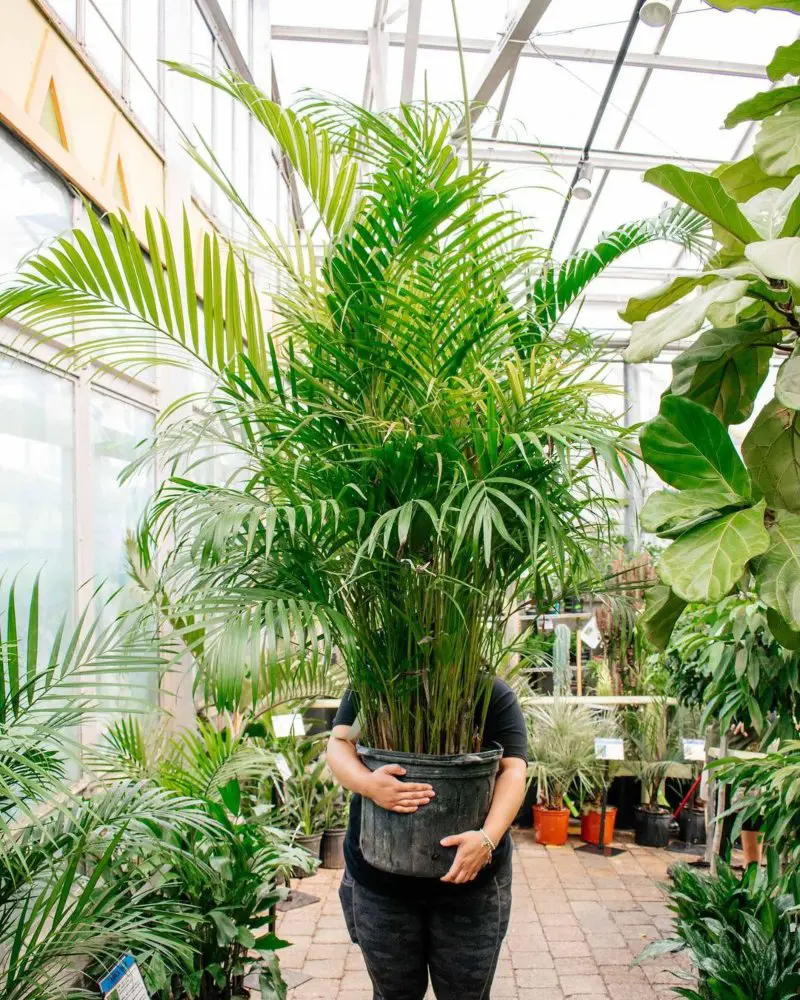
Cane Palm: It is one of the famous indoor plants. Its attractive, feathery leaves and clustered growth habit make it unique.
European Fan Palm: These hardy palm trees look great outdoors. Their fan-shaped leaves enhance the beauty of your outdoor garden.
Bottle Palm: Unlike other species, they have distinct features of swollen trunks and are used for ornamental purposes.