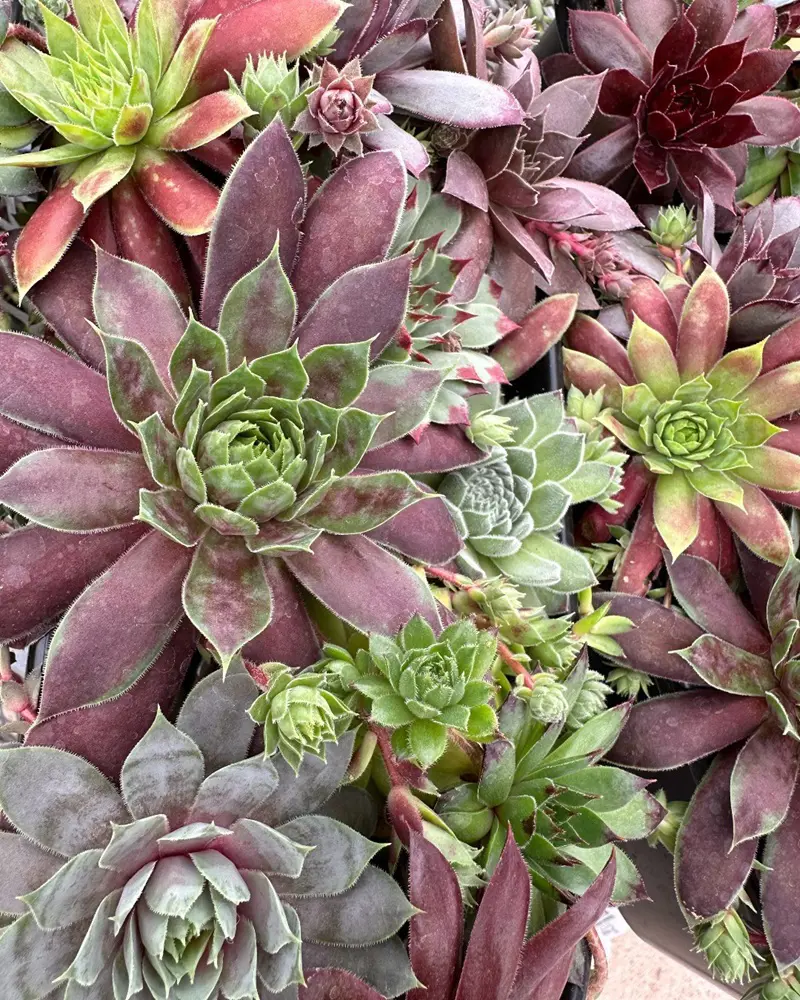
Chicks and Hens plants, known scientifically as Sempervivum, are popular succulent plants that are both beautiful and hardy. They are named for their growth habit, with the "hen" being the larger, central rosette and the "chicks" being the smaller, offshoot rosettes surrounding it.
These charming plants are beloved for their ability to grow in various conditions and their minimal care requirements. This comprehensive guide will discuss everything you need to know about planting, caring for, and growing Chicks and Hens plants, including specific advice on growing them in containers.
How to Plant Chicks and Hens Plant?
Hen and chicks, or Sempervivum, are resilient succulents prized for their rosette-shaped leaves and ability to thrive in diverse conditions. Follow these detailed steps to successfully plant them in your garden or containers:
1. Choose the Planting Location
Begin by selecting a suitable location for your hen and chicks succulents. These plants prefer full sun to partial shade, depending on your climate. It's crucial to ensure the chosen spot has well-drained soil to prevent waterlogged conditions, which can lead to root rot.
2. Prepare the Soil
Prepare the planting area by loosening the soil to a depth of about 6 inches (15 cm). This loosening helps improve soil drainage, a critical factor for succulents. Remove any weeds, rocks, or debris that could hinder root growth and compete for nutrients.
3. Dig Planting Holes
Dig small planting holes that are slightly wider than the base of the rosettes you intend to plant. Space the holes according to the mature size of the plants, typically 6 to 12 inches (15 to 30 cm) apart. This spacing allows ample room for the hen and chicks to spread and grow over time.
4. Planting the Rosettes
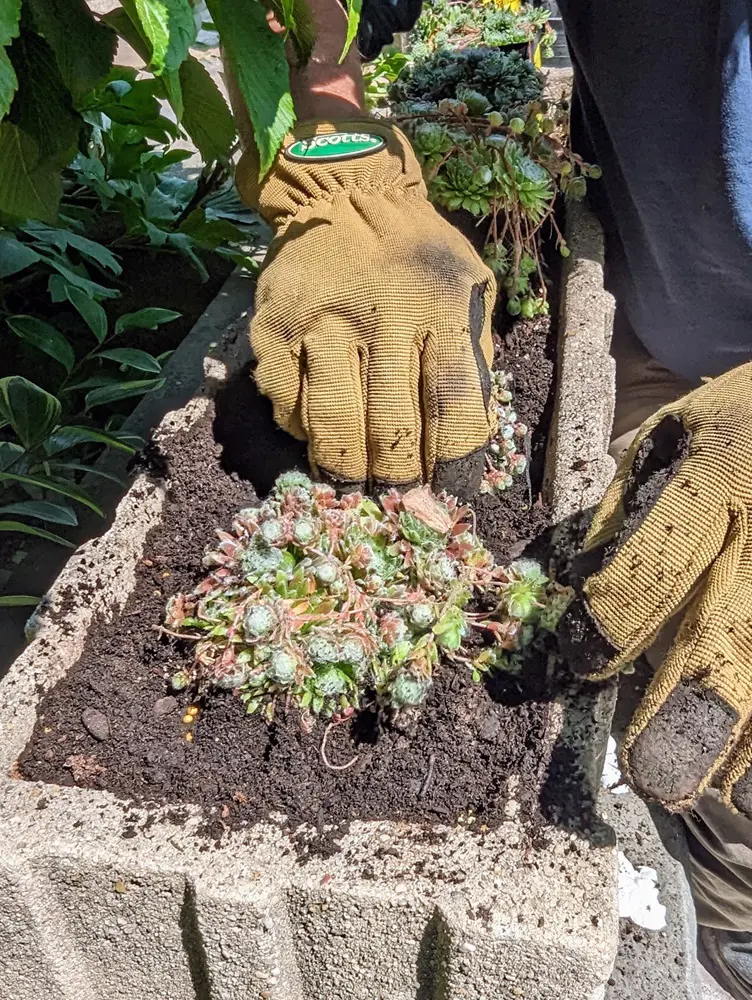
Carefully remove the hen and chick rosettes from their nursery containers, or gently separate offsets (chicks) from the main plant if necessary. Place the main "hen" rosette in the center of each prepared hole. Surround it with the smaller "chicks," ensuring each rosette's base is level with the soil surface. This step helps prevent water from accumulating at the crown, which can cause rotting.
5. Backfill and Water
Fill in the holes around the rosettes with the loosened soil, gently pressing to secure them in place. Take care not to cover the rosettes too deeply. After planting, water the succulents lightly to settle the soil around the roots. Avoid overwatering, as hen and chicks are drought-tolerant once established. Water sparingly thereafter, only when the soil feels dry to the touch.
Chicks and Hens Plant Care
Watering:
One of the key aspects of caring for Chicks and Hens plants is proper watering. These succulents are drought-tolerant and require minimal watering. Overwatering is the most common mistake, often leading to root rot. Water only when the soil is completely dry. In summer, this might be once every two weeks, while in winter, it could be as infrequent as once a month.
Sunlight:
Chicks and Hens plants thrive in full sunlight. Ensure they get at least six hours of direct sunlight daily. In extremely hot climates, some afternoon shade can help prevent scorching. If growing indoors, place the plants near a south or west-facing window.
Temperature and Humidity:
Sempervivum are hardy plants that can tolerate a wide range of temperatures. They are frost-resistant and can survive in temperatures as low as -30°F (-34°C). However, they also perform well in hot conditions. Humidity is not a major concern, as they are adapted to dry environments.
Feeding:
These plants are not heavy feeders. A light application of a balanced, water-soluble fertilizer diluted to half strength once a year in spring is sufficient. Over-fertilization can lead to excessive, weak growth and should be avoided.
Pruning and Maintenance
Regular maintenance of Hen and Chicks succulents is essential for their health and aesthetics. Here’s a concise guide:
-
Removing Dead or Dying Leaves:
- Regularly inspect your plants and remove any dead or dying leaves. This improves air circulation and reduces the risk of fungal infections. Gently pull away the affected leaves from the base to avoid damaging the healthy parts.
-
Removing Spent Flower Stalks:
- Once the plants have flowered, remove the spent flower stalks to maintain the plant’s appearance and direct energy back to growth. Cut the stalks close to the base with clean, sharp scissors or pruning shears.
-
Replanting Chicks:
- The offsets, or "chicks," can be gently separated from the main "hen" rosette and replanted. Simply pull the chicks away and plant them in prepared soil, ensuring their bases are level with the soil surface.
Pest and Disease Control
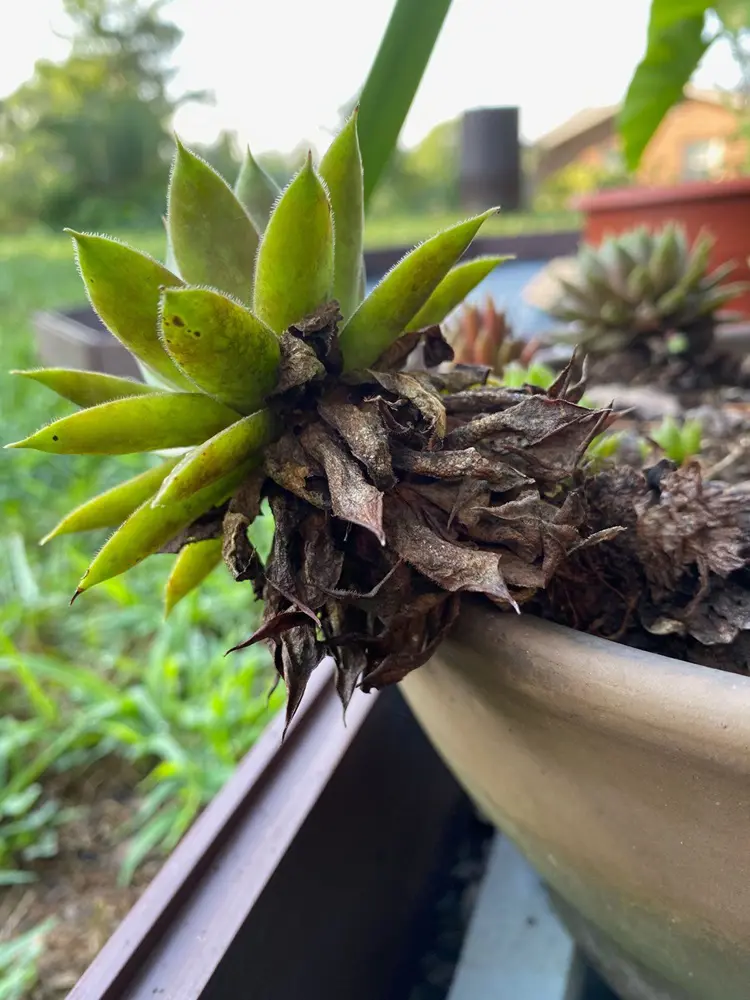
Hen and Chicks succulents are generally robust and pest-resistant, making them a popular choice for gardeners. However, they can occasionally be affected by pests such as aphids, mealybugs, and spider mites.
Managing Pests:
- Aphids: These tiny insects can cluster on new growth, sucking sap and weakening the plant. To control aphids, use insecticidal soap or neem oil. Regularly inspect your plants and spray affected areas thoroughly.
- Mealybugs: These pests appear as white, cottony masses on the plants. They can be treated with a cotton swab dipped in rubbing alcohol to remove visible mealybugs, followed by spraying with neem oil.
- Spider Mites: These tiny arachnids can cause stippling on leaves and produce fine webs. Increase humidity around the plants and use insecticidal soap or neem oil to manage infestations.
Preventing Fungal Diseases:
- Good Air Circulation: Ensure your succulents are planted with enough space between them to promote airflow. Proper spacing reduces humidity levels around the plants, making conditions less favorable for fungal growth.
- Avoiding Excess Moisture: Overwatering is a common cause of fungal diseases in succulents. Water your Hen and Chicks only when the soil is dry to the touch, and ensure the soil is well-drained to prevent water from pooling around the roots.
Hens And Chicks in Containers
- Choosing the Right Container: When growing Chicks and Hens in containers, it's important to choose a pot with good drainage. Terra cotta pots are ideal as they allow moisture to evaporate quickly, reducing the risk of root rot. Ensure the container has multiple drainage holes to facilitate proper water flow.
- Soil for Container Plants: Use a well-draining potting mix designed for succulents and cacti. You can also create your mix by combining regular potting soil with coarse sand or perlite. Avoid using garden soil in containers as it tends to retain too much moisture.
- Planting in Containers:
- Fill the Container: Fill the container with the prepared soil mix, leaving about an inch from the top.
- Arrange the Plants: Place the main "hen" in the center of the container, and arrange the "chicks" around it. Ensure the bases of the rosettes are level with the soil surface.
- Spacing: If planting multiple "hens," ensure they are spaced adequately to allow room for the "chicks" to spread.
- Watering: Water the container thoroughly after planting, then allow the soil to dry out completely before watering again.
Care for Container Plants:
- Light: Place the container in a location where it will receive at least six hours of direct sunlight daily.
- Watering: Water sparingly and ensure the container does not sit in water. Allow the soil to dry completely between waterings.
- Feeding: Apply a diluted, balanced fertilizer once a year in spring.
- Winter Care: If you live in an area with harsh winters, bring the container indoors or place it in a sheltered location to protect it from extreme cold.
- Repotting: Over time, Chicks and Hens may outgrow their containers. Repot them every 2-3 years to refresh the soil and provide adequate space for growth. When repotting, gently remove the plants from the old container, shake off excess soil, and trim any dead or damaged roots. Replant in fresh, well-draining soil and water lightly.
Propagating Chicks and Hens Plants
- Propagation by Offsets: Chicks and Hens naturally propagate by producing offsets or "chicks" around the main "hen." These offsets can be easily separated and replanted to grow new plants. To propagate by offsets:
- Identify Mature Offsets: Wait until the offsets have developed their roots and are large enough to handle.
- Separate the Offsets: Gently pull or cut the offsets away from the main plant.
- Prepare the Planting Site: If planting in the ground, prepare the soil as described earlier. If planting in containers, fill the container with well-draining soil.
- Plant the Offsets: Place the offsets in the prepared soil, ensuring the bases are level with the soil surface.
- Watering: Water lightly after planting, then follow the usual watering schedule.
- Propagation by Seeds: While propagation by offsets is more common, you can also propagate Chicks and Hens by seeds. This method is slower and requires more patience, but it can be rewarding.
- Collecting Seeds: After the plants flower, they may produce seeds. Collect the seeds once they are mature and dry.
- Sowing Seeds: Fill a shallow tray with a well-draining succulent soil mix. Sprinkle the seeds evenly on the surface and lightly cover with a thin layer of soil.
- Germination: Place the tray in a location with bright, indirect light. Keep the soil lightly moist until the seeds germinate, which can take several weeks.
- Transplanting Seedlings: Once the seedlings are large enough to handle, transplant them into individual pots or the garden, following the usual planting guidelines.
Common Varieties of Chicks and Hens Plants
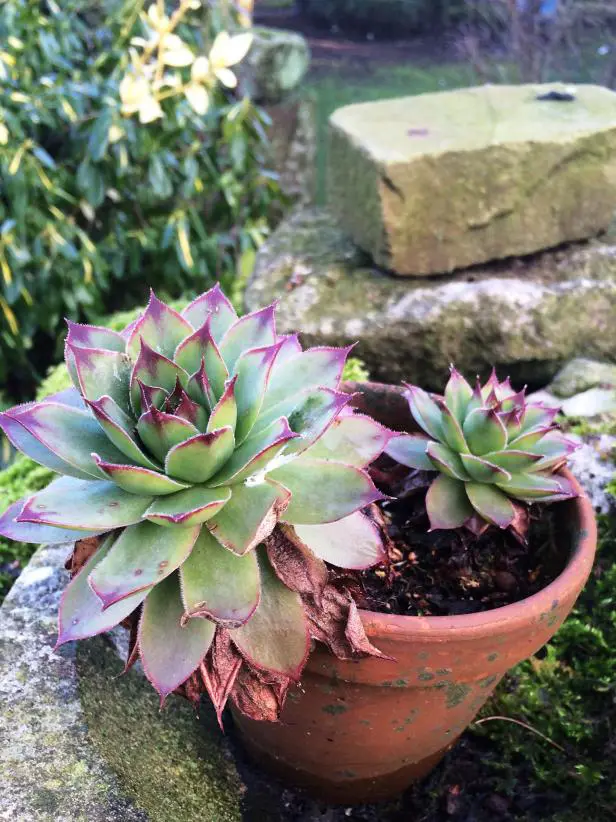
Chicks and Hens plants come in a variety of shapes, sizes, and colors, offering plenty of options for gardeners. Some popular varieties include:
- Sempervivum tectorum: Known as the Common Houseleek, this variety features rosettes with green leaves tipped with red or purple.
- Sempervivum arachnoideum: Also called Cobweb Houseleek, this variety has small, green rosettes covered with fine white hairs, resembling a cobweb.
- Sempervivum calcareum: This variety features blue-green leaves with reddish-purple tips, creating a striking contrast.
- Sempervivum ‘Red Beauty’: Known for its deep red rosettes, this variety adds a vibrant touch to any garden or container.
- Sempervivum ‘Pacific Blue Ice’: This variety has blue-green leaves with pinkish-red tips, creating a unique and eye-catching appearance.
Benefits of Growing Chicks and Hens Plants
Chicks and Hens plants offer several benefits, making them a popular choice for both novice and experienced gardeners:
- Low Maintenance: These succulents require minimal care, making them ideal for busy gardeners or those new to plant care.
- Drought Tolerant: Their ability to withstand periods of drought makes them suitable for xeriscaping and water-wise gardening.
- Attractive Appearance: With their rosette growth habit and variety of colors, Chicks and Hen plants add visual interest to gardens and containers.
- Propagation Ease: The ease of propagating offsets allows gardeners to quickly and inexpensively expand their plant collection.
- Pest Resistance: These plants are generally resistant to pests and diseases, reducing the need for chemical treatments.