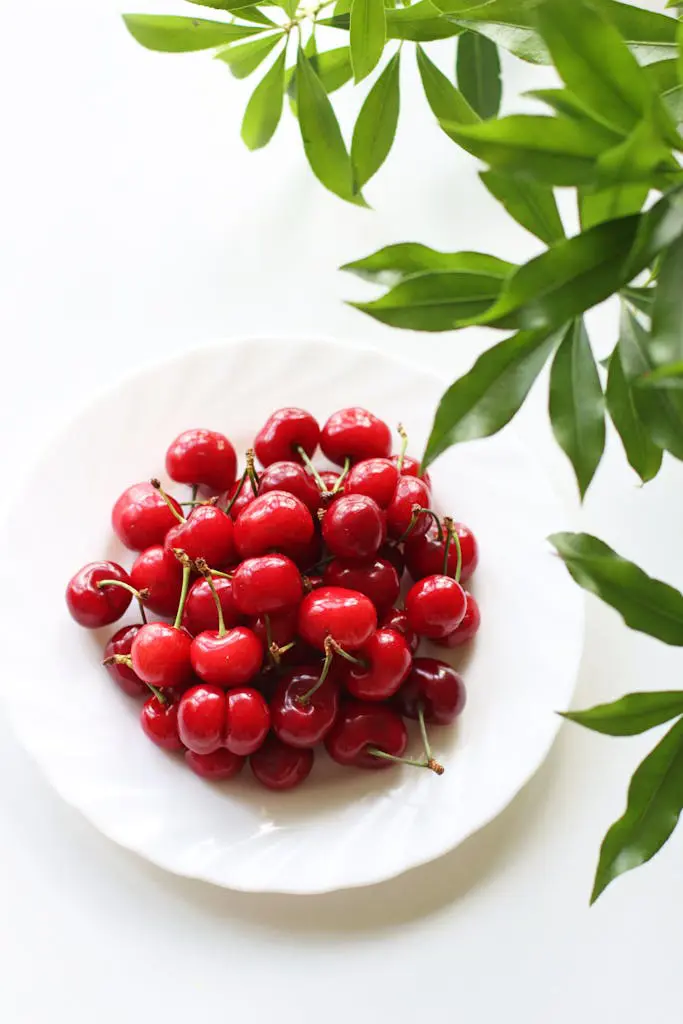
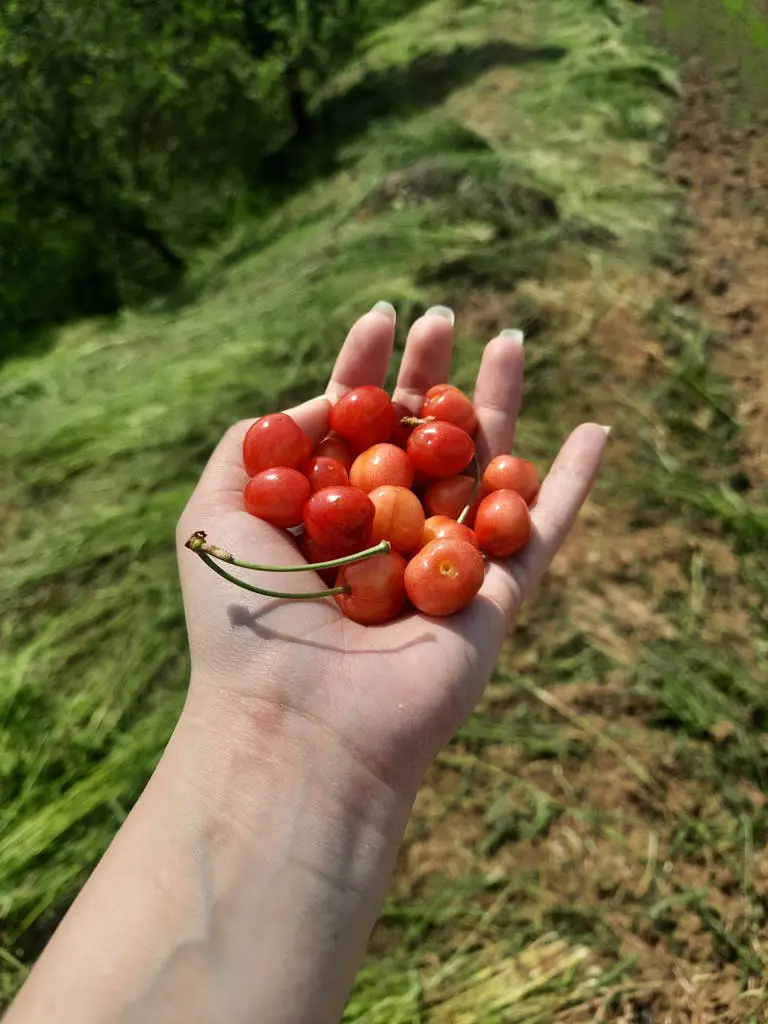
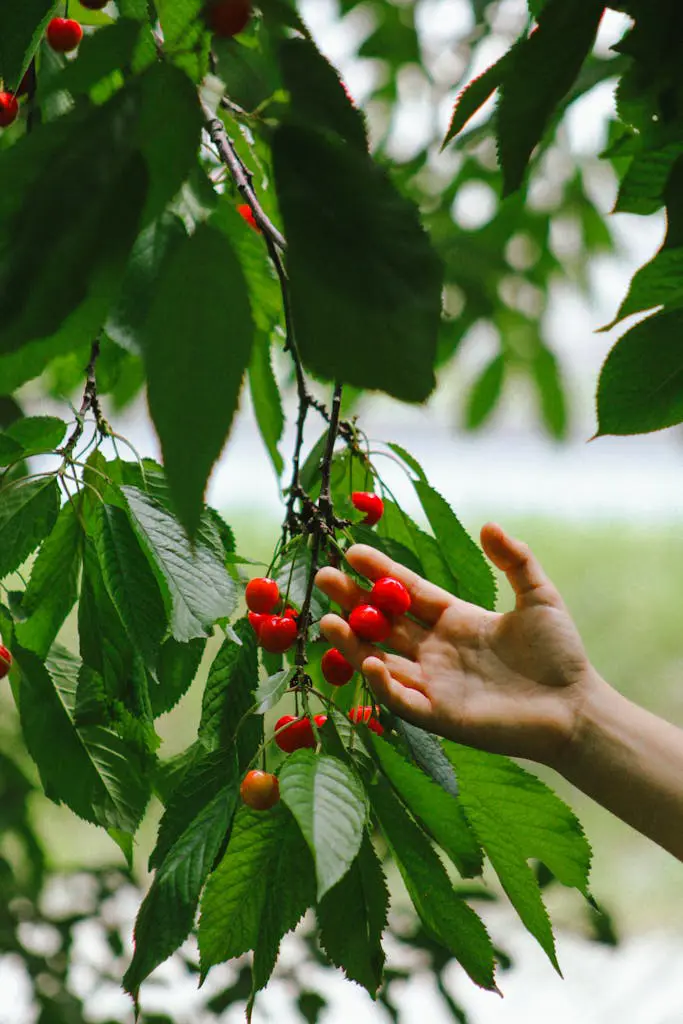
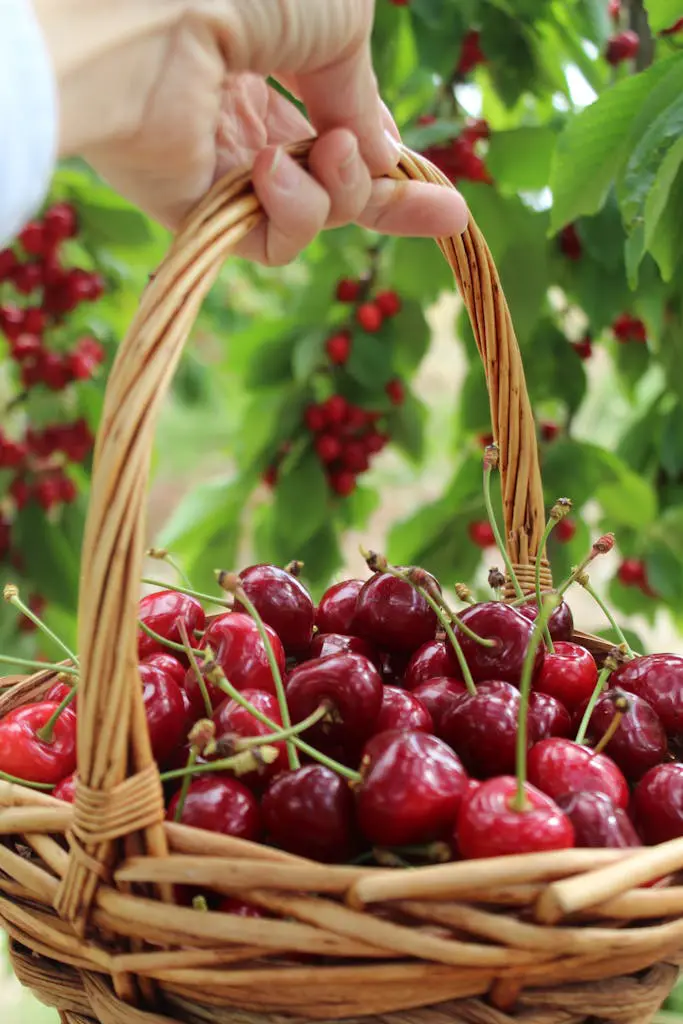
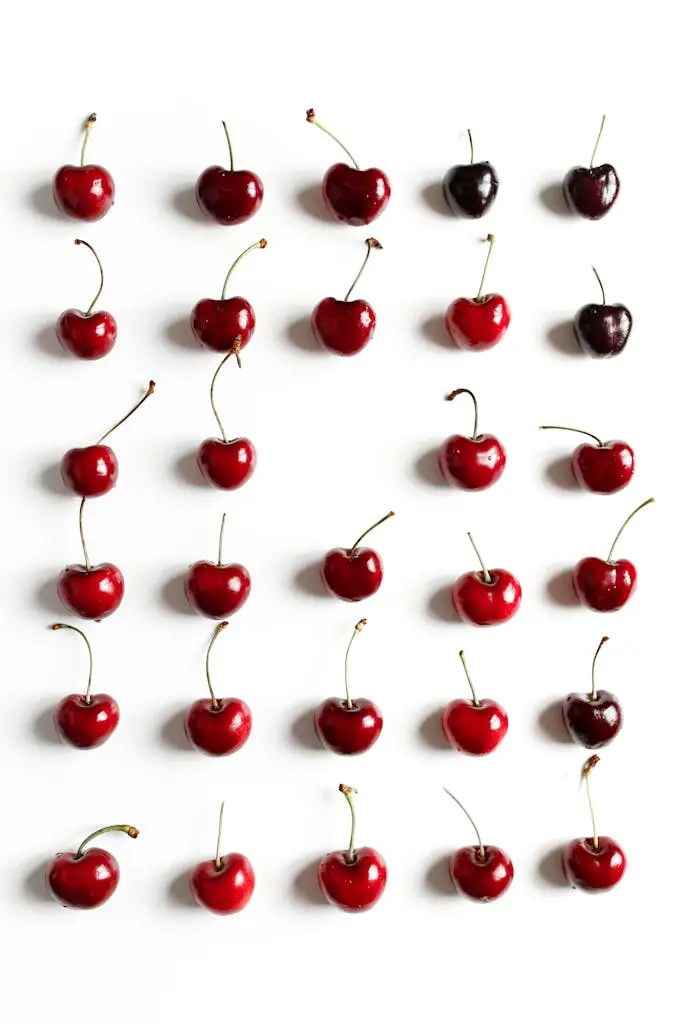
Imagine strolling through your backyard, picking plump, juicy cherries from your very own tree. With pretty spring blooms and a bountiful summer harvest, the cherry tree is a delight.
Growing your own is easy with the right care. Let's explore the basics - from choosing varieties to planting, nurturing, and harvesting these prized fruits. Soon you'll have a cherry tree oasis blooming right in your yard. Just follow these simple steps of how to grow cherries that are mentioned below.
Cherry trees make wonderful additions to gardens of any size. They offer pretty spring blossoms, colorful fruits, interesting bark, and foliage that turns vibrant shades of orange, red and yellow come fall.
There are two main types to choose from - sweet and sour (or morello) cherries. Each has slightly different needs. Sweet cherries are the variety most commonly found in grocery stores. They have a thick, rich texture reminiscent of plums. These trees grow best in zones 5 through 7 but cannot self-pollinate.
For an orchard or larger garden, you'll need at least two or three sweet cherry trees to pollinate one another, unless you opt for a dwarf self-pollinating variety like 'Stella.' Sour cherries are not typically eaten fresh but are prized for cooking, jams and preserves.
The sour cherry varieties produce much smaller fruits than their sweet counterparts, though all can self-pollinate. They thrive in zones 4 through 6.
Choose a planting site that gets full sun exposure from at least mid-morning through late afternoon
Avoid low spots where cold air settles, as cherries can suffer frost damage to blooms
Good air circulation helps prevent disease, so don't plant too close to buildings/tall trees that block breezes
Well-drained soil is critical - cherries won't tolerate soggy conditions that cause root rot
Slightly acidic 6.0-7.0 pH is ideal, amend soil with sulfur or peat moss if too alkaline
Spacing:
Space standards 35-40 feet apart to allow for mature canopy spread
Dwarfs can be closer at 5-10 feet for sweets, 8-10 feet for tarts
Allow 10-15 feet from buildings, fences or other trees
Planting Time:
Plant in very late fall after leaves drop but before ground freezes
Or in early spring once soil can be worked, avoiding late frosts
Moist but well-drained soil makes establishment easier
Pollination:
For sweet cherry pollination, plant minimum of 2 different varieties
Check bloom times to ensure overlapping for cross-pollination
Some self-fertile varieties like 'Stella' or 'Lapins' if space is very limited
Providing the right sunny exposure, air flow, soil pH, and spacing are the key how cherries grow to become well-established. Planting at the optimal time in late fall or spring takes advantage of the moist soil conditions. And selecting compatible sweet cherry varieties for pollination is critical for fruit set.
How To Grow Cherry Trees
The procedure for growing cherry trees depends on the type of tree you plant. Based on the variety, there are different steps you can follow:
Standard Rootstock
For trees grafted onto standard rootstocks, the graft union (bulge on the trunk) should be planted 2-4 inches below the soil surface line
This allows the scion variety's roots to establish underground.
Dwarf Rootstock
With dwarf rootstock trees, position the tree so the graft union site sits 4-6 inches above the soil line once planted
Keeping the union above the soil prevents the scion from rooting itself and bypassing the dwarfing rootstock's size-control
Fan-Trained Trees
For fan or espalier-trained trees, construct the necessary trellis or support system first before planting
Securely install the trellis posts, wires, etc. that the branches will be tied to as they grow outward
Space fan-trained trees only 12-15 feet apart in the row to allow room for the branches to spread
Bare-Root Trees
Dig a wide, shallow planting hole slightly deeper than the roots' spread
Make a conical mound of soil in the center to drape and spread the bare roots over
Carefully untangle and fan out the root system over the mound without bending roots
Backfill the hole with the original soil, covering all roots, while maintaining the proper graft union depth
Container Trees
For trees grown in containers, first lay the pot on its side and carefully slide the rootball out
Use shears or pruners to cleanly cut through any encircling or pot-bound roots on the exterior
Dig the planting hole slightly wider than the rootball's diameter
Place the rootball in the center of the hole at the same depth it was in the container, without burying the top
Backfill around the rootball and water thoroughly after planting
Following the proper planting depth and technique based on the rootstock type and whether bare-root or containerized is important for the tree's establishment and future performance. The graft union depth, supporting fan trees, and managing pot-bound roots are all key details to get right
Caring for growing cherry trees properly early in the season is crucial because they flower very early. In February, give the tree roots a good nutrient boost by spreading well-rotted manure or compost around the base as a mulch.
Also feed the tree regularly with an all-purpose fertilizer through the end of March. Make sure to keep the soil moist by watering the cherry tree frequently during this early growth stage. If frost is predicted, it's extremely important to protect any open blossoms by covering the tree with lightweight horticultural row cover fabric.
The care requirements are the same whether growing sour or sweet cherry varieties. Spread a 4-inch layer of mulch like wood chips or bark around the tree, but leave 4-6 inches of bare soil circling the trunk itself.
This mulch ring helps retain moisture in the soil for the roots. Once cherry fruits start appearing, install netting over the entire tree so birds cannot reach and eat the cherries.
During any dry spells with minimal rainfall, be sure to routinely water the cherry tree to keep the soil lightly moist but not saturated. You don't need to manually thin out small cherry fruits - the tree will naturally shed off the excess tiny fruits itself in early summer through a process called "June drop."
Pruning Cherry Trees
Annual pruning of cherry trees is critical to maintain their health, shape, and fruit production. The ideal time is late winter just before the buds begin to swell. Pruning stimulates the growth of new, vigorous fruiting wood for the coming season's cherry crop.
However, avoid pruning too late into fall or winter, as wounds inflicted then are very slow to heal and become exposed entry points for disease pathogens.
Fertilizing Cherry Trees
Cherry growing need nutrients for healthy growth and bountiful yields, but applying too much nitrogen can cause excessive leafy growth at the expense of fruit. Therefore, fertilize in early spring a few weeks before bloom with a low-nitrogen formula like 5-10-10 (nitrogen-phosphorus-potassium).
Reapply as needed until harvest by monitoring soil fertility through routine testing. Stop fertilizing by mid-to-late summer to allow any new growth to begin hardening off for winter's arrival.
Training Cherry Trees
There are two main training systems for cherry trees - the open center bush or the espalier fan shape against a wall or fence. Sweet cherry varieties bear fruit on two-year-old and older wood, while sour morello cherries fruit on one-year-old shoots. Whichever system is used, strategic pruning establishes the desired tree architecture.
With open bush cherries, pruning develops a central trunk with permanent scaffold branches radiating out in a vase shape. Espaliers are pruned to a two-dimensional form with parallel horizontal branches off a single vertical trunk.
Pruning Techniques
When pruning cherry trees, the goals are to balance retention of older fruiting wood with renewal growth for future seasons, remove any dead/diseased/damaged limbs, and shape the tree's structure. Open center trees need pruning to prevent excessive shading inside the canopy.
The important rule is to never prune cherries in winter when they are fully dormant. This increases susceptibility to silver leaf disease and bacterial canker infections through pruning wounds.
Instead, prune young newly planted trees in early spring as growth resumes. Established cherry trees only require pruning during the summer months if shaping or thinning is required.
Only pick cherry fruits when they are fully ripe and have achieved their maximum color - dark red, black or yellow depending on the variety. The sugar content continues increasing in the final few days before reaching full ripeness.
Be prepared to harvest all the ripe cherries within a one-week timeframe. Freshly picked cherries have a very short shelf life and should be eaten or cooked immediately after picking. If you plan to freeze the cherries, pick them when ripe but still firm to the touch.
Proper Cherry Harvesting Techniques
When picking, make sure to detach each cherry carefully while keeping the small stem-spur attached. This allows that spur to remain on the branch and produce fruit again next season.
Avoid hand-picking cherries by grabbing or pulling on the fruits, as this can easily damage or break off the delicate fruit-bearing shoots and create entry points for diseases.
Instead, use sharp scissors or pruners to snip each cherry cluster off while still attached to the spur.
Cherry Trees and Fruit Production
Cherry trees typically do not start bearing fruit until around their 4th year after planting.
Once established and mature, a healthy cherry tree can be expected to yield 30-50 quarts (7-12 gallons) of fresh cherries per year.
Consistent annual pruning helps maximize fruit production by removing unproductive old wood and stimulating new fruiting shoot growth.
Cherry Tree Pests And Diseases
Unfortunately, cherry trees are susceptible to numerous pests and diseases that can severely damage or even kill the tree if left unchecked. However, many of these issues only affect trees that are already in poor health. Providing proper care is the best defense.
Preventative Cherry Tree Care
Ensure well-drained soil to prevent root rot
Protect trunks from lawnmower damage
Provide adequate irrigation during droughts
Apply white tree wrap to prevent sunscald on trunks
Common Cherry Pests:
Cherry leaf spot fungus
Black cherry aphids
Borers (insect larvae)
White prunicola scale
Common Cherry Diseases:
Powdery mildew
Brown rot fungus
Black knot fungus
A vigorously healthy cherry tree is much less likely to succumb to pests or diseases. Maintaining plant vigor through proper cultural practices is key.
Using Insecticides Cautiously
If insecticides are needed, use eco-friendly options like pyrethrum with great caution, as these can harm beneficial insects like:
Butterflies
Honeybees
Ladybugs
Only apply insecticides in the evening, night or early morning before bees emerge. Reapplication may be needed 2-3 times. Consider using sticky traps to capture adult pests.
Sanitation is Critical
Disinfect pruning tools after use on diseased plants
Avoid over-fertilizing which promotes succulent new growth very prone to diseases
Promptly remove any diseased wood from the tree
With diligent preventative care, your cherry tree can remain vigorous and productive for many years.
Sweet cherries range from early ripening in June to late season varieties in July. 'Black Tartarian' is one of the first, producing large, purplish-black cherries with exceptional sweet flavor.
The most popular sweet cherry is undoubtedly 'Bing' which hits its peak in late June/early July and offers that quintessential sweet cherry taste. For late summer harvests, 'Stella' is an outstanding choice with huge, crisp fruits that nicely balance sweet and tart flavors.
Among the sour or tart cherries, 'Early Richmond' kicks off the season in late May with bright red, medium-sized fruits packing a classic sour punch. By far the most widely planted is 'Montmorency' which ripens in late June with heavy crops of ruby-red, moderately tart cherries ideal for canning, baking and juices.
Extending into late July, 'Meteor' produces very large sour cherries with nicely balanced sweet-tart flavors in the dark red skin and flesh.
Sweet Cherry Varieties:
Early Season: Black Tartarian - Large, purplish-black, superb flavor Midseason: Bing - Most popular, classic sweet flavor Late Season: Stella - Huge, sweet-tart balance
Sour/Tart Cherry Varieties:
Early Season: Early Richmond - Bright red, medium-size, sour tang Midseason: Montmorency - Most widely grown, moderately tart Late Season: Meteor - Very large, nicely balanced sweet-sour flavor
No matter your cherry preferences, by planting early, midseason and late varieties of both sweet and sour types, you can ensure a steady supply of fresh cherries for up to 3 months!