Apples can also be simple to grow and plant, making it a great crop for both a beginner. If the proper method of site preparation and care is used, you should have healthy trees and tasty apples in your backyard.
It is the selection of the right location for planting or the need for certain characteristics in the soil, and weather conditions that ensure proper pollination of the apples. This guide offers a comprehensive list of tips and methods that are crucial in the planting of apple trees.
Apple Tree Overview
Botanical Name: Malus domestica
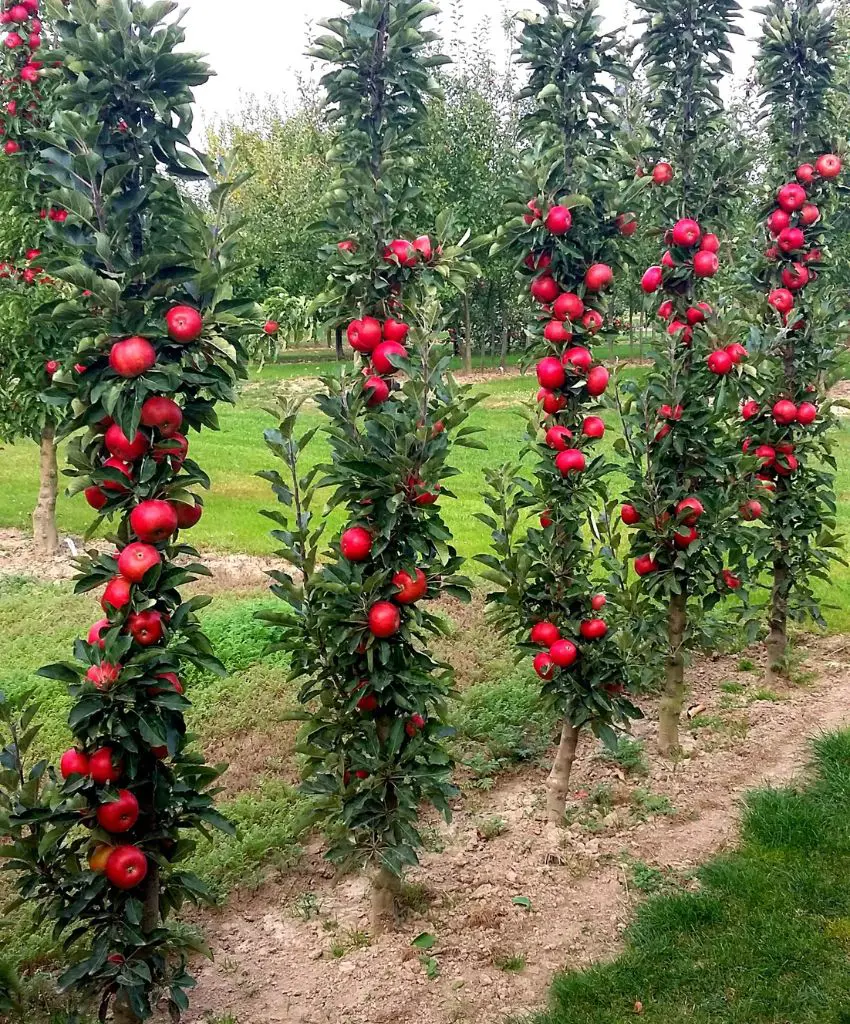
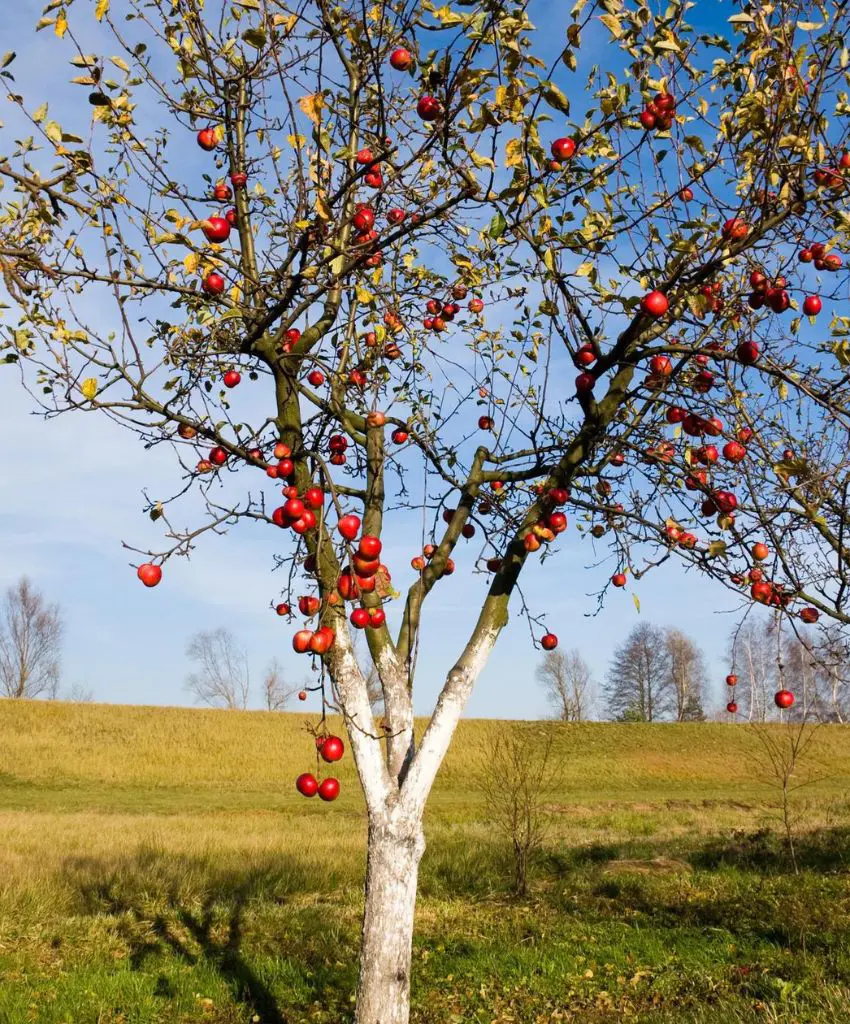
Height: 10-30 feet (3-9 meters) depending of the rootstock. The dwarf varieties are known to be between 6-8 feet which makes them good for small lawns and even in pots.
Spread: 10-30 feet (3-9 meters)
Sun Exposure: Preferably a sunny location or direct sunlight for a considerate part of the day, preferably 6-8 hours.
Soil: Sandy-loamy, soil with slightly acidic to neutral, pH 6(0) - 7(0). 0 and 7. 0. Apples require slightly acidic to a neutral pH of the soil to grow properly.
USDA Growing Zones: 4-8. Some varieties are grown in the colder or warmer areas while others are developed for temperate climate with clear distinction of the seasons.
When To Plant: During the pre-dawn hours or after the day is done, best time is when trees have no leaves - early spring or late autumn.
Growing apple trees successfully involves careful planning and continuous maintenance. Here’s a detailed guide to help you grow healthy, productive apple trees.
When to Grow Apples?
Spring Planting: Suitable for areas that have cold weather, particularly during the early winter seasons. Pruning can be done during early spring precisely when the ground has not frozen offering the tree an ideal opportunity to grow roots before the onset of the planting season.
Fall Planting: Applies to climates that are not too harsh. The second best time to plant is after the tree has shed its leaves in the late fall since it is less stressed and has some root growth during the slightly warmer months of winter.
Where to Grow Apples?
Sunlight: Select a site that has the characteristic of being placed in an area that has direct sunlight, preferably 6-8 hours of sunlight per day. Direct sunlight is required to allow the plants to grow and bear fruit as this is a crucial part of photosynthesis.
Air Circulation: Prune the trees to promote proper airflow because fungal diseases affect the trees, especially apples in areas with poor air circulation. One should therefore avoid areas where cold air can sink like in the frost-prone areas normally referred to as frost pockets.
Soil Quality: Grow in the well-drained, fertile loamy soil of organic origin preferably in a well-lit area. While poorly drained soil can result in root diseases, loamy soils can allow for both good moisture-holding capacity and good drainage.
Spacing: It is recommended that standard-sized apple trees be planted at a distance of about 15 to 20 feet, semi-dwarf trees at 12 to 15 feet, and dwarf trees at 8 to 10 feet.
How To Grow Apples?
Here are a few things to consider when growing apples:
Preparing the site:
Dig a hole in the ground to a size double the width of the root ball and the same depth. It enables the roots to expand without difficulty and anchor themselves in the surrounding ground.
If your garden soil is poor, then it could be worth improving the fertility and structure of the soil by adding some compost or well-rotted manure in the spring. Do not use fresh farm yard manure or fertilizers high in nitrogen content on plants that are in the initial growth stages as this might have an adverse effect on roots.
Planting Tree:
Put the tree into the hole such that the graft union, the swollen area close to the base of the tree, is about 2-4 inches above the ground level. If the graft union is buried too deep it may rot and have adverse effects on the health of the tree.
Replace the hole with soil and gently pack it down around the roots to remove unnecessary pockets of air. It is advisable to water the plants well in order to help settle the soil and satisfy the demands of the roots.
Staking and Mulching:
Young trees should be staked to help them grow and protect from wind. Choose a softer tie material in order not to harm the bark of the tree.
Also, cover the ground within the drip line with a 2 to 4-inch layer of mulch. Space the mulch several inches away from the trunk to avoid rot and pest issues. When used, mulch aids in water retention, control of weeds, and the overall temperatures of the soil.
Watering:
Water the newly planted tree with enough water once the planting is done. This aids in leveling the soil and removes any pockets of air in it.
In the first year of growth, ensure that the soil is moist but not waterlogged especially during the growing season. Frequent yet shallow watering promotes shallow root development while infrequent yet deep watering promotes root growth down into the soil.
Pruning and Training:
They should trim the tree soon after planting, to eliminate the branches that are either damaged or broken. This assists the tree to channel its energy towards root development.
The young trees should be trained to have a well-defined central leader and adequate spacing between the scaffold branches. This structure helps to bear the fruit load on the tree and ensures proper aeration and light infiltration.
Pollination:
Many apple types can only be pollinated by another different type to produce fruit. Grow two different types in 50-100-foot intervals from each other so the plants can pollinate easily. Other flowering plants, such as crabapples that are excellent pollinators can also be planted nearby.
People living around the garden should ensure that friendly insects such as bees are attracted by planting flowers that produce nectar. Do not use pesticides in the areas where flowers are blooming to help protect pollinators.
Apple Tree Care
Light
Apples grow well in places that receive full sun since they require sunlight to grow and bear fruits. It is important; however, to make certain that they receive at least 6-8 hours of direct sunlight daily.
Light plays a significant role in the plant and vegetable species and is vital in the formation of flowers and fruits. Insufficiency of light exposes the plant to poor flowering and less quality of fruits that are produced.
Water
One important requirement is watering, and one should water young trees about once a week during the first years. Irrigate or allow the plants to get watered through rain once a week but ensure not to add more than an inch of water.
In a time of drought, the tree is in a better position to withstand the difficult times because of the deep watering. This is because the soil around the base of the tree will retain moisture and the competition from weeds will be minimal.
Temperature
Unlike many other fruits, apples need a winter break from cold temperatures so that they can be grown in temperate regions. Some of them require a specific number of chilling hours (hours below 45°F) to effectively set fruit.
It is revealed that most apple varieties are best adapted to growing conditions that provide between 800 and 1500 hours of accumulated chilling. Proper cooling is a critical factor which, if ignored, leads to poor flowering and set.
Humidity
Specifically, apples are moderately sensitive to humidity as they grow well under conditions of moderate humidity. High humidity tends to support fungal diseases such as apple scab, and powdery mildew, so it is important to take care of it.
Air movement around the tree trunk and canopy ought to be encouraged to lower the humidity level in the close vicinity of the tree.
Soil
Loamy soil with good drainage is suitable for sunflower production after combating the major constraints of the crop. Heavy clay or sand loams should be employed only if thoroughly improved with a generous addition of organic material.
Loamy soil allows water to flow through easily while, at the same time, permitting enough water to remain in the soil to nourish the roots. Getting compost or aged manure also enhances the fertility and structure of the soil.
Fertilization
A balanced fertilizer should be applied before spring begins, ideally when the plants are not growing actively. Minimize the use of fertilizers, a process that has been known to cause the growth of more under-branches at the expense of bearing fruits.
Some of the fertilizers that you can use are the ones with a ratio of 10-10-10(N-P-K). Track the nutrient levels of the soil frequently and review the application of fertilizers profitably.
Pruning
Apple trees should be pruned once a year between late winter to early spring to eliminate the dead and diseased branches, enhance air circulation, and train the tree to increase light interception and fruit yield.
Fruit size and quality are enhanced by effective pruning and the incidence of disease is also minimized. Pruning methods such as thinning cuts - removing entire branches, and heading cuts - shortening branches, are used to promote tree structure and growth.
Some of the apple-planting mistakes that should be avoided are:
Growing it in nutrient-poor soils causes poor root development and may result in root rot. Make sure the soil drains well or opt for constructing raised garden beds.
Irrigation - over or under watering the plants which may influence the growth of trees and their stability. The graft union must always be located above ground level.
Lack of provision of water more so during the initial stages of the cam. It is essential to maintain the proper frequency of watering if one wants to develop a healthy root system.
Forgetting spacing requirements that make the trees too close to each other and inadequate ventilation. There is no congestion hence limited competition for resources and no contraction of diseases.
Propagation
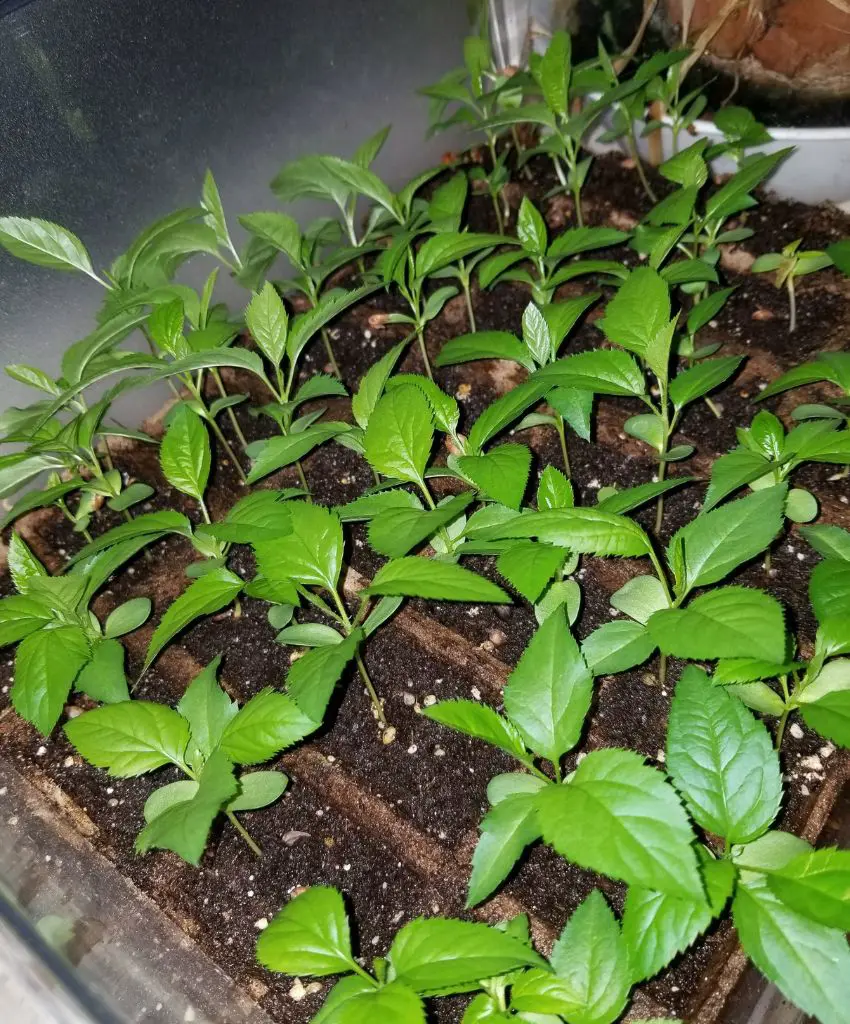
Apple trees are usually cultivated through budding or grafting as opposed to growing them from seed as is common with other fruits since trees from seeds are not uniform. This process involves the uniting of a part from a particular variety, or scion, with a rootstock that defines the size and resistance of the tree.
The most frequently used grafting methods are whip and tongue, cleft, and bud grafting. In addition, rootstocks can also be chosen for factors such as disease resistance, dwarfing, or tolerance to various soil types.
Potting And Repotting
Apple trees can be grown in containers, especially those that are dwarf types. Select a large pot with drainage holes and a good quality planting medium. Make sure the container is at least 18-24 inches in diameter and depth.
Transplant every 2-3 years to replace the used-up soil and to allow room for the roots to grow. During transplanting, handle the roots cautiously and trim any roots that are circling around the root ball.
To prevent frost damage on young trees, the trunk should be covered with tree guards or burlap. This reduces the chances of developing frost cracks and sunscalds.
Apply around the root zone to protect and conserve moisture for the plants. Carefully apply a 2-4 inch layer of mulch but ensure that it does not touch the trunk.
Water the tree copiously in late fall if the winter climate in your region is dry. The first one is watering before the ground freezes so that the tree will be able to hydrate during its dormant period.
Harvesting And Storing
Harvesting
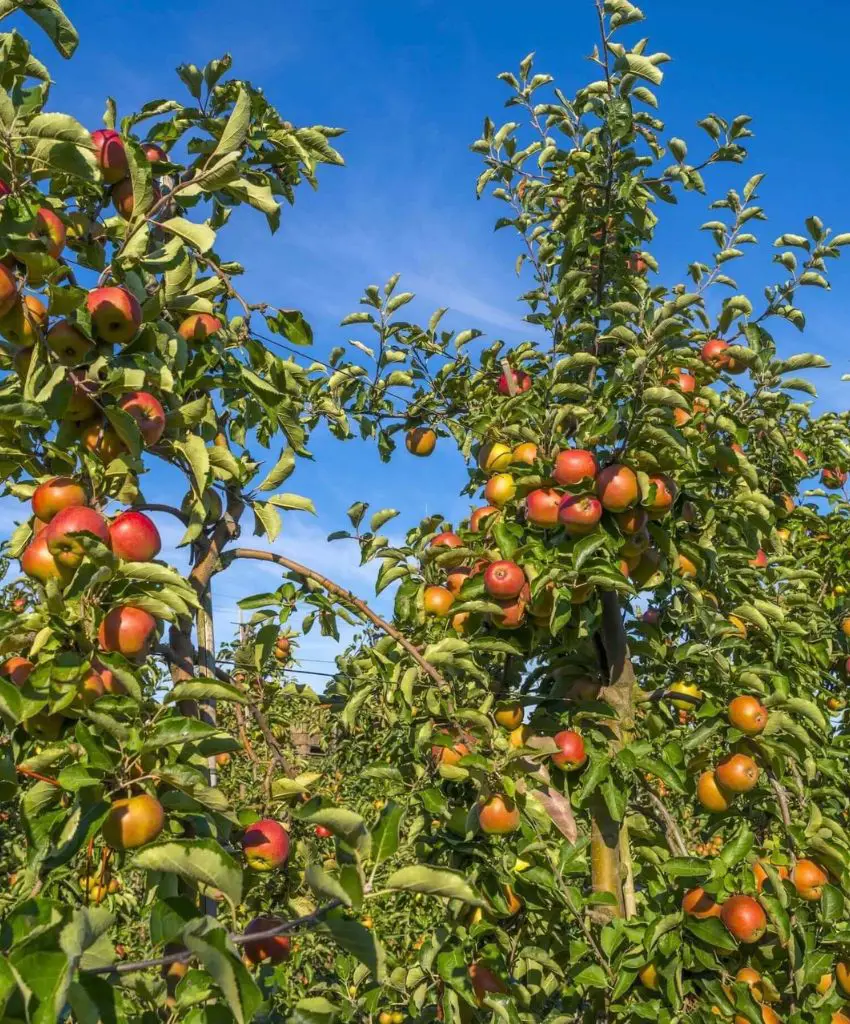
Apples are best for harvesting when they can be picked easily from the tree and when tasted are sweet and crunchy. Development of the fruit ripening stage depends on the specific variety of the apple, though it commonly takes place between late summer and fall.
One can test ripeness by pulling the apple gently using both his hands; it must come off easily. Do not pull or twist because this will encourage crack development in the fruit as well as other parts of the tree.
Storing
Correct apple storage recommendations include putting the apples in a cool, dark, well-ventilated area. Preservation can be achieved through refrigeration and can serve to prolong their shelf life.
The preferable storage temperatures include 32-40°F (0-4°C). Never store apples with the other fruits as it produces ethylene gas that enhances the ripening process for other fruits thus causing them to rot. Apples must be inspected frequently for any sign of molding or rotting to ensure that the rotten ones are disposed of.
Apple maggots: Minuscule larvae that bore into the fruit and create holes inside.
Codling moths: Grubs are nestled within the fruit causing tunnels that have excrement inside.
Aphids: Free-living tiny insects that feed on the sap and can result in stunted growth and honeydew sticky substance on plants.
Scale insects: Sap-sucking insects with a firm body that clings to branches suffering from the loss of vitality.
Diseases
Some diseases that negatively affect apples include:
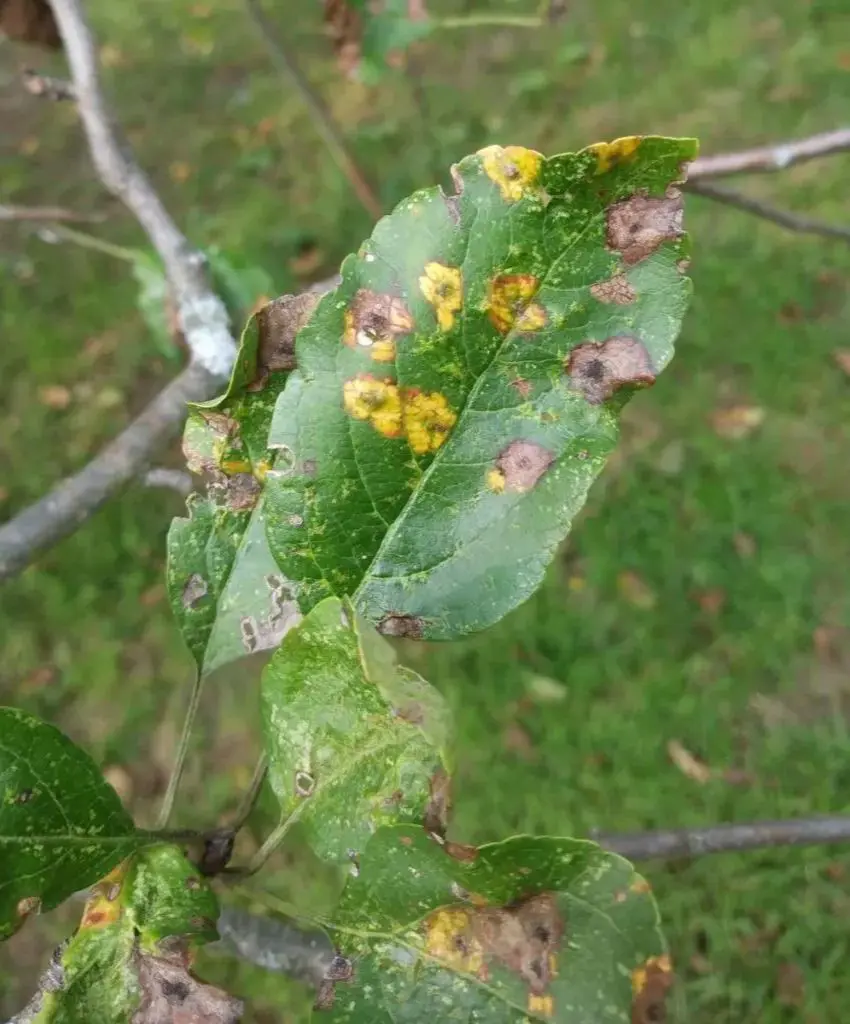
Apple scab: This fungal disease forms dark, rough, scab-like blotches on the foliage and fruit.
Powdery mildew: A plant disease where the fungus forms a white powdery substance on the surface of the leaves and shoots.
Fire blight: Pathogenic bacterial disease that leads to wilting and blacking of shoots and branches.
Cedar apple rust: This refers to a group of diseases caused by fungi that affect both the leaves and fruits of the plant by causing orange lesions on them.