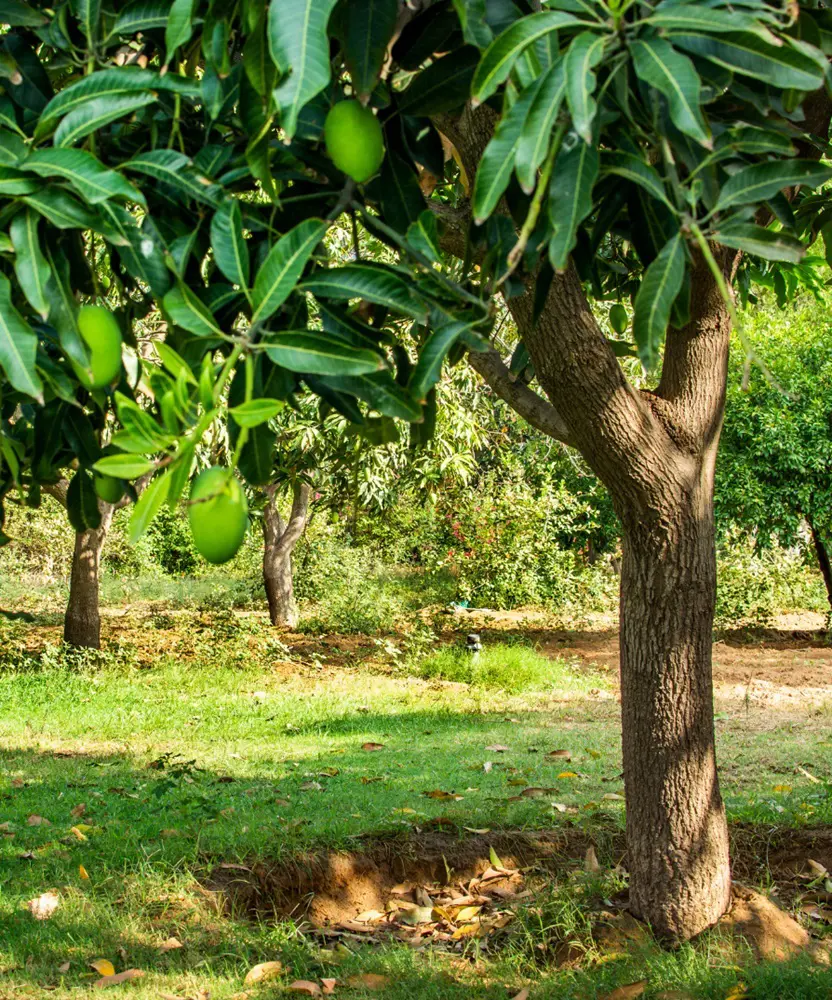
Growing a mango tree can be a rewarding experience, yielding delicious fruit and adding a tropical aesthetic to your garden or indoor space. This comprehensive guide will walk you through everything you need to know about planting, caring for, and maintaining a healthy mango tree.
We will cover a variety of topics, including planting, care, types, comparisons with peaches, harvesting, growing in pots, pruning, propagating, growing from seed, potting, overwintering, pests and diseases, and answer some frequently asked questions.
Planting
Site Selection: Mango trees thrive in tropical and subtropical climates. They require full sun to produce abundant, flavorful fruit. Choose a site with well-draining soil, as waterlogged soil can lead to root rot.
Soil Preparation: Mango trees prefer slightly acidic to neutral soil with a pH range of 5.5 to 7.5. Amend the soil with organic matter, such as compost, to improve fertility and drainage.
Planting the Tree:
- Dig a Hole: Dig a hole that is twice the width and depth of the root ball.
- Prepare the Root Ball: Remove the tree from its pot and gently tease out the roots.
- Planting: Place the tree in the hole, ensuring that the top of the root ball is level with the surrounding soil. Backfill with soil, pressing down firmly to eliminate air pockets.
- Watering: Water the tree thoroughly after planting to help settle the soil.
Care
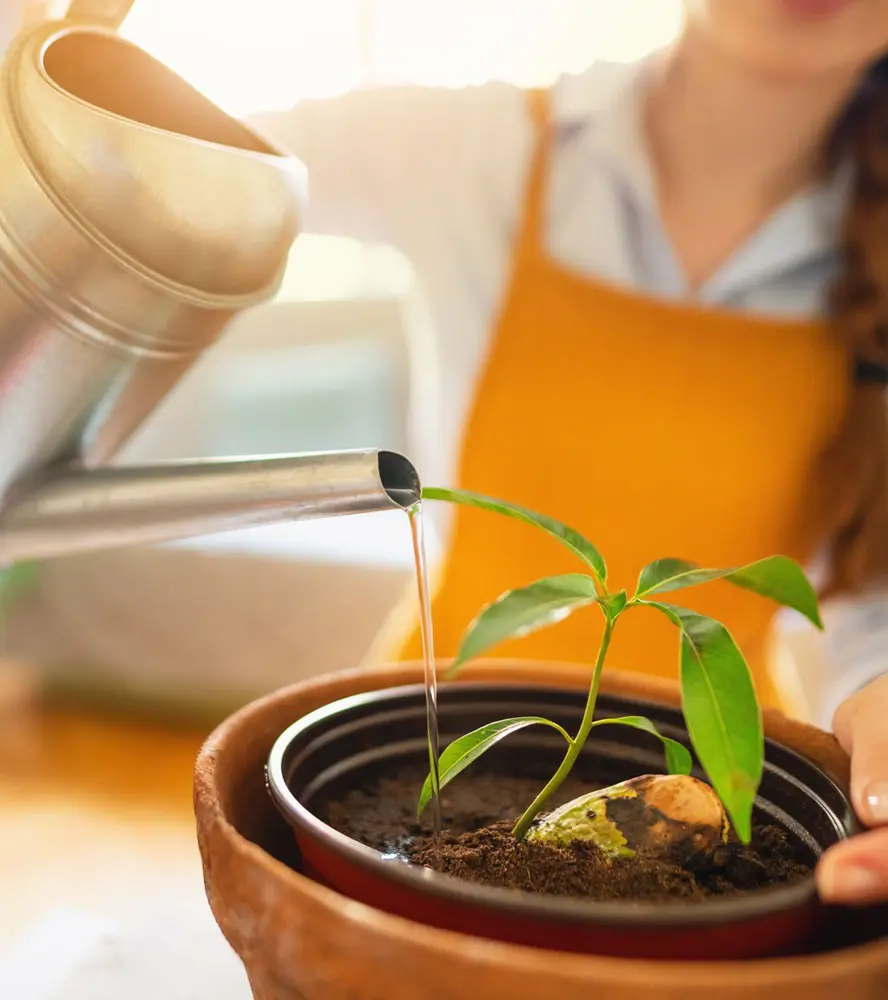
Watering: Mango trees need regular watering, especially during the first two years after planting. Water deeply but infrequently, allowing the soil to dry out slightly between waterings. Once established, mango trees are relatively drought-tolerant.
Fertilizing: Feed your mango tree with a balanced fertilizer during the growing season (spring and summer). A fertilizer high in nitrogen will promote healthy foliage growth, while potassium and phosphorus will support flowering and fruiting.
Mulching: Apply a layer of organic mulch around the base of the tree to conserve moisture, regulate soil temperature, and suppress weeds. Keep the mulch a few inches away from the trunk to prevent rot.
Growing in Pots
Choosing a Pot: Select a large, sturdy pot with drainage holes. A pot with a diameter of at least 18-24 inches is recommended for young trees, but larger pots will be needed as the tree grows.
Potting Mix: Use a well-draining potting mix that is rich in organic matter. A mix designed for citrus or other tropical plants works well.
Care in Pots: Potted mango trees require more frequent watering and feeding than those planted in the ground. Ensure the tree receives plenty of sunlight and protect it from extreme temperatures.
Pruning
Purpose: Pruning helps to shape the tree, remove dead or diseased branches, and improve air circulation, which reduces the risk of pests and diseases.
When to Prune: The best time to prune a mango tree is in late winter or early spring before new growth begins.
How to Prune:
- Remove Dead Wood: Cut away any dead or diseased branches.
- Thin the Canopy: Remove crowded or crossing branches to allow light and air to penetrate the canopy.
- Shape the Tree: Prune to maintain a balanced, open structure.
Propagating
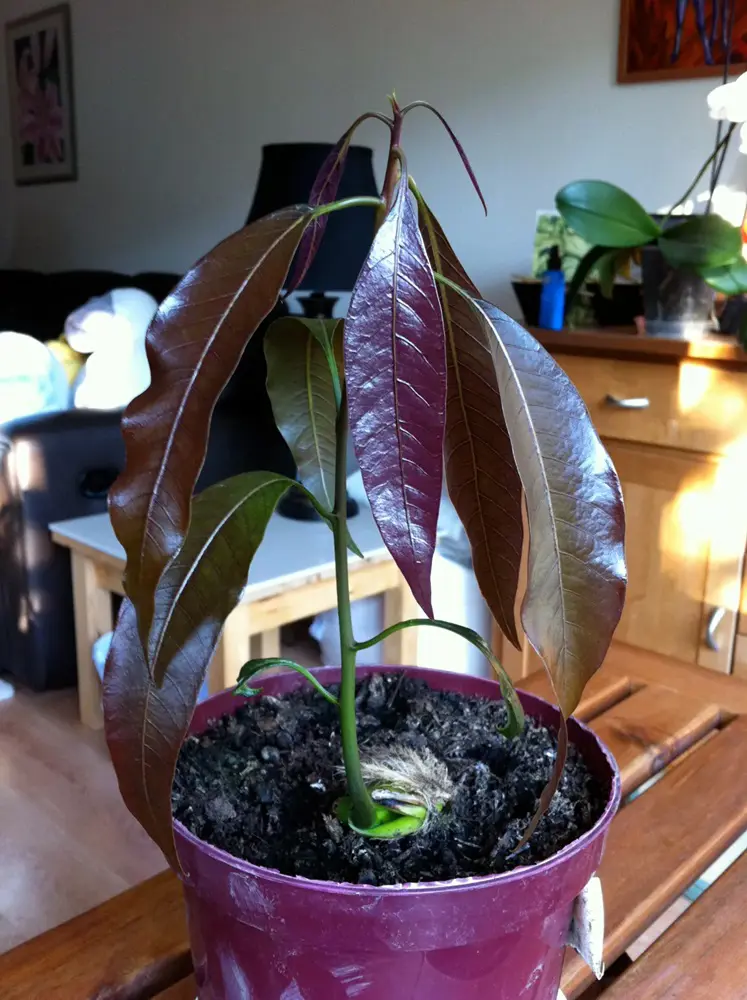
From Seed: Growing mango trees from seed is possible but can be unpredictable. Seeds from store-bought mangoes may not produce true-to-type fruit.
- Extract the Seed: Remove the seed from the mango and clean off any remaining fruit.
- Prepare the Seed: Carefully open the hard outer shell to reveal the inner seed.
- Plant the Seed: Plant the seed in a pot with well-draining soil, about an inch deep. Keep the soil moist and warm until germination occurs, which can take a few weeks.
From Grafting: Grafting is a more reliable method to propagate mango trees, ensuring the new tree will produce fruit identical to the parent tree.
- Select Rootstock: Choose a healthy, disease-free seedling as the rootstock.
- Prepare the Scion: Cut a healthy, mature branch (scion) from the desired mango variety.
- Graft the Scion: Join the scion to the rootstock using a grafting technique, such as cleft grafting, and secure with grafting tape.
Growing From Seed
Choosing a Seed: Use a seed from a polyembryonic variety, which produces multiple seedlings from a single seed and increases the chances of true-to-type offspring.
Germination: Mango seeds require warmth and moisture to germinate. Plant the seed in a warm, sunny location and keep the soil consistently moist.
Transplanting: Once the seedling has developed a few sets of leaves, it can be transplanted into a larger pot or directly into the ground. Handle the young plant gently to avoid damaging the delicate roots.
Potting
Repotting: Mango trees grown in pots will need to be repotted periodically to provide adequate space for root growth.
- Choose a Larger Pot: Select a pot that is 2-4 inches larger in diameter than the current one.
- Prepare the Tree: Water the tree thoroughly before repotting to reduce stress.
- Transplant: Carefully remove the tree from its pot and gently tease out the roots. Place the tree in the new pot, fill with fresh potting mix, and water well.
Overwintering
Indoor Care: In regions with cold winters, mango trees must be brought indoors to protect them from frost.
- Location: Place the tree in a sunny spot, such as a south-facing window or under grow lights.
- Watering: Reduce watering during the winter months, allowing the soil to dry out slightly between waterings.
- Humidity: Mango trees prefer high humidity. Use a humidifier or place a tray of water near the tree to maintain moisture levels.
Pests and Diseases
Common Pests:
- Aphids: These small insects suck sap from the leaves and stems, causing them to curl and distort. Control aphids with insecticidal soap or neem oil.
- Scale Insects: These pests appear as small, round bumps on the stems and leaves. Remove scale insects with a soft brush or cotton swab dipped in alcohol.
- Mango Seed Weevil: This pest burrows into the fruit, causing it to become misshapen and drop prematurely. Prevent infestations by inspecting fruit regularly and removing any affected fruit.
Common Diseases:
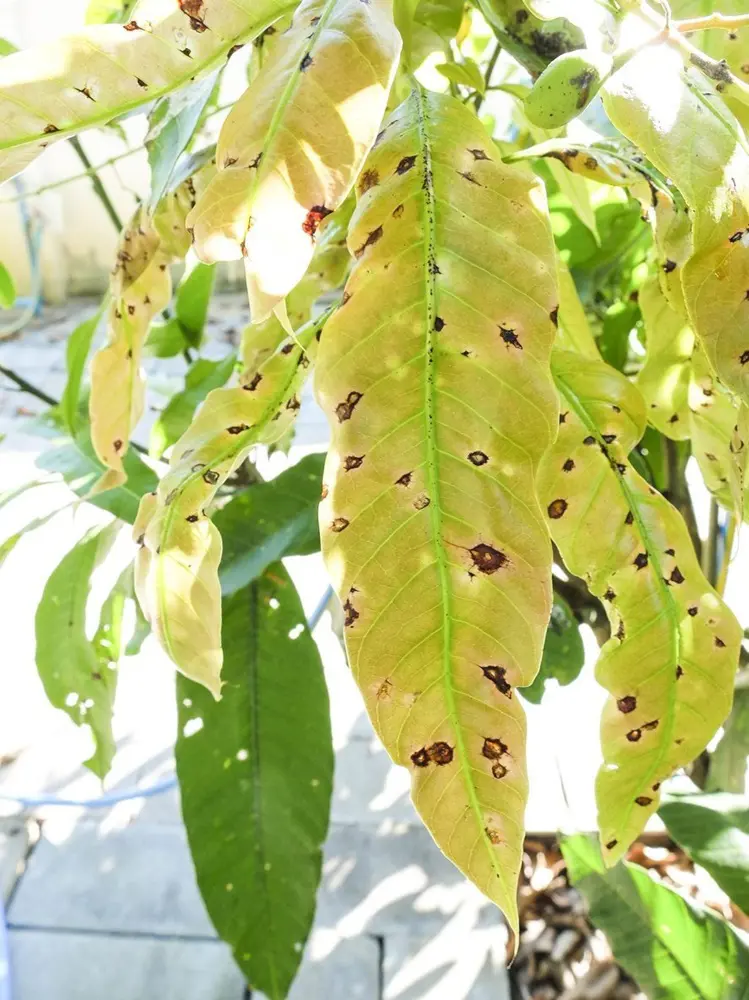
- Anthracnose: A fungal disease that causes dark, sunken lesions on the leaves, stems, and fruit. Manage anthracnose by pruning to improve air circulation and applying a copper-based fungicide.
- Powdery Mildew: This fungal disease appears as a white, powdery coating on the leaves and stems. Treat powdery mildew with a sulfur-based fungicide or a homemade baking soda solution.
Harvesting
When to Harvest: Mangoes are usually ready to harvest 100-150 days after flowering. The fruit should be fully colored and slightly soft to the touch.
How to Harvest:
- Cut the Stem: Use a sharp knife or pruning shears to cut the stem about 1-2 inches above the fruit.
- Handle with Care: Mangoes bruise easily, so handle them gently to avoid damage.
- Ripening: If the mangoes are not fully ripe, store them at room temperature until they soften and develop a sweet aroma.
Types
There are many varieties of mango trees, each with its own unique flavor, size, and growing requirements. Some popular varieties include:
Haden: A classic variety with a rich, sweet flavor and vibrant red and yellow skin.
Kent: Known for its smooth, fiberless flesh and excellent taste, Kent mangoes are often harvested in late summer.
Tommy Atkins: A widely grown commercial variety, Tommy Atkins mangoes are firm, fibrous, and have a longer shelf life.
Ataulfo (Honey Mango): Small and kidney-shaped with a creamy, buttery texture and sweet flavor.
Keitt: A late-season variety with large, green fruits that have a mild, sweet taste.
More Tips for Successful Mango Growing
Climate Considerations: Mango trees are sensitive to frost and cold temperatures. In regions with cool winters, grow mango trees in containers so they can be moved indoors when temperatures drop.
Pollination: Mango trees are self-fertile, meaning a single tree can produce fruit. However, having more than one tree can increase pollination and yield.
Seasonal Care: Adjust care practices based on the season. During the growing season (spring and summer), focus on regular watering, feeding, and pruning. In the dormant season (fall and winter), reduce watering and protect the tree from cold weather.
Support Structures: Young mango trees may need support to grow straight and withstand strong winds. Use stakes or tree ties to support the trunk until it is strong enough to stand on its own.
Companion Planting: Planting mango trees with companion plants, such as marigolds or nasturtiums, can help deter pests and improve soil health.
Regular Monitoring: Regularly inspect your mango tree for signs of pests, diseases, or nutrient deficiencies. Early detection and treatment can prevent serious problems and ensure a healthy tree.
By following these guidelines and tips, you can successfully grow and care for a mango tree, whether in your garden or in a pot. With patience and dedication, you will be rewarded with delicious, home-grown mangoes and a beautiful, tropical tree.
Mangoes vs. Peaches
While mangoes and peaches share some similarities, they are distinct fruits with different growing requirements and characteristics.
Climate: Mangoes thrive in tropical and subtropical climates, whereas peaches prefer temperate regions with cold winters.
Tree Size: Mango trees can grow up to 100 feet tall, although most cultivated varieties reach 30-40 feet. Peach trees are smaller, typically reaching 15-25 feet.
Fruit: Mangoes have tough, leathery skin and a large, flat seed, while peaches have a fuzzy skin and a smaller, round pit. Mango flesh is often fibrous, whereas peaches are juicy and soft.
FAQ
How long does it take for a mango tree to bear fruit?
Mango trees grown from seed can take 5-8 years to bear fruit, while grafted trees typically produce fruit within 3-4 years.
Can mango trees grow indoors?
Yes, dwarf mango varieties can be grown indoors in large pots, provided they receive enough sunlight and proper care.
How often should I water my mango tree?
Water young trees regularly to establish a strong root system. Once established, water deeply but infrequently, allowing the soil to dry out between waterings.
Do mango trees need a lot of sun?
Yes, mango trees require full sun to thrive and produce abundant fruit.
Can I grow a mango tree from a store-bought mango seed?
Yes, but be aware that the resulting tree may not produce fruit identical to the parent fruit. Grafting is a more reliable method to propagate specific varieties.
How do I know when my mangoes are ripe?
Ripe mangoes will have a full, rich color and will yield slightly to gentle pressure. They should also have a sweet, fruity aroma.
What is the best time to plant a mango tree?
The best time to plant a mango tree is in the spring, after the last frost, to give it a full growing season to establish itself.