Think of a pleasant evening outdoors, maybe on the banks of a lake or in your garden, enjoying the fresh air. Suddenly, you feel these tiny, almost insensible bites-like sharp, small prickles.
You begin to look around, and there they are a swarm of tiny insects, so minute you can barely see them. These are midges and despite their size, they can make even the most serene settings feel like a battlefield. In this blog, we’ll dive into how to get rid of them.
What is a Midge
Midges are flying insects belonging to the order Diptera, which comprises mosquitoes and flies. Normally tiny, no larger than 1-3 millimeters, and common in many parts of the world, often in aquatic environments.
Midges are known to swarm and nuisance in rural and urban areas.
Biting Midges (Ceratopogonidae)
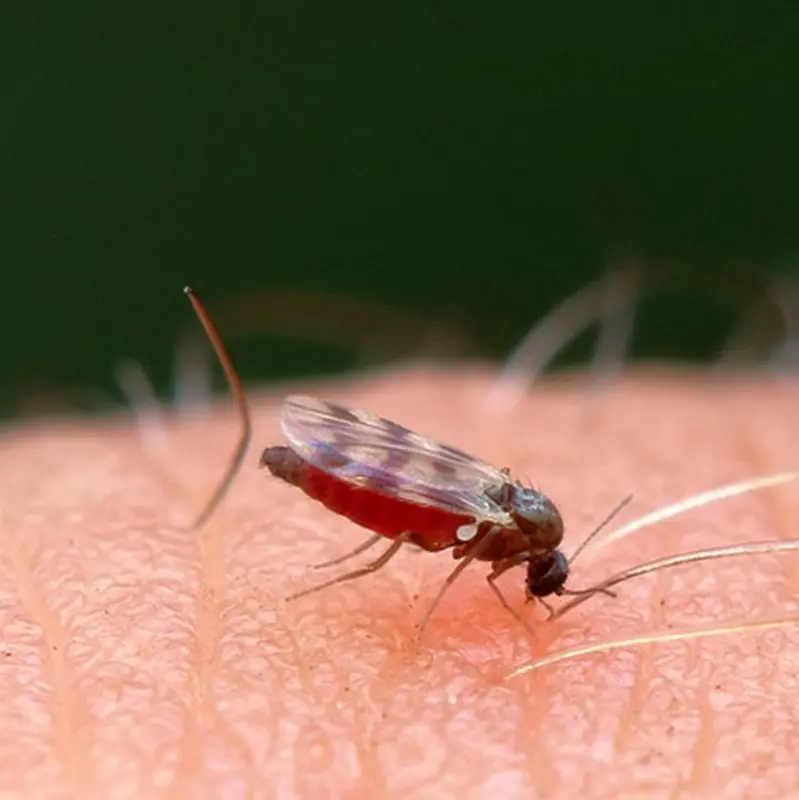
Biting midges, also known as "no-see-ums" or "sandflies," although very small in size, inflict painful bites. Their mouthparts are pointed enough to pierce through the skin of mammals, including humans, and suck their blood. So if you are wondering "Can Midges Bite?" The answer is Yes.
The biting may present itching, swelling, and general discomfort due to this fact, similar to mosquito bites but often much more intense. Biting midges are most active during dawn and afternoon, and thus breed under warm humid conditions around sources such as lakes, marshes, and rivers.
Non-biting midges are also referred to as "lake flies" or "muckleheads." These are mosquitoes-like insects not feed on blood and are, therefore, harmless to humans and animals alike.
The common places where one can find midges include the vicinity of water bodies, where the larvae develop in aquatic conditions.
Unlike their family members, who bite, non-biting midges pose a nuisance due to swarming, especially around lights at night. While they do not bear a direct health concern for humans, their sheer numbers are often judged to be overwhelming in the months of summer.
Now we'll look into How to Get Rid of Midges:
1. Use Insect Repellents
Of the many ways of keeping midges at bay, one of the best options involves applying insect repellent onto the skin. Consider active ingredient products that contain DEET, picaridin, or oil of lemon eucalyptus, since such chemicals have been credited with repelling midges.
Apply this when going outdoors in liberal amounts during early morning and late afternoon-evening time, when midges are most active. Follow with a second application, as guided, particularly after heavy perspiration or prolonged periods outdoors.
2. Wear Protective Clothing
Wearing appropriate clothes can help considerably when going into areas that midges inhabit. Wear long sleeves, long pants, and socks to cover much of your skin. Lightly weighted, tightly woven fabrics are best, as often midges might just bite through thinner ones.
Moreover, a hat and tucking pants into socks can well act to prevent midges from reaching your skin. It also helps to wear light-colored clothing since midges are generally attracted to dark colors. If you are sensitive to bites, you could invest in insect-proof clothing that is treated with repellent.
Keeping midges outside of the home is a special concern, as a house can be situated next to water or even in a damp climate. The best way to keep the midges outside of the home is by using very fine mesh on the home's windows and doors.
Very small apertures in a mesh will help shut out even the most minute midges. Screens should be regularly monitored for any breaks or gaps since the tinniest site may have these persistent insects entering.
4. Use Mosquito Nets
In case the midges develop into a serious problem during the night, consider mosquito nets around your bed or sitting area. Such a net may serve as a physical barrier between you and the insect world and let you sleep or sit without incessant whining midges.
Make sure the netting is fine enough to keep out midges since their tiny size enables them to penetrate larger gaps. You can also impregnate the netting with an insect repellent to provide added protection. Nets are most useful for camping outdoors or when you have to remain in the midge-infested areas.
5. Avoid Outdoor Activities During Peak Midge Times
Generally speaking, midges are more active during the dawn and evening hours. Therefore, it would be advisable to schedule outdoor activities accordingly. Where possible, try not to be out then as this reduces the amount of time that is spent being exposed to the biting midges.
If you go outdoors, use extra precautions: use repellents and wear protective clothing. Besides, the most favorable conditions for midges are calmness and humidity, therefore it will be better to check the weather first.
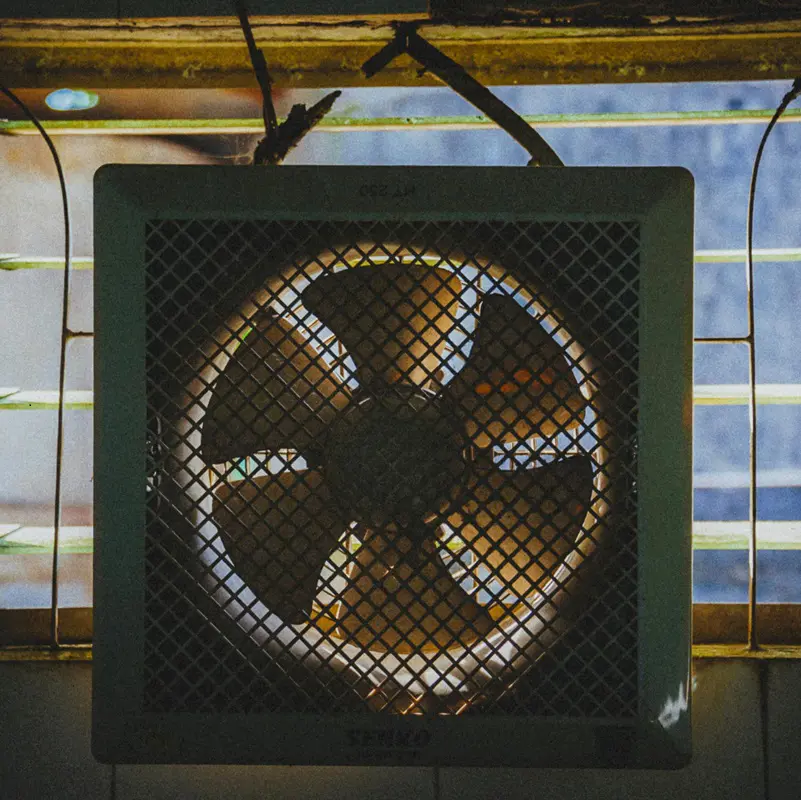
Given that midges are poor fliers generally, a gentle wind speed would detest them from approaching. Placing fans on outdoor sitting areas can be an environmental nuisance for midges. Moving air from the fans interferes with flight patterns.
This is very effective on porches, patios, or any other place you spend more time outdoors. Portable fans are very handy since you can take your midge protection with you wherever you go. A good bonus, too, is that they can cool you down on very hot days.
7. Eliminate Standing Water Around Your Home
Midges lay their eggs in the water; hence, this would be one of the most effective ways to cut down breeding midges around your house: eliminate any standing water. Regularly drain the vessels, like birdbaths, flowerpots, and rain barrels.
If you have ponds or any other water features in your yard, a water pump will go a long way toward keeping the water moving; midges will not lay eggs in running water. This would minimize breeding spots and help reduce populations around your home significantly.
Along with citronella, eucalyptus, lavender, and peppermint, these essential oils are natural insect repellents and can be used to replace all chemical insect repellents. You can use them topically on your skin after diluting them with a carrier oil or in a diffuser to create a midge-free zone in your outdoor space.
Other uses involve citronella oil in candles and torches; this also helps to ward off midges when people are outdoors. True, these essential oils may not be quite as effective over time as chemical-based repellents.
9. Install Outdoor Bug Zappers
Bug zappers that work on the principle of attracting and killing insects with light can be quite effective in controlling midges. Set these tools around your outdoors in places you know that midges congregate.
Bug zappers use UV light to attract insects and then electrocute them upon contact. Although they do not eliminate all midges, they decrease the number and make outdoor activities more pleasant. To be effective, choose a zapper intended for small insects.
10. Use CO2 Traps
Another effective method of control includes CO2 traps. These traps emit carbon dioxide, a component of human breathing that attracts the midges. Once attracted, these midges get trapped and eventually die.
These traps can be a bit of an investment but surely do their job of decreasing the midges around a house. Place them strategically, keeping them away from you and any areas in which you spend time as they will attract the midges away from you.
11. Apply Permethrin to Clothing and Gear
Permethrin is also a clothing and gear treatment insect repellent for midges, typically applied to clothing, gears, and equipment, and not to skin, unlike DEET or other topical skin repellents.
Permethrin binds with fabric and remains effective for multiple washes. Pre-treated clothing can be purchased or you can buy permethrin spray and treat your clothes. Of special value for hikers, campers, and anyone who spends a fair amount of time outside.
12. Use Yellow Bug Lights
Like many insects, midges are attracted to bright lights, mainly white and blue. Replacing the white bulbs around your outdoor fixtures with yellow "bug lights" should serve to reduce the midges that are present around your house.
A yellow bug light is designed specifically to be less attractive to insects, which include midges. By minimizing light attraction, you can be able to utilize the outdoors without having flying pests around you. Other options might be yellow bug lights, which can replace porch lights and pathway lights.
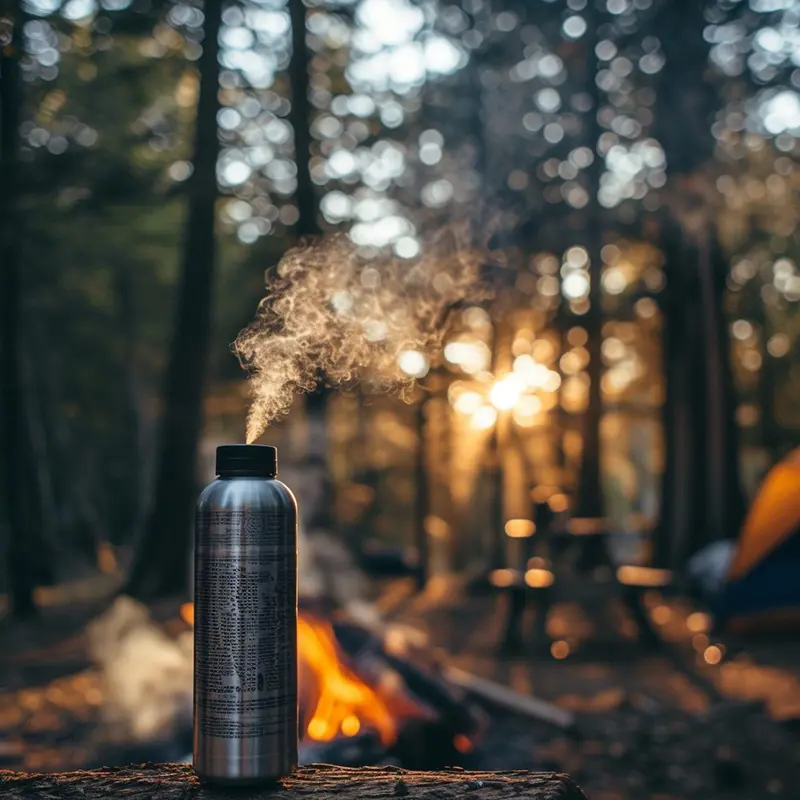
Smoke is a form of natural insect repellent. One or two open-air parties can easily escape the midges if the air is full of smoke. These may be given off by candles, torches, or even small fires. Most effective are the citronella candles: these combine the repellency of both smoke and the citronella oil in them.
Set these around your seating area for a barrier that midges are less likely to cross. This can be helpful when camping or having a picnic where midges might be present.
14. Maintain Cleanliness in Outdoor Spaces
Because of their leaning toward organic matter, cleanliness is going to be tantamount to trying to evade midges wholly. Clean up food scraps, fallen leaves, and anything organic that will attract midges often.
Compost piles in particular become a midge magnet, so keep these covered or moved away from an area where you spend most of your time. You are generally taking away some of the materials that midges need to prosper and breed by keeping the outdoors clean, which in return keeps them away from your space.
It is believed that some flora repel the insects, midges included, from them. The other nature-based remedy to keep midges at bay involves planting midges-repelling plants around your house and garden area. Examples include marigolds, lavender, basil, and rosemary.
They give out pungent fragrances that are very unappealing for midges and thus keep them away from your premises. Other uses include placing them in seating areas outdoors in their potted stage or borders around patios and decks.
16. Keep Indoor Lights Dim
If midges are a problem indoors, place lights low or use curtains and blinds to reduce any emission of light during the evening. Midges are attracted to light, and bright indoor lighting can draw them indoors. Keeping indoor lights low can minimize attraction and reduce the number finding their way indoors.
If lighting indoors is necessary, use the yellow bug lights discussed previously or use lamp shades to dim the brightness.
Like humans, pets are also prone to these biting midges. To protect your fur babies, sprays of midge repellents friendly to pets will be necessary. These are, of course, specifically made for the animals and help to forestall bites while your pets are out of doors.
Apply as instructed and avoid the tender areas, like the eyes and mouth. Observe your pets' actions; if they scratch uncontrollably or act indifferently, suspect midge bites.
18. Seal Cracks and Gaps in Your Home
Midge insects can infiltrate one's house through the tiniest crack or gap. Inspect your home for any potential entry points, including those around windows, doors, and vents, sealing those with caulk or weatherstripping.
Pay great attention to areas very close to water sources since midges are most likely to move around moist areas. Once these entry points are sealed up, you avoid the chances of midges finding their way indoors to cause some nuisance.
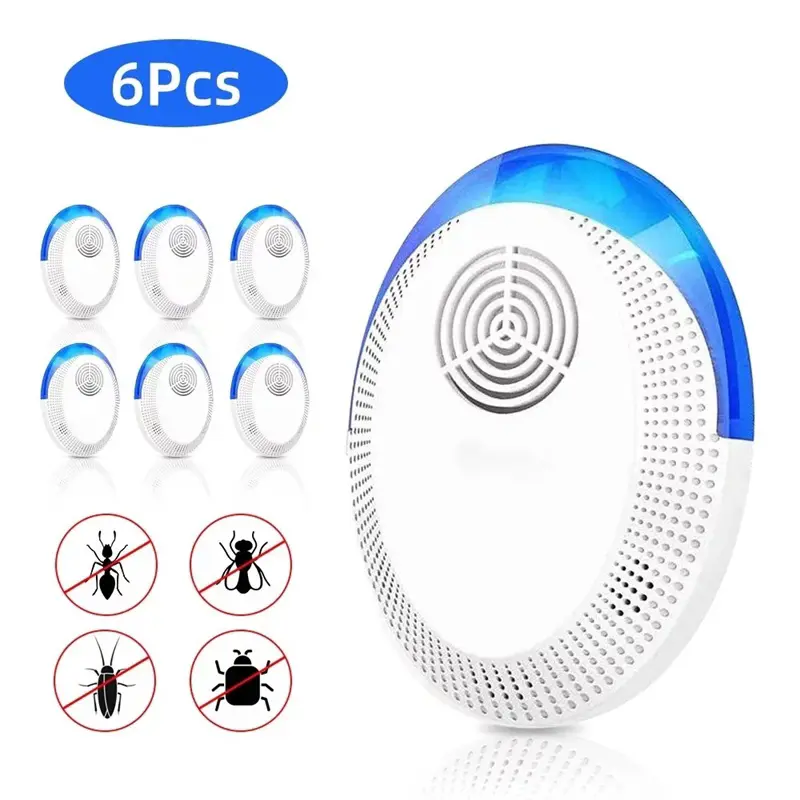
Ultrasonic insect repellents emit very high frequency sounds undetectable by human ears, yet possibly irritating to insects, such as midges. Devices can be plugged into an electrical outlet and applied indoors and outdoors to create a no-midge zone.
Performance by ultrasonic repellents is variable; it still has some role in your midge protection strategy, especially in use in synergy with other methods. Consider utilizing them in areas you would frequent once the midges begin to show up, such as on patios, decks, and bedrooms.
20. Consider Professionals
If midges become a real nuisance and one is not able to eliminate them with the use of home remedies, then it is time to seek professional services for pests. Probably, pest control professionals might inspect your property and offer some prescribed treatment to curb midge populations.
The treatments may involve direct spraying of insecticides, larvicides applied to water resources or even set up special traps. In this respect, the option will be much more expensive but may have a lot of benefits in the long run if midges are common in an area.
What Do Midges Look Like?
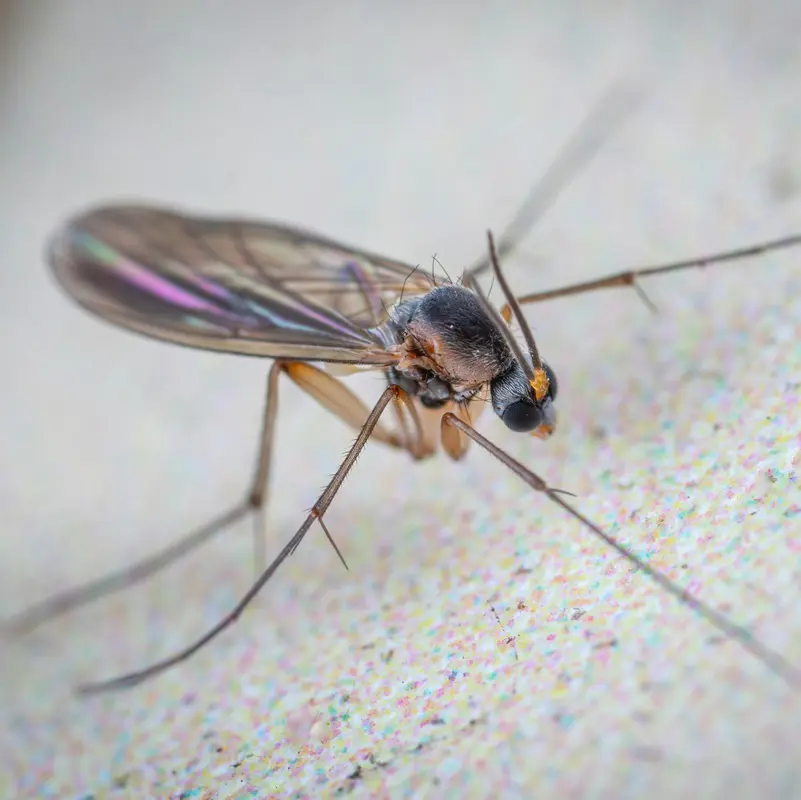
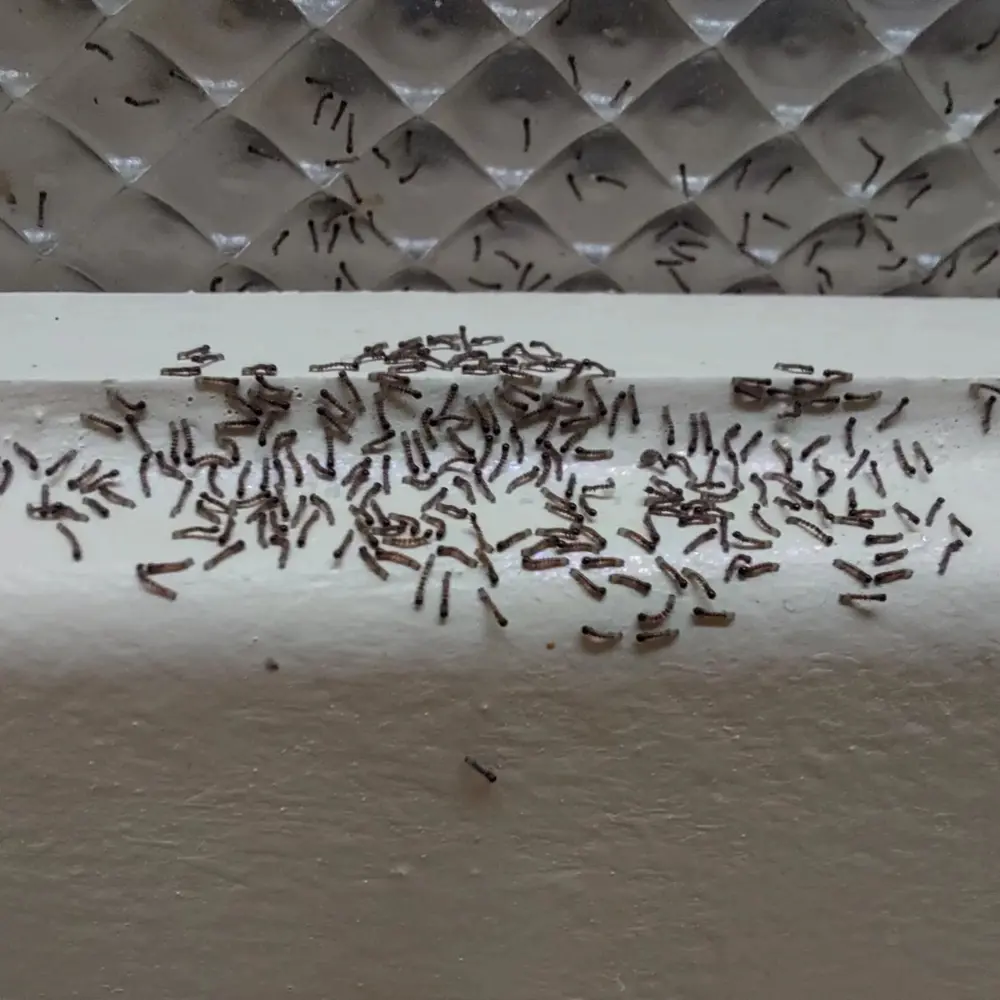
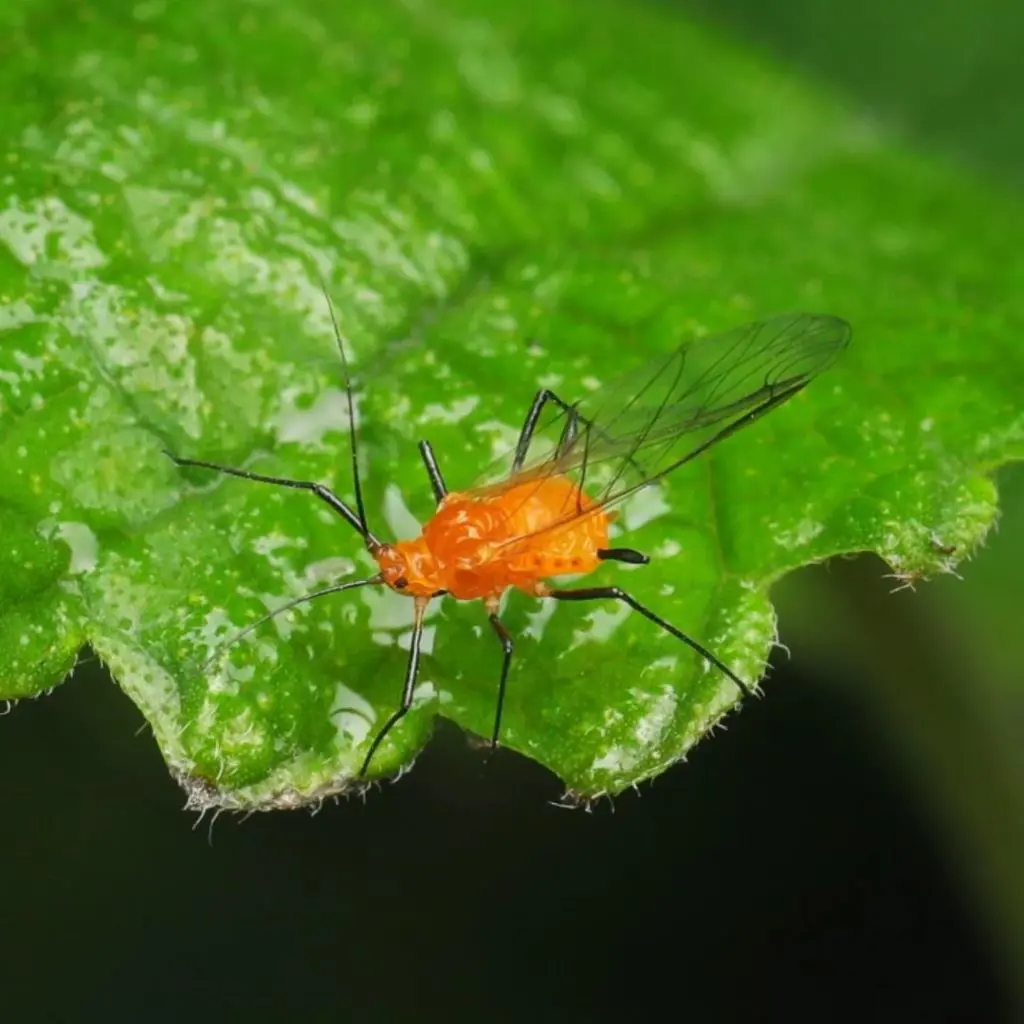
Midges are minute insects that are not so easy to distinguish because of their minuscule size. The length of their bodies varies with species, but they all range between 1 and 3 mm in length. The following is the general view of midges:
Size: Midges are small, and their size can be compared to the size of a pinhead or even a grain of rice. Their very minuscule size makes it so easy to confuse them with specks of dirt or lint until they become active and start to bite or swarm.
Body Shape: Midges have slender bodies that are elongated and segmented. Normally, their bodies carry dark shades; thus, they may appear black, brown, or gray.
Wings: Despite their minute size, midges bear two wings, possibly transparent or slightly iridescent. Their wings most often possess fine veins that may be visible upon closer view.
Head: Midges have small heads with compound eyes that might appear large in proportion to the body size. Their mouthparts are different for each species; however, the biting midges have sharp needle-like structures to perforate the skin.
Antennae: Generally, they are long, thread-like, feathery antennae, but more so in males. Antennae have served to detect chemical signals in the environment.
What Do Midges Bite Looks Like
Midge bites usually appear as circular, red, inflamed areas of the skin due to the inflammatory response of the body against the proteins in the saliva of midges. They sometimes swell, anything from slight to more extreme, and are associated with very uncomfortably strong itching.
The results could be small, raised bumps or even hives, while in other cases, several bites may group into larger, swollen patches. With more serious reactions, small fluid-filled blisters may also develop and then break open.
Treatment and Relief
Cold compress: The cold compress applied to the bitten area will help reduce the swelling and also numb the area, which in turn will reduce itching.
Avoid scratching: The person should avoid scratching the bites since this may further lead to an infection and aggravate irritation more.
Differences between Midges and Mosquito
These two tiny flying insects, midges and mosquitoes, vary in several important ways. Midges are normally much smaller can be between 1 to 3 mm in length, and are delicately formed with more slender bodies than mosquitoes.
While both are considered biting pests, midges are among the tiniest insects that can deliver severely painful bites in some species but only some species of midges can bite. Mosquitoes are larger, with body lengths ranging from 3 to 6 millimeters, and have a more pronounced blood-feeding proboscis.