Dust mites are microscopic organisms that thrive in dusty environments, feeding on skin flakes shed by humans and pets. These allergens can trigger asthma and allergic reactions in sensitive individuals, causing symptoms like sneezing, coughing, and respiratory congestion.
To combat dust mites effectively, this blog explores various strategies, including regular cleaning routines, using allergen-reducing sprays, sun-drying bedding, and more. So, let's begin!
1. Avoid Upholstered Furniture
Frequent cleaning and allergen control are crucial, to truly get rid of bed mites, avoiding upholstered furniture altogether is a powerful strategy.
The fabric crevices in couches and chairs create ideal breeding grounds for these pests. So, opting for smooth surfaces like wood or leather makes eliminating bed mites much easier in the long run. This can be a great first step in eliminating them from your home.
2. Limit Indoor Plants
Indoor plants are fantastic additions to a home because they purify the air, reduce stress, and add a touch of life to any space. However, there are situations where having too many plants can be counterproductive as they can create favorable conditions for dust mites.
Dust mites thrive in warm, humid environments and many indoor plants require frequent watering and create a microclimate around them that can be more humid than the rest of the room. While this might not be noticeable to us, it can be a haven for dust mites to multiply.
Clean bedding frequently is a key weapon in the fight against dust mites because we shed dead skin flakes throughout the night, and these tiny particles are a favorite food source for dust mites.
By washing your bedding regularly, you remove this food source, making your bed a less attractive place for them to live and reproduce.
4. Choose Easy to Clean Bedding
Certain bedding materials, like those requiring dry cleaning only or delicate hand washing, can be inconvenient and time-consuming to maintain. Especially when frequent washing is necessary to combat dust mites, easy-to-clean bedding removes the hassle.
With these materials, you can incorporate regular laundering into your routine without any extra steps. Similarly, some bedding materials are naturally hypoallergenic or resist dust mites. Or, some breathable fabrics like cotton and Tencel allow for good air circulation, which helps prevent moisture buildup, a key factor for dust mite growth.
5. Steam Clean Carpets
Traditional vacuuming removes dust and debris from the surface of your carpets, but it might not reach the deep-down dwellers – dust mites.
Steam cleaning, on the other hand, utilizes high temperatures to not only loosen and remove dirt and grime but also kill dust mites and their eggs that might be hiding within the carpet fibers. This is one of the best ways to get rid of dust mites bite.
6. Add Protective Coverings to Mattresses
It's true that encasing your mattress in a zippered, allergen-proof cover is a crucial step in dust mite control. These covers trap dust mites, their allergens, and dead skin flakes (their favorite food source) inside, preventing them from reaching you and triggering allergies.
Look for covers made of tightly woven materials like polyester or nylon, and choose one that's washable for easy cleaning. Adding this barrier not only protects you from dust mites but also extends the life of your mattress by keeping it clean and free from allergens.
Wall-to-wall carpeting provides the perfect environment for dust mites to thrive. The fibers trap dust, dead skin flakes (their food source), and moisture, creating a breeding ground for these tiny pests.
Removing the carpeting eliminates their habitat altogether. While frequent vacuuming and cleaning can help manage dust mites in carpets, removing them entirely offers a long-term solution.
8. Vacuum Frequently
Carpets, rugs, and upholstered furniture are havens for dust mites. These tiny creatures thrive in the dust and debris that accumulates in these areas. Frequent vacuuming with a good quality vacuum cleaner removes dust mites, their dead bodies, and fecal matter (which triggers allergies) from your floors and furniture.
Therefore, regular vacuuming not only removes dust mites themselves but also helps to reduce airborne allergens.
9. Remove Heavy Window Coverings
Heavy window coverings like drapes and thick blinds trap dust, dead skin flakes (a favorite food source for dust mites), and moisture. These factors create a breeding ground for dust mites to thrive in the folds and crevices of the fabric.
Removing these heavy coverings eliminates their haven and reduces the overall dust mite population in your home.
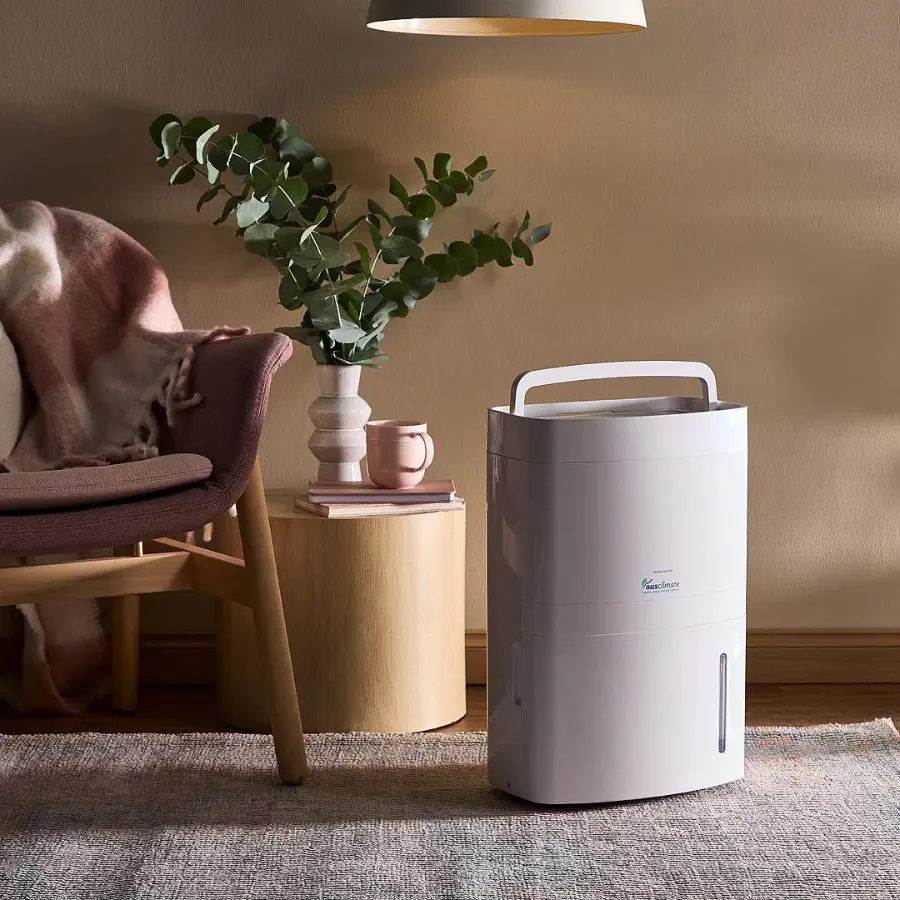
Dehumidifying your home is an effective method to reduce dust mite damage and improve indoor air quality, particularly in humid climates or during wet seasons. Dust mites thrive in environments with high humidity, typically above 50%, where they can absorb moisture from the air and thrive on organic materials like human skin flakes.
By using a dehumidifier, you can lower indoor humidity levels to below 50%, creating a less hospitable environment for dust mites to survive and reproduce.
11. Lower Room Temperatures
Dust mites are warm-blooded creatures, while they can survive in a wide range of temperatures, they reproduce most rapidly in warm environments. Cooler temperatures on the other hand, hinder their reproduction and also make dust mites less active.
This means less movement, dust, and, ultimately, fewer allergens circulating in the air you breathe. So, lowering the room temperature in your home, particularly in bedrooms where dust mites are most prevalent, creates a less hospitable environment for them to thrive.
12. Reduce Clutter
As discussed above, clutter provides numerous nooks and crannies for dust to accumulate. Dust mites love dust, as it often contains dead skin flakes, their primary food source. Similarly, clutter can make cleaning a painful chore, and it can make it hard to kill dust mites.
Stacks of books, piles of clothes, and knick-knacks on shelves can be time-consuming to clean around and underneath. Plus, a cluttered room often has less air circulation leading to increased humidity, another factor that dust mites love.
Using natural oils is an effective and eco-friendly way to combat dust mites in your home. Essential oils such as tea tree oil, eucalyptus, lavender, and clove oil possess strong antimicrobial and acaricidal properties that can kill dust mites and prevent their proliferation.
Tea tree oil is particularly effective due to its potent antiseptic and antifungal properties. Adding a few drops to your laundry can help eliminate dust mites from your bedding and clothing. Similarly, eucalyptus oil has been shown to significantly reduce dust mite populations.
14. Seal Cracks and Crevices
Dust mites thrive in warm, humid environments and can easily hide and breed in small gaps and openings in walls, floors, and furniture. By sealing these areas, you limit their hiding places and make it more difficult for them to survive.
Use caulk or weatherstripping to seal gaps around windows, doors, and baseboards, as well as any cracks in walls and floors. This not only helps to keep dust mites at bay but also prevents other allergens, such as pollen and mold spores, from entering your home.
15. Improve HVAC Air Filters
Improving HVAC air filters is a critical step in enhancing indoor air quality and reducing the presence of dust mites and other allergens in your home. One of the most effective ways to upgrade your HVAC air filtration system is by choosing high-efficiency filters with a Minimum Efficiency Reporting Value (MERV) rating of 13 or higher.
These filters are designed to capture smaller particles, including dust mites, pollen, and mold spores, more effectively than standard filters, ensuring that the air circulating in your home is cleaner and healthier.
Pets are significant contributors to the accumulation of dust, dander, and other organic materials that dust mites feed on. They shed skin cells, fur, and feathers, which combine with household dust to create an ideal breeding ground for dust mites.
Therefore, regular grooming of pets, including frequent brushing and bathing, helps to reduce the amount of dander and fur they shed, thereby minimizing the food source for dust mites. Keeping pets out of bedrooms and off upholstered furniture can further limit the areas.
17. Use a Damp Mop
Mopping, be it damp or dry should be done regularly, especially in high-traffic areas and rooms where dust tends to accumulate, such as living rooms and bedrooms. A damp microfiber mop is particularly effective for homes with hardwood or tile floors as it attracts and holds onto dust particles.
When using a damp mop, it's essential to use clean water and, if desired, add a few drops of essential oils like tea tree or eucalyptus, which have natural antimicrobial properties that can help eliminate dust mites and other allergens.
18. Sun-Dry Bedding
Exposing your bedding to direct sunlight for several hours can help kill dust mites, as they are sensitive to UV light and the high temperatures generated by the sun. The sun's ultraviolet rays also have antimicrobial properties that can reduce bacteria and mold, further enhancing the cleanliness of your bedding.
Additionally, sun-drying helps to evaporate any residual moisture, creating an inhospitable environment for dust mites, which thrive in warm, humid conditions. So, exposing your sheets, pillowcases, and blankets to the sun not only eliminates dust mites but also freshens your bedding, making it feel crisp and clean.
Minimalism involves decluttering and simplifying your living space by keeping only essential items and eliminating excess belongings. By reducing clutter, you minimize the number of surfaces where dust can accumulate, making it easier to clean and maintain a dust-free environment.
Fewer items in your home mean fewer places for dust mites to hide and breed, which helps control their population. This approach mainly benefits individuals with allergies or respiratory conditions, creating a cleaner, more organized, and healthier living space.
20. Use Allergen-Reducing Sprays
Allergen-reducing sprays are formulated with ingredients that neutralize allergens and reduce dust mite populations. Applying these sprays to mattresses, pillows, upholstered furniture, and carpets can significantly decrease the number of allergens in your home.
These sprays often contain plant-based enzymes or essential oils like eucalyptus, tea tree, or lavender, which have natural antimicrobial properties that help to eliminate dust mites and prevent their proliferation.
Dust mites are tiny and do not cause direct property damage, but they can significantly affect human health and well-being. Here are some of the primary issues associated with dust mites:
• Allergic Reactions: Dust mites are a common trigger for allergies. Their fecal matter and body fragments can cause allergic reactions in sensitive individuals, leading to symptoms such as sneezing, runny or stuffy nose, itchy or watery eyes, and coughing.
• Asthma: Dust mites are a major indoor allergen that can exacerbate asthma symptoms. Exposure to dust mites can cause asthma attacks, leading to difficulty breathing, chest tightness, wheezing, and shortness of breath.
• Skin Conditions: Dust mites can trigger or worsen skin conditions like eczema. When exposed to dust mites, people with eczema may experience increased itching, redness, and inflammation.
• Sleep Disruption: Dust mites can cause allergies and asthma symptoms, disrupting sleep and impacting overall health, mood, and daily functioning.
• Indoor Air Quality: High levels of dust mites can contribute to poor indoor air quality, affecting the overall comfort and health of the occupants.
Identification of Dust Mites
Dust mites are microscopic and not visible to the naked eye, making them difficult to identify without specialized equipment. Recognizing the signs of dust mites and taking appropriate steps to reduce their population can help improve indoor air quality and alleviate associated health issues.
Size and Appearance
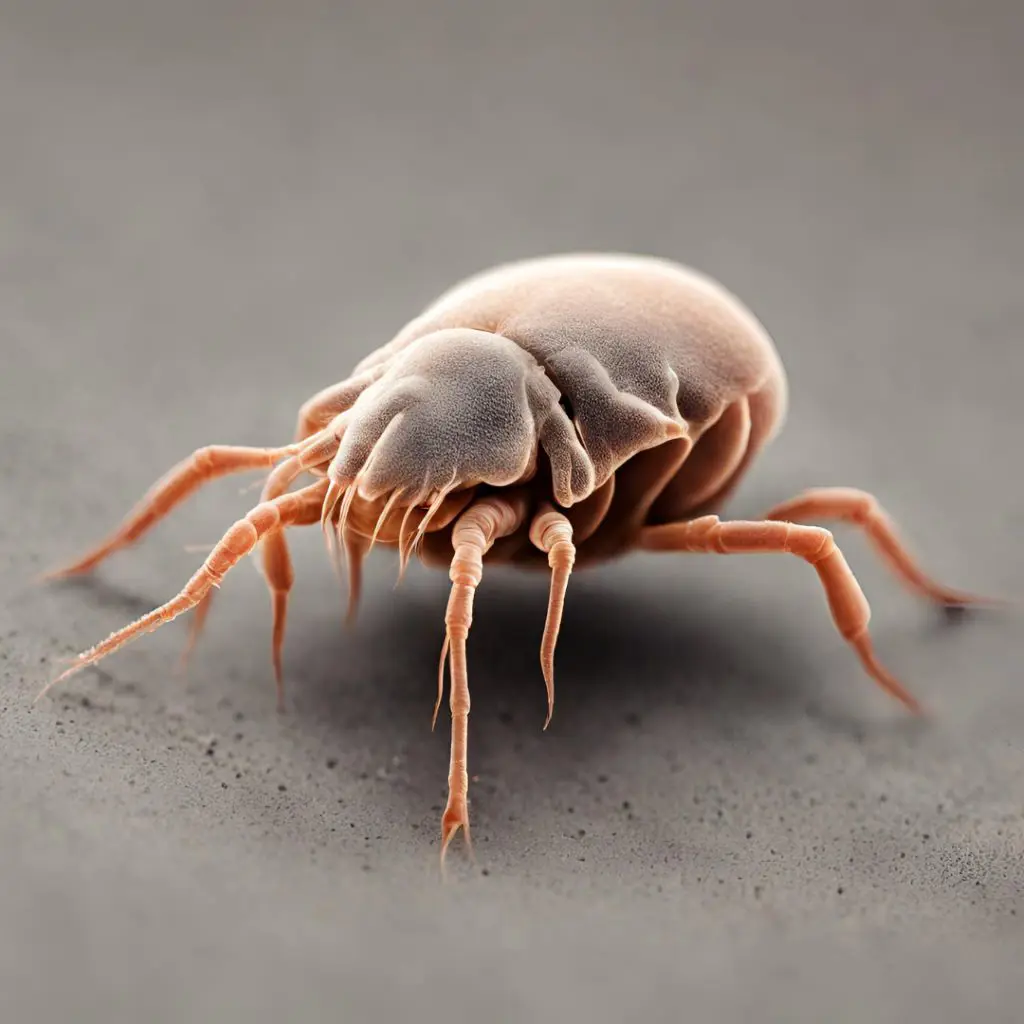
Dust mites are about 0.2 to 0.3 millimeters in length and are best viewed under a microscope. They have a creamy white color and a round, eight-legged body.
Dust mites thrive in warm, humid environments and are commonly found in bedding, mattresses, upholstered furniture, carpets, curtains, and soft toys. They feed on dead skin cells shed by humans and pets.
Signs of Infestation
• Allergic Reactions: Frequent sneezing, runny or stuffy nose, itchy or watery eyes, coughing, and asthma attacks, especially upon waking or during cleaning activities, can indicate dust mite presence.
• Skin Irritations: Itchy skin or worsening of eczema symptoms can also be signs of dust mites.
• Bites or Rash: While dust mites do not bite, their presence can cause allergic reactions that may resemble bites or rashes on sensitive individuals.
• Testing Kits: Home testing kits are available that can detect dust mite allergens. These kits typically involve collecting dust samples from various areas in your home and sending them to a lab for analysis.
Professional Assessment
For accurate identification and assessment, consider consulting a professional pest control expert or allergist who can conduct thorough testing and provide recommendations for mitigation.
What Do Dust Mites Eat?
The main food source for dust mites is dead skin cells, which humans and animals shed regularly. These cells accumulate in areas like bedding, mattresses, upholstered furniture, carpets, and clothing, providing an ample food supply.
In addition to skin cells, dust mites can also consume other types of organic debris, such as hair, pet dander, pollen, fungi, and bacteria. These materials can also be found in household dust and contribute to the mites' sustenance.
Also, household dust, which contains a mixture of dead skin cells, hair, fabric fibers, and other organic particles, provides a rich feeding ground for dust mites.