Bats are crucial for controlling insect populations, and benefiting the ecosystem. However, their presence in homes or yards can lead to issues like noise, potential damage to insulation, and health concerns from droppings.
This guide will provide detailed information on how to get rid of bats naturally, chemically, and professionally, ensuring a safe and humane approach. Understanding and implementing these approaches will help you address bat infestations effectively and efficiently.
If you've seen a bat in your home, chances are there are more hiding somewhere. Common hiding spots include attics, walls, or other areas where insulation provides a cozy nest. Here are natural methods to help you get rid of bats:
1. Use Natural Repellents
Natural repellents can effectively deter bats from roosting in your home. Essential oils such as eucalyptus, peppermint, and cinnamon have strong scents that bats dislike. Soak cotton balls in these oils and place them near entry points and roosting spots.
2. Remove Bats' Food Sources
Bats are drawn to areas with abundant food sources, primarily insects. To make your home less appealing to bats, implement insect control measures. Use insect repellents or bug zappers to reduce insect populations.
Eliminate standing water where insects breed and ensure garbage bins are sealed tightly. By minimizing the food supply, bats will be less likely to roost in your area.
3. Clean the Area
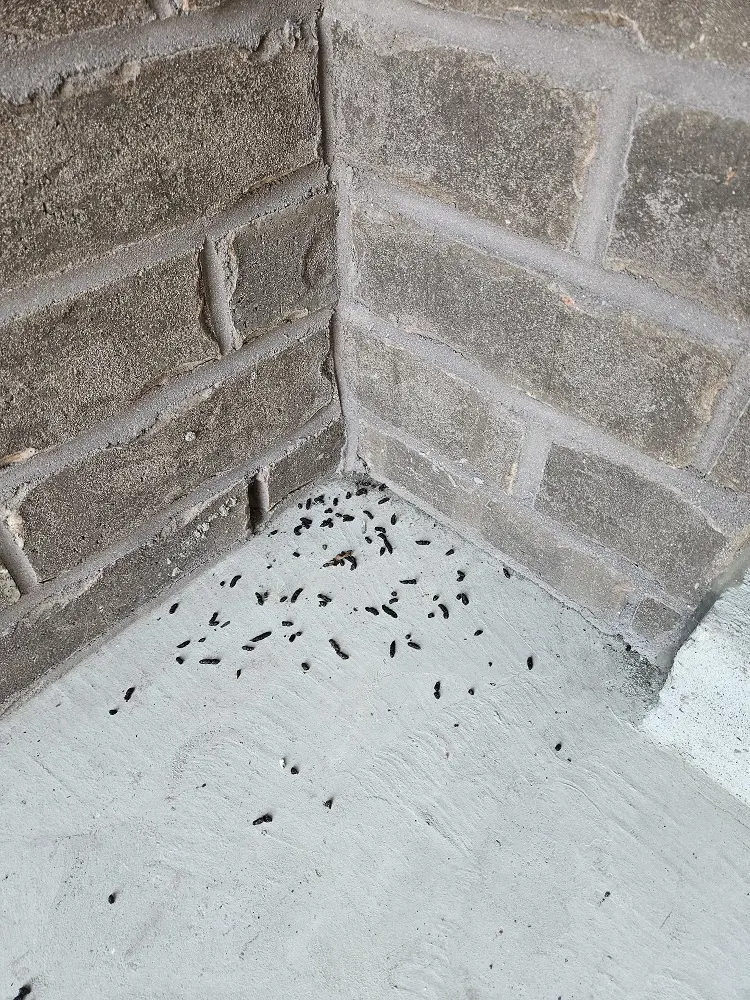
Cleaning areas where bats have roosted is crucial to remove their scent and discourage them from returning. Disinfect the area with a mixture of water and bleach to eliminate bat guano, which carries health risks.
This process also helps in reducing the scent that attracts bats. Additionally, use odor-neutralizing sprays to eliminate any lingering smells that might invite bats back.
4. Install Bat Houses
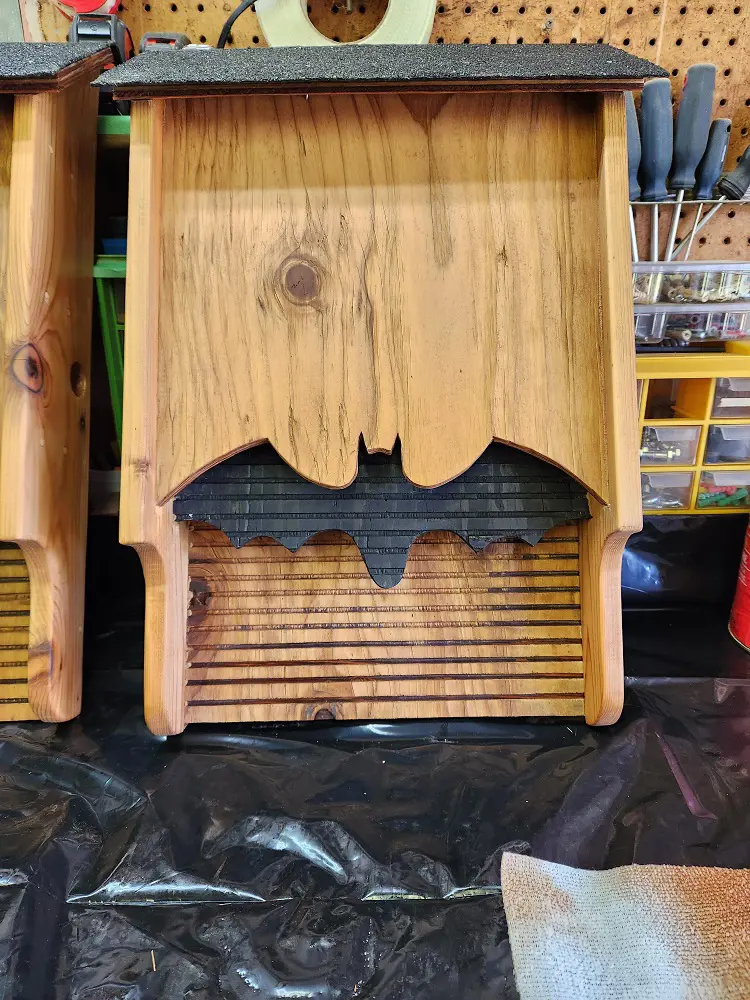
Installing bat houses provides bats with an alternative roosting site, encouraging them to leave your home. Place bat houses in your yard, away from your living spaces. These houses offer a safe place for bats to reside, ensuring they stay out of your home.
This method not only helps in relocating the bats but also supports bat populations by providing them with a designated habitat.
5. Trim Trees and Shrubs
Bats often roost in trees and shrubs before finding their way into homes. To reduce their roosting opportunities, regularly trim trees and shrubs around your property. Remove any overhanging branches that are close to your home.
Maintaining a tidy yard with fewer places for bats to hide discourages them from settling near your house, thereby reducing the likelihood of them entering your home.
6. Ventilation and Drafts
Bats prefer warm, still environments for roosting. Creating an uninviting atmosphere by ensuring attics and other potential roosting areas are well-ventilated and drafty can help deter bats.
Proper ventilation makes these areas less comfortable for bats, encouraging them to seek shelter elsewhere. This method is a preventive measure that helps maintain a bat-free environment by altering the conditions that attract them.
Chemical methods can be more aggressive but effective in dealing with bats. Use these methods cautiously and consider their environmental and health impacts:
7. Mothballs (Naphthalene)
Mothballs contain naphthalene, which emits a strong odor that repels bats. Place them in areas where bats roost, such as attics or wall cavities. The smell is unpleasant to bats and encourages them to leave.
However, use mothballs sparingly and cautiously as they are toxic to pets and humans if ingested or inhaled in large quantities. Ensure that the area is well-ventilated when using mothballs.
8. Phenol
Phenol is a chemical that emits a strong odor which bats find unpleasant. Use it in spray form and apply it to areas where bats are present. The strong smell will discourage bats from roosting.
Ensure proper ventilation while using phenol to minimize health risks to humans and pets. Avoid direct contact with phenol and follow safety guidelines for handling and application to ensure safe use.
9. Ammonia
Ammonia's pungent smell can be an effective bat deterrent. Place containers of ammonia near entry points and roosting sites. The strong fumes will drive bats away from the area.
However, be cautious with ammonia as its strong fumes can be harmful to humans and pets. Ensure the area is well-ventilated and avoid prolonged exposure to ammonia fumes to prevent potential health risks.
10. Bat Repellent Sprays
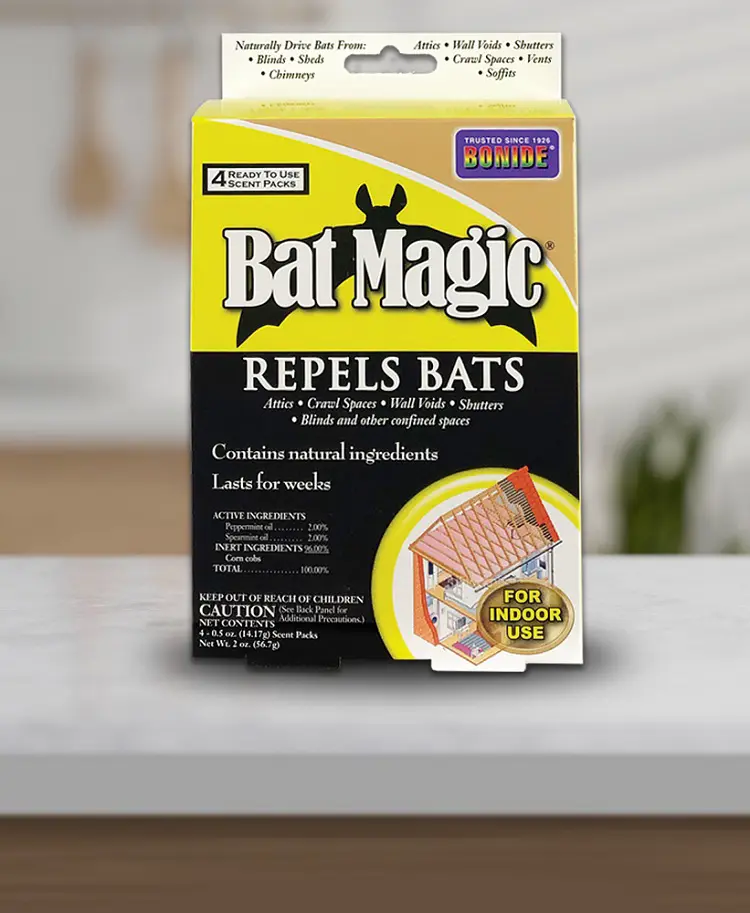
Commercial bat-repellent sprays are available for use in areas where bats are active. These sprays contain ingredients that bats find repulsive, effectively deterring them from roosting.
Apply the spray according to the product label's instructions to ensure safe and effective use. Regular reapplication may be necessary to maintain the repellent effect and keep bats away from treated areas.
11. Sulfur Candles
Sulfur candles can be used to fumigate areas where bats are roosting. When burned, these candles release sulfur dioxide gas, which is unpleasant and harmful to bats, driving them away.
Use sulfur candles in attics or other enclosed spaces where bats are present. Ensure the area is well-ventilated before re-entry to avoid health risks from sulfur dioxide exposure. Follow safety guidelines for handling and usage.
If natural and chemical methods are ineffective, or if you prefer a hands-off approach, consider hiring a professional bat removal service. Professionals offer comprehensive solutions to bat infestations:
12. Bat Exclusion
Professionals use one-way exclusion devices to remove bats humanely. These devices are installed at bat entry points, allowing bats to exit but not re-enter. Once all bats have left, these devices are removed, ensuring no bats are trapped inside.
This method is effective and humane, preventing harm to bats while resolving the infestation. Professionals must handle this process to ensure all bats are safely excluded and no entry points are missed.
13. Sealing Entry Points
After bats have been excluded, professionals thoroughly inspect and seal all potential entry points to prevent future infestations. This includes sealing cracks, gaps, and vents with durable materials that bats cannot penetrate.
Proper sealing is essential to ensure bats cannot re-enter your home. Professionals are skilled at identifying and addressing all possible entry points, providing a long-term solution to bat problems, and ensuring your home remains bat-free.
14. Installing Garden Lights
Bats prefer dark environments, so installing bright garden lights can effectively deter them from roosting near your home. Professionals strategically place these lights in key areas to maximize their effectiveness.
The increased illumination makes the area less attractive to bats, encouraging them to roost elsewhere. This method is a non-invasive way to keep bats away from your property and can be used alongside other deterrent measures for added effectiveness.
15. Installing a Sound Machine
Ultrasonic devices emit high-frequency sounds that are uncomfortable for bats but inaudible to humans. Professionals can install these devices in areas where bats are active. The continuous sound waves create an inhospitable environment for bats, encouraging them to leave and preventing them from returning.
16. Guano Cleanup and Decontamination
Bat guano can pose serious health risks, so professionals handle the cleanup and decontamination process. They use protective gear and specialized equipment to safely remove guano, disinfect the area, and neutralize odors.
This thorough cleaning reduces the risk of diseases associated with bat droppings and removes the scent that might attract bats back to the same spot. Proper decontamination ensures a safe and clean environment.
If bats become invading in your house, shed, or other property places, there can be major health risks for humans. Several bat-related issues include:
1. Odor
Bat droppings, known as guano, and their urine emit a strong ammonia scent that can permeate your home. Over time, the smell becomes overpowering and unpleasant, similar to a heavily soiled cat litter box. This odor can be difficult to eliminate and may require professional cleaning and deodorizing to fully remove the scent from affected areas.
2. Structural Damage
Accumulated bat guano can cause significant structural damage. The droppings can compress insulation, making it inefficient and potentially leading to higher energy bills. Additionally, the acidic nature of guano can corrode wood and other building materials, weakening the structure of your home. Professional removal and repair are often needed to address these issues.
3. Health Risks
Bat guano can harbor fungi that cause histoplasmosis, a lung infection that can be severe, especially in individuals with weakened immune systems. Inhaling the spores from the guano can lead to flu-like symptoms and respiratory issues. Proper protective measures and professional cleaning are essential to reduce health risks associated with bat droppings.
4. Rabies
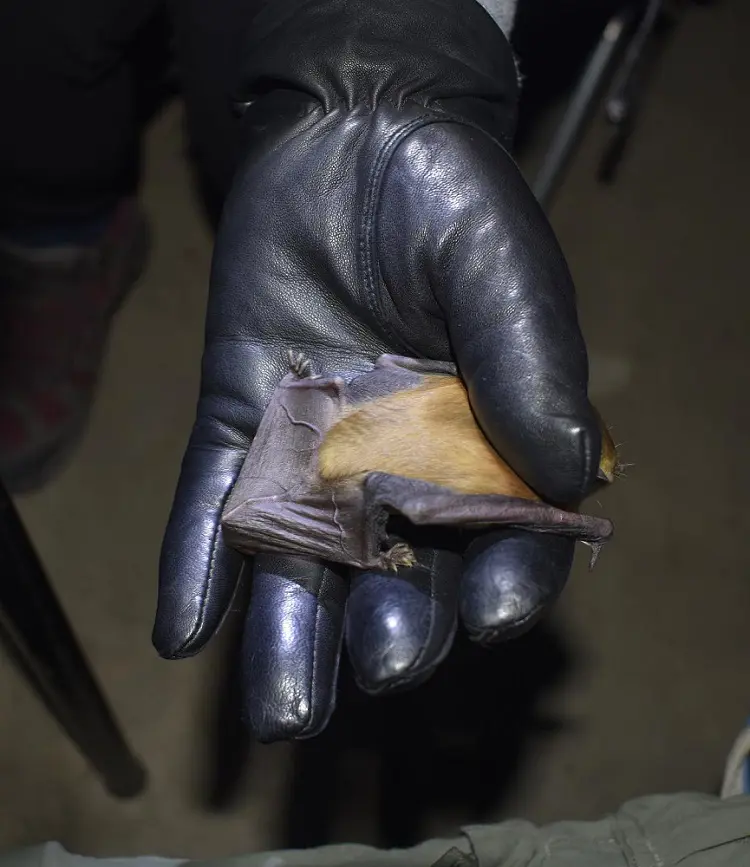
While only a small percentage of bats carry rabies, the risk of transmission to humans and pets exists. Rabies is a deadly virus if not promptly treated after exposure. Bats displaying unusual behavior, such as being active during the day or appearing disoriented, are more likely to be rabid and should be avoided and reported to animal control.
5. Noise Disturbance
Bats in your home can create noise disturbances, especially at night when they are most active. The scratching, squeaking, and fluttering sounds from bats can disrupt sleep and create anxiety for residents. This noise is typically amplified in quiet environments, making it a persistent nuisance until the bats are removed.
6. Contamination
Bat guano can contaminate water sources and soil in your garden. This contamination poses a risk to pets, livestock, and even humans who come into contact with the affected areas. It can lead to the spread of diseases and require significant effort to clean and restore the contaminated environments to safe conditions.
If you notice a bat flying around your home, quickly open doors and windows to help it exit, as it's likely a young bat that accidentally entered while hunting insects. Suspected bat roosting can be identified by several signs.
Look for bats leaving your house at dusk, particularly from eaves, the roof, or the attic. Listen for scratching or squeaking sounds inside the attic and small, high-pitched chirping sounds around sunset. Check for droppings inside and outside, especially under suspected roosting spots, and note any stains or strong odors, particularly in attic insulation.
These signs can resemble those of rodents or birds, so a thorough inspection is necessary to confirm the presence of bats.
Bats are attracted to certain features and conditions in and around houses that provide them with suitable roosting sites, food, and water sources. Here are some common factors that attract bats:
1. Shelter and Roosting Sites
Bats seek out quiet, undisturbed areas like attics, garages, and other secluded spaces for roosting. These locations offer the warmth and protection bats need, particularly during the maternity season. Cracks and gaps in the exterior, such as under eaves or around windows, provide easy access for bats looking for shelter.
2. Food Sources
Bats are drawn to areas with abundant insects, their primary food source. Outdoor lighting can exacerbate this issue by attracting insects like mosquitoes and moths, which, in turn, attract bats. The presence of insects around your home, especially near lights, makes the area more appealing for bats seeking a steady food supply.
3. Water Sources
Bats need water for drinking and are attracted to sources like bird baths, ponds, pools, or any standing water around a home. Nearby natural water bodies, such as rivers, lakes, or streams, can also draw bats to the area. Ensuring there are no stagnant water sources can help reduce bat activity near your home.
4. Temperature and Climate
Bats are attracted to warm environments, making attics and other insulated spaces ideal for roosting, especially during cooler months. These areas help bats maintain their body temperature. Additionally, bats prefer stable, undisturbed environments, making less-used spaces like vacation homes or rarely accessed attics particularly appealing.
5. Building Materials and Architecture
Older homes or those in poor repair often have more potential entry points due to worn-out building materials. Complex architectural features, such as overhanging eaves and intricate rooflines, provide sheltered areas where bats can find entry points. Regular maintenance and repairs can help reduce these vulnerabilities.
6. Nearby Natural Habitat
Proximity to natural bat habitats, such as caves, forests, or wetlands, increases the likelihood of bats visiting your property. Natural roosts provide ideal conditions for bats, and nearby human structures can offer convenient alternative roosting sites. If your home is located near these environments, it may be more challenging to deter bats.
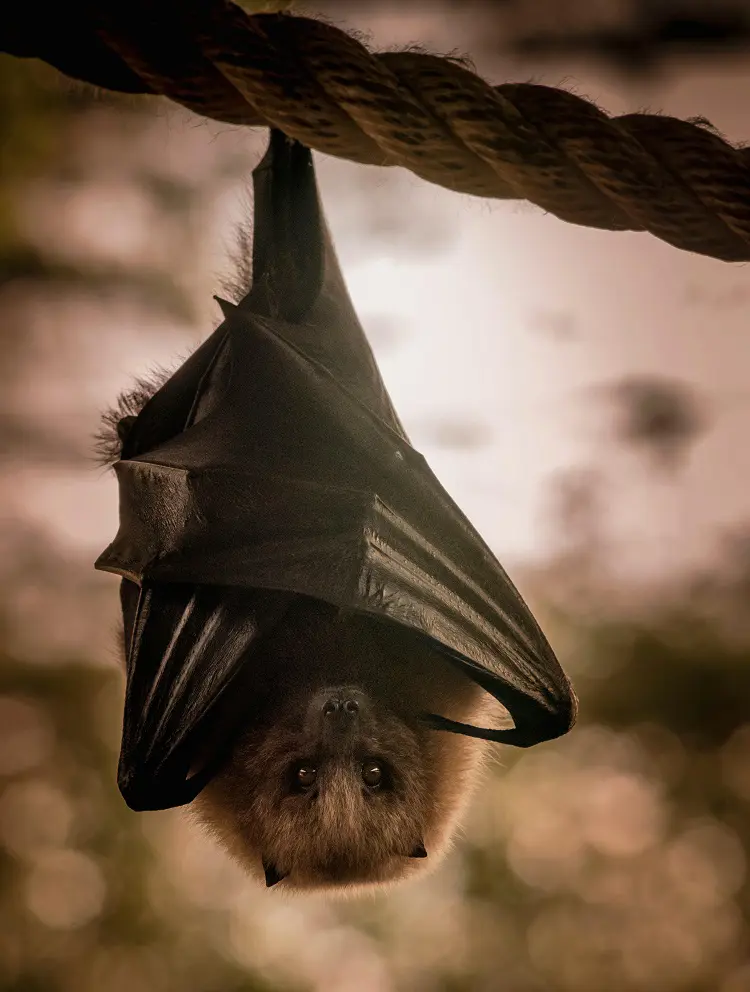
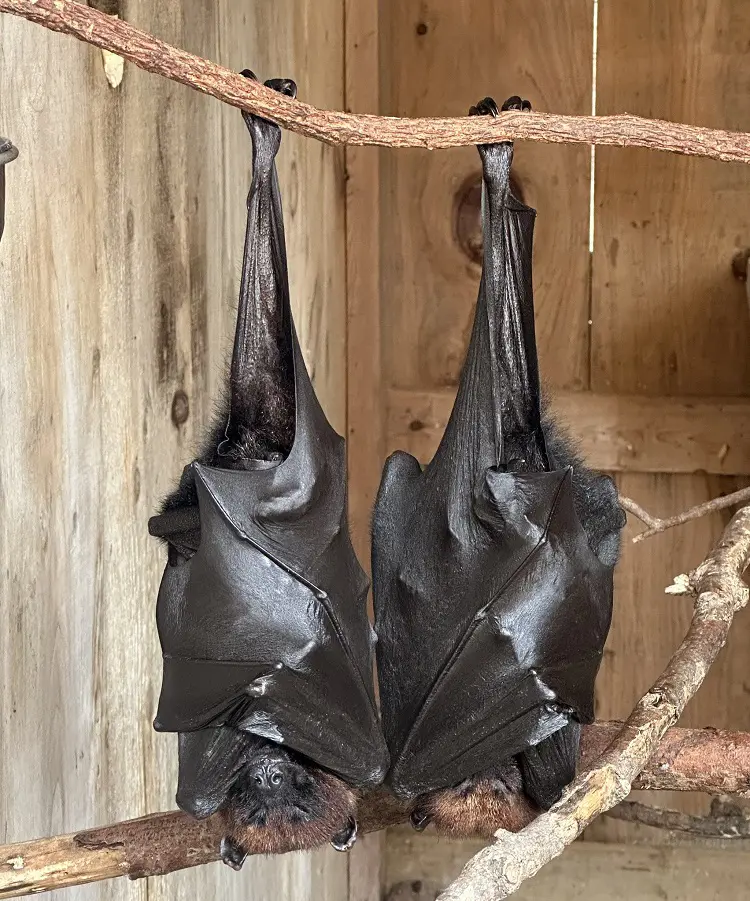
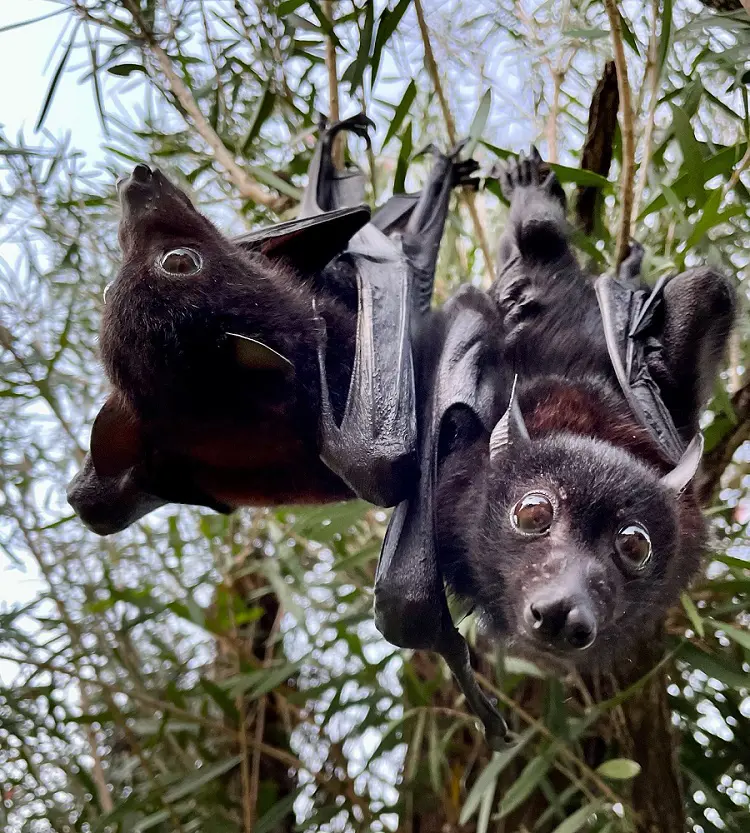
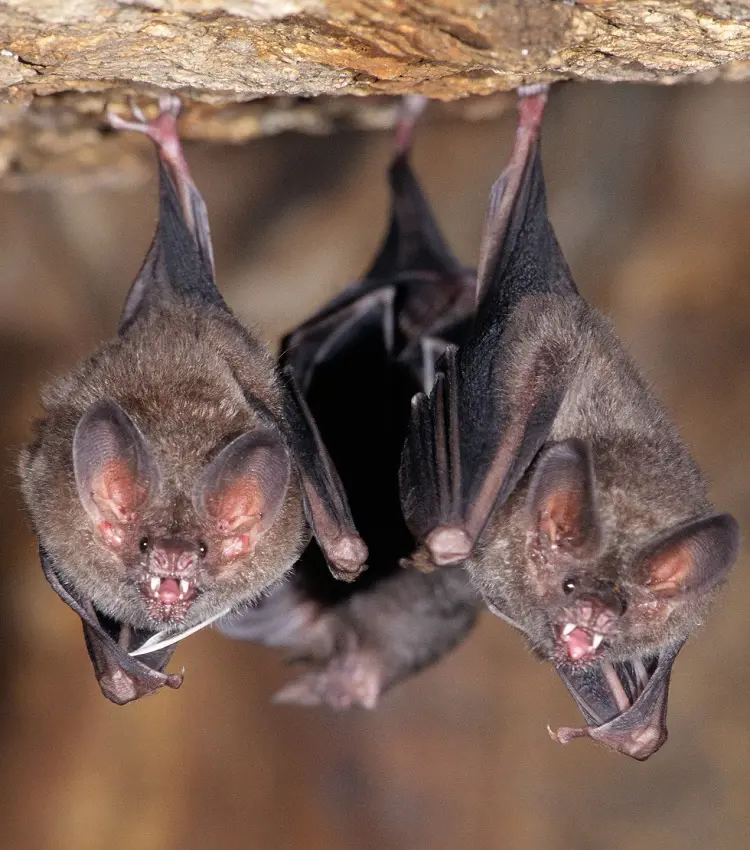
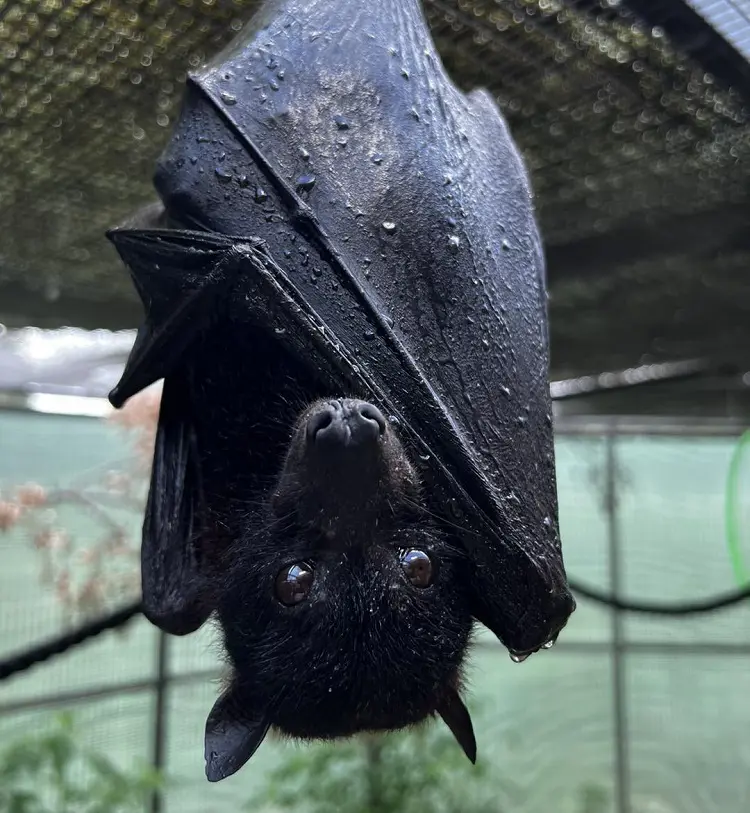
Bats are small to medium-sized mammals with distinctive membranous wings, enabling agile flight. Their wings, made of skin stretched between elongated fingers, vary in size, with some species boasting wingspans over five feet.
Bats typically have compact, fur-covered bodies and large, pointed ears, which are crucial for echolocation. Their faces vary, with some species featuring elongated snouts or unique ear shapes. Most bats have small, sharp teeth suited to their diet, whether insectivorous or frugivorous.
Their fur can range from dark to light colors and may include unique markings. Some bats have a tail, often partially enclosed in a membrane called the uropatagium, aiding in flight and prey capture.
What Do Bats Eat?
Bats have diverse diets depending on their species. Insectivorous bats, the most common type, consume insects like mosquitoes, beetles, and moths, using echolocation to hunt. Frugivorous bats feed on fruits, playing a crucial role in seed dispersal.
Nectarivorous bats consume nectar from flowers, aiding in pollination. Some bats eat small animals or fish, while a few species, known as vampire bats, feed on blood. Each diet supports different ecological roles, from pest control to pollination and seed dispersal, highlighting bats' importance in various ecosystems.
Bats commonly found in homes, gardens, and yards belong to a few key categories, each with distinct characteristics and behaviors.
1. Little Brown Bats (Myotis lucifugus)
Little Brown Bats are one of the most common bat species in North America. They are small, with a wingspan of about 8-11 inches. These insectivorous bats are highly beneficial for controlling pest populations, consuming vast quantities of insects like mosquitoes.
They often roost in attics, barns, and other structures, especially during the maternity season. Little Brown Bats are known for their adaptability to human environments and can sometimes be found in urban and suburban areas.
2. Big Brown Bats (Eptesicus fuscus)
Big Brown Bats are larger than Little Brown Bats, with wingspans ranging from 11-13 inches. They are also insectivorous, feeding on a variety of insects, including beetles, moths, and wasps.
They are commonly found roosting in buildings, under eaves, or in hollow trees. They are hardy and can tolerate a range of climates, making them frequent visitors to human habitats. Their preference for roosting in man-made structures often brings them into close contact with people.
Mexican Free-tailed Bats are known for their long, narrow wings and tail that extend beyond the tail membrane. These bats are medium-sized, with a wingspan of about 11-14 inches.
They are highly social and form large colonies, often roosting in caves, buildings, and under bridges. Mexican Free-tailed Bats are migratory and are noted for their long-distance flights. They feed on insects, particularly moths, and are beneficial for pest control in agricultural areas. In urban settings, they may roost in large numbers in attics or other accessible structures.
4. Pipistrelle Bats (Pipistrellus spp.)
Pipistrelle Bats are small bats found in various regions, including North America and Europe. The Common Pipistrelle and the Soprano Pipistrelle are the most widespread species.
They have a wingspan of 7-9 inches and are insectivorous, feeding on small insects like flies and midges. Pipistrelles often roost in buildings, crevices, and bat boxes, making them a common sight in gardens and near homes. Their small size and agile flight allow them to navigate through dense vegetation and urban landscapes efficiently.
5. Fruit Bats (Pteropodidae)
Although less commonly found in homes, fruit bats can be seen in gardens and yards, especially in tropical and subtropical regions. They are larger bats with wingspans that can exceed 5 feet in some species.
They feed primarily on fruits, nectar, and flowers. They play a significant role in pollination and seed dispersal. While they don't typically roost in buildings, they can be attracted to gardens with fruit trees or flowering plants.