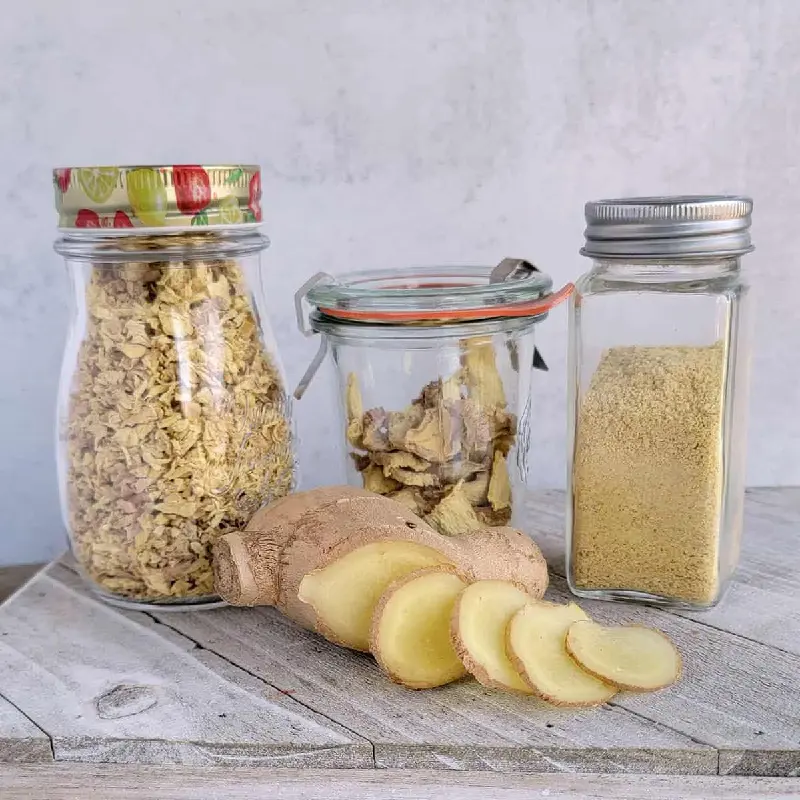
Ginger is a useful, warm spice with many medicinal uses. A must for the holidays when it comes to gingerbread and ginger cookies, it is also a key ingredient in many Asian cuisines. But it is also widely used for its ability to settle upset stomachs and its anti-inflammatory properties.
In this guide, we will mention some of the best ways how to dry ginger so that you can get the best result from this spice for your food and other uses.
1. Air-Drying
Firstly peel and slice the ginger into thin pieces of layer. Put that layer of pieces on a baking sheet maintaining space in a single layer. Place the rack in a properly ventilated space keeping distance from direct sunlight to avoid loss of color and flavor.
Check the slices of ginger from time to time to make sure that they are drying properly and turn it if necessary. This drying process usually takes days to a week. The dried ginger will be ready when it becomes crisp and brittle.
2. Sun-Drying
In this method peel and slice the ginger into thin layers of pieces like the above method. Then spread the ginger slices on a baking sheet or a tray enough to fit the slices. Put the tray in direct sunlight, covering it with a thin cloth to protect it from insects.
Bring the tray inside the shade to avoid moisture absorption on it. This method takes 3 to 7 days depending on the sun and the humidity levels. The ginger is dried when it is dry and brittle to touch.
3. Oven Drying
This method is useful if you have an oven in your home. This is an easier and time-saving method to dry gingers. First, preheat the oven to the lowest setting around 150°F or 65°C. Then peel and slice the ginger into thin layers.
After, that spread the ginger slices on a baking sheet in a single layer. Then place the baking sheet in the oven, leaving the oven door slightly open to allow moisture to escape. It usually takes 2 to 4 hours, to turn the slices from time to time.
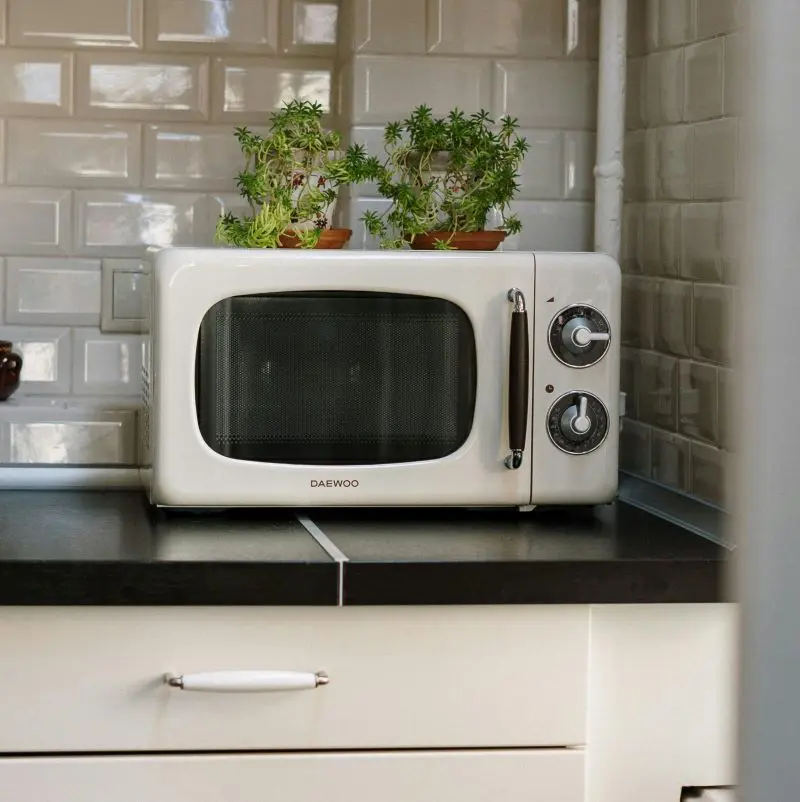
Firstly, peel and thinly slice the ginger into small layers, then place the slices on a microwave with a paper towel below. Microwave the slices on low power for 1 to 2 minutes at a time, and check the ginger slices from time to time to prevent burning.
Repeat this process until the ginger is dry and brittle. This method is quick but requires careful monitoring to avoid overheating and burning the ginger. After the ginger is dried it is ready to be stored.
5. Dehydrator
This method starts with the same process as above mentioned methods where you have to slice the ginger into thin pieces layers. After that arrange the slices on dehydrator trays in a single layer.
And then set the dehydrated temperature to 57°C. Therefore dry the slices of gingers for 8 to 12 hours for better results, checking for dryness from time to time. Using a dehydrator is a convenient and efficient method, as it provides consistent temperature and airflow.
6. Freeze Drying
At first, slice the ginger and freeze the slices until they are solid. Place the frozen ginger in a freeze-dryer and follow the instructions on the equipment to remove all moisture. Freeze drying retains the most flavor and nutrients of all the drying methods.
This method requires specialized equipment but produces high-quality dried ginger. It is the best method of drying. In the freeze-drying process, all free water and some bound water must be removed, and free water must remain frozens at all times. It is a healthy methods to dry ginger.
7. Desiccant Drying
Desiccant refers to a substance or materials that can absorb moisture from its surroundings. To use it place peeled and sliced ginger in a container with a desiccant packet, such as silica gel. Seal the container and leave it in a cool, dry place.
The desiccant will absorb moisture from the ginger over a few days, resulting in dry, brittles slices. This method is effective for small quantities of ginger. Most desiccant materials are stable chemically, but a few are toxic and can only be used under special conditions.
8. Rice Drying
Follow the same method. That is to peel and slices the ginger thinly, then place the slices in a container and cover them with uncooked rice. The rice will absorb the moisture from the gingers.
After a few days, check the ginger and remove it once it is dry and brittle. This method is simple and utilizes common household materials.
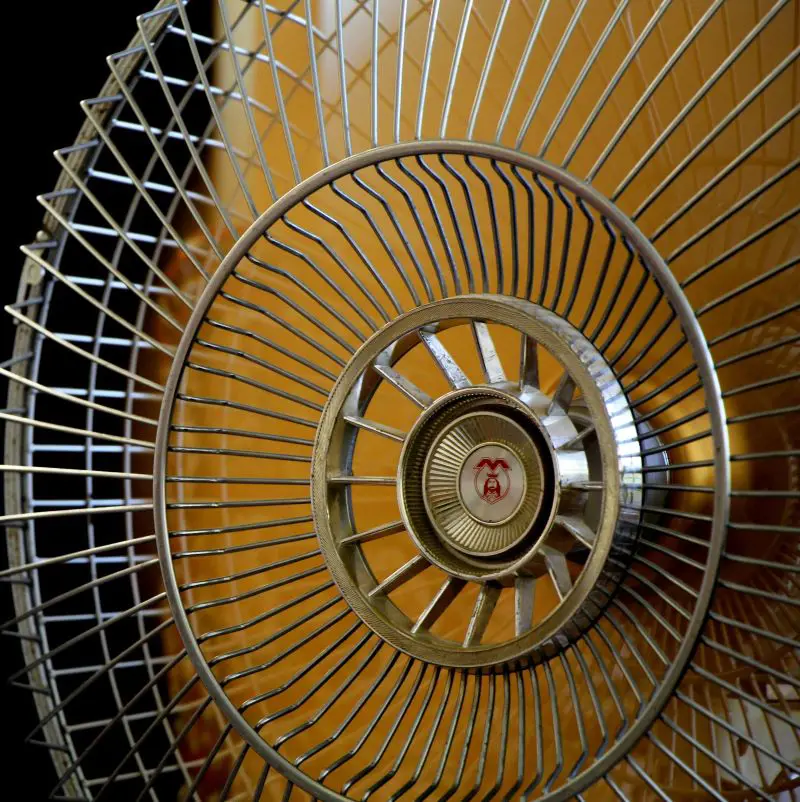
Thinly slice the ginger and place the slices on a wire rack or mesh screen. Set up a fan to blow air over the ginger, ensuring good air circulation. Turn the slices occasionally to promote even drying.
This method can take a few days and is more effective in low-humidity environments. Fan drying is a process that alters the amount of the solid and liquid components of elements and materials. There are numerous applications requiring careful control of methods and times by acting on temperature and humidity.
10. Solar Dryer
Slice the ginger thinly and place the slices in a solar dryer, which is a structure designed to trap heat and increase air circulations. Solar dryers are more efficient than open sun drying, as they provide better protection from insects and debris while harnessing solar energy to speed up the drying process.
Follow the solar dryer’s instructions for optimal results. Unlike sun-drying, where food is exposed directly to the sun the solar drying method uses indirect solar radiation.
11. Smoking
Peel and thinly slice the ginger, then place the slices in a smoker set to a low temperature. Smoke the ginger for several hours until it is dry. This method imparts a smoky flavor to the ginger, adding a unique taste to the dried slices.
But it's not the healthiest way to get your fix of this spicy treat, but smoking does have its drawbacks. It can add smoke flavour to your ginger which may not taste good for you as ginger dried through other methods.
12. Kiln Drying
Peel and slice the gingers thinly, then place the slices in a kiln set to a low temperature. Kiln drying is typically used for large quantities of ginger and involves a controlled environments to ensure even drying. The process continues until the ginger is completely dry and brittle.
The kiln process involves the drying of wood in a chambers where air circulation, relatives humidity, and temperature can be controlled so that the moisture content of wood can be reduced to a target points without having any drying defects. The most commonly used kilns are conventional and dehumidification kilns.
Ginger comes from the underground root-like stems of a perennial plant grown in many tropical regions of the worlds. It has been cultivated for thousands of years in India and China though scientists is uncertain of which country was the original birthplace of the plants.
Appearance:
Leaves: Ginger leaves are long, narrow, and lance-shaped, reaching up to a foot in length. They have a glossy green appearance that grows alternately on the stem.
Stems: The stems of the ginger plant are formed by tightly packed leaf bases. They can grow up to three feet tall and are sturdy, supporting the leaves and flowers.
Flowers: Ginger flowers are exotic and beautiful, ranging in color from greenish yellow to vibrant red depending on the variety. They grows on a separate stalk from the leaves and can resemble orchids.
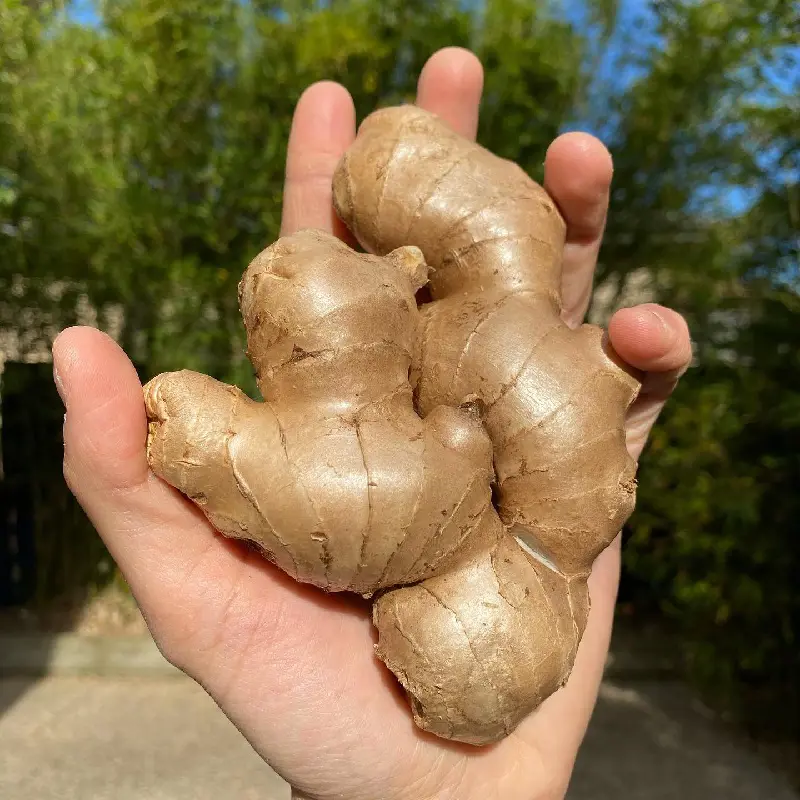
Roots: The roots of the ginger plants is a rhizome which is the most commonly used part of the plant. It is knobby, fibrous, and has a beige outer skin with a yellow to golden interior.
Character:
Growth Habit: The plant starts from pieces of rhizomes, which develop into new shoots and roots. Ginger plants typically grow to about 3-4 feet tall. The stems are pseudostems formed by the rolled bases of the leaves. The leaves are long, narrow, and lance-shaped, reaching up to a foot in length. They grow alternately on the stem.
Flavor Profile: The flavor of ginger is pungent, spicy and slightly sweet. It has a warming sensation and a peppery bites. Fresh ginger has a strong, sharp, and aromatic fragrance due to the presence of essential oils like gingerol, which also contribute to its medicinal properties. Different varieties of ginger may have slightly different flavor profiles, with some being more pungent and others more milds.
Cultural Requirements: Ginger prefers warm, humids climates. It thrives in tropical and subtropical regions with temperatures between 70°F and 90°F (21°C to 32°C). It is sensitive to frost and cannot tolerates freezing temperatures. Ginger grows best in well-draining soil rich in organic matters. The soil pH should be acidic to neutral (5.5 to 6.5).
How Long Do Ginger Last?
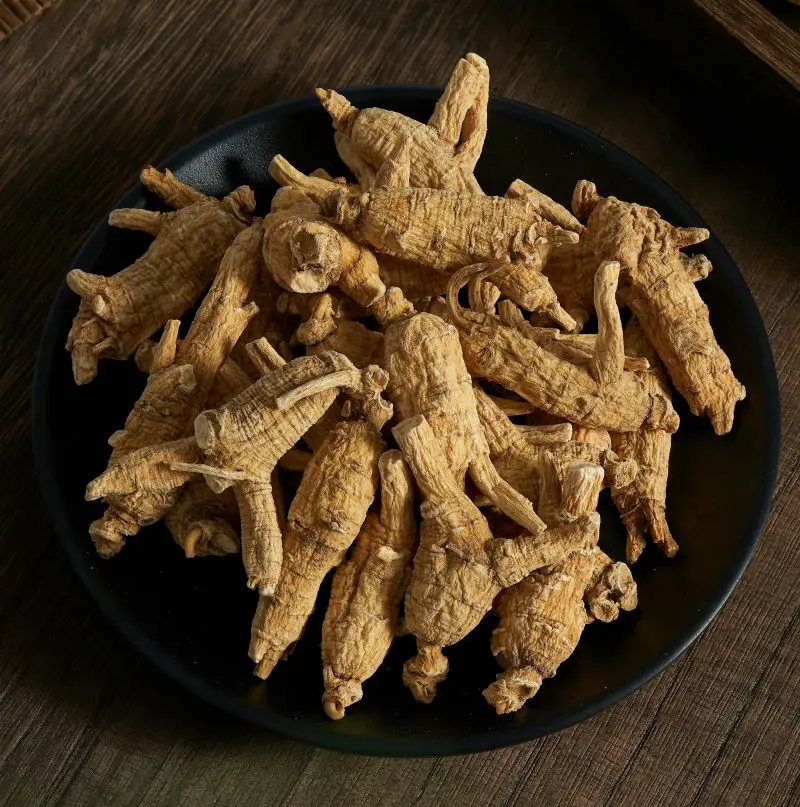
If stored properly, dried ginger in general has a shelf life of 1 to 3 years. With the storage conditions and the quality of the fresh ginger used in the process, the shelf life of the dried ginger varies.
Storage Tips:
Container: Dried ginger should be stored in a sealed jar to avoid exposure to moisture, air, and light which may otherwise spoil its quality. Using glass jars, hard plastic containers or vacuum seal bags proves ideal.
Environment: It is recommended to preserve the container in an area that has low temperatures and minimal exposure to light. A pantry or cupboard that is away from sources of heat such as stoves and sunlight is best recommended.
Temperature: The optimum temperature must be stable with a moderate range. Do not expose dried ginger to temperature changes as this also affects the quality of the gingers.
Proper storage is key to preserving dried ginger's flavor and strength. To keep your dried ginger at its best, follow these guidelines:
Airtight Containers
To preserve the flavors and aromas of dried ginger, it should be stored in proper containers like glass, plastic containers, and vacuum-sealed bags.
These containers ensure that air gets to the ginger which enhances its flavor and strength in the process. Make sure that the container is closed tightly to maintain the freshness of the dried ginger.
Store in a Cool, Dark Place
Stored dried ginger should be stored in a dark area and not exposed to direct sunlight or heat. This is because light and heat can alter the quality of the essential oils and flavor of the ginger.
A pantry or cupboard is ideal for this purpose. This storage method is beneficial in preserving ginger quality and its longevity since it is shielded from factors that lead to spoilage.
Avoid Humidity
It is recommended to store dried ginger in low humidity to avoid possible problems, for example, mold formation. Do not put it near sinks, stoves, or other places that are likely to have contact with moisture.
Consuming a jar with a desiccant packet is useful to reduce the amount of moisture that is present. Humidity controls are necessary to keep the ginger dry and free of moisture so that it stays fresh and flavorful.
Label and Date
This way, you should label the container with the date it was stored to know how fresh the content is before using it. Dried ginger remains in its optimum taste for about 3 years. By dating the container, you can know how old it is and use it within the right time enhancing the ability to avoid using old, less flavorful herbs.
Crush Before Storing
If desired, it is advisable to crush the dried ginger before storing it for use in the preparation of meals. But crushing results in even a quicker degradation of flavor.
Place the crushed ginger in a separate container to minimize its exposure to air. This method is easy but sensitive to preserve the taste of the herb for as long as possible.
Avoid Frequent Opening
Every time the container is opened there is influence from air and moisture that can be detrimental to the quality. Instead, take the desired quantity using a clean and dry spoon to avoid contacting elements that can affect the taste and longevity of the herb.
Use a clean, dry spoon to retrieve the amount needed, reducing exposure to elements that can compromise the herb's flavor and shelf life.
Benefits of Drying Ginger?
Just like fresh ginger, dried ginger is also equally beneficial. Some of the benefits of drying ginger at home are:
Extended Shelf Life
Drying ginger also allows it to last longer; more than the amount of time the fresh plant lasts. New ginger tends to perish more often, however, drying helps eliminate water content which leads to spoiling. This way, it is possible to store ginger for months or years and always have a handy supply anytime throughout the year.
Convenience
Another advantage is that dried ginger is easy to store and can be used at any time convenient. While fresh ginger requires storage in a refrigerator and can easily turn brown and wilted, dried ginger is much more convenient since it occupies little space and should be stored in an airtight container in the pantry. It’s always present and eases the process of preparing meals.
Concentrated Flavor
When ginger is dried, it gives an even stronger flavor as compared to the fresh one. Drying also retains the volatile oil and leaves a stronger herbal taste as compared to fresh ginger. This makes it stronger in flavor and perfect for dishes such as soups, stews, and sauces to enrich the flavors of the dishes.
Nutritional Retention
Dried ginger is as healthy as fresh ginger and can provide vitamins A, C, and K, and antioxidants. This means that you continue to enjoy its nutritional value especially when consumed in its dried form, including promoting a strong immune system.
Versatility
Dried ginger is useful in every kitchen. It can be incorporated into soups, stews, sauces or used to garnish the food to be served. Its has a strong flavor that is suitable for different meals and is easily incorporated into other products and recipes, therefore enriching your meals.
Cost-Effective
It is very economical to dry your ginger at home. Buying dried herbs in stores can be even very costly while it is much cheaper to dry them on your own, especially when you have excess in your garden.It enhances the acquisition of your herbs since it affords the greatest value with minimal wastage hence a constant and cheap supply.