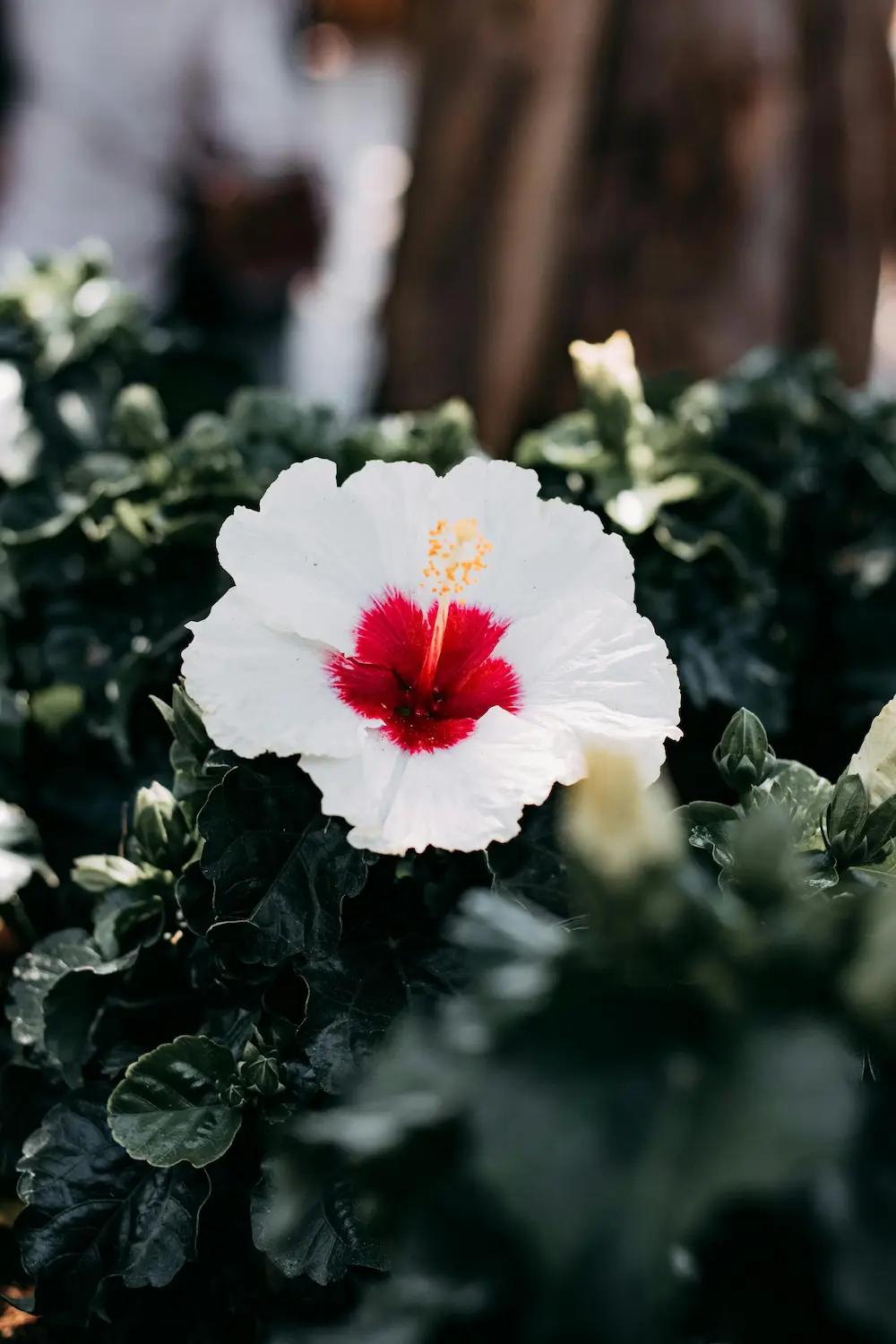
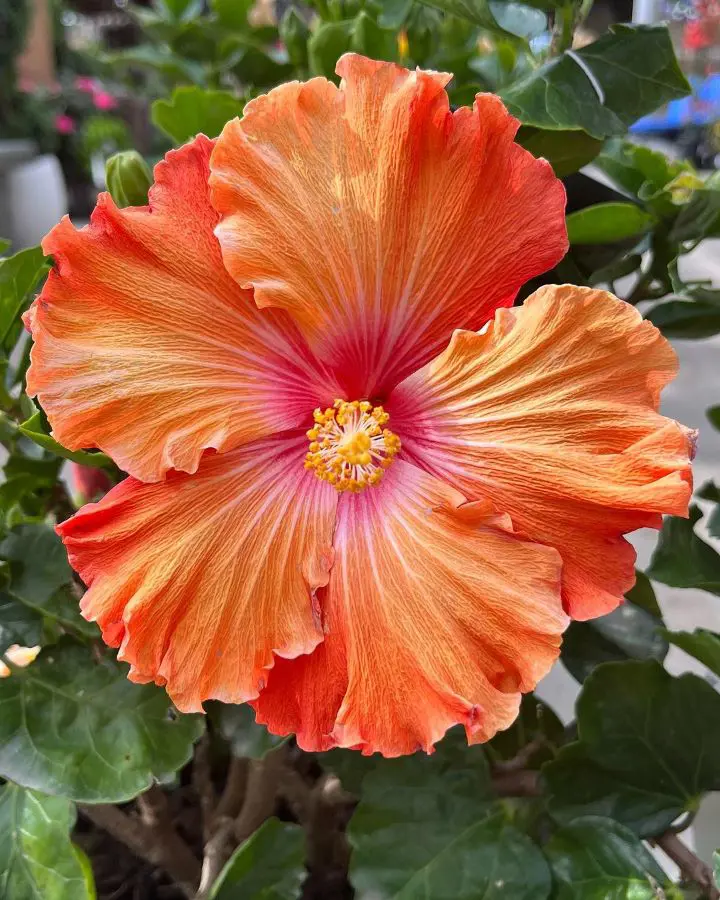
Hardy hibiscus has captured the hearts of many garden enthusiasts with its stunning, tropical-like blooms that can reach up to 10 inches across. With its enormous, vibrant flowers in shades of red, pink, and white, this plant adds an exotic touch that instantly transforms any garden into a paradise.
The allure of these vibrant flowers is undeniable, and many people are eager to learn how to grow and care for these beautiful perennials. With their ability to thrive in a variety of conditions, hardy hibiscus plants are a great choice for gardeners of all levels.
Understanding Hardy Hibiscus
Hardy hibiscus, often called rose mallow, is part of the Hibiscus genus. Unlike their tropical counterparts, these hibiscus can withstand cooler temperatures, which makes them suitable for growing in several climates.
Types of Hardy Hibiscus
There are several types and cultivars of hardy hibiscus that offer gardeners a wide range of options for their outdoor spaces. These resilient plants are known for their large, showy blooms that can reach up to 12 inches across, making them a true showstopper in the garden.
Here are some of the most popular types of hardy hibiscus:
1. Summerific Series
These cultivars are known for their vibrant, tropical-inspired flowers that come in several colors, including pink, lavender, and white. They are also prized for their compact, bushy growth habit, making them well-suited for borders, containers, and smaller garden beds.
2. Shrub Hibiscus (Rose of Sharon)
These woody, upright plants can reach heights of up to 12 feet, making them ideal for use as screens, hedges, or focal points in the landscape.
They produce an abundance of 2-3 inch wide flowers in summer, attracting hummingbirds and butterflies to the garden.
3. Other Cultivars
There are many other hardy hibiscus cultivars available, each with its own unique characteristics. Some feature ruffled, multi-colored blooms, while others boast dark, almost black foliage that provides a striking contrast to the vibrant flowers.
4. Perennial Hibiscus (Rose Mallow)
Also known as rose mallow, these are hardy perennials in zones 4-9 that are known for their large, dinner plate-sized blooms that can reach up to 12 inches across. They are a showstopper in the garden from midsummer to early fall.
Adding hardy hibiscus to your garden will be one of the best and most beautiful decisions you can make. When planting it, remember to consider the following necessary points:
1. Choose the Right Location
Hardiness Zone: Hardy hibiscus plants are suitable for USDA Hardiness Zones 4-9. Ensure your location falls within this range for optimal growth.
Sunlight: These plants require full sun, which means at least 6 hours of direct sunlight per day. This will help them produce their vibrant flowers.
Wind Protection: Hardy hibiscus plants can be sensitive to strong winds, so choose a location that provides some protection from wind.
2. Prepare the Soil
Soil Type: This plant prefers rich, moist soil with good drainage. If your soil is naturally wet or dry, you can amend it with organic matter like compost to improve its structure.
pH Range: These plants thrive in slightly acidic to neutral soil pH (6.0-7.0).
Tips for Specific Soil Conditions
Sandy Soil: Add organic matter to improve soil structure and retain moisture.
Heavy Soil: Mix in organic matter to improve drainage and aeration.
Dry Soil: Water regularly and add organic matter to retain moisture.
3. Planting the Hibiscus
Dig a hole that is 2-3 times wider than the root ball, but no deeper.
Place the plant in the hole, making sure the crown (where the stem meets the roots) is level with the surrounding soil.
Backfill the hole, gently firming the soil around the roots as you go.
Water thoroughly after planting to settle the soil.
By following these planting guidelines, you can successfully establish hardy hibiscus in your garden and enjoy their stunning, tropical-inspired flowers for years to come.
Caring
Proper care is needed to help this plant flourish. With the right attention, it will reward you with beautiful blooms that will enhance the beauty of your garden.
Watering
Hardy hibiscus requires consistent moisture, especially during its first growing season. Further, you can water deeply once or twice a week, which ensures the soil remains moist but not waterlogged.
Fertilization
Feed your plants with a top dressing of homemade compost or organic fertilizer. Similarly, periodically feed with your favorite fertilizer, most importantly during the growing season.
Mulching
For this, apply a 2-4 inch layer of shredded bark, compost, or other organic mulch around your plants to promote moisture retention. Also, maintain soil temperatures, and discourage weed growth.
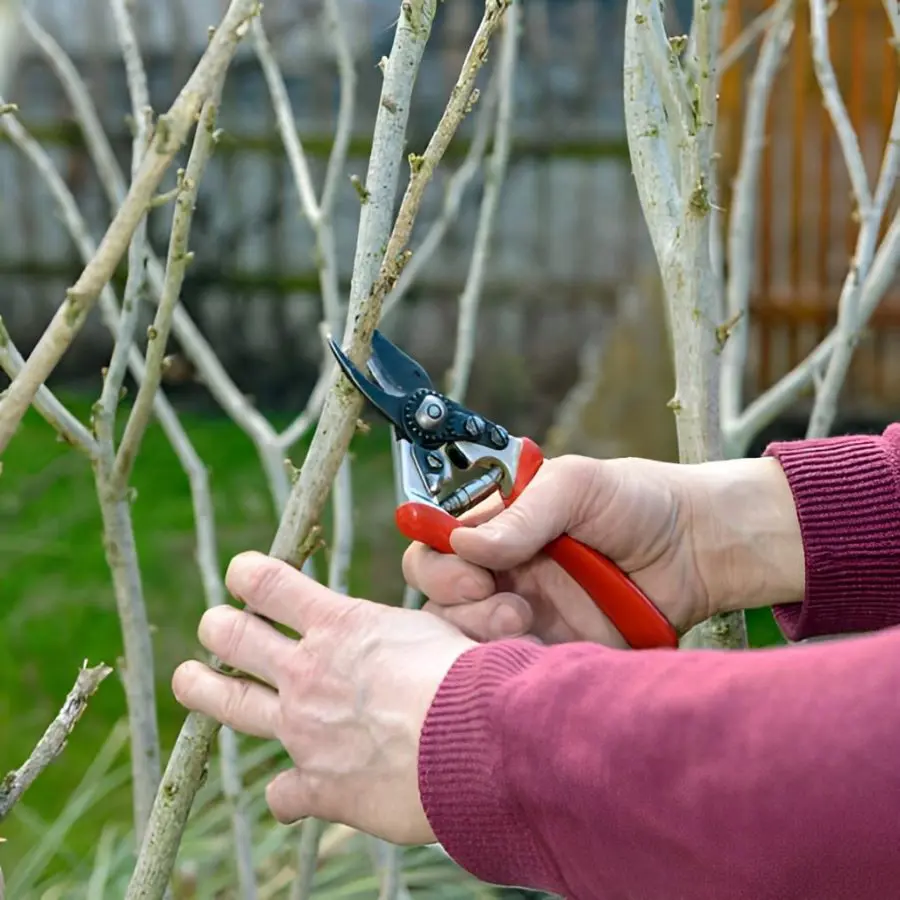
Pruning is an essential part of maintaining the health and appearance of hardy hibiscus plants. Here are the key steps and tips for pruning these beautiful perennials:
Timing
Fall Pruning: In the fall, cut any dead stems or branches down to about 8 to 12 inches (20-30 cm) just before applying a protective cover of mulch. Plus, remove the mulch in spring, when you are sure there is no danger of hard freezes.
Spring Pruning: In the spring, cut back any remnants of overwintered stems to the ground before new growth emerges. Remove any dead branches and trim the plant to maintain its shape and promote healthy growth.
Additional Tips
Pinching: Pinch back growing tips with your fingers when the plant reaches a height of about 6 inches (15 cm.) to encourage branching and more blooms. Likewise, pinch again at 10 to 12 inches (25-30 cm), if growth appears spindly or thin.
Deadheading: Remove the wilted blooms throughout the season to keep the plant neat and encourage a longer blooming period.
Stem Cutting: Cut stems back to about 6 inches (15 cm.) after flowering to encourage new growth and more blooms.
Why Prune?
Pruning helps maintain the plant’s appearance, promotes healthy growth, and encourages more blooms. It also helps to:
Control Size: Pruning helps control the plant’s size and shape, keeping it bushy and full.
Encourage New Growth: Pruning stimulates new growth, ensuring the plant remains healthy and vibrant.
Prevent Disease: Pruning removes dead or damaged branches, reducing the risk of disease and pest infestations.
Common Pests And Diseases
Hardy hibiscus plants are sensitive to various pests and diseases that can impact their health and appearance. Here are some common pests and diseases that can affect these beautiful perennials:
Common Pests
Aphids: These sap-sucking insects can cause yellowing, curling, and distortion of leaves and flowers. Likewise, they also secrete and produce a sticky substance called honeydew, which can attract ants and fungal growth.
Japanese Beetles: They feed on the leaves and flowers of hibiscus plants, causing significant damage. They can also spread diseases like fungal infections.
Mealybugs: These soft-bodied insects look like cottony masses on the stems and leaves of hibiscus plants. They feed on the sap of the plant and produce honeydew, which can attract ants and fungal growth.
Sawfly Larvae: These caterpillar-like insects feed on the leaves of hibiscus plants, causing significant damage. Plus, they can also spread diseases like fungal infections.
Thrips: These tiny insects feed on the sap of hibiscus plants, which causes yellowing and distortion of leaves and flowers. They can also spread diseases like fungal infections.
Whiteflies: These small white insects fly around the undersides of hibiscus leaves. It can feed on the sap of the plant and produce honeydew, which can attract ants and fungal growth.
Common Diseases
Fungal Infections: This infection can cause leaf spots, blight, and rust on hibiscus plants. They are often caused by excessive moisture and poor air circulation.
Bacterial Diseases: These diseases can cause bacterial leaf spot, bacterial blight, and bacterial wilt on hibiscus plants. They are often caused by poor sanitation and inadequate watering.
Viral Diseases: These diseases can cause mosaic, ringspot, and other symptoms in hibiscus plants. They are often caused by poor sanitation and inadequate gardening practices.
Prevention and Control
Proper Watering: Avoid overwatering, which can lead to fungal infections and bacterial diseases.
Proper Spacing: Ensure adequate spacing between hibiscus plants to improve air circulation and prevent fungal infections.
Regular Pruning: It can prevent fungal infections and bacterial diseases by removing infected areas.
Organic Pesticides: Use organic pesticides like neem oil, pyrethrin, and insecticidal soap to control pests like aphids, mealybugs, and whiteflies.
Beneficial Insects: Attract beneficial insects like ladybugs and lacewings to control pests naturally.
Integrated Pest Management: Use a holistic approach to pest and disease control, incorporating beneficial insects, organic pesticides, and cultural practices to minimize environmental impact.
Overwintering hardy hibiscus is a simple process that involves cutting back the plant's foliage and stems in the fall, and then protecting the roots with a layer of mulch or insulation to help the plant survive the winter months.
With proper overwintering care, these resilient perennials will return in the spring with renewed vigor and stunning blooms.
Identify the Hibiscus Type
Tropical hibiscus (Hibiscus rosa-sinensis) needs to be brought indoors for the winter.
Hardy hibiscus (Hibiscus coccineus or hibiscus moscheutos) can be left outdoors in colder climates.
Preparing Hardy Hibiscus for Winter
Allow the foliage and stems of hardy hibiscus to die back naturally in the fall.
Cut the stems back to 6-12 inches above the ground after the first frost.
Cover the base of the plant with a layer of mulch, straw, or evergreen boughs for extra insulation.
Overwintering in Containers
If growing hardy hibiscus in containers, you can leave them outdoors in cold climates.
Wrap the containers in burlap, or bubble wrap, or move them next to the house for additional protection.
Bring container-grown plants indoors if you live in an extremely cold climate (Zone 4 or below).
Spring Regrowth
Hardy hibiscus are late to emerge in spring, often not showing new growth until mid-to-late spring.
Be patient, as the root system is still alive and will produce new growth.
Once new growth appears, remove any remaining dead stems and apply a balanced fertilizer.
Tropical Hibiscus Overwintering
Tropical hibiscus needs to be brought indoors before temperatures drop below 50°F.
Place them in a sunny window or under grow lights and water sparingly to prevent rot.
Prune back any dead or damaged growth in spring before moving the plant back outdoors.
By properly overwintering your hardy hibiscus, you can ensure they return each spring with vibrant, showy blooms. The key is to protect the roots while allowing the aboveground parts to die back naturally.
Hardy hibiscus plants can be propagated through cuttings or seeds. Here are the steps for each method:
Propagating from Seeds
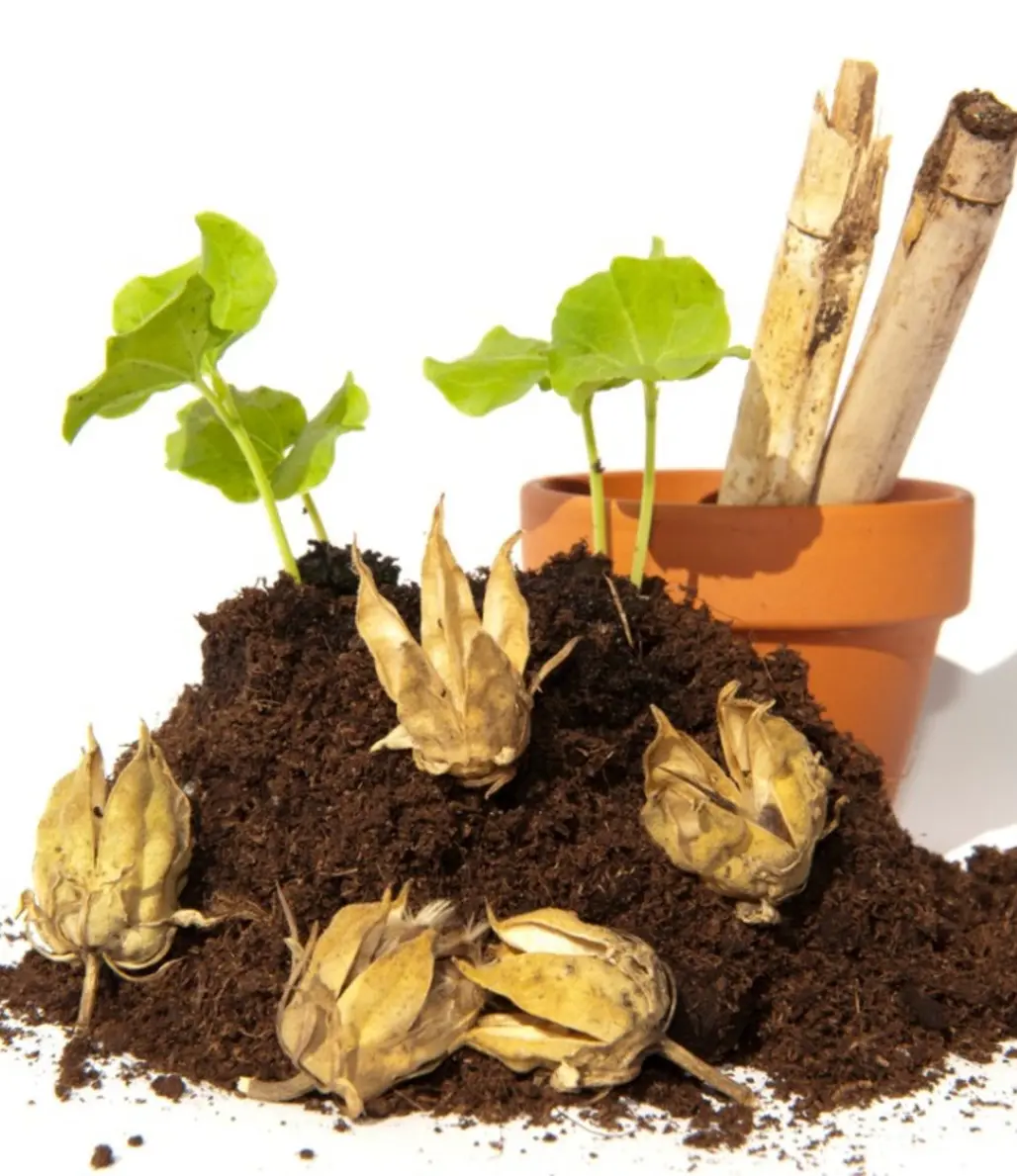
Start with fresh seeds: Use fresh seeds from a reputable supplier or save seeds from your own plants.
Soak the seeds: Soak the seeds in water for 24 hours to encourage germination.
Sow the seeds: Plant the seeds 1/4 inch deep in a well-draining potting mix. Plus, water gently and keep the soil consistently moist.
Provide warmth and light: Place the pot in a warm location with indirect light. Keep the soil wet and wait for germination, which can take 1-3 months.
Transplant: Once seedlings have 2-3 sets of leaves, transplant them into individual pots or directly into the garden.
Propagating from Cuttings
Choose healthy plants: Select healthy, disease-free plants with vibrant foliage and blooms.
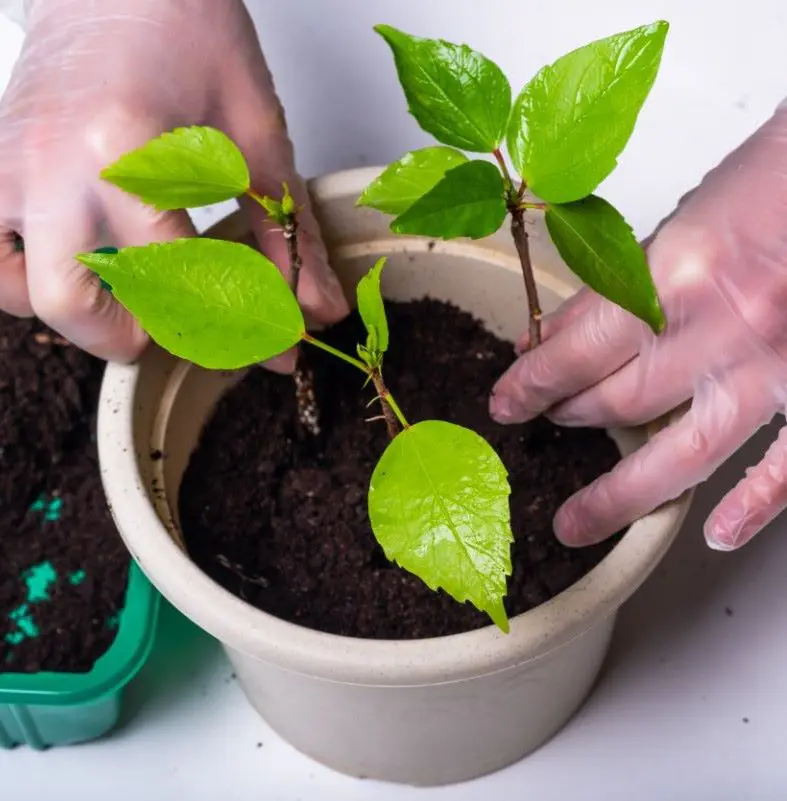
Take cuttings: Cut 4-6 inch long stems from the current year's growth, just above a node (where the leaf meets the steam). After, remove the lower leaves, leaving only the top set of leaves.
Prepare the cutting: Dip the cut end in rooting hormone powder or liquid. Place the cutting in a pot filled with a well-draining mix, such as a 50/50 mix of potting soil and perlite.
Water and provide humidity: Water the soil gently but thoroughly. And cover the pot with a clear plastic bag to maintain humidity and promote rooting.
Rooting: Place the pot in partial shade and keep the soil consistently moist.
Roots should develop within 4-6 weeks.
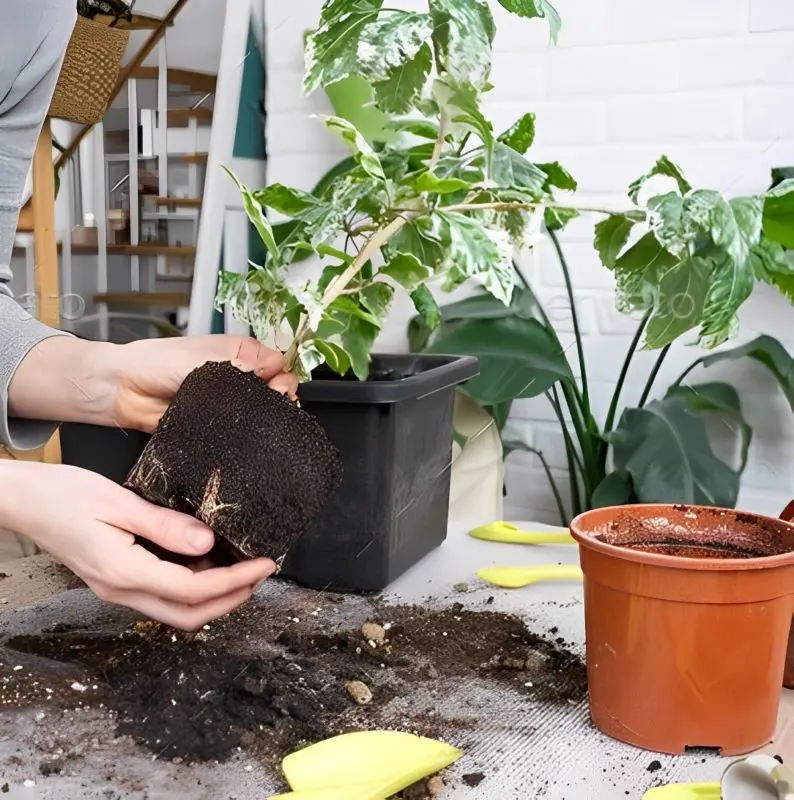
Transplant: Once roots are established, transplant the new plant into a larger pot or directly into the garden.
Tips and Variations
Use a propagation tray: Place multiple cuttings in a propagation tray to increase the chances of successful rooting.
Use a greenhouse: If you have a greenhouse, you can use it to provide a warm and humid environment for rooting cuttings.
Experiment with different methods: Try different propagation methods, for instance, using a rooting hormone gel or liquid, to see what works best for you.
Extra Tips and Tricks
Attracting Pollinators: Hardy hibiscus flowers attract bees, butterflies, and hummingbirds, making them excellent for pollinator gardens.
Companion Plants: Pair with plants that have similar moisture and sunlight needs, such as daylilies and ornamental grasses.
Preventing Wind Damage: In windy areas, consider staking the plants to provide support.
The hardy hibiscus, also known as the dinner plate hibiscus, offers several benefits and uses:
1. Vibrant Flowers
Hardy hibiscus plants produce large, showy flowers that measure up to 10 inches across. The blooms come in several colors, like pink, white, burgundy, and red, making them a stunning addition to gardens.
2. Long Flowering Season
While individual flowers only last a day or two, the plants produce a succession of blooms from mid-summer through fall, providing color for an extended period.
3. Perennial Growth
Unlike tropical hibiscus, hardy hibiscus are perennial plants that die back to the ground each winter but regrow from the roots in spring. This means they can be enjoyed year after year without having to replant.
4. Low Maintenance
They are relatively easy to grow and require little in terms of fertilizer or nutrients. They are also quite sturdy and tolerant of a range of soil conditions.
5. Attract Pollinators
The large, nectar-rich flowers of hardy hibiscus attract hummingbirds, bees, and butterflies, making them a valuable addition to pollinator gardens.
6. Ornamental Landscaping
With their tropical-looking blooms and foliage, hardy hibiscus makes excellent focal points or specimen plants in perennial borders and gardens. Their upright growth habit also allows them to be used in containers.