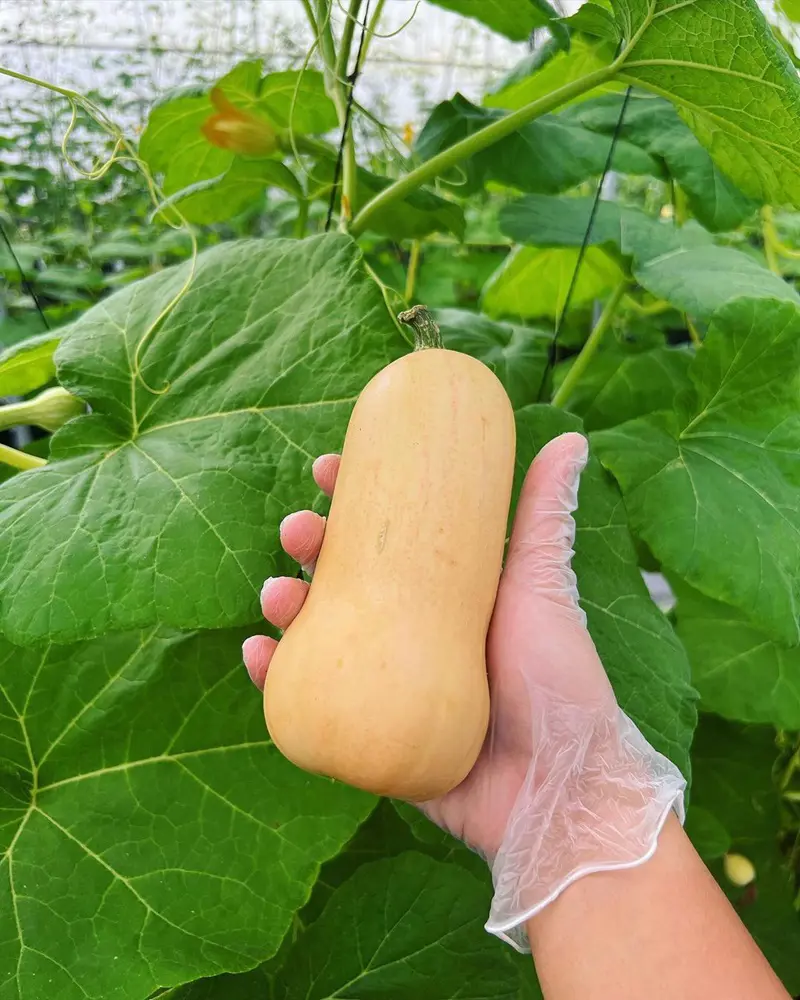
Butternut squash is a versatile and nutritious vegetable that's a favorite in many kitchens. Growing your own butternut squash can be a rewarding experience, providing you with a plentiful harvest of this delicious gourd.
In this guide, we’ll walk you through everything you need to know about planting, growing, and caring for butternut squash.
From selecting the right seeds to ensuring a healthy crop, you’ll find all the tips and tricks to cultivate a thriving garden.
Growing Butternut Squash from Seeds
1. Select Quality Seeds
- Purchase high-quality butternut squash seeds from a reputable supplier to ensure healthy and vigorous plants.
2. Start Seeds Indoors
- Timing: Begin planting seeds indoors about 3-4 weeks before the last expected frost in your area.
- Containers: Use small pots or seed trays with good drainage.
- Soil: Fill the pots with a well-draining seed-starting mix.
- Planting Depth: Plant seeds about 1 inch deep.
- Watering: Keep the soil consistently moist but not waterlogged.
- Light: Place the pots in a warm, sunny location or under grow lights to ensure they receive at least 6-8 hours of light daily.
3. Germination and Early Growth
- Temperature: Maintain a warm environment with temperatures around 70-85°F (21-29°C) to promote germination.
- Sprouting: Seeds should sprout in 7-10 days. Once seedlings emerge, continue to provide ample light and maintain moisture levels.
4. Transplanting Seedlings
- Hardening Off: About a week before transplanting, begin hardening off the seedlings by gradually exposing them to outdoor conditions.
- Garden Preparation: Choose a sunny spot in your garden with well-draining soil. Enrich the soil by mixing in compost or well-rotted manure.
- Spacing: Space the seedlings about 3-4 feet apart to allow room for their vines to spread.
5. Transplanting to the Garden
- Timing: Transplant seedlings outdoors after the last frost date when the soil has warmed up.
- Planting: Dig holes slightly larger than the root ball of each seedling. Place the seedlings in the holes and fill in with soil, firming gently around the base.
- Watering: Water the seedlings thoroughly after transplanting to help them settle into their new environment.
Following these steps, you'll be well on your way to growing healthy and productive butternut squash plants from seeds. Enjoy the process and look forward to a bountiful harvest.
Caring For Butternut Squash
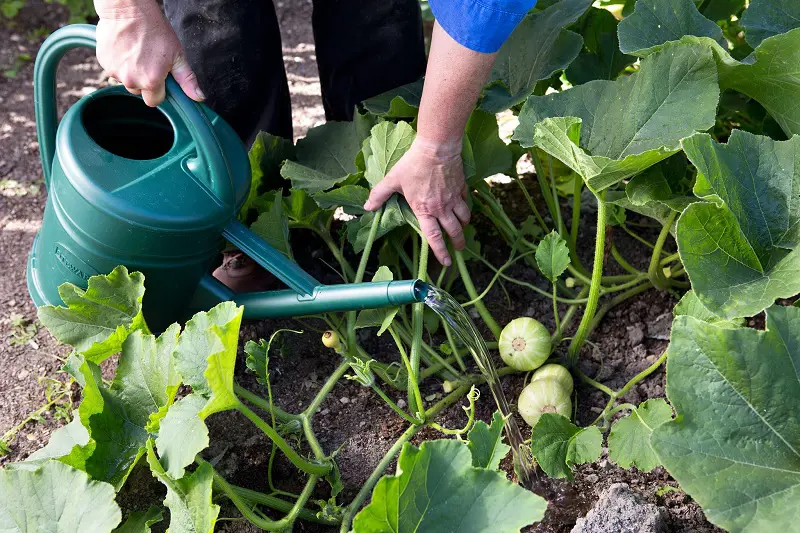
Caring for butternut squash requires attention to detail and consistent maintenance throughout the growing season. Here’s a comprehensive guide to help you ensure your butternut squash plants thrive:
1. Watering
Consistent watering is crucial for butternut squash. Water the plants deeply once a week, ensuring the soil is moist but not waterlogged. During hot and dry periods, you may need to water more frequently. Mulching around the plants can help retain soil moisture and reduce the need for frequent watering.
2. Fertilizing
Butternut squash plants are heavy feeders. Prepare the soil by adding compost or well-rotted manure before planting. Once the plants start to grow, apply a balanced fertilizer (10-10-10) every 3-4 weeks. Be cautious not to over-fertilize, as this can lead to excessive foliage growth at the expense of fruit production.
3. Pruning
Pruning helps to manage the growth of butternut squash vines and promotes better air circulation. Trim back excessive vines and remove any dead or damaged leaves. This not only helps to prevent diseases but also directs the plant's energy towards producing fruit.
4. Pollination
Butternut squash plants have male and female flowers, and successful fruit production depends on pollination. Encourage pollinators like bees by planting flowers nearby. If pollination is an issue, you can hand-pollinate by transferring pollen from the male flowers to the female flowers using a small brush or cotton swab.
5. Support and Space Management
Butternut squash vines can spread extensively. To manage space, consider using trellises or other supports to train the vines vertically. This not only saves space but also reduces the risk of fruit rot by keeping the squash off the ground.
6. Harvesting
Harvest butternut squash when the skin is hard and has turned a deep tan color, usually around 80-100 days after planting. Use a sharp knife or pruning shears to cut the squash from the vine, leaving a few inches of stem attached. Cure the squash by placing it in a warm, dry place for 10-14 days to enhance storage life.
7. Storage
Store cured butternut squash in a cool, dry, and well-ventilated area. Properly stored squash can last for several months. Regularly check stored squash for any signs of decay and remove affected ones immediately to prevent the spread of rot.
Common Pests and Diseases
Pests
-
Squash Bugs
- Identification: Brownish-black, shield-shaped insects.
- Damage: Suck sap from leaves, causing them to wilt and die.
- Control: Handpick bugs and eggs, use row covers, and plant-resistant varieties.
-
Squash Vine Borers
- Identification: Moths that lay eggs at the base of squash plants; larvae bore into stems.
- Damage: Causes wilting and death of vines.
- Control: Inspect and remove larvae, use row covers, and apply beneficial nematodes.
-
Cucumber Beetles
- Identification: Yellow-green beetles with black spots or stripes.
- Damage: Feed on leaves, flowers, and fruits; transmit bacterial wilt.
- Control: Use insecticidal soap, apply neem oil, and plant trap crops.
-
Aphids
- Identification: Small, green, or black, soft-bodied insects.
- Damage: Suck plant juices, causing yellowing and stunted growth; excrete honeydew leading to sooty mold.
- Control: Spray with water to dislodge, use insecticidal soap, and introduce ladybugs.
-
Spider Mites
- Identification: Tiny, spider-like pests; create fine webs.
- Damage: Cause stippling, yellowing, and leaf drop.
- Control: Increase humidity, spray with water, and use insecticidal soap or miticides.
Diseases
-
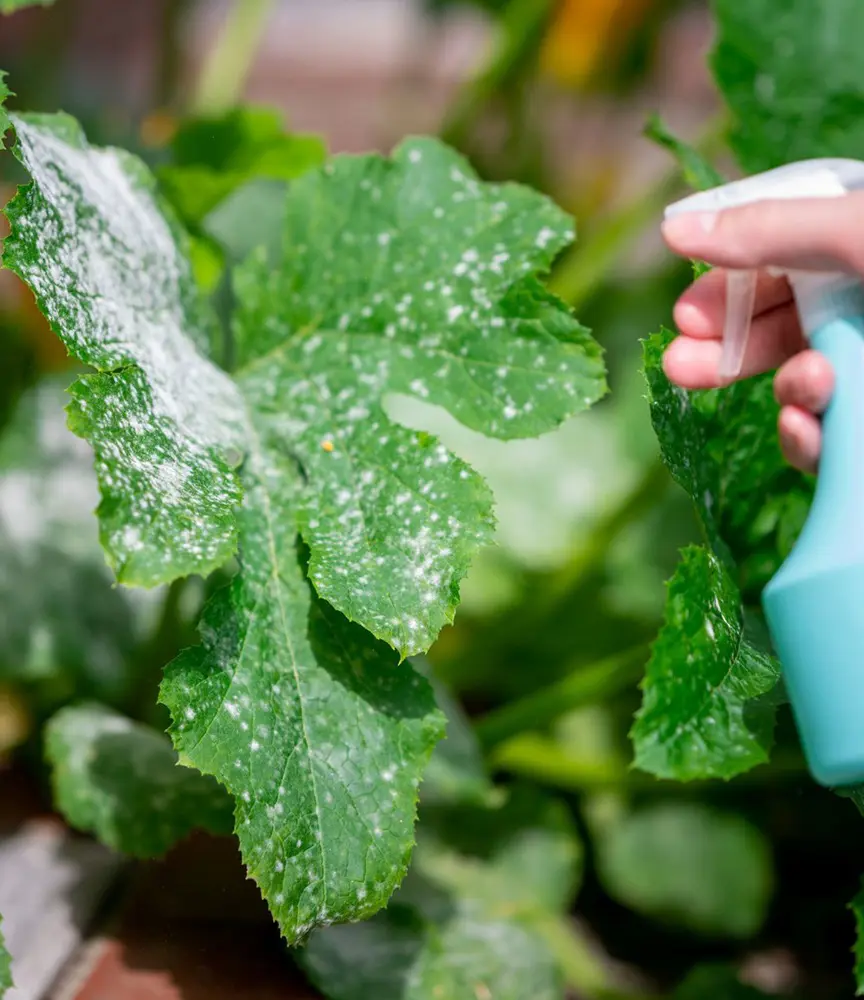
Powdery Mildew
- Identification: White, powdery spots on leaves and stems.
- Damage: Causes leaves to yellow, curl, and die; reduces photosynthesis and yield.
- Control: Ensure good air circulation, avoid overhead watering, and apply fungicides.
-
Downy Mildew
- Identification: Yellow or pale green spots on upper leaf surfaces; grayish fuzz on undersides.
- Damage: Causes leaf browning and death.
- Control: Improve air circulation, and water early in the day, and use resistant varieties.
-
Anthracnose
- Identification: Dark, sunken lesions on leaves, stems, and fruits.
- Damage: Leads to leaf drop, stem cankers, and fruit rot.
- Control: Remove infected plant debris, rotate crops, and apply fungicides.
-
Bacterial Wilt
- Identification: Sudden wilting of leaves and vines, often affecting individual runners.
- Damage: The entire plant can collapse and die.
- Control: Remove and destroy infected plants, control cucumber beetles, and use resistant varieties.
-
Fusarium Wilt
- Identification: Yellowing and wilting of older leaves, browning of vascular tissue.
- Damage: Causes gradual plant decline and death.
- Control: Use disease-free seeds, rotate crops, and improve soil drainage.
By monitoring your butternut squash plants regularly and taking proactive measures, you can minimize the impact of these common pests and diseases, ensuring a healthy and productive harvest.
Common Issue
1. Poor Germination
- Causes: Old or poor-quality seeds, incorrect planting depth, inadequate moisture, or cold soil.
- Solutions: Use fresh, high-quality seeds; plant at the recommended depth (1 inch); keep soil consistently moist; ensure soil temperature is between 70-85°F (21-29°C).
2. Leggy Seedlings
- Causes: Insufficient light.
- Solutions: Provide more light by using grow lights or placing seedlings in a sunny window; ensure they receive at least 6-8 hours of light daily.
3. Yellowing Leaves
- Causes: Nutrient deficiencies, overwatering, underwatering, or disease.
- Solutions: Test soil and amend with necessary nutrients; ensure proper watering practices—keep soil consistently moist but not waterlogged; check for signs of disease and treat accordingly.
4. Wilting Plants
- Causes: Squash vine borers, bacterial wilt, fusarium wilt, or underwatering.
- Solutions: Inspect and remove squash vine borer larvae; control cucumber beetles to prevent bacterial wilt; plant resistant varieties; ensure consistent watering.
5. Fruit Rotting
- Causes: Poor drainage, excessive moisture, or lack of calcium (blossom end rot).
- Solutions: Improve soil drainage; avoid overhead watering; ensure even moisture levels; add calcium to the soil if needed.
6. Poor Fruit Set
- Causes: Poor pollination due to lack of pollinators or extreme weather.
- Solutions: Attract pollinators by planting flowers nearby; hand-pollinate flowers; provide shade during extreme heat.
7. Small or Deformed Fruits
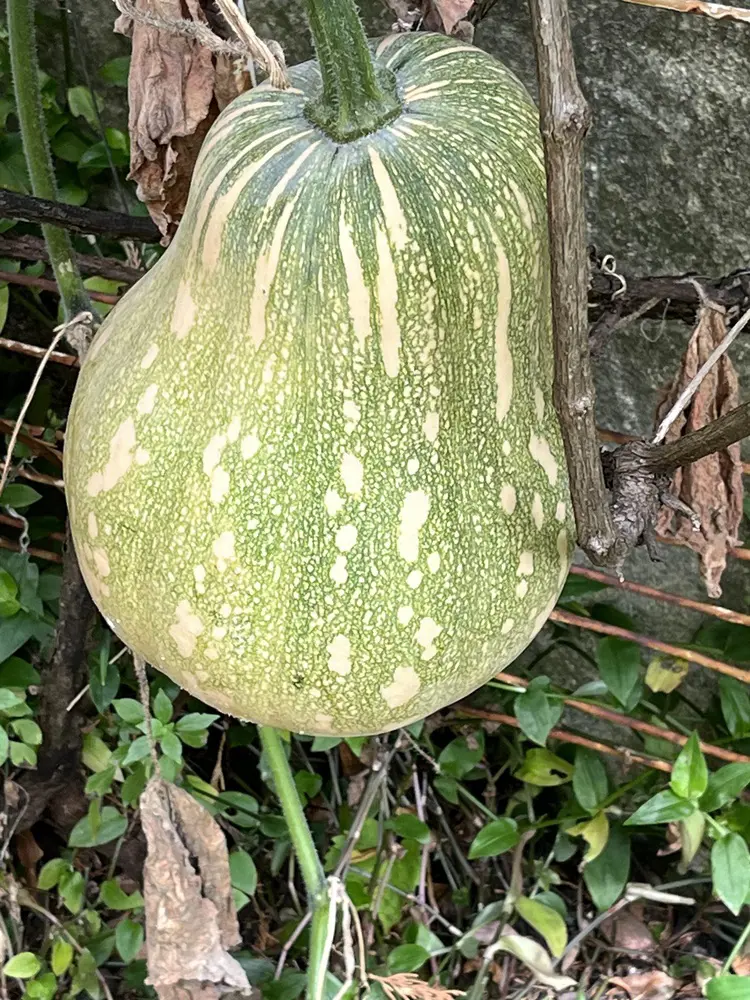
- Causes: Nutrient deficiencies, poor pollination, or inconsistent watering.
- Solutions: Fertilize plants regularly; ensure adequate pollination; maintain consistent watering practices.
8. Pest Infestations
- Causes: Common pests like squash bugs, cucumber beetles, and aphids.
- Solutions: Regularly inspect plants for pests; use organic or chemical pest controls as needed; employ companion planting and beneficial insects.
9. Diseases
- Causes: Fungal, bacterial, or viral infections.
- Solutions: Use disease-resistant varieties; rotate crops; remove and destroy infected plants; apply appropriate fungicides or bactericides.
10. Cracking Fruits
- Causes: Irregular watering, especially periods of drought followed by heavy watering.
- Solutions: Maintain consistent soil moisture levels; mulch around plants to retain moisture.
By understanding and addressing these common issues, you can ensure healthier butternut squash plants and a more successful harvest. Regular monitoring and proactive care are key to overcoming these challenges.
FAQs
1. When is the best time to plant butternut squash seeds?
The best time to plant butternut squash seeds is indoors about 3-4 weeks before the last expected frost in your area. For direct sowing outdoors, wait until after the last frost when the soil temperature has reached at least 70°F (21°C).
2. How much sunlight do butternut squash plants need?
Butternut squash plants need full sun, which means they require at least 6-8 hours of direct sunlight daily. Adequate sunlight is essential for healthy growth and fruit development.
3. How often should I water my butternut squash plants?
Water butternut squash plants consistently, ensuring the soil stays moist but not waterlogged. Typically, watering once or twice a week is sufficient, but adjust based on weather conditions. During dry spells, increase watering frequency.
4. What can I do to prevent pests from damaging my butternut squash plants?
To prevent pests, use row covers to protect young plants, regularly inspect for and remove pests, and plant companion plants that repel pests (e.g., marigolds). Additionally, employ organic or chemical insecticides as needed and introduce beneficial insects like ladybugs.
5. How do I know when butternut squash is ready to harvest?
Butternut squash is ready to harvest when the skin turns a deep, uniform tan and is hard enough that you can't pierce it with your fingernail. The vines will also begin to die back. Use pruning shears to cut the squash from the vine, leaving a 1-2 inch stem.
6. Can I save seeds from my butternut squash for planting next year?
Yes, you can save seeds from a mature, healthy butternut squash. After removing the seeds, clean and dry them thoroughly. Store the dried seeds in a cool, dry place in an airtight container. Note that seeds from hybrid varieties may not produce plants true to the parent plant.