Black beans are relatively easy to grow, making them an excellent crop for a first-time farmer or an experienced farmer. These delicious beans are relatively simple to grow and care for, with preferred temperatures and lots of sun.
Everything starts from choosing the right seeds and the right soil to watering the plants and controlling the pests. With our basic guide, you are sure to plant and grow black beans easily in your garden.
What Are Black Beans?
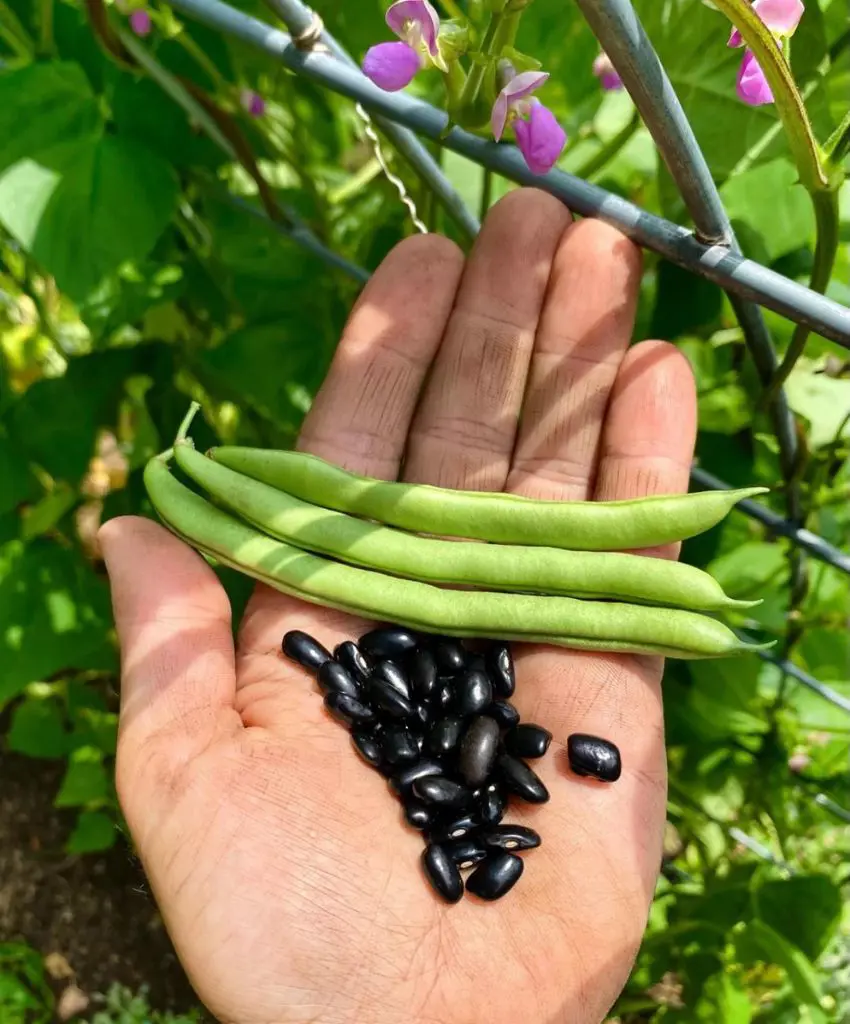
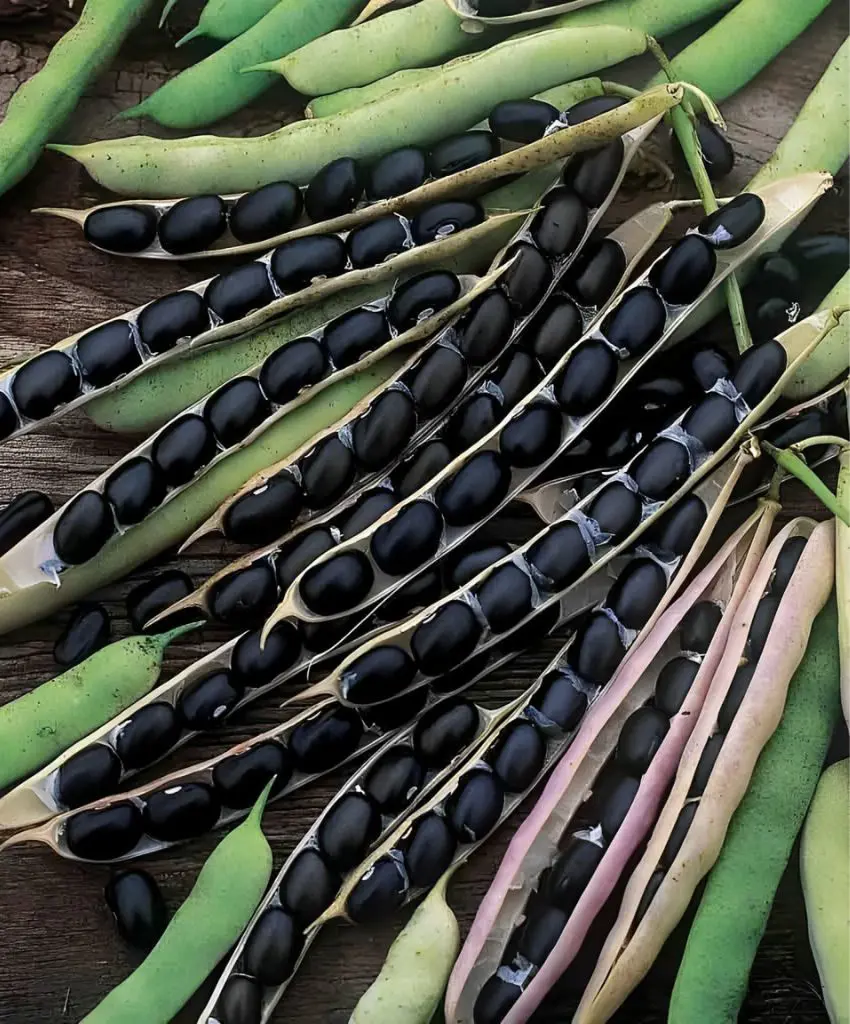
Black beans or turtle beans belong to the species commonly called Phaseolus vulgaris. They are very small; oval in shape and have a shiny black appearance. Black beans are commonly used in making feijoada, black bean soup, and other rice and black bean preparations.
In terms of nutritional value, they are considered to be a rich source of protein, fiber, iron, magnesium, and many more nutrients. They also contain little or no fat and are rich in antioxidants, which makes them useful for many diets.
Black Bean Plant Care
It’s important to adequately take care of the black bean plant to maintain its healthy state while on growth. Here is a more comprehensive guide on what light, soil, temperature, and other things are required for the healthy growth of the black bean plant:
Light
When growing black beans the plants should be placed in an area of full sun, preferably approximately six to eight hours a day. It helps in the development of a healthy crop, assists flowering and pod setting, and most important it facilitates photosynthesis.
Light intensity affects the growth of the plant and yield, if the light level is low then the growth is poor, and low yield is achieved. To grow black beans you need to emulate favorable conditions of black bean planting which include choosing a sunny, well-exposed part of your gardening fraction.
Water
Water management for black beans is paramount as water availability affects the growth and development more so during flowering and pod-filling phases. They should not be allowed to stay in water logging as this shortens their lifespan by encouraging root rot and other fungal diseases besides, they prefer evenly moist soil.
Water the plant thoroughly once a week, the root and soil should not be excessively wet or dry. This, together with the fact that it keeps the soil moist and at the same time offers a good fight against weeds affects the plants generally.
Temperature
Black beans favor a warm climate with temperatures ranging from 70°F to 85°F (21°C to 29°C). It is sensitive to frost and therefore should be planted only after the danger of frost is over.
Low temperatures reduce the rate of growth, including the yield and quality of the beans. Planting early means that plants will be able to grow with robust growth that spans right from when they are planted up to the time when they will have fully matured.
For black beans, moderate humidity is most acceptable though they can grow well under moderately high or low humidity. Fungal diseases will occur when the humidity level is high, while a low level of humidity will stress the plants.
Proper aeration around the plants enhances the movement of air and assists in managing the humidity that is required for the growth of the plant without contracting diseases. Another aspect that has a direct impact on optimizing plant growth is proper spacing and prevention of overcrowding.
Fertilization
Black beans are moderate feeders and do not usually demand excessive feeding to allow them to develop properly. Before planting seedlings allow the soil to be adequately prepared by incorporating well-rotted compost or a balanced organic fertilizer for the provision of nutrients.
However, nitrogen should not be applied in excessive amounts in order to produce more foliage which hinders the growth of beans. Organic matter such as compost can also be applied to the side of plants during the growth of crops in a season to enhance the fertility of the soil.
Soil
It thrives best on well-drained loamy soil with a pH of between 6. 0 to 7. 5. Organic soil is very suitable for growing strong root systems and nutrient absorption among plants. If your soil is heavy or clay-like, loosen it and mix in compost, leaf mold, or aged manure into it for better drainage.
Black bean plants require good soil preparation before germination so that they may have a sound root structure throughout their life.
Pruning and Spacing
Common black beans do not need much pruning. Proper space provision is important to enable adequate airflow and access to sunlight in case of need. The seeds should be planted 5 to 2 inches deep and sown 2 to 4 inches apart in rows that are 18 to 24 inches apart.
This spacing prevents overcrowding where some plants are stunted as they struggle for space to grow with other plants. Thin sowing if seedlings are congested because will let them grow sturdy, healthy plants, and enhance production.
Winter Care
Black beans are annual plants, which means they can germinate and complete their life cycle in one year and they do not have the ability to withstand frost. They should be grown as a warm-season crop in areas where there are extreme conditions with cold climates during winter.
As soon as crops are ready for the market or home use, clean up garden residues to avoid pests and diseases over-wintering in the garden area.
This way the impact that caused the problem is removed and soil health is maintained thereby discouraging the re-occurrence of the same problem in the following planting seasons.
Black beans are sensitive to the type of climate and they grow well under warm climate conditions. They should be sown after the average date of frost in your region after the soil temperature has attained at least 60°F or 16°C.
The black bean plants usually take between 90 and 140 days to ready and this duration varies according to breeds.
Where to Grow
Climate
Black beans grow best in warm temperatures and under sunlight. They should be planted in such a space where they can receive 6-8 hours of sunlight daily.
Soil
Their ideal growing environment includes well-drained, loamy soils with a slightly acidic to neutral pH of 6. 0 and 7. 0. Make sure that the selected soil is fertile, with good organic content.
One should avoid sowing black beans in waterlogged soils because they do not perform well under such conditions.
In order to grow black beans from seeds, follow the given steps:
Step 1: Seed Selection
For a good yield, select excellent quality seeds from the local nurseries or use the beans that yielded well in previous planting seasons.
When selecting seeds for planting, ensure that they are of equal size and are not showing any signs of damage or diseases.
Step 2: Soaking Seeds
When planting the black beans it is most advisable to soak the seeds in water that is warm for about 4- 6 hours before sowing.
This also helps in softening the seed coat and hails faster emergence of seedlings in the young plants.
Step 3: Planting
Plant the seeds in the appropriate garden soil that has been prepared well, according to the planting depth and the spacing of the seeds.
They should be pressed lightly into the soil to ensure there is good contact between the seeds and the loam.
Step 4: Germination
Do not allow the soil to dry out completely or become saturated with water during the germination stage. It is recommended that you keep your seedlings in a warm and sunny place.
After germination of seeds, arrange proper aeration to avoid damping off diseases in plants.
Step 5: Transplanting (if started indoors)
It is recommended that seeds be sown indoors 3 to 4 weeks before the last anticipated frost in the planned region of growth. Sow seeds in biodegradable pots or trays that you fill with seed-starting mix.
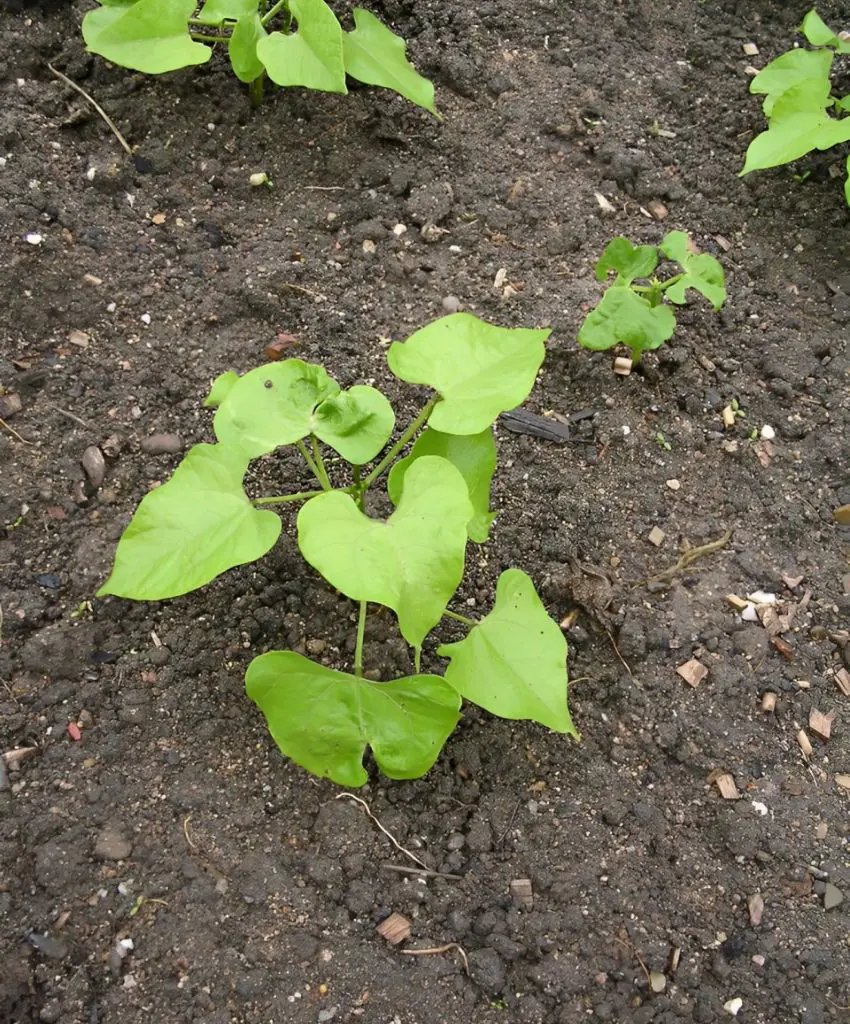
It is recommended to transplant the seedlings outside when they have developed their second or third true leaves and the risk of freezing temperatures has gone.
Even though beans are not usually prone to pests and diseases, there are certain problems and issues that should be considered. It is important to understand the issues before we begin to find preventable measures for the issues.
Pests
Aphids: These are tiny weak insects that can be found on the lower surface of leaves, aphids are plant sap suckers that produce yellowing, curling, and stunting in plants. They are also capable of spreading plant viruses which is an added blow to farming.
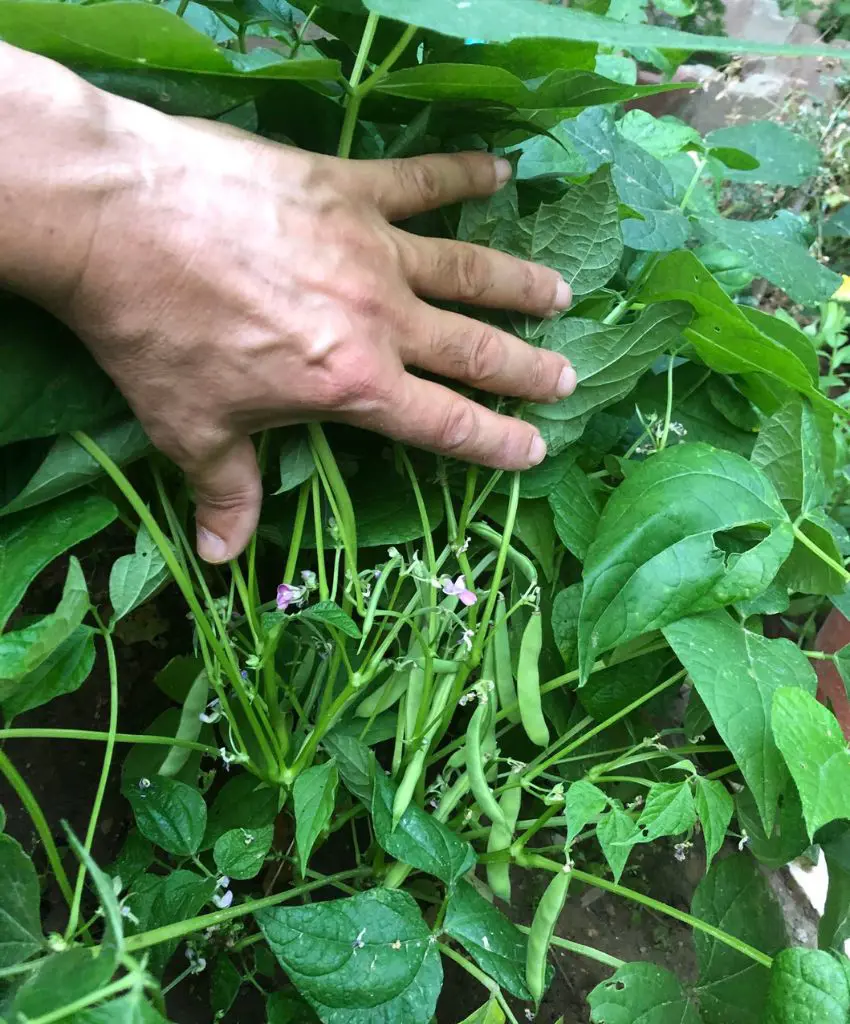
Bean Beetles: These beetles feed on the leaves and pods of black bean plants causing characteristic round holes and negatively affecting the vigor of the plant. Yield and quality are the most common signs that are badly affected by severe infestations.
Spider Mites: These are very small, like spiders, and prefer dry climates and they feed on the foliage causing chlorotic mottling and shedding of leaves. However, severe infestations can have adverse effects such as stunted plant growth and low yields.
Cutworms: Some species of moth larvae feed at night as cutworms, which kill seedlings by severing them at ground level or gnawing on stems or roots. They are also capable of inflicting early-season losses and crop destruction.
Diseases
Root Rot: Affecting plants due to numerous fungi present in the soil, root rot results in black decayed roots, and stunted plant growth even when watered frequently. Bamboo prefers waterlogged soils and if not controlled; it may lead to the death of young plants in the surrounding areas.
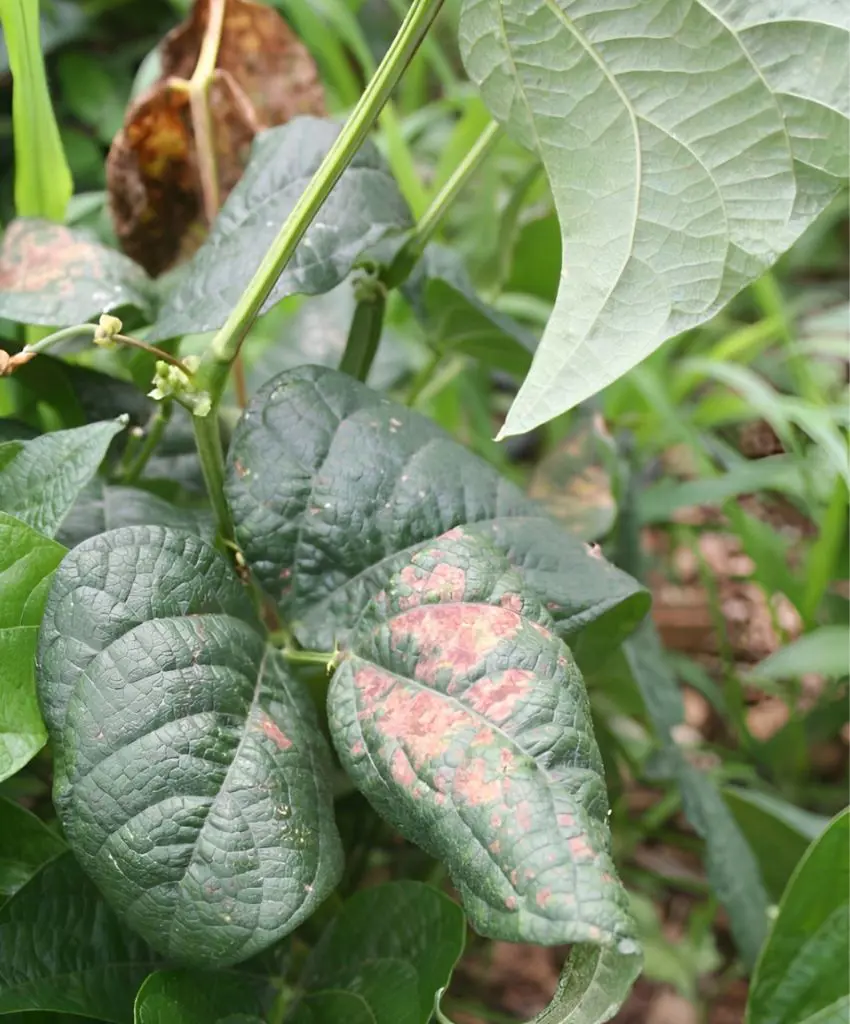
Anthracnose: It is a fungal disease that manifests as small, black, and sunken areas on stems, leaves, and pods and is favored by warm and humid conditions. This causes defoliation and, therefore, drastic yield reduction in severe infections.
Powdery Mildew: Appearing as a white or gray, powdery substance on the epidermis of leaves and stems, this disease may lead to chlorosis and death of the leaves. Water mold thrives in dry seasons with high humidity and it affects the vigor and productivity of the plants.
Bacterial Blight: This disease appears as water-soaked lesions on the leaves which will turn brown and die out; the disease results in defoliation and weak plants. Bacterial blight is seed-borne and is transported from one place to another through water splashes, especially during rainy seasons.
Prevention Strategies
You can prevent pests and diseases by following the given tips:
Crop Rotation: Rotate black beans with other crops that do not belong to the legume family so as to avoid problems of diseases and pests in the soil.
Soil Health: Grow healthy crops by incorporating organic materials, drainage, and management of pH levels in the soil. Well-cultured soil is an environment that ensures good growth and produces plants with a strong ability to resist pests and diseases.
Cleanliness: Clean-up of plant debris and weeds helps to deny pests a place to harbor as well as limit disease sources.
Inspection: Physical examination of plants/crops for pests and diseases should be conducted on a regular basis. Injury control and early treatment ensure that it does not spread and has a minimal impact.
Resistant Varieties: If you are sourcing for black beans, do so, with preference to those black bean varieties that have a natural resistance to pests and diseases which are common in your region.
Black beans also have their own specific time and process for harvesting which is explained as follows:
Harvest Timing
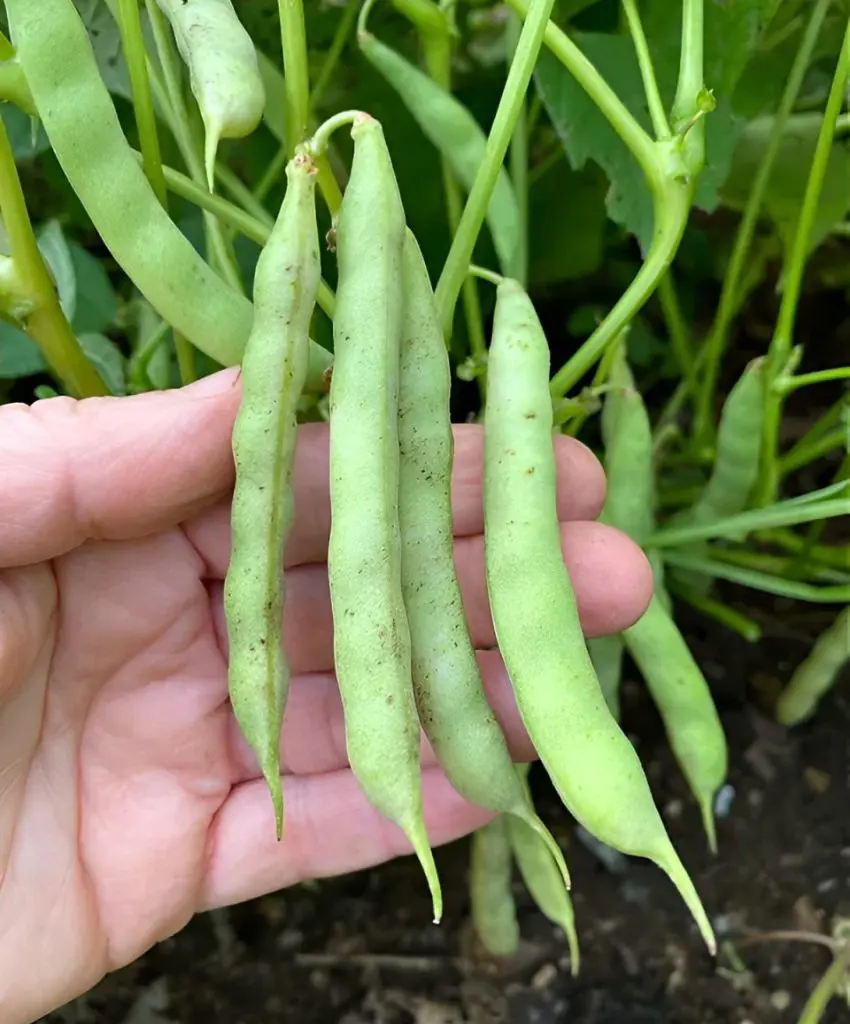
Generally, black beans take between 90 days to 120 days to ripen for harvest depending on the variety and climate conditions of the farming region. It is recommended to harvest when the pods get fully developed and rigid, and when the pod color is uniformly dark brown or black in color.
The beans inside of them should move and make noises when the pods are shaken.
Harvest Method
To get the black beans, it is recommended to uproot the whole plant or cut it at the base using a sharp pruner. Be very careful when moving plants around as young pods and seeds can be easily bruised.
The specific timing of the harvest is done during dry weather to reduce the chance of mold or spoiling of the produce.
Drying and Curing
After this, wash the bean pods and suspend them, with their stems pointing downwards, in a cool, dry, and well-aerated place for about 5-7 days. Another method of storing them is to spread them in a single layer on a clean and dry indoor surface.
Curing is important because it helps to avoid mold, and makes sure that beans are dried properly throughout.
Shelling
When the pods are thoroughly dry and have become shriveled, it is time to remove the beans, either by picking off the pods individually or by beating the pods lightly to knock the beans out. Take out the beans from the pods and separate the desirable seeds from the bad ones, the damaged or discolored seeds.