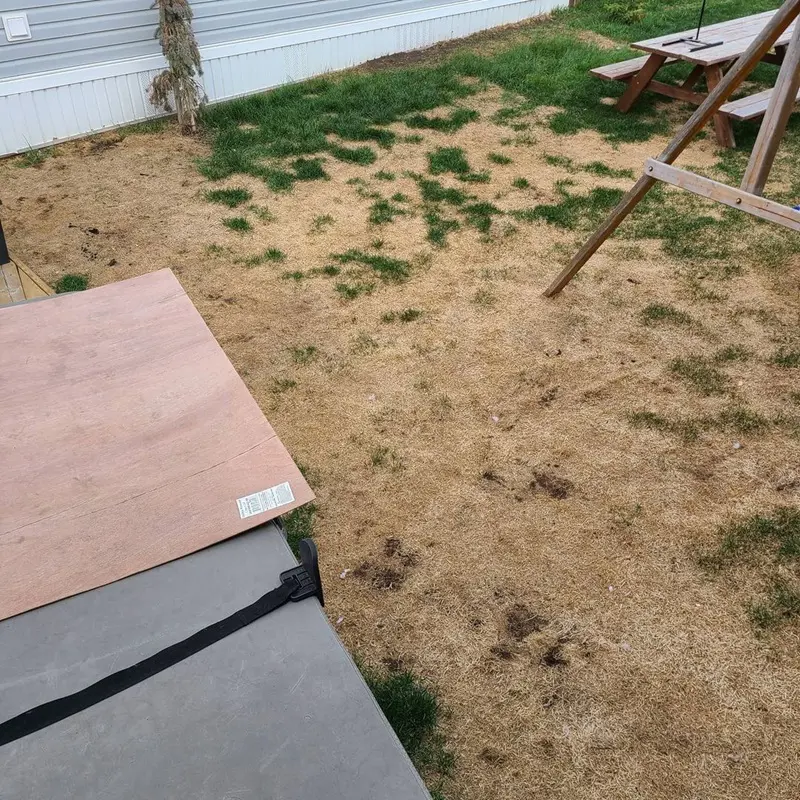
A lush green lawn is a pride for any homeowner. But when the grass turns yellow, it is most definitely going to be an eyesore and could be a potential cause for alarm.
Causes for the yellowing of grass range from very simple environmental factors to some more serious problems like pest infestation or even illness. In this detailed article, we shall consider common reasons your grass could be turning yellow and the detailed solutions for each.
1. Drought Stress
Many homeowners, especially in hot summer months, are bound to come across the problem of turning yellow grass due to drought stress. It happens whenever grass is stressed out by a lack of enough water and goes dormant.
With a resultant turn to yellow or brown, the dormant grass struggles to conserve moisture, leaving your lawn looking dry and in bad health. This may be aggravated by drought periods, resulting in further damage to your lawn and potentially creating less-than-ideal recovery when the climate does improve.
Solution
Water deeply but infrequently, and avoid drought stress to make your lawn dense and green. It can be suggested to supply approximately 1 to 1.5 inches of water per week, inclusive of rainfall. Early morning watering minimizes evaporative loss, and most of the water goes into the grass.
This is where a timed sprinkler system can come in handy for consistent watering. It will allow you to monitor the amount of water your lawn receives daily, especially throughout the hottest and driest seasons. With these practices, your lawn will be healthy and evergreen so that you're prepared even against drought conditions.
2. Overwatering
This may come as a surprise, but too much watering can also lead to grass turning yellow. When large amounts of water are applied to the grass lawn, the soil can become overwatered, which will deny the roots of grass their much-needed oxygen to remain healthy.
This sort of condition will choke the roots and turn the grass yellow due to the plants' struggling to survive under such a suffocating scenario. Also, overwatering favors the growth of fungi, thus proliferating the problem, and can lead to lawn diseases that will further tangle and wreck grass.
This clearly explains the need to avoid waterlogged soil and poor drainage in a lawn. A good measure of control is the aeration of lawns, whereby small plugs of soil are removed to let more air and water through to move into the soil.
Aeration allows the roots to breathe and promotes healthy growth without giving a chance for water to puddle at the surface level, which may eventually result in fungal diseases. Having these practices in place, one will easily maintain a balanced amount of watering to promote a lush, living lawn
3. Lack of Nutrients
Grass requires adequate and well-balanced nutrition to be green and healthy. When this balance of critical nutrients is lacking, it may begin to turn yellow because it indicates that something is wrong with its health, probably a lack of nitrogen, potassium, or iron.
Those elements are essential in various physiological processes, for example, nitrogen in the formation of leaves and production of chlorophyll, potassium in the formation of roots and increasing resistance to disease, and iron in the formation of chlorophyll.
Solution
You can't know exactly what's missing without a soil test. Take a soil test, and then use a balanced fertilizer that will provide what your lawn lacks. Regular fertilization by applying a fertilizer following the recommended rate for your grass type.
It ensures the lawn gets the required nourishment to foster proper growth. These are practices that help to keep the grass healthy, grow it strong, and retain its green color for a wonderful lawn throughout the growing season.
4. Soil Compaction
Probably the most common, though, is soil compaction. This restricts root growth and limits the movement of water and nutrients, often resulting in yellow grass. Particularly, it is a common problem in high-traffic areas where the soil becomes packed densely from frequent foot traffic or heavy equipment.
In instances of compacted soil, not having this space makes the roots capable of not spreading out to receive the elements necessary for their survival. This makes the grass look weak, thin and stressed out with a yellow color.
Solution
Aerate your soil as it will relieve the soil compaction and will be good for your lawn's health. Aeration is the process of using a core aerator to pull out small plugs of soil. This will allow more air, water, and nutrients to move down into the root zone.
By so doing, it makes the roots go deeper and grow stronger, hence the grass much stronger and healthier. Aeration is most effective during fall and spring when the grass has the maximum growth that will enable it to recover quickly from the process.
5. Improper Mowing Practices
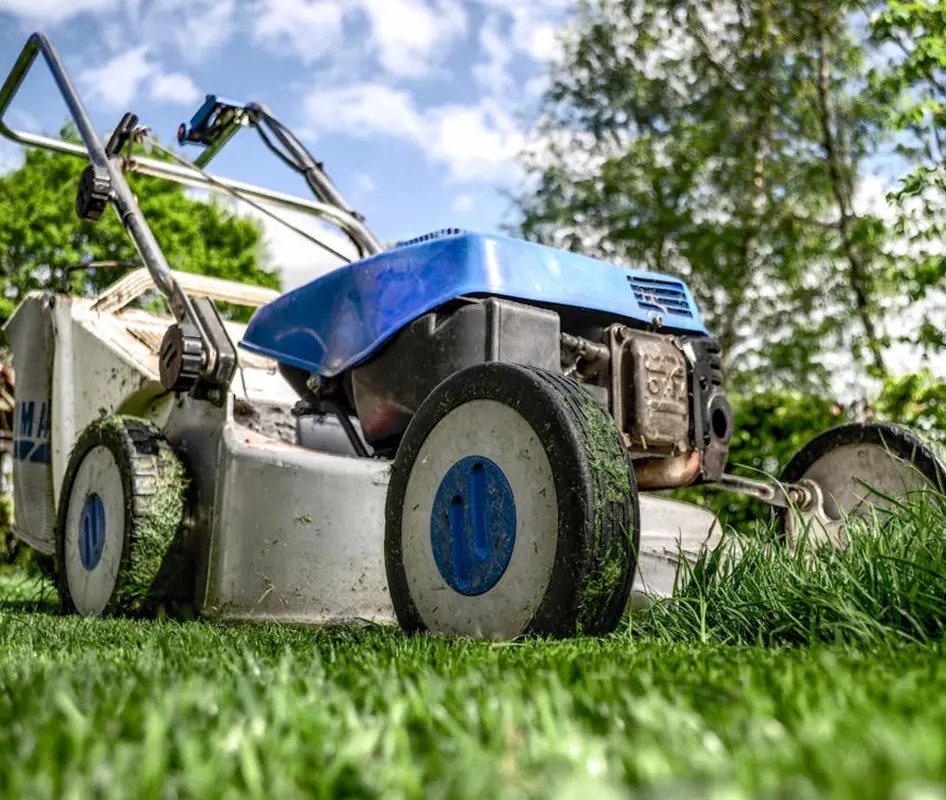
Some of the most common causes of yellow grass are poor mowing practices that naturally stress the grass to result in damage. A clear example is scalping, whereby one cuts the grass too short, causing severe damage to grass blades and roots; this leaves the plants weak and turns them yellow.
Besides, dull mower blades result in ragged, uneven cuts that further stress grass, leaving it vulnerable to attack by diseases and pests. Both will inhibit photosynthesis and result in an unsightly, yellow-colored lawn.
You will need to change your mowing habits to bring out a healthy lawn. Be sure to keep the recommended height; usually, for most kinds of grass, it is between 2.5 to 3.5 inches. Having your grass at this height will give it a strong root system while maintaining a large enough leaf area for photosynthesis.
Never cut more than one-third of the grass blade length at any time to stress the plants less. Follow these types of mowing practices to maintain a green, full lawn while minimizing the yellowing of grass due to mowing stress.
6. Thatch Buildup
Thatch is composed of dead grass, roots, and other organic material; when it begins to accumulate between the soil and the grass blades, it may present a barrier through which water, air, and nutrients must pass to reach the soil and the grassroots.
When this barrier becomes too thick, the grass turns yellow due to stress; as it cannot receive those very important resources, it grows under extreme stress. Heavy thatch also tends to foster the perfect environment for pests and diseases, further wrecking your lawn's health.
Solution
In this regard, it becomes necessary to remove excessive thatch through a process called dethatching. This can be done with a rake, but it requires much energy and is time-consuming; however, using a power dethatcher is much more effective.
This will help water, air, and necessary nutrients easily pass through the thatch layer and provide an environment for improved grass growth. Aeration of the lawn will also contribute to reducing thatch buildup through improved soil structure and increased organic matter decomposition rate.
7. Pest Infestation
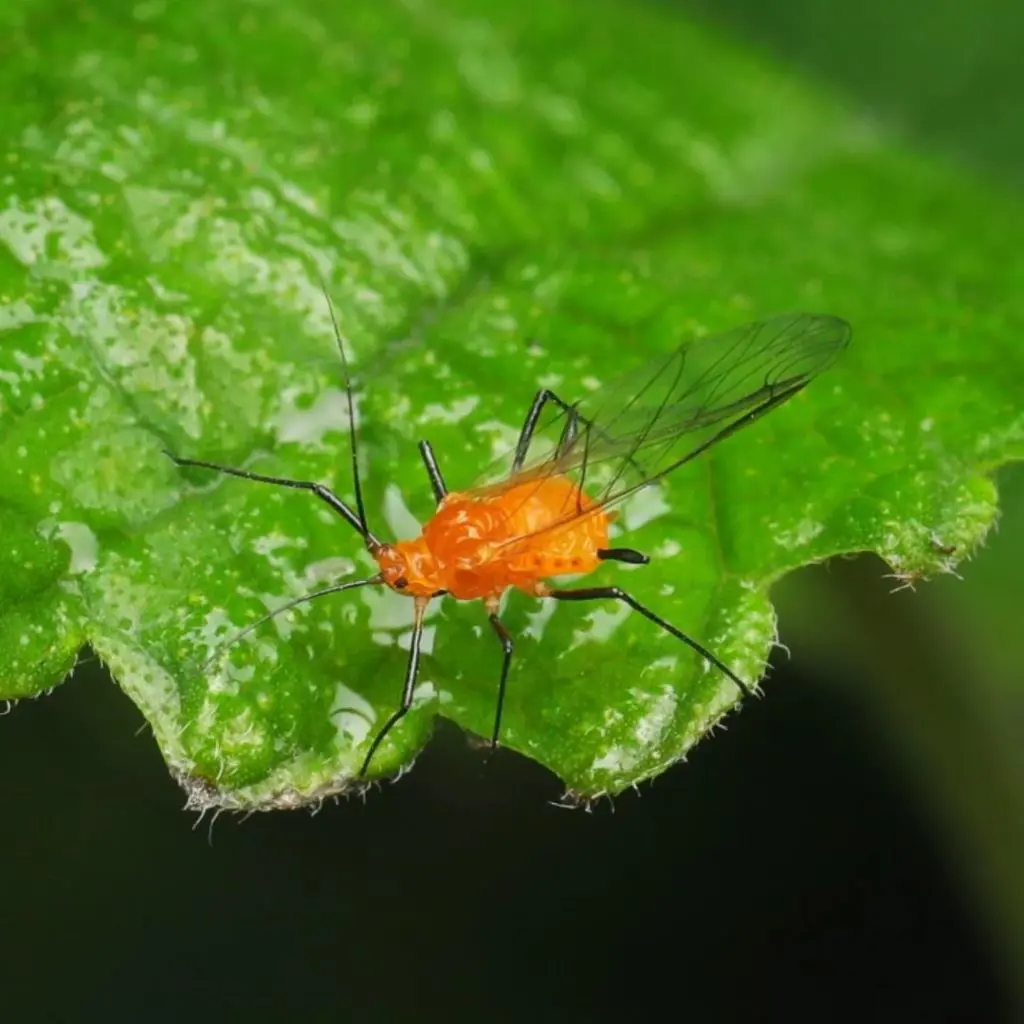
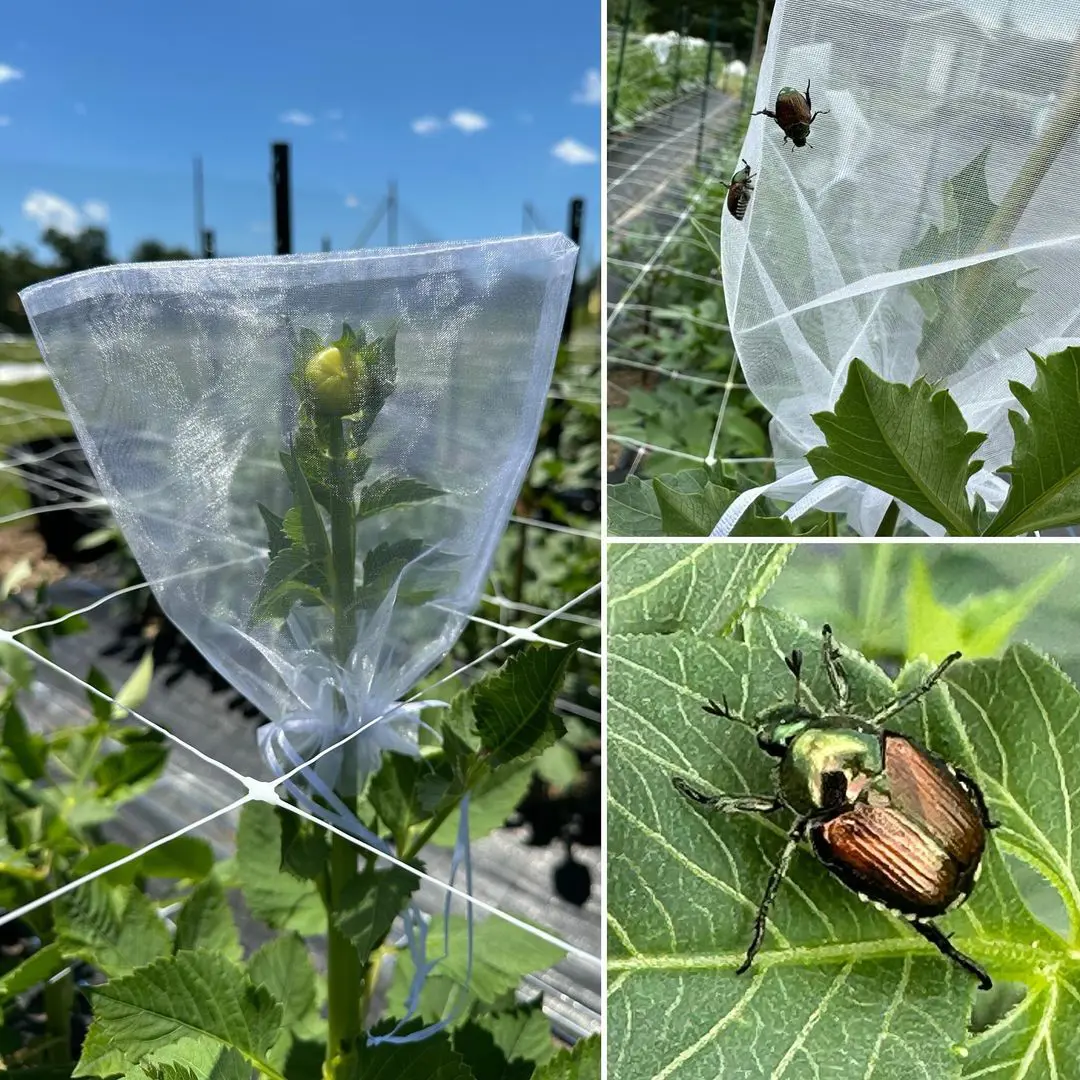
The pests include grubs and chinch bugs, which do a number on the roots of grass to make yellow spots in your lawn. Grubs are the larvae of beetles. They consume grassroots and, therefore, cause it to die in circular patches.
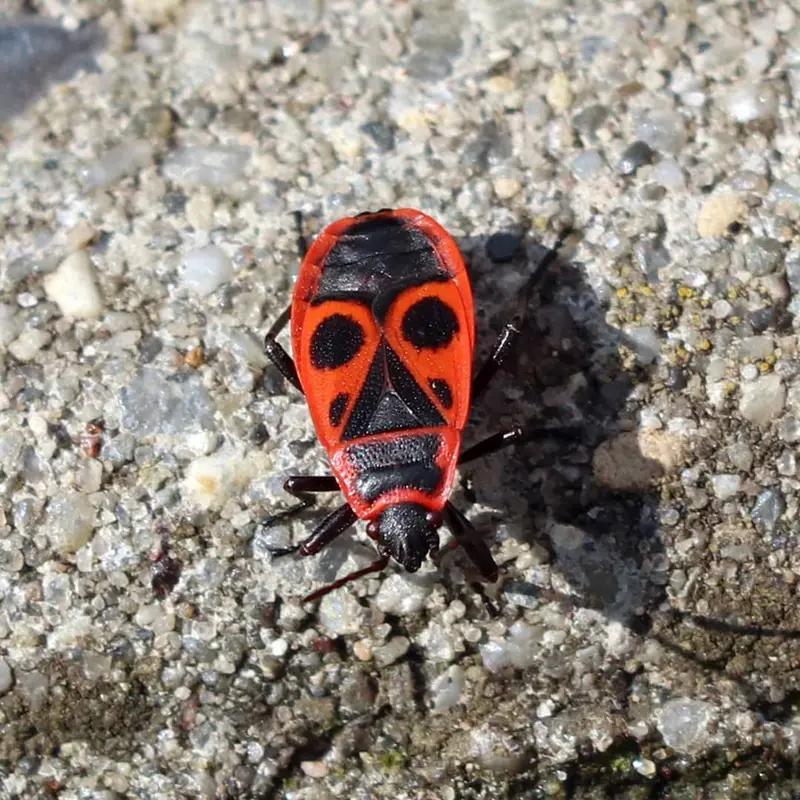
Chinch bugs are grass-sucking insects. They puncture and suck juices from the grass blades, injecting toxins that turn the grass yellow and make it eventually die. These pests spread fast and left unchecked, they could be mowing down your lawn in sections, hence it is very important to detect them in time.
Establishing the problem is the first step in solving an issue with pests. Grubs are easily found by lifting a section of sod and scanning for white C-shaped larvae in the soil just beneath the surface. Look for small, dark insects in the thatch layer to identify the chinch bugs.
Once identified, treat these pests with the right insecticide or other natural control measures. With these steps, keep your lawn safe from pest damage and enable it to look great and stay healthy.
8. Diseases
The principal causes of lawn diseases are fungi, which result in ugly yellow or brown patches of grass. Common fungal diseases include dollar spots with small, sunken patches in a distinctive dollar shape, and brown patches with big irregularly shaped brown patches.
It is usually with some type of characteristic margin, and rust showing orange or yellow pustules on the grass blades. If left without treatment, these diseases will swiftly propagate and set your lawn's health into a tight corner.
Solution
First of all, to control lawn diseases, identify the exact disease that has infected your turf. Apply the appropriate fungicides to treat infection once identified. Second, preventive measures may help in fighting off the danger of fungal diseases.
Avoid overwatering to prevent excess moisture, which may encourage fungal growth. Improve airflow through regular mowing and the removal of clippings, which often act as hosts to fungal spores. Both the treatment and prevention measures can help lessen the effect of fungal infections by keeping your lawn healthy.
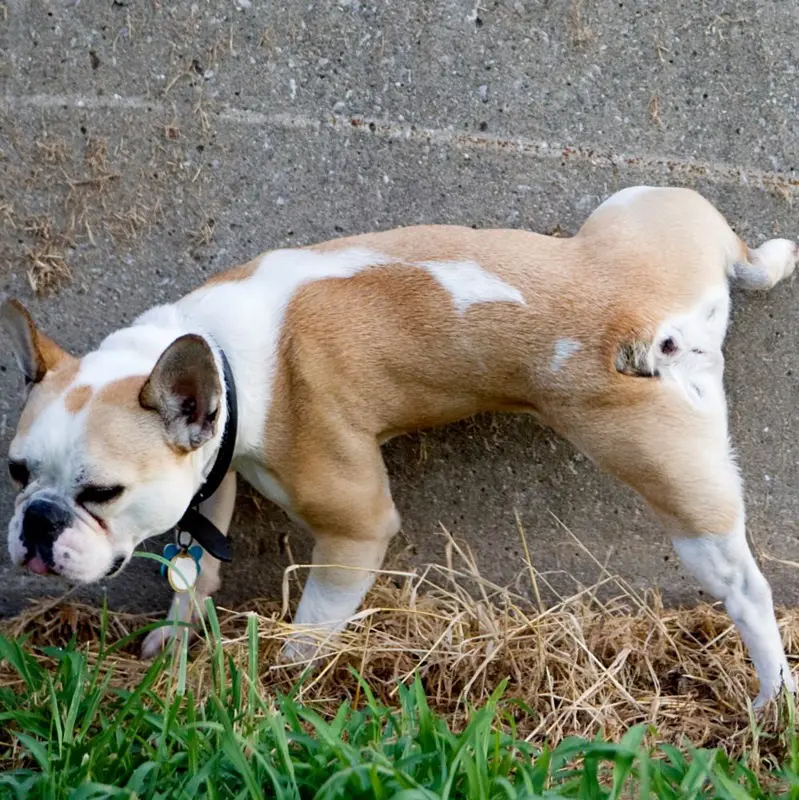
Pet urine is rich in nitrogen, it can burn grass, thereby leaving yellow or brown-colored spots in your lawn. Since the concentration of nitrogen is always high locally, damage is usually seen in the form of ugly patches where the grass has been stressed or killed.
This happens to be a very common problem in areas with frequent urination by pets and can get progressively worse if measures to alleviate the problem are not taken.
Solution
First off, train your pets to urinate only in places that are mulched or covered in gravel. These places will incur less of the after-effects of urine on grass. In times when accidents do happen and your pets urinate on the lawn, the area should be immediately watered to dilute the urine and cause minimum damage to the grass.
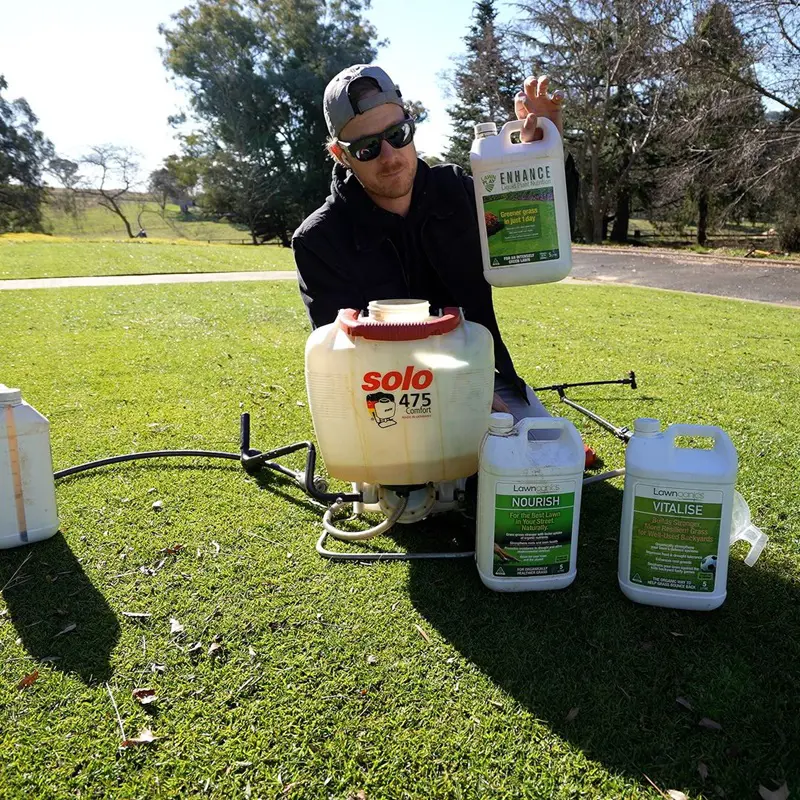
Besides, consider using pet-friendly lawn care products that claim to neutralize urine damage and help the grass recover. These very products are going to help restore the damaged areas and keep your lawn green and healthy by reducing the yellow or brown spots.
10. Shade
Grass growing in shaded areas mostly turns yellow due to a lack of sunlight, which will trigger photosynthesis and overall healthy growth. A lack of adequate light makes it impossible for the grass to produce energy effectively enough to sustain itself, thereby leading to weak and yellow blades.
This is further compounded by the fact that shaded areas are disposed to have more moisture retention and air circulation which are some of the additional factors that can put stress on the grass.
Solution
Taking care of your grass in the shaded areas should start with cutting down trees and shrubs to let some sunlight reach your lawn. That way, the grass will have more light, which could improve its color and growth.
In case of heavy shade, one can grow shade-tolerant grasses such as fine fescues, which are more tolerant to low light conditions and will perform better than other grasses. Also, try to reduce traffic in these areas as it creates physical stress on the grass.
Excessive application of fertilizers, herbicides, or pesticides could lead to chemical burning of the grass, which turns yellow or brown in spots or patches.
Overapplication may result in high doses of chemical concentrations in the soil and, consequently, affect the grassroots and foliage, making them struggle for survival and further growth. Classic damage is some kind of discoloration of grassy squares around the area that spoils the whole look and health of the lawn.
Solution
Always follow the instructions on the products exactly, as these chemicals will cause chemical burns if applied at rates over the recommended levels. If one has any signs of chemical damage characterized by the appearance of yellow or brown patches, one should water the lawn as much as possible.
In worse cases, if the damage is significant, you may have to re-seed or patch those areas to make your lawn healthier and once again beautiful. Such precautions and corrective measures can help mitigate the effect of the overuse of chemicals on a lush and green lawn.
12. Weak Soil Structure
If the soil lacks organic matter or is of poor structure, it will poorly hold water and offer poor availability of nutrients, thus yellowing grass. Soils that lack adequate levels of organic matter are compact and, therefore, highly incapable of holding any moisture and nutrients.
This will be offering very poor conditions required for healthy grass growth. This can make the grass struggle and turn yellow due to its failure to access the requisite resources.
Solution
To combat this, first, raise the level of your soil by adding organic matter such as compost. Mix some compost into the soil to make it nutrient-rich, well-balanced, and moist growing ground with improved structure.
Test your soil to know where improvements need to be made. Doing periodic topdressing with a thin layer of compost will improve the soil's health and fertility further, thus ensuring it contains everything your grass needs to remain green and vigorous.
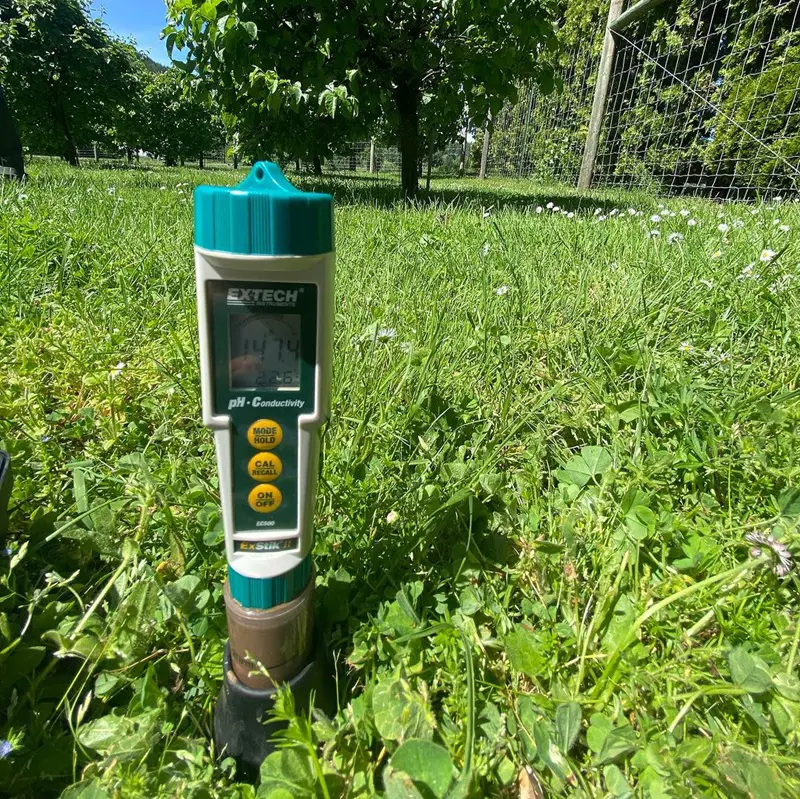
The grass will turn yellow if the soil becomes too acidic or too alkaline. This disturbs the availability of nutrients and may show up as yellow grass. When the pH is too high or too low, the grass loses its ability to uptake vital elements necessary for its proper growth.
This turns greenish-yellow and stresses the discoloration. In acid soils, calcium and magnesium can become unavailable, while in alkaline kinds of soils, the availability of iron and other micronutrients gets hampered.
Solution
First, test the soil to know its current pH. If it is too acidic, apply some lime to raise the pH towards optimal levels or where it is needed. On the other hand, if it is too alkaline, sulfur can be added to bring the pH level down.
Monitoring and correcting the balances as necessary will keep this balanced with the right pH. By properly managing the soil's pH, you are creating an environment for robust, thick grass growth and circumventing a lot of issues that have to do with nutritional deficiencies.
14. High Foot Traffic
High Foot Traffic causes the soil to compact and damages the blades of grass in the process, thereby creating yellow or worn-out spots on your lawn. Compact soil restrains the growth of roots and the movement of water and nutrients, hence making the grass weaken to finally cause unsightly areas.
Further, this frequent trampling will physically damage the blades of the grass to add to the deteriorating process of the lawn.
Solution
You can prevent yellowing simply by reducing the effect of foot traffic by designing paths or laying stepping stones to guide the traffic and save the turf. Reseeding or laying sod in those places where the damage has occurred may renovate the lawn.
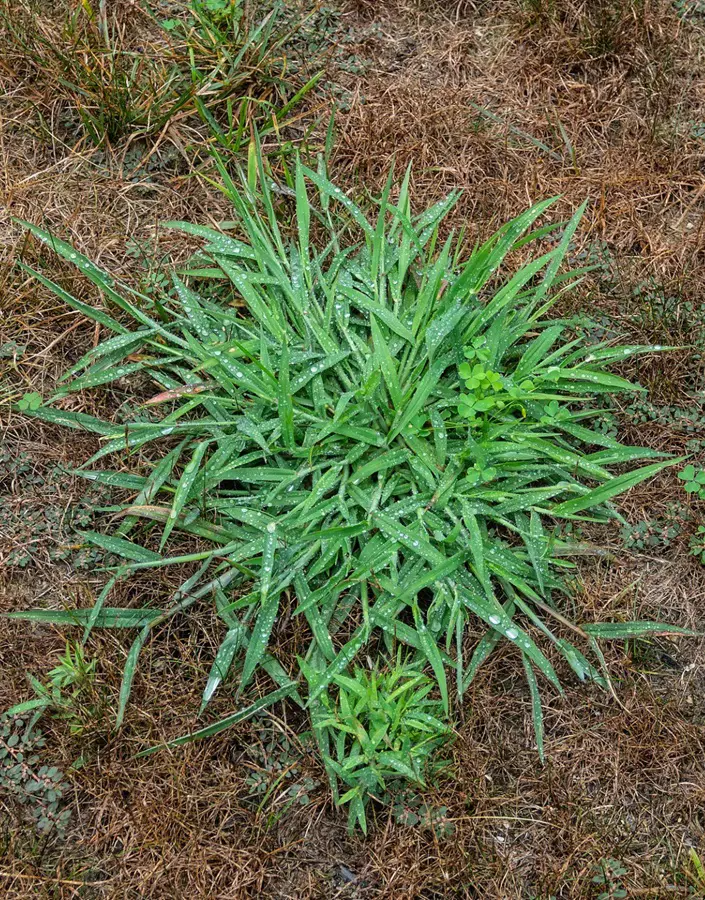
Weeds can have huge impacts on the health of your lawn because they create competition for the grass concerning water, nutrients, and light. This is followed by the weakening and turning of grass to yellow due to weak competition with the invading plants.
Weeds are fast-growing and fast-spreading, an aspect that aggravates the situation and renders bigger areas yellow or unhealthy.
Solution
Keep weeds under control by using appropriate herbicides or by physically removing them from your lawn. Also, maintain a thick and healthy lawn since a good stand of grass alone will act to naturally suppress weed growth by outcompeting them for resources.
Regular mowing, proper fertilization, and enough watering are among the key practices that help you keep your grass robust and relatively more able to repel invasion. These are surefire ways of ensuring that your lawn remains green, lush, and less stressed out by weeds.