The Ginkgo tree, scientifically known as Ginkgo biloba, is one of the oldest tree species on the planet. Often referred to as a living fossil, the Ginkgo tree has been around for over 200 million years, surviving various climatic changes and mass extinctions.
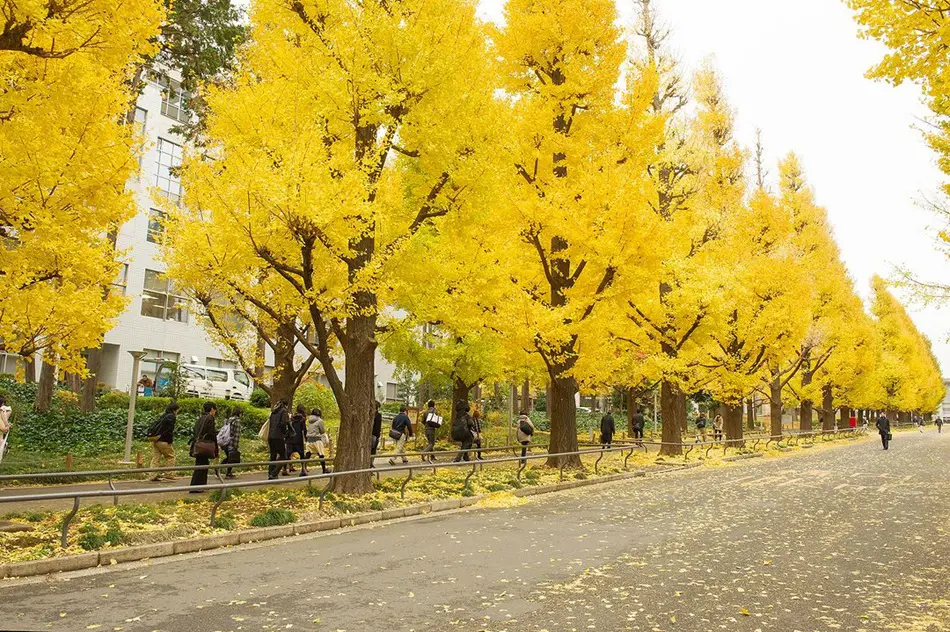
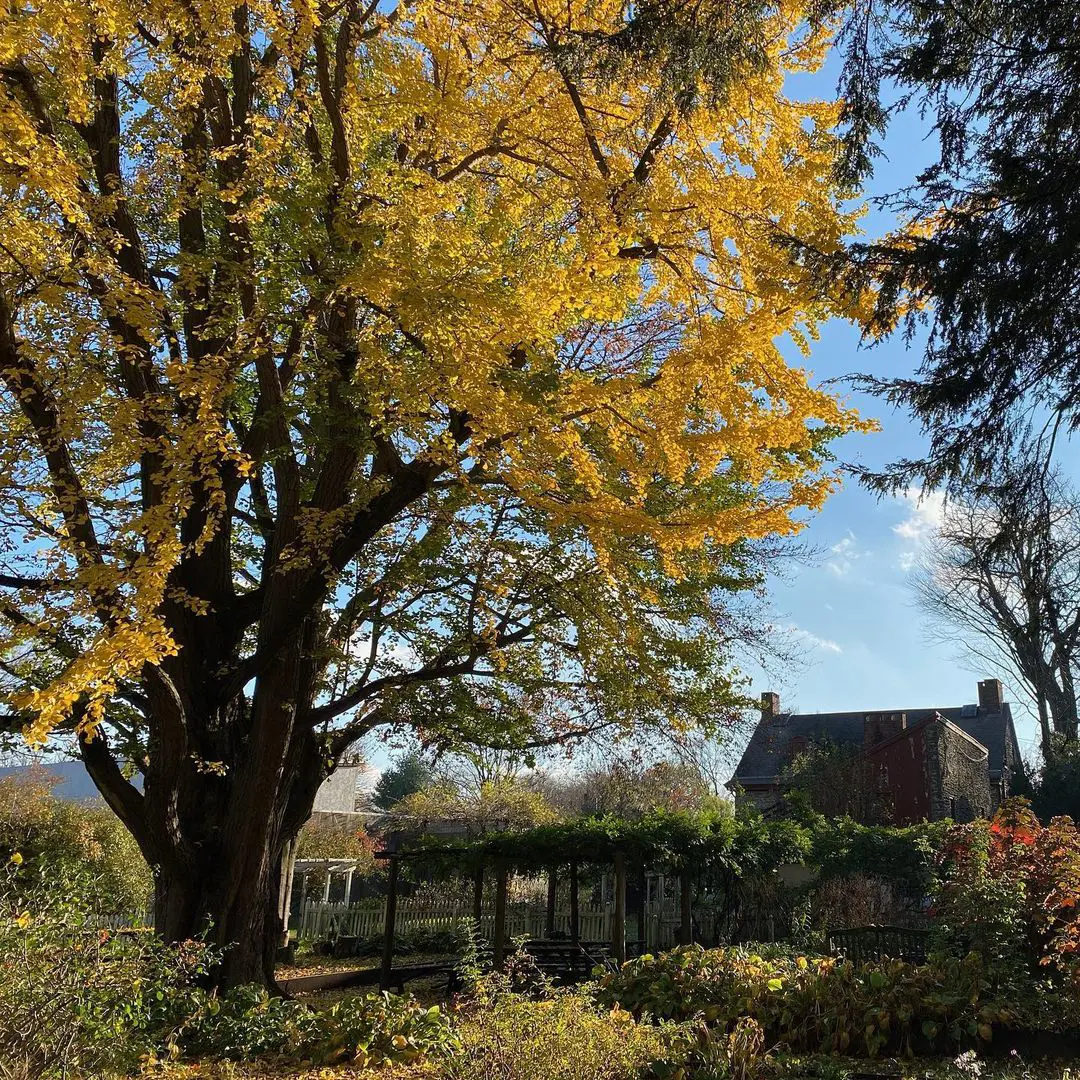
Native to China, the Ginkgo tree is cherished for its distinctive fan-shaped leaves, stunning autumn foliage, and its resilience in urban environments. Here we will discuss the details of how to grow and care for a Ginkgo tree, explore its species, size, and growth rate, and provide comprehensive care tips to ensure your Ginkgo tree thrives.
How to Grow Ginkgo Tree
Selecting the Right Location
Ginkgo trees grow in locations that receive full sun to partial shade. When choosing a planting site, ensure the tree will get at least 4-6 hours of direct sunlight daily. Ginkgo trees are adaptable to various soil types, but they prefer well-draining soil. They can tolerate acidic, alkaline, sandy, or clay soils, making them highly versatile.
Planting the Ginkgo Tree
- Timing: The best time to plant a Ginkgo tree is in early spring or fall. This timing allows the tree to establish its root system before the stress of summer heat or winter cold.
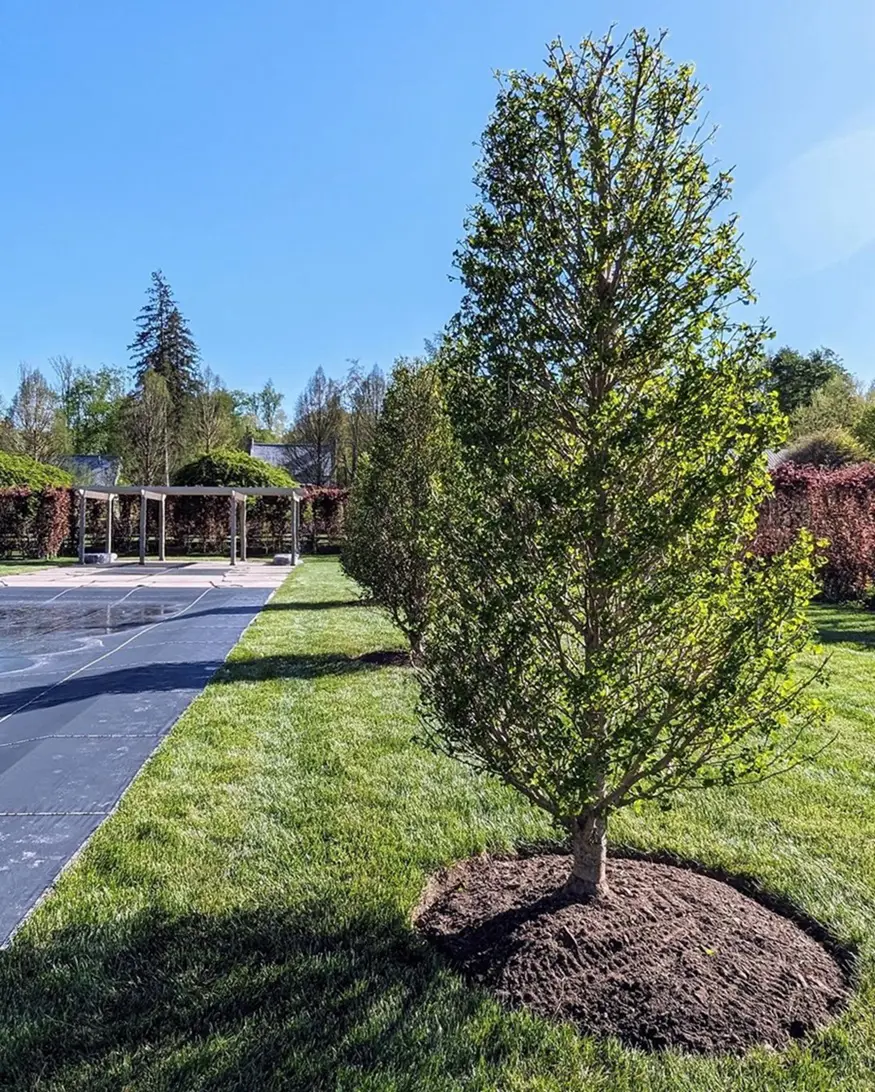
- Preparation: Dig a hole that is twice the width of the root ball and of equal depth. This allows the roots to spread easily. Amend the soil with organic compost if it is particularly poor in quality.
- Planting: Place the Ginkgo tree in the hole, ensuring the top of the root ball is level with the ground surface. Backfill the hole with soil, pressing gently to eliminate air pockets. Water the tree thoroughly after planting.
Watering and Mulching
Ginkgo trees need regular watering, especially during their first few years of growth. Water deeply to encourage deep root development. Once established, Ginkgo trees are quite drought-tolerant. Mulching around the base of the tree helps retain moisture and suppress weeds. Apply a 2-3 inch layer of mulch, keeping it a few inches away from the trunk to prevent rot.
Fertilizing
Ginkgo trees generally do not require frequent fertilization. However, to promote healthy growth, you can apply a balanced, slow-release fertilizer in early spring. Avoid excessive fertilization, as it can lead to weak growth and increased susceptibility to pests and diseases.
Pruning
Pruning Ginkgo trees is not necessary for their health but can be done to shape the tree or remove dead or damaged branches. The best time to prune is in late winter or early spring before new growth begins. Avoid heavy pruning, as it can stress the tree.
Ginkgo Tree Care
Soil Requirements
Ginkgo trees are not particularly picky about soil, but they perform best in well-draining soils. If your soil is heavy clay or tends to retain water, consider amending it with sand or organic matter to improve drainage. Ginkgo trees can tolerate a wide pH range, from slightly acidic to slightly alkaline.
Watering Needs
While Ginkgo trees are drought-tolerant once established, they still need regular watering during their early years. Ensure the soil remains moist but not waterlogged. Overwatering can lead to root rot, so it’s essential to strike a balance. During dry periods, especially in the summer, increase watering frequency.
Fertilization
Ginkgo trees do not require heavy fertilization. An annual application of a balanced fertilizer in early spring can provide necessary nutrients. Organic options like compost or well-rotted manure can also be beneficial. Avoid over-fertilizing, as it can promote excessive, weak growth.
Pest and Disease Control
Ginkgo trees are remarkably resistant to pests and diseases. Their unique biochemical composition makes them unappealing to many common tree pests. However, it’s still important to monitor for any signs of stress or infestation and address them promptly. Common issues may include leaf spots or fungal infections, which can be treated with appropriate fungicides.
Winter Care
Ginkgo trees are hardy and can withstand cold winters once established. Young trees may benefit from some protection, such as a layer of mulch around the base to insulate the roots. In regions with heavy snowfall, protect young trees from snow and ice accumulation on branches.
Propagating Ginkgo Trees
Propagating Ginkgo trees can be a rewarding process, allowing you to grow new trees from seeds, cuttings, or grafting. Each method has its own set of requirements and success rates. Here, we will explore the various propagation techniques for Ginkgo trees to help you choose the best method for your needs.
Seed Propagation
Propagating Ginkgo trees from seeds is a natural and straightforward method. However, it requires patience, as Ginkgo seeds can take several months to germinate and grow into seedlings.
1. Seed Collection: Ginkgo seeds are produced by female trees and are encased in a fleshy, foul-smelling fruit. Collect the seeds in the fall when the fruits are ripe and have fallen from the tree.
2. Seed Cleaning: Remove the fleshy outer coating of the seeds by soaking them in water for a few days and then rubbing off the remaining pulp. Be sure to wear gloves to avoid the smell and potential skin irritation.
3. Stratification: Ginkgo seeds require a period of cold stratification to break dormancy. Place the cleaned seeds in a moist medium, such as sand or peat moss, and store them in a plastic bag in the refrigerator for 8 to 12 weeks.
4. Planting: After stratification, plant the seeds in pots filled with a well-draining potting mix. Sow the seeds about 1 inch deep and water them thoroughly. Keep the pots in a warm, sunny location and maintain consistent moisture.
5. Germination: Germination can take several weeks to a few months. Once the seedlings have developed a few sets of true leaves, they can be transplanted into larger pots or directly into the ground.
Cutting Propagation
Propagation from cuttings is another viable method for Ginkgo trees. This method involves taking a piece of stem from an existing tree and encouraging it to root.
1. Selecting Cuttings: Take semi-hardwood cuttings from the current season’s growth in late summer. The cuttings should be about 6 to 8 inches long and free from disease or damage.
2. Preparing Cuttings: Remove the leaves from the lower half of the cutting, leaving a few leaves at the top. Dip the cut end in rooting hormone to encourage root development.
3. Planting Cuttings: Insert the cuttings into pots filled with a well-draining rooting medium, such as a mix of sand and peat moss. Place the pots in a humid environment, such as a greenhouse or under a plastic cover, to retain moisture.
4. Rooting: Keep the cuttings in a warm, bright location but out of direct sunlight. Water the cuttings regularly to keep the rooting medium moist. Roots should begin to develop within a few weeks to a couple of months.
5. Transplanting: Once the cuttings have established a healthy root system, they can be transplanted into larger pots or directly into the garden.
Grafting
Grafting is a more advanced method of propagation used to reproduce specific Ginkgo cultivars. This method involves joining a scion (a piece of a desired plant) to a rootstock (a compatible tree).
1. Selecting Scion and Rootstock: Choose a healthy scion from the desired Ginkgo cultivar and a compatible rootstock. The rootstock should be a young Ginkgo tree with a diameter similar to that of the scion.
2. Preparing the Graft: Make a clean, diagonal cut on both the scion and the rootstock. The cuts should match closely to ensure a good union. You can use various grafting techniques such as whip-and-tongue, cleft, or bark grafting.
3. Joining the Graft: Align the cut surfaces of the scion and rootstock and bind them together using grafting tape or rubber bands. Ensure that the cambium layers of both pieces are in contact to promote successful fusion.
4. Care for the Graft: Place the grafted plant in a sheltered location with indirect sunlight. Keep the soil moist but not waterlogged. Over time, the graft union should heal and the scion will start to grow.
5. Transplanting: Once the grafted tree shows signs of healthy growth and the union has healed, it can be transplanted into the garden or a larger pot.
Air Layering
Air layering is another propagation technique, ideal for producing larger, more mature trees. This method involves inducing root formation on a stem while it is still attached to the parent plant.
1. Selecting a Branch: Choose a healthy, mature branch that is about the thickness of a pencil. Make a cut around the branch, about 12 inches from the tip, and remove a ring of bark about 1 inch wide.
2. Applying Rooting Hormone: Dust the exposed area with rooting hormone to encourage root development.
3. Wrapping: Wrap the exposed area with moist sphagnum moss and cover it with plastic wrap to retain moisture. Secure both ends of the plastic wrap with tape or string.
4. Monitoring: Check the moss periodically to ensure it remains moist. Roots should start to develop within a few months.
5. Severing and Planting: Once a healthy root system has formed, cut the branch below the rooted area and plant it in a pot or directly in the ground.
Propagating Ginkgo trees can be accomplished through various methods, each with its own advantages and challenges. Whether you choose seed propagation, cuttings, grafting, or air layering, understanding the specific requirements and steps involved will increase your chances of success. With patience and proper care, you can enjoy the process of growing new Ginkgo trees and contribute to the preservation of this ancient and remarkable species.
Ginkgo Tree Species
Ginkgo biloba is the only remaining species in the Ginkgoaceae family, often referred to as a "living fossil." While there are no different species within the Ginkgo genus, several cultivars have been developed to enhance certain traits such as growth habit, leaf shape, and autumn color.
Common Cultivars
- Autumn Gold: Known for its uniform shape and brilliant golden-yellow fall color.
- Princeton Sentry: A columnar variety, ideal for narrow spaces and urban environments.
- Fastigiata: Similar to Princeton Sentry, this cultivar has an upright, columnar form.
- Jade Butterflies: A smaller variety with unique, butterfly-shaped leaves.
- Mariken: A dwarf cultivar, perfect for small gardens or container planting.
Ginkgo Tree Size
Ginkgo trees are medium to large deciduous trees, capable of reaching significant heights. Their size can vary depending on the specific cultivar and growing conditions.
Height and Spread
- Mature Height: Typically, Ginkgo trees can grow between 50 to 80 feet tall. Some exceptional specimens have been known to reach over 100 feet.
- Spread: The spread of a Ginkgo tree is usually 30 to 40 feet, forming a broad, pyramidal crown.
Growth Habit
Ginkgo trees have a distinctive growth habit. Young trees tend to be more upright and slender, gradually developing a broader, spreading canopy as they mature. This growth pattern makes them suitable for a variety of landscape uses, from street trees to large garden specimens.
Ginkgo Biloba Growth Rate
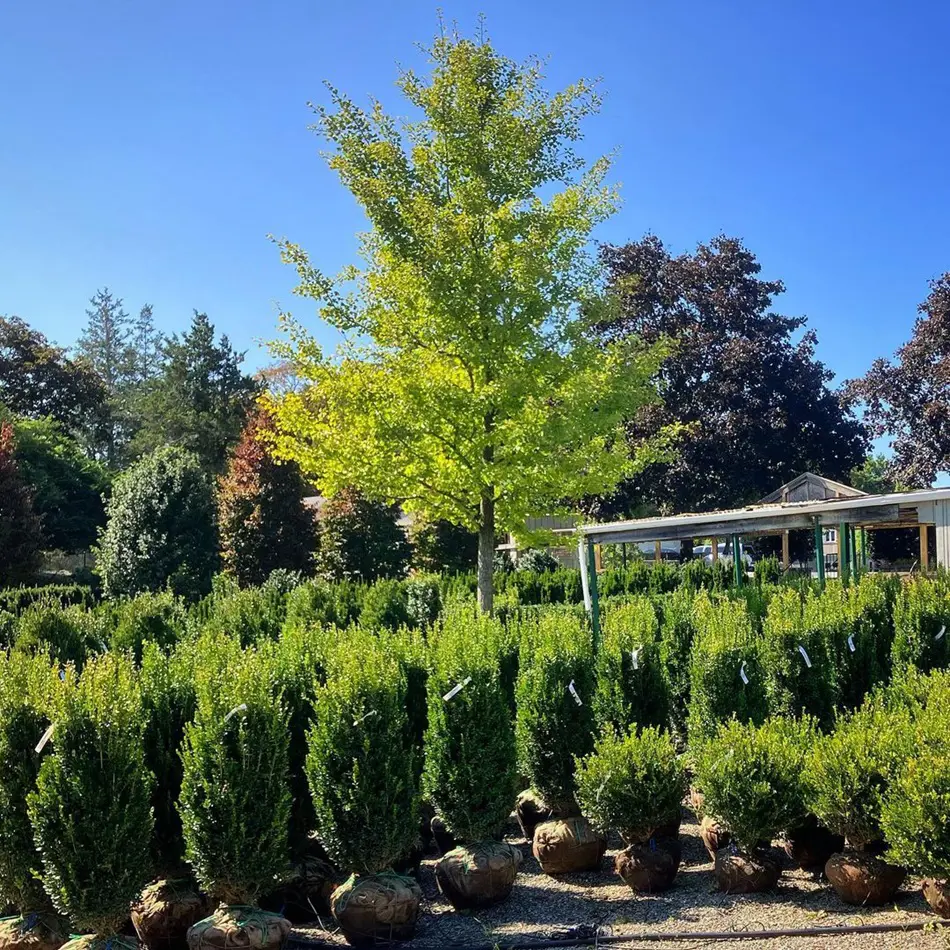
The growth rate of Ginkgo biloba can be described as moderate. Understanding the growth rate is important for planning the tree’s placement and anticipating its impact on the landscape.
Annual Growth
On average, Ginkgo trees grow about 12 to 24 inches per year. This rate can vary based on factors such as soil quality, watering, climate, and overall care. In optimal conditions, some Ginkgo trees may exhibit slightly faster growth.
Factors Influencing Growth Rate
- Soil Quality: Well-drained, nutrient-rich soil can enhance growth.
- Watering: Consistent, deep watering promotes healthy root development.
- Climate: Ginkgo trees thrive in temperate climates with distinct seasons.
- Care: Proper fertilization, mulching, and protection from pests and diseases contribute to a healthy growth rate.
- Maturity: Ginkgo trees are long-lived and can take several decades to reach full maturity.
In Conclusion, growing and caring for a Ginkgo tree can be a rewarding experience, offering a glimpse into the ancient past while providing contemporary beauty and shade to your landscape. With their unique fan-shaped leaves, stunning autumn colors, and resilience to various environmental stresses, Ginkgo trees are an excellent choice for both novice and experienced gardeners.