Dealing with a dead mouse in your house is not only unpleasant but also raises health concerns. The smell of the decaying rodent tends to diffuse everywhere in your living space and could persist way past the time that the offending mouse has been removed.
Knowing how to effectively pick up and eliminate the smell may once again bring comfort and hygiene back to home. The blog explains ways to eliminate the smell of a dead mouse, and prevent it from happening in the future.
1. Locate and Remove the Dead Mouse
First of all, one needs to find the dead body of the mouse and dispose of it. Mice tend to die in places that are very hard to locate, like inside the walls, under the appliances, and in attics. You can explore these areas with the help of a flashlight and a pair of gloves.
If the dead mouse lies in some accessible area, then remove it with the help of tongs or a shovel. Put the carcass in a plastic bag and, after handling, wash your hands with soap thoroughly. Proper disposal eliminates the main source of the smell.
Effective Ways to Locate and Remove a Dead Mouse
Identifying and removing a dead mouse is crucial to eliminating the foul smell and ensuring a healthy home environment. Begin your search in places where mice tend to hide, such as under appliances, inside the walls, and in attics.
Wear a flashlight in dark or hard-to-reach areas. Wear gloves and a mask to ensure your safety. Once located, carefully remove the carcass and throw it in a tightly sealed bag to prevent further contamination. The area should be cleaned with thorough care to remove the remnants or bacteria.
2. Ventilate the Area
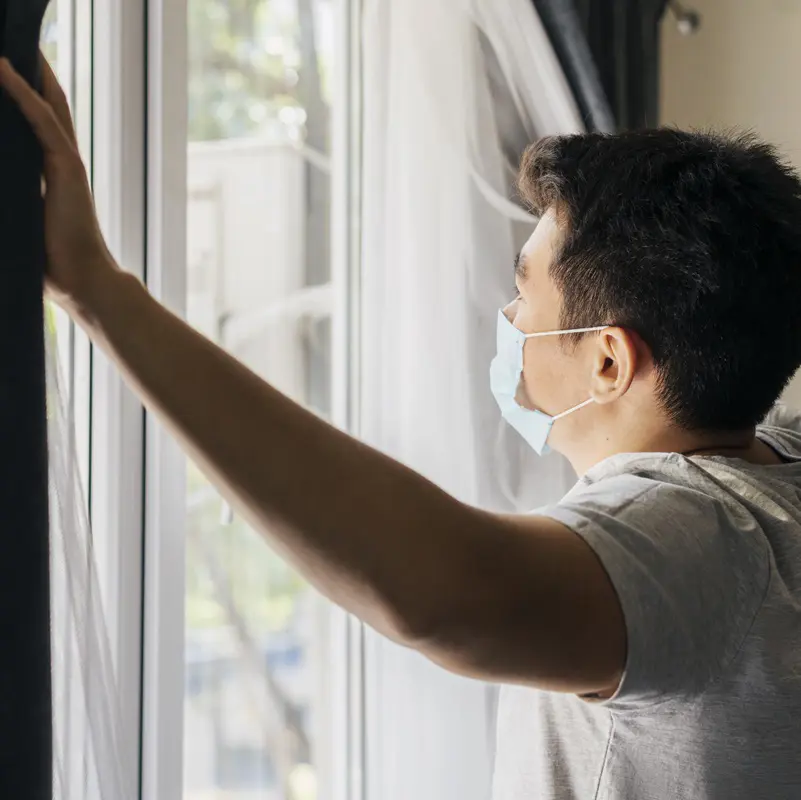
After removing the dead mouse, open windows and doors to provide maximum ventilation to let these odors go away. If the location allows, open windows and doors to let a cross-breeze of fresh air into the space. Also, use fans if possible.
Good ventilation does not only help to take the smell away but also creates an air-drying effect that can reduce the residual moisture which might contribute to the bad, musty odor.
Ventilation of the space is a very potent way of spreading and clearing out bad odors. Open windows and doors that permit cross-breezes to blow through and sweep the smell outside. Add some fans to further the circulation of air and physically push the odor out of the space.
If it is a humid climate, a dehumidifier would reduce moisture, which usually intensifies odors. Proper ventilation does more than just clear the air; its benefits are reflected in the rate at which this whole process of odor removal is completed.
3. Clean the Affected Area
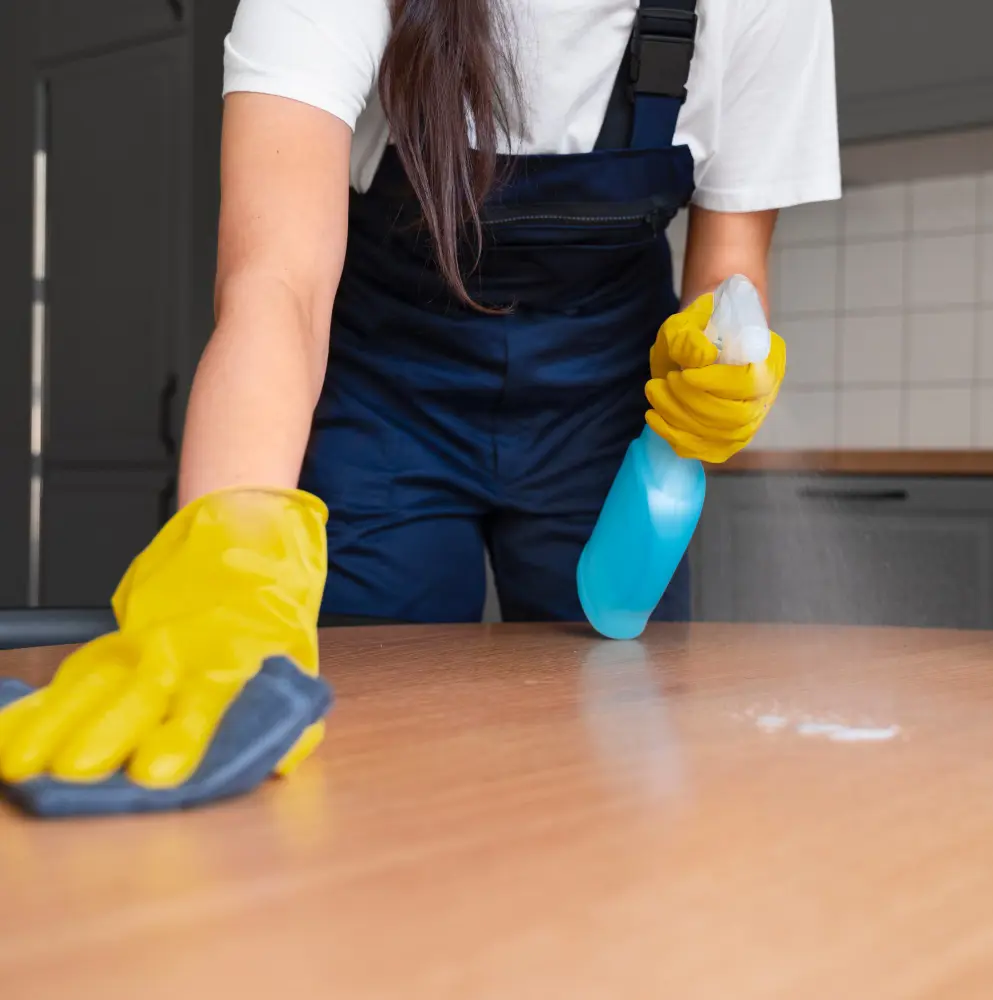
After airing the room, clean the area in which the dead mouse was located. Remove biological residues that may cause the odor by cleaning surfaces with a mixture of water and detergent.
In particular, pay attention to areas where the mouse would have been likely to leave droppings or urine, as these will cause foul odors too. So clean it with a bleach solution or other disinfectant to kill the bacteria or any pathogen that is hanging around.
Deep Cleansing Techniques in Removing Odor Residue
The area where the dead mouse was found must be cleaned to eliminate the lingering odor. Rinse the surfaces with a disinfectant or water with mild soap and scrub them very well. This is particularly on the places that may have had contact with the mouse.
It removes residues and bacteria. Enzyme cleaners can be used on porous surfaces, breaking down any organic matter that could be added to this smell.
4. Use Baking Soda
Baking soda is an organic deodorizer that works, and it goes a long way in nullifying the remnant odors. Apply a generous amount of baking soda over the infected area and have it sit for several hours or overnight.
The odor is soiled and neutralized by the baking soda, thus freshening the space. Vacuum the baking soda thereafter and see if the odor improves.
How Baking Soda Magically Absorbs odors
Baking soda is a known odor absorber, so it can help not only remove the smell of the dead mouse but also help eliminate it in the first place. Apply liberal amounts of baking soda over the area. Let it sit for a few hours or overnight.
The baking soda will absorb odor from the surfaces and air. Afterward, vacuum up the baking soda and dispose of it. Mix baking soda with lemon juice or some other deodorizers for heavier odors.
5. Place Activated Charcoal
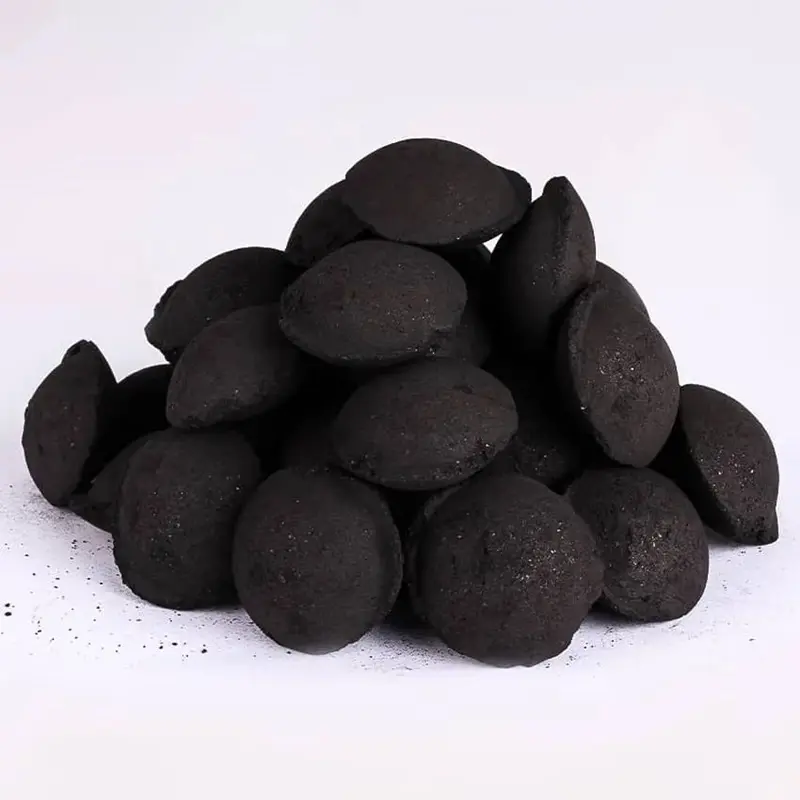
Another powerful smell absorber is activated charcoal. Place containers of activated charcoal over the area where the smell is the strongest. The reason it works is by having the odor molecules trapped inside the structure, hence reducing the smell over some time.
This is especially helpful for a continuous odor problem because it will continue to absorb and neutralize the smells that linger after the more immediate problem has been corrected.
It has a very good ability to absorb and neutralize the most foul odors. Line bowls or containers with activated charcoal around the affected area to get rid of the smell. The real action of activated charcoal is that it holds odor molecules, hence purifying air.
Replace the charcoal every few days or when it becomes saturated with odor. This method is especially useful when it comes to places where the smell lingers on despite other cleaning efforts.
6. Try Odor Eliminating Sprays
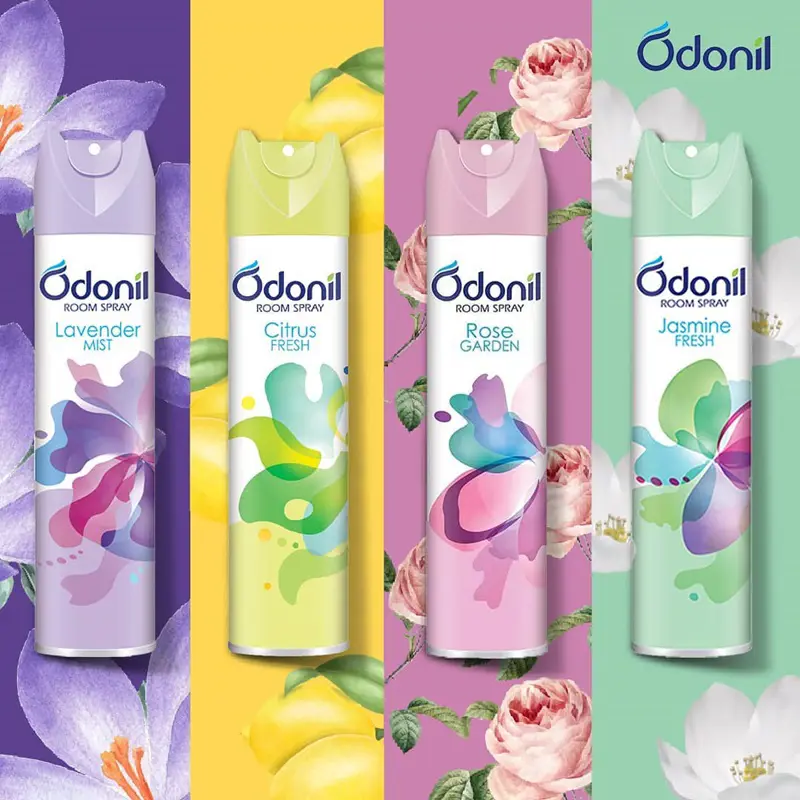
The odor eliminator sprays can work well in masking and removing the smell of a dead mouse. Try sprays that are specifically designed to eliminate animal odors, as this tends to contain enzymes or some other chemical that target and break down the source of the odor.
Apply evenly in the afflicted area following the instructions on the product. These sprays offer immediate improvement in odor as you work on more long-term solutions.
Effective Selection and Use of Odor Removing Sprays
Odor-eliminating sprays are designed either to mask or eliminate odors. Look for a product specifically formulated for heavy smells. Always follow the label instructions for the greatest results, applying the spray evenly in the affected area and letting it work according to suggested times.
Watch out for possible fragrances that may be heavy and not pleasant to everyone. For best results, combine this with proper ventilation and cleaning.
7. Use Enzyme Cleaners
Enzyme cleaners are powerful for the breakdown of organic material, such as the remains of a dead mouse and the accompanying feces. Such cleaners contain an enzyme nervous tinge that digests proteins and other compounds that cause the smell.
Wipe it off later after allowing the enzymes-breaking up for the recommended residence time. Wash off with water afterward. This way, it shall help in killing the smell and also the biological residue, if any.
Source Breakdown of Odors by Enzyme Cleaners
The enzyme cleaners have a high ability to break down the source of the odors, usually organic matter. Such cleaners contain enzymes that break down proteins in the decaying mouse, hence eliminating the source of the foul smell.
Apply the enzyme cleaner to the area and let it sit for the recommended amount of time to allow the enzymes to work. Then, clean the place. Since enzyme cleaners work better on porous surfaces, they can make it more convenient for you not to let the odor return.
Vinegar is both a natural and a cheap solution to help combat smells that may linger. Take some white vinegar and mix equal parts with water into a spray bottle. Spray the solution on the stained areas and let it sit for some 15-20 minutes.
The acetic acid in the vinegar helps neutralize odors. Later, use a clean cloth to clean the area. What remains is the vinegar smell, which will then evaporate, carrying with it the smell of the mouse.
9. Place Odor Absorbing Gel
Odor-absorbing gels absorb and neutralize odors in a closed environment. Containers of these gels should be kept wherever the smell is still a bit problematic. Most of these gels include activated charcoal or any other odorous material that captures odor molecules.
They are helpful in continuous odor control since they offer long-lasting relief from unwanted odor.
Odor Absorbing Gels for Long-Last
Odor-absorbing gels are specifically designed to control and deodorize smells over a while. Place these gels on an affected area, and over some time, they can absorb and neutralize most odors.
The gels never require frequent replacement or active maintenance. Select a gel purposely designed for strong odors and apply it according to package instructions. Make sure the gel is placed where it will be effective without being disturbed.
10. Use Odor Neutralizing Candles
Odor-neutralizing candles will further improve air quality and mask any lingering unpleasant odors. Get those specifically formulated to neutralize, rather than mask, odors. Light the candles in the smelly area and let them burn as per the manufacturer's instructions.
As the candle burns it releases compounds that help in neutralizing and reducing the intensity of the odor.
How Odor Neutralizing Candles Can Help Mask Unpleasant Smells
Such odor-neutralizing candles help disguise and minimize foul smells. Most times, the scents incorporated into these types of candles serve to eliminate the odor, and not just to mask the odors. Odor-neutralizing candles are a good temporary fix while you attend to the source of the smell.
11. Employ Essential Oils
Some of the common essential oils that can help mask and even neutralize odors include lavender, eucalyptus, and citrus. Add a few drops of your favorite essential oil into a diffuser or add it to water in a spray bottle, spray around the area, or diffuse it into the air.
Essential oils do not simply mask the smell but provide an excellent fragrance to a space.
How Essential Oils Mask and Neutralize Odors
Essential oils may assist in masking and neutralizing odors. A few drops of essential oil added to a diffuser will diffuse the fragrance around the room. Mixing essential oils with water in a spray bottle can be used to mist an area of interest.
This not only provides odor control but also creates a pleasant aroma. Be aware of any allergies or sensitivities to the essential oils within your household.
12. Consider Ozone Generators
Ozone generators are very effective under the worst of odor conditions, such as dead animals. They function because their output of ozone reacts with the molecules that cause odors and destroy them.
Put the ozone generator into the area and operate it according to the manufacturer's directions. Make sure no one is in the room while the generator is working, as ozone has harmful effects on humans and pets. Ventilate the area well after the end of the treatment before returning.
Eliminate Severe Odors with Ozone Generators
Ozone generators can help eliminate strong, persistent odors because they function based on producing ozone that reacts with odor molecules to neutralize them. Instructions provided by the manufacturer when using an ozone generator need to be followed closely, and the area must be well-ventilated.
The exposure to ozone shall not be for a longer period since it will pose a health hazard. It should be used as the last option after trying out all other methods.
13. Use Commercial Deodorizers
Commercial deodorizers have been maximized to handle strong-smelling odors and would be very effective for a very strong smell. Look for packages specific to animal odors.
Follow product instructions, either spraying or placing the deodorizer in the affected area. These types of products often work fast and effectively but be sure to choose those safe for indoor use.
Commercial Deodorizers for Removing On-the-Spot Odors
Commercial deodorizers are manufactured to meet stubborn, sticky, and deep odors. This kind of product usually employs advanced technology in the elimination of odors by way of neutralization.
Always choose the product specific to the smell you encounter. Follow application instructions for effectiveness and safety. If the other ways to eliminate the smell have been ineffective, commercial deodorizers come to the rescue.
14. Remove Contaminated Materials
If, after trying all these remediation efforts, the smell does not go away, it could be due to the contamination of the smell in some materials such as insulation, drywalls, or even carpets. Inspect these materials keenly and do away with those grossly contaminated.
Replace or clean them properly. This is very important because there is a high potential for these materials to retain odors and keep causing issues with the smell within the room even long afterward.
When and How to Replace Odor-Absorbing Materials
If the smell has reached or saturated carpets, upholstery, or other materials, it is time to replace them. Check the degree of pollution or contamination to determine whether the items should be cleaned or replaced.
For more heavily soiled or pungent materials, replacement may work better. Where necessary, seek professional advice to ensure proper removal of contaminated material and replacement.
15. Seek Professional Help
If you have tried all the above options and the smell persists, then perhaps it is time to seek professional help. Professional cleaners or pest control experts can offer specialized services in odor elimination, and access to better tools of the trade may be available to them.
They could assess the situation, eliminate the residue source of the smell, and provide further treatments that ensure perfect cleaning and deodorization of your space.
Knowing When to Call in a Pro for Those Tough Odors
If, despite all the best efforts, the smell persists unabated, it might be time to call in professional help. Some specialized cleaning services, mostly those dealing with pest control, can offer advanced solutions for the elimination of odors.
In this case, look out for firms that have good reputations, along with reviews from clients about previous work done. Professionals will help deal with the root cause and offer permanent solutions to your problem.
What Does a Dead Mouse Smell Like?
A dead mouse is characterized by the mildest or foulest, nasty, and decaying smell. This smell results from the decomposition process undergone by the mouse's body, in which microorganisms break down the organic matter therein contained.
In this process of tissue decomposition, several gases and compounds, notably sulfur and putrescine, are released from the tissue structure that gives way to this foul, offending odor. This odor may diffuse into several materials and places within your home and be particular about eliminating it.
How to Locate a Dead Mouse in Your House
The process of finding a dead mouse is quite methodical and involves some patience. First, try looking in general places where animals usually tend to hide: behind appliances, inside walls, and in attics and basements.
Take a flashlight to throw some light on dark or unreachable places to help you locate the cadaver. Keep your ears open for very small sounds that could give away the location of the mouse. Following the strongest smell may also bring you to the source.
How Long Does Dead Mouse Smell Typically Last?
A dead mouse smell can persist any length of time depending on several factors. Other factors to consider would be the size of the mouse in that larger mice take longer to decompose and therefore would cause the smell to stick around.
Temperature can cause differences as it causes decomposition rates: warm temperatures accelerate decomposition and odor release, while cooler temperatures slow this down. Well-ventilated areas tend to have shorter instances of odor duration due to the faster dissipation of smell.