Coleus plants are a fantastic choice for any garden or home because they are easy to care for and come in a wide variety of vibrant colors and patterns. Additionally, they are relatively low-maintenance, making them perfect for busy people or those new to gardening.
Coleus plants grow well with a variety of other plants, but they especially thrive alongside impatiens. Both plants enjoy similar growing conditions, such as partial shade and moist soil, making them excellent companions in the garden.
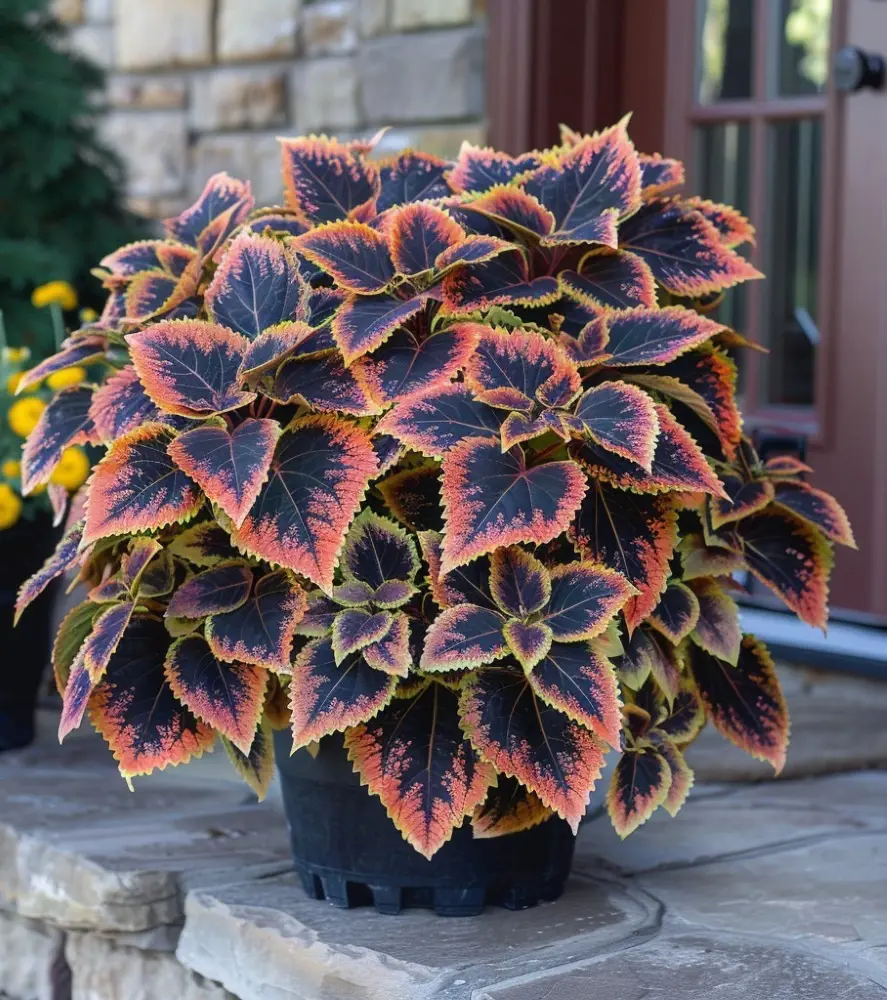
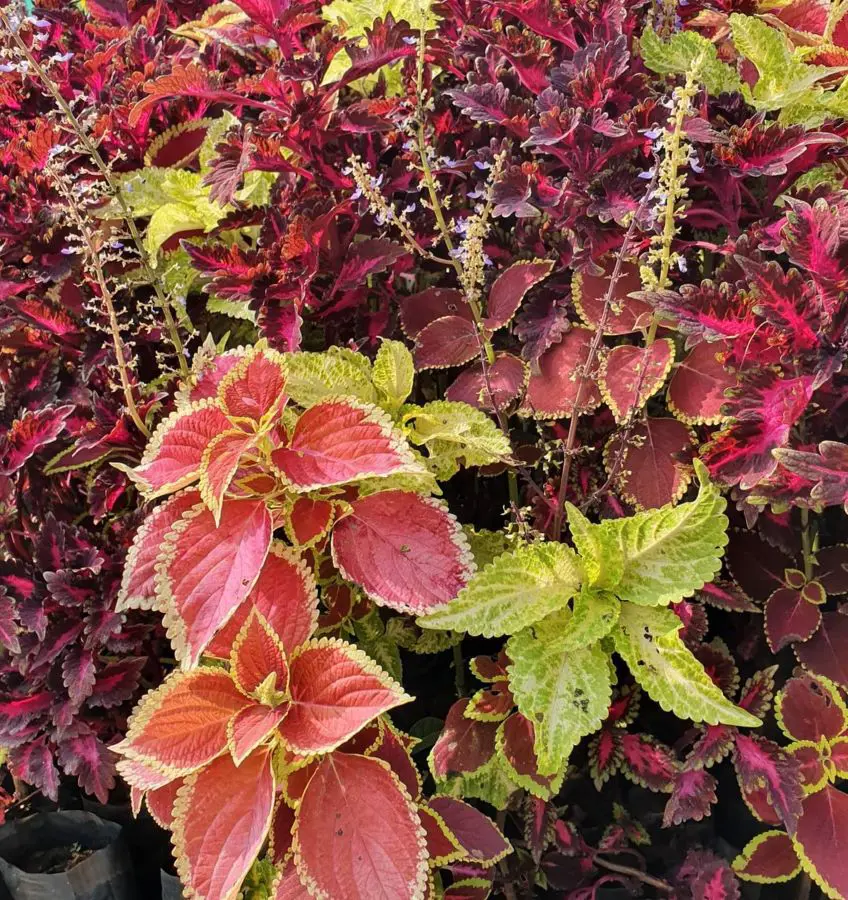
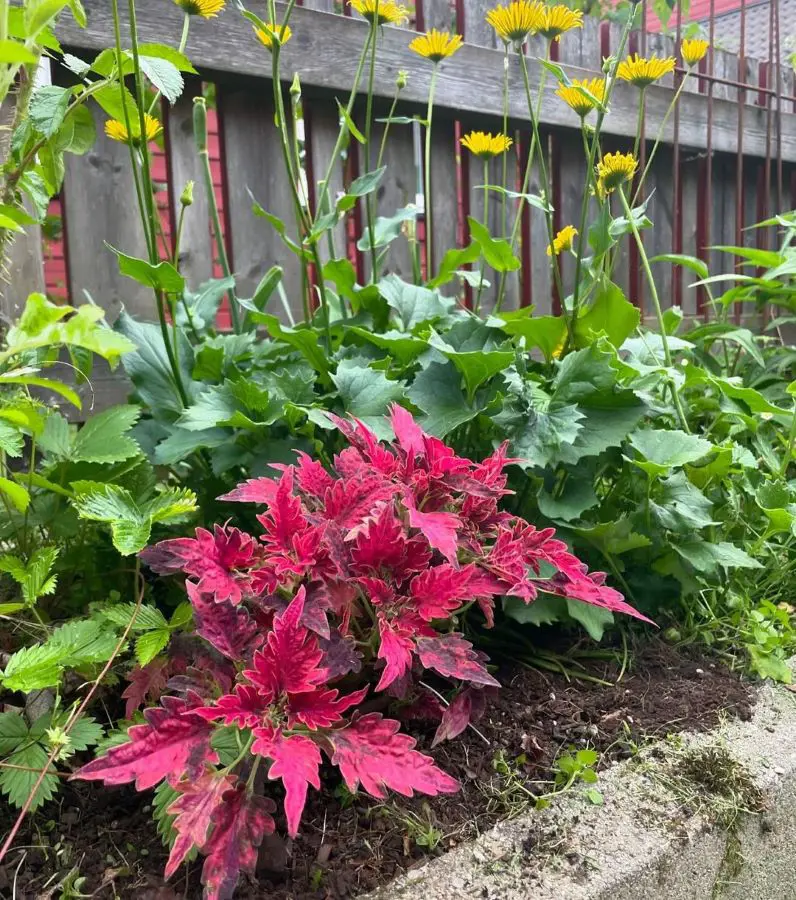
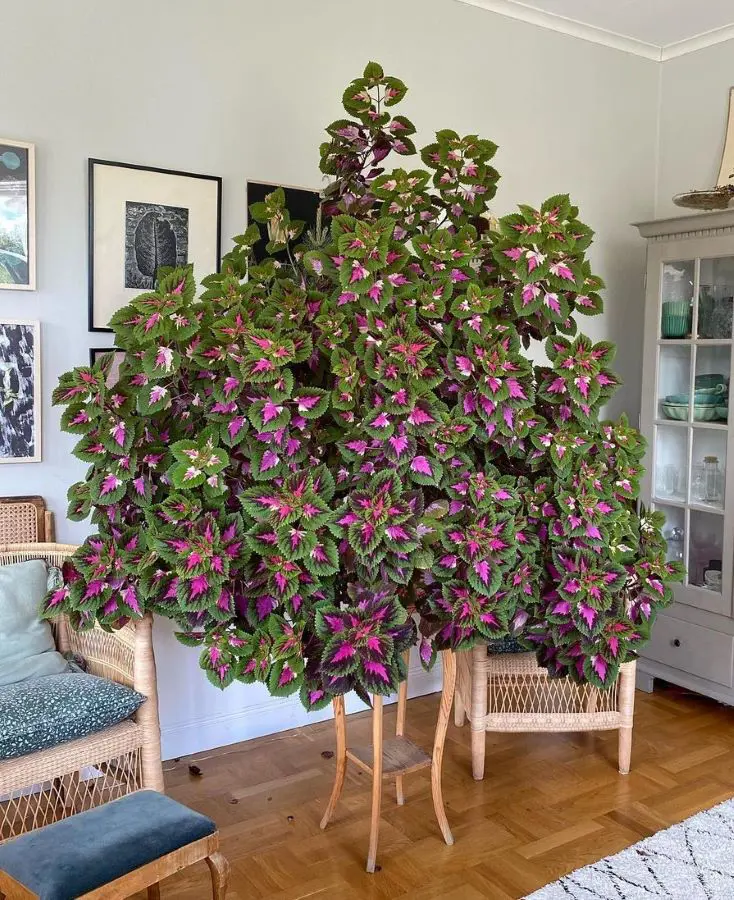
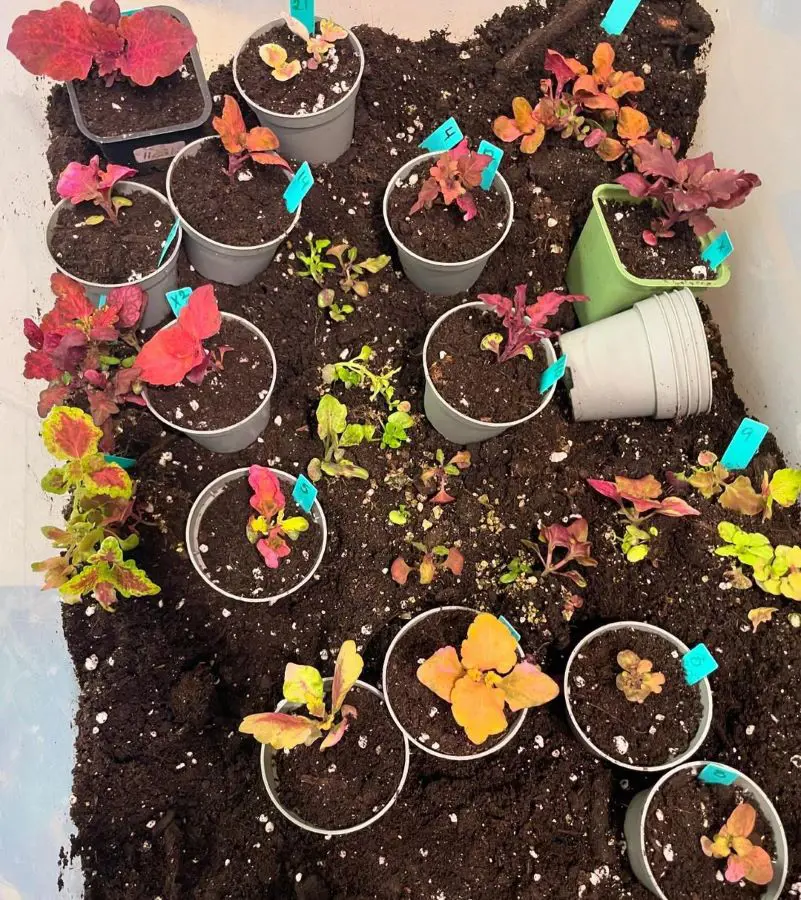
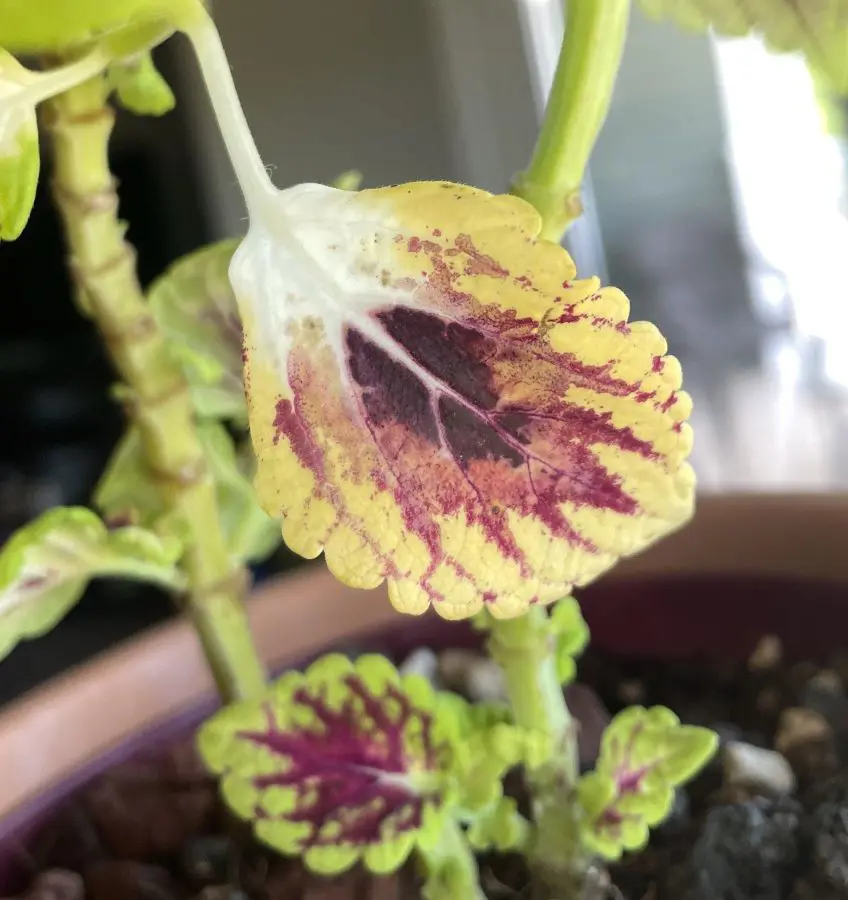
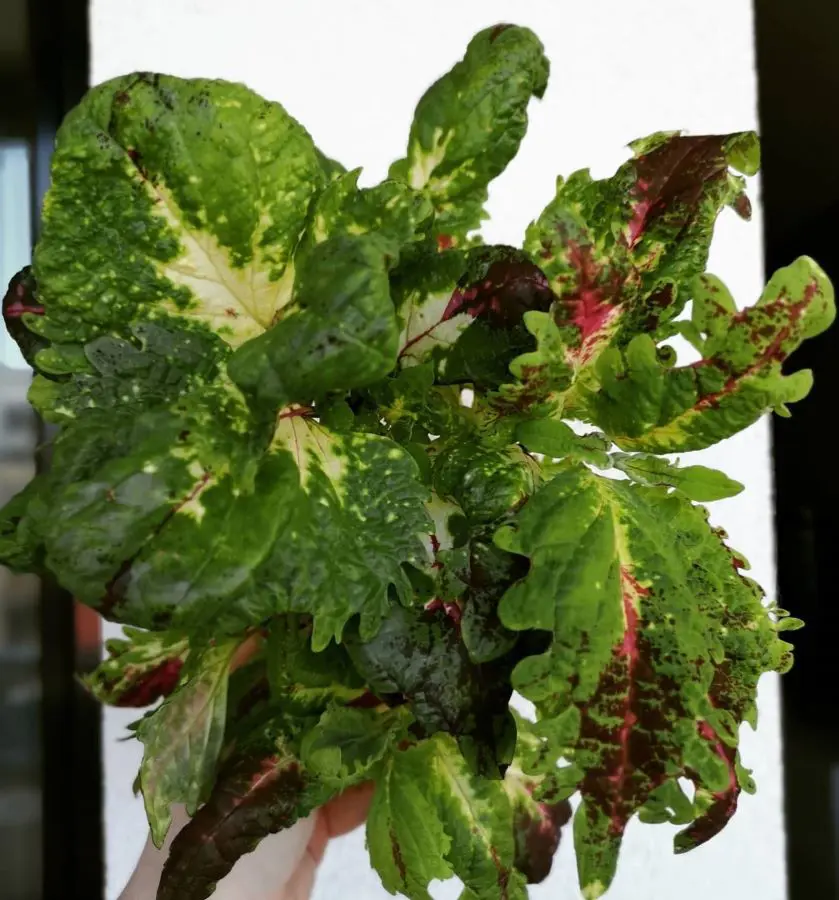
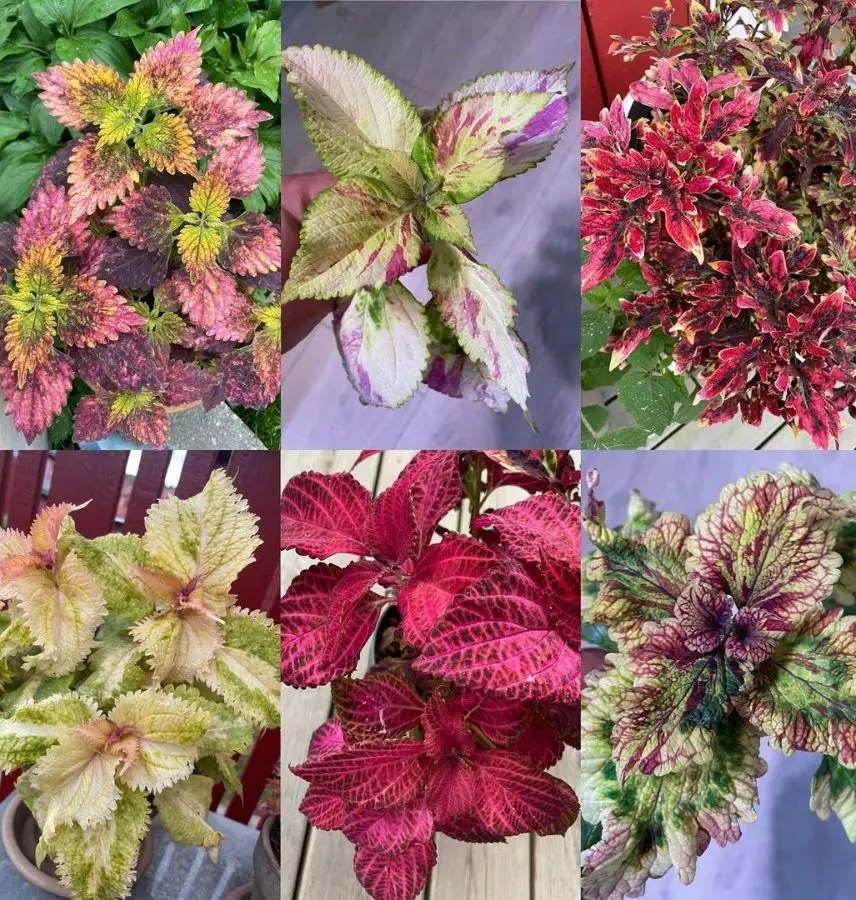
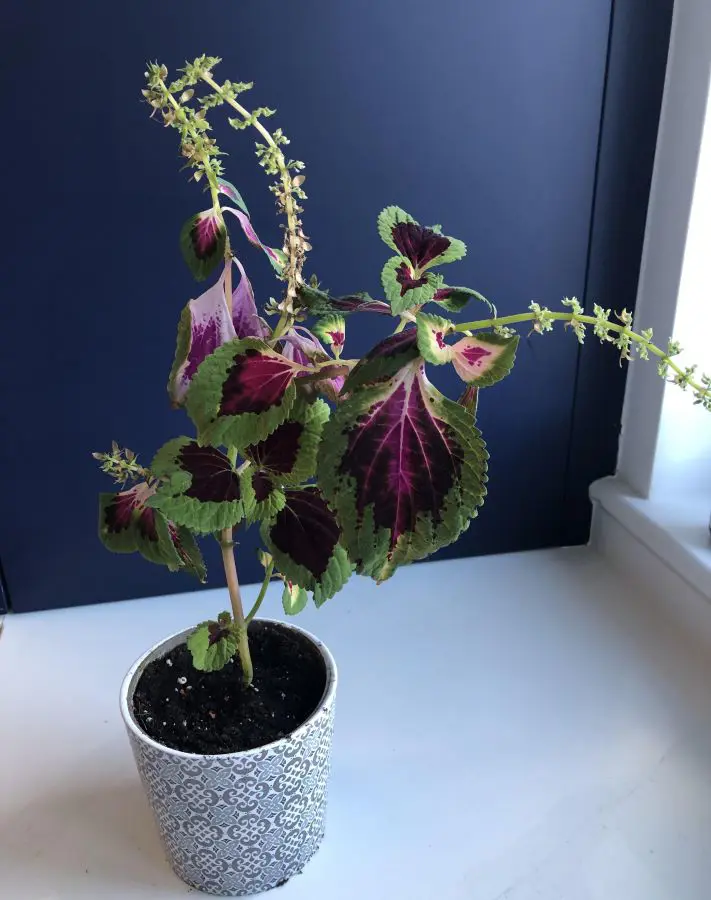
Coleus plants are known for their bright, beautiful leaves that come in many different colors and patterns. You can find them in shades of green, pink, red, purple, yellow, and sometimes even a mix of several colors.
The leaves can have different patterns, such as stripes, spots, or borders, making each plant unique and eye-catching. They come in a variety of sizes, from small, perfect for a windowsill or a small garden space, to large, up to three feet tall.
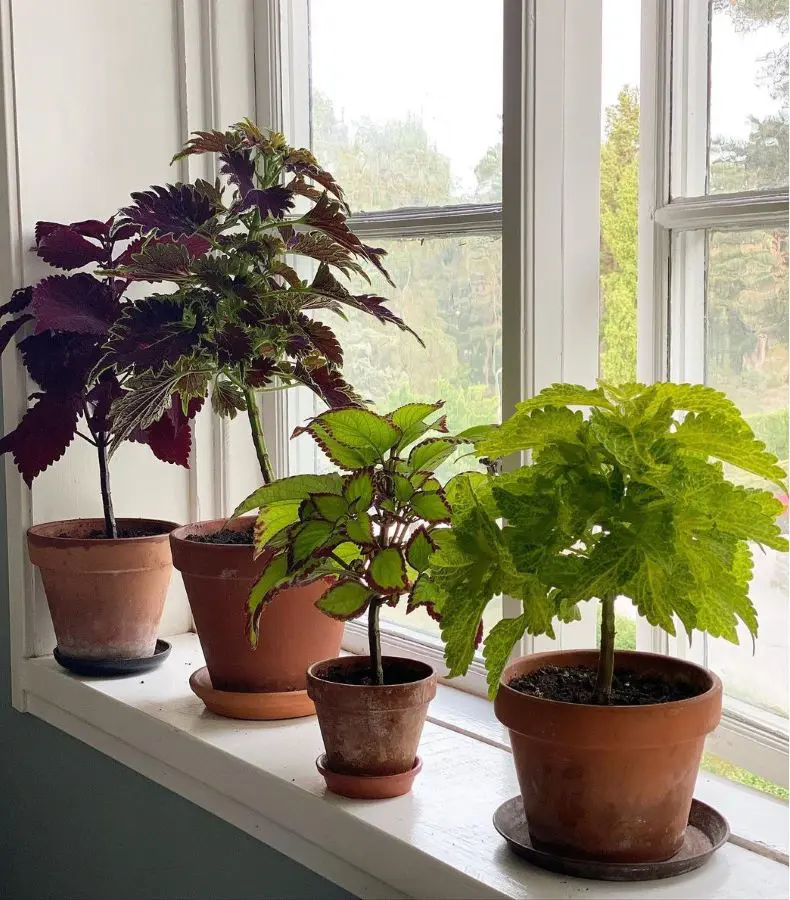
These plants can be grown both indoors and outdoors. They are very adaptable and can thrive in pots inside your home or planted in your garden.
Taking care of Coleus plants is super easy! They like well-draining soil and prefer to be watered when the top inch of soil feels dry. If you're growing them indoors, put them where they can get some sunlight but not direct sun.
Outdoors, they like partial shade. Trim them back if they get too leggy, and they'll keep growing nice and bushy. Coleus plants are low-maintenance and forgiving, making them perfect for busy people or beginners.
Let us dig deep into coleus care requirements:
Light
Coleus plants enjoy bright, indirect light if they're inside. This means they like a sunny spot but not one where direct sunlight beams on them for too long, as it can scorch their leaves.
Outdoors, they prefer a place with partial shade, especially during the hottest parts of the day. If you notice your Coleus plant's colors fading, it might be getting too much sun, so try moving it to a shadier spot.
Choosing the right soil is essential for happy Coleus plants. They thrive in well-draining soil, which means water should pass through it easily.
You can buy potting soil made for indoor plants or make your own by mixing regular potting soil with something like perlite or sand to improve drainage. Adding organic matter, like compost, can also help keep the soil loose and airy.
Water
Watering your Coleus plants properly is crucial for their health. They like their soil to be consistently moist but not soggy. Check the top inch of soil with your finger—if it feels dry, it's time to water.
Make sure the water drains well, and don't let your plant sit in a saucer of water, as it can lead to root rot. If your Coleus starts wilting, it might need water, but be careful not to overwater, as this can cause problems too.
Temperature
Coleus plants are pretty adaptable when it comes to temperature, but they prefer a moderate climate. They do well in temperatures between 65°F and 75°F (18°C to 24°C).
If your home gets colder than this, consider moving your Coleus away from drafty windows or doors. Similarly, if it gets too hot, find a cooler spot for them to avoid stress.
Humidity
While Coleus plants enjoy a bit of humidity, they can still thrive at average indoor humidity levels. If you live in a particularly dry climate or have your heating on in the winter, you might want to increase the humidity around your plants.
You can do this by misting them with water occasionally or by placing a tray filled with water and pebbles near them. As the water evaporates, it creates a humid microclimate around the plant.
Fertilization
Feeding your Coleus plants with fertilizer can help them grow strong and vibrant. During the growing season (spring and summer), you can use a balanced liquid fertilizer once a month.
However, dilute it to half or quarter strength, as Coleus plants don't need a lot of nutrients. Too much fertilizer can lead to excessive leaf growth at the expense of color and pattern. Always follow the instructions on the fertilizer package for the best results.
Winter Care
In colder climates, Coleus plants are usually grown as annuals because they're sensitive to frost. If you're growing them outdoors and winter is approaching, you have a few options.
You can bring your Coleus inside to a sunny spot where it's warmer, or you can take cuttings from your plant to root and grow indoors until spring.
If you're keeping them indoors during the winter, make sure they're not near any cold drafts, like windows or doors, as this can stress them out. Also, reduce watering during the winter months since plants tend to use less water when they're not actively growing.
Pruning Coleus plants is a simple task that can help keep them looking their best and promote healthy growth. You can prune Coleus plants throughout the growing season, but the best time is in early spring or late winter before they start actively growing. This gives them a nice shape and encourages new growth.
You'll need a pair of clean, sharp scissors or pruning shears. Make sure the tools are sharp to make clean cuts and reduce the risk of damaging the plant.
Pruning Steps:
The steps involved in pruning are listed below:
Inspect your Coleus plant for dead or damaged leaves and remove them first.
Using scissors or pruning shears, snip off dead or yellowing leaves close to the main stem without injuring it.
Pinch off the tip of the stem to encourage bushier growth and branching.
Trim back leggy or tall plants to maintain their shape and size.
Clean up fallen leaves and debris to prevent pests and diseases.
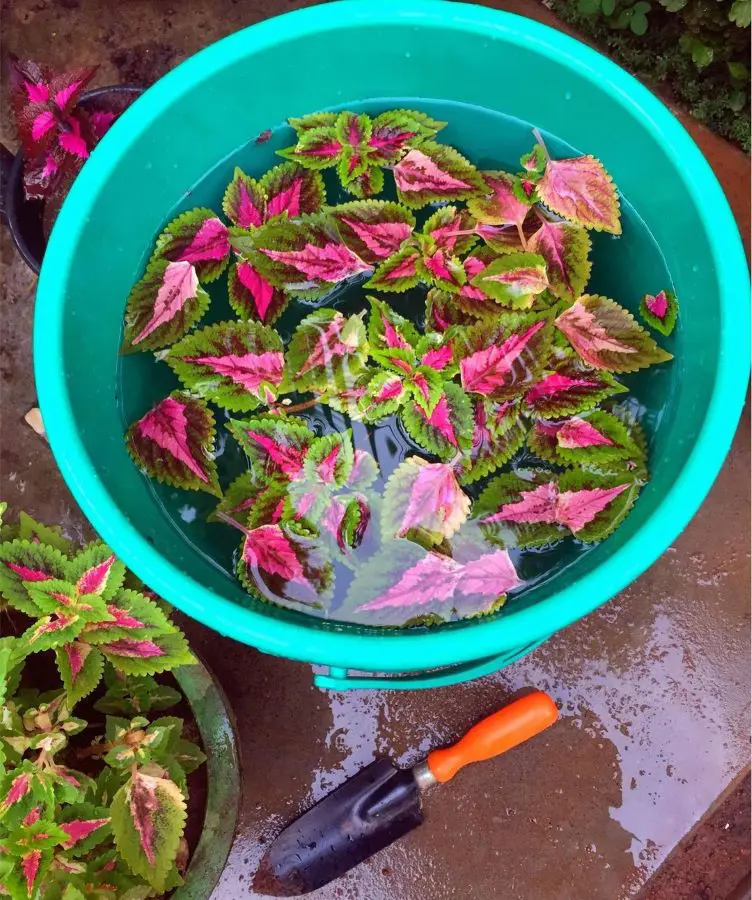
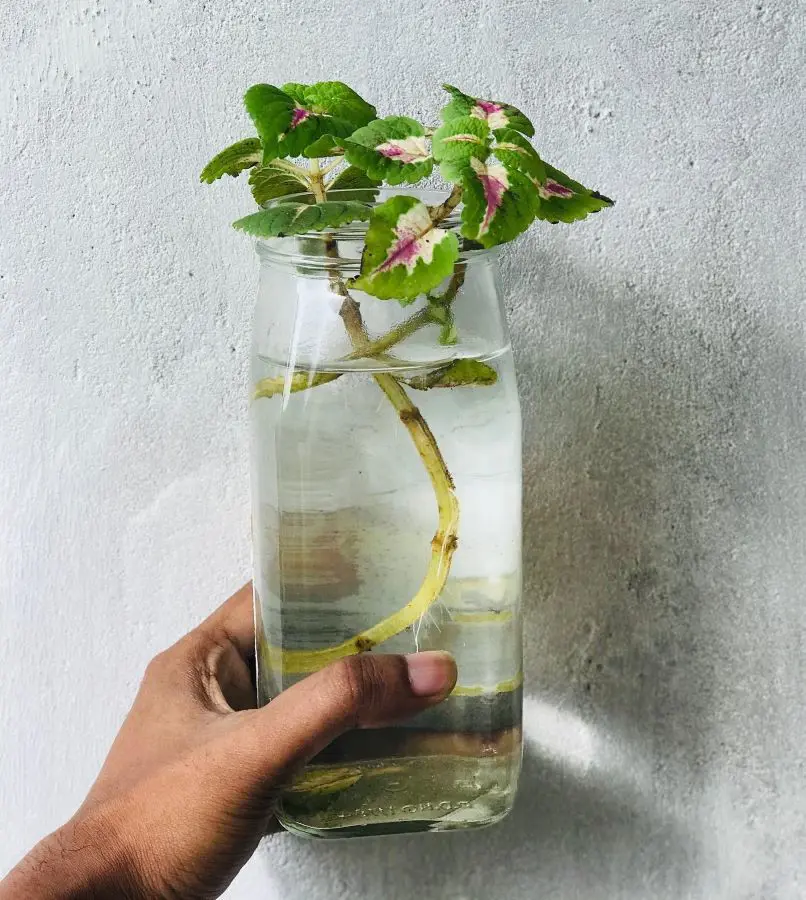
Propagating is a way of growing new plants from existing ones. There are a few ways to propagate Coleus plants, but the most popular method is by taking stem cuttings. This involves cutting a piece of stem from the plant and growing it into a new plant.
This method is easy and works well for Coleus plants. Plus, it's a quick way to get more plants without having to buy new ones.
Right Time to Propagate
The best time to propagate Coleus plants through stem cuttings is in spring or early summer when the plant is actively growing. This gives the cutting the best chance of rooting and growing into a new plant.
Tools Required
To propagate Coleus plants through stem cuttings, you'll need a clean pair of scissors or pruning shears, a small pot filled with potting soil, and some water.
It is essential to avoid using dull or dirty tools, as this can introduce diseases to the cutting process. Also, avoid taking cuttings from unhealthy or stressed plants, as they may not root successfully.
Steps to Propagate Coleus Plants
Select a healthy Coleus plant with new growth.
Cut a 3–6 inch stem using clean scissors.
Remove leaves from the bottom half of the cutting.
(Optional) Dip the cut end in rooting hormone.
Plant the cutting in a small pot filled with soil, burying the stem and leaving leaves above.
Water thoroughly and place in a warm, bright spot.
Keep the soil moist but not soggy.
In a few weeks, roots should appear.
Transplant into a larger pot or garden once roots and new growth are established.
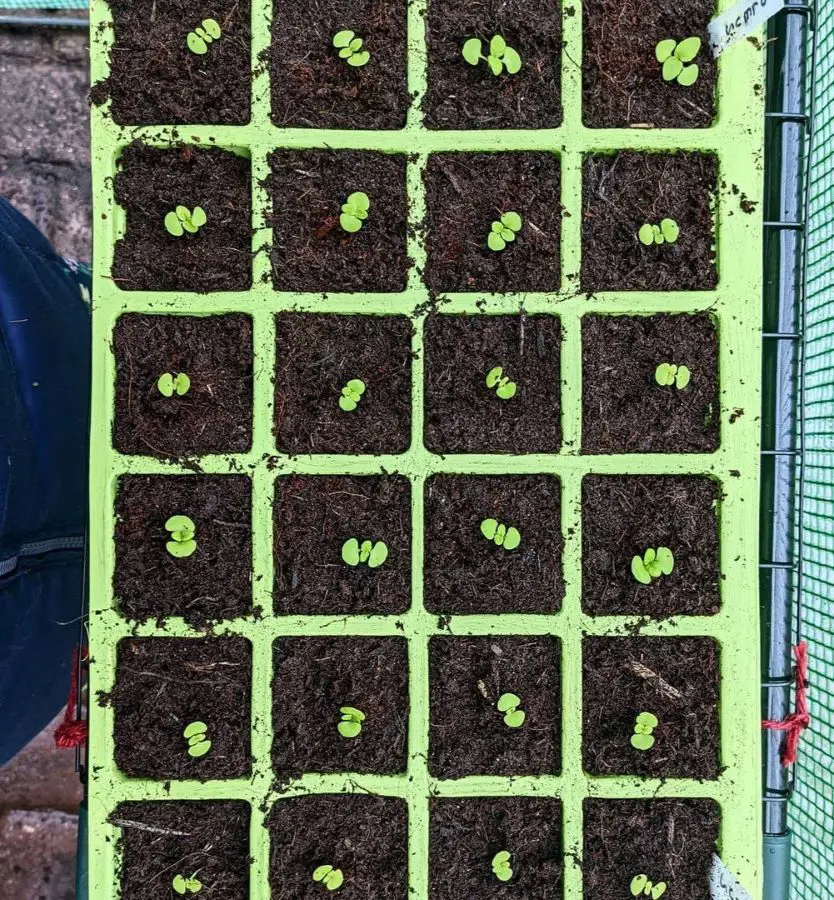
Growing Coleus from seeds is different from stem cuttings because you're starting from scratch with a tiny seed instead of a piece of a mature plant. The seeds usually germinate within 7 to 14 days if they're kept in warm, moist conditions. However, it can take longer in cooler temperatures.
You can find Coleus seeds at garden centers, nurseries, or online. There are many different varieties to choose from, so pick the ones that catch your eye.
The best time to grow Coleus from seeds is in late winter or early spring, just before the last frost. Before planting Coleus seeds outdoors, start seeds indoors a few weeks earlier to get a head start on the growing season.
Steps for Growing From Seeds
Start by filling a small pot or seed tray with potting soil.
Moisten the soil with water.
Sprinkle the seeds evenly over the soil surface.
Lightly press the seeds into the soil.
Cover the seeds with a thin layer of soil, and mist them with water.
Place the pot or tray in a warm, sunny spot.
Keep the soil consistently moist, but not waterlogged.
In a week or two, you should start to see tiny seedlings popping up.
Once the seedlings have a few sets of true leaves, you can transplant them into larger pots or your garden.
Coleus plants grow quite quickly and can get quite large, so it's essential to use a pot that's large enough to accommodate their growth. For young Coleus plants, start with a small pot and gradually move them into larger pots as they grow.
A pot that's about 6 to 8 inches in diameter should be good for a young plant, but you may need to repot them into larger pots as they grow out of the drainage holes, circle inside the pot, or if the plant outgrows its pot and tips over.
Steps to Repot:
Carefully remove the plant from its pot, avoiding root damage.
Remove excess soil and check roots for damage.
Select a slightly larger pot and add fresh soil.
Position the plant in the center and fill gaps with soil.
Water the plant generously to settle the soil and minimize shock
Coleus plants can be susceptible to pests and diseases, especially if they're not cared for properly or when they're stressed or grown in less-than-ideal conditions. Factors like overwatering, poor air circulation, and overcrowding can make them more vulnerable.
Here are some common pests and diseases targeting coleus plants and how to mitigate them:
Common Pests:
Aphids: These tiny insects like to suck the sap from Coleus leaves, causing them to become distorted and yellow. You can spray them off with a strong stream of water or use insecticidal soap to get rid of them.
Spider Mites: These tiny pests can create fine webs on the undersides of Coleus leaves and cause them to turn yellow and dry out. You can treat them by spraying the plant with insecticidal soap or horticultural oil.
Whiteflies: These small, white insects can swarm around Coleus plants and suck the sap from their leaves, causing them to turn yellow and die. You can control them by using yellow sticky traps or spraying the plant with insecticidal soap.
Powdery Mildew: This fungal disease appears as a white, powdery substance on the leaves of Coleus plants, especially in humid conditions. You can treat it by spraying the plant with a fungicide, removing affected leaves, and improving air circulation around the plant.
Root Rot: This fungal disease occurs when Coleus plants are overwatered or planted in poorly draining soil. It causes the roots to rot, leading to the wilting and yellowing of the leaves. To prevent root rot, make sure to plant Coleus in well-draining soil and avoid overwatering.
Leaf Spot: This bacterial or fungal disease causes dark, water-soaked spots to appear on the leaves of Coleus plants. To treat a leaf spot, remove the affected leaves and improve air circulation around the plant.
Coleus plants belong to the Lamiaceae family and are native to tropical regions of Africa, Asia, and Australia. It's a popular plant that belongs to the mint family and has been historically used for medicinal purposes.
Here are some varieties of this plant:
Standard Coleus: This type of Coleus has broad, serrated leaves and a bushy growth habit. It comes in a variety of colors and patterns, ranging from solid shades of green, red, and purple to variegated combinations of these colors. Examples include 'Black Dragon' with dark purple foliage and 'Rainbow Mixed' with a variety of colorful leaves.
Trailing Coleus: Unlike the standard form, trailing Coleus plants have a more cascading growth habit, making them ideal for hanging baskets or as ground cover in garden beds. Their leaves are usually smaller and more delicate compared to standard Coleus. Examples include 'Lava Rose' with pink and green foliage and 'Wasabi' with lime green leaves.
Upright Coleus: Upright Coleus plants have a more vertical growth habit, with leaves that stand upright rather than spreading out horizontally. They are often taller than standard Coleus varieties and can add height and structure to garden beds or containers. Examples include 'Big Red Judy' with bold red leaves and 'Dipt in Wine' with deep burgundy foliage.
Dwarf Coleus: As the name suggests, dwarf Coleus plants are smaller in stature, making them perfect for small gardens or containers. They have compact growth habits and often feature brightly colored foliage. Examples include 'Fairway Ruby' with vibrant pink and green leaves and 'Tiny Mice' with tiny, variegated foliage.
Besides common pests and diseases, here are some common issues associated with coleus plants:
Wilting: If your Coleus plant's leaves are drooping and wilting, it could be a sign of underwatering, overwatering, or root rot. Check the soil moisture and adjust your watering accordingly. Ensure proper drainage to prevent root rot.
Leggy growth: If your Coleus plant is growing tall and leggy with sparse foliage, it may not be getting enough light. Move it to a brighter location with indirect sunlight to encourage bushier growth.
Loss of color or variegation: If the vibrant colors or variegation of your Coleus plant's leaves start to fade or become less pronounced, it may be due to insufficient light. Ensure your plant receives adequate light to maintain its colorful foliage.
Stunted growth: If your Coleus plant's growth seems slow or stunted, it may be due to insufficient nutrients, improper watering, or poor soil quality. Ensure your plant is receiving adequate nutrition and water, and consider repotting it with fresh soil if necessary.