Cockroach infestations are a common and unpleasant problem that can plague homes. These resilient pests are notorious for their ability to multiply rapidly and spread disease. They can contaminate food and surfaces with harmful bacteria, leading to various illnesses.
Their droppings, saliva, and shed skin trigger allergic reactions and asthma attacks, especially in children and individuals with respiratory issues. Detecting the early signs of a cockroach infestation is crucial to prevent a full-blown problem. In this article, we will look into 15 signs of cockroach infestation and how to eliminate them.
1. Droppings
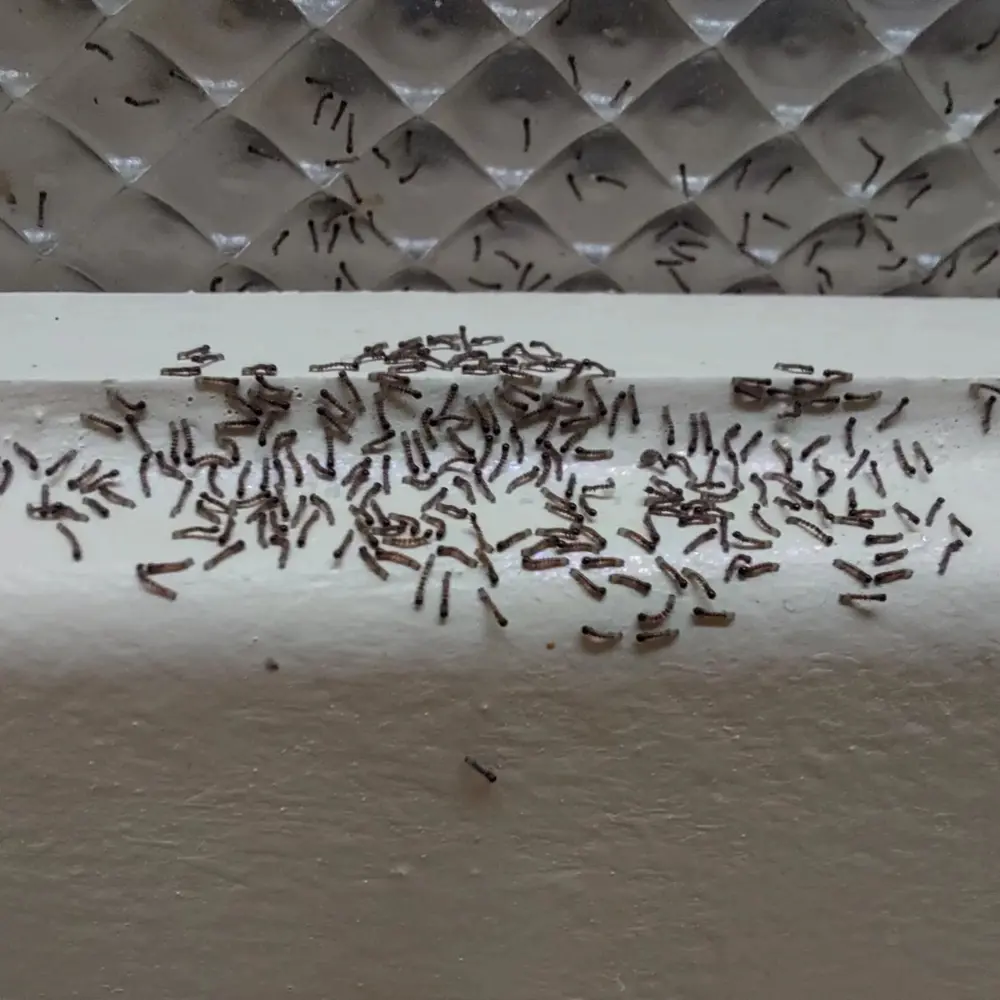
One of the many cockroach infestation signs is cockroach droppings. These droppings are small, dark, and cylindrical, resembling pepper flakes or coffee grounds. They can vary in size and shape depending on the species of cockroach.
You might find them scattered around areas where cockroaches frequently travel, such as behind appliances, in kitchen cabinets, or along baseboards. The droppings often accumulate in hidden or hard-to-reach areas, making them a clear sign of a larger problem. In addition to being unsightly, the droppings contain allergens that can trigger allergies or respiratory problems.
2. Egg Cases
Cockroach egg cases, or oothecae, are a clear sign your house is infested. Each ootheca is a small, oval-shaped case, usually dark brown or reddish-brown, about 0.5 to 1 inch long. It contains multiple eggs encased in a protective shell.
Female cockroaches produce these cases, which they carry until just before the eggs hatch. Depending on the species, the ootheca may be deposited in hidden, warm, and moist areas like behind appliances, under sinks, or in cracks and crevices. Addressing the infestation promptly is crucial to preventing an uncontrollable infestation.
If your house is infested, shed skins or exoskeletons are another telltale sign. As cockroaches grow, they undergo molting, where they shed their old exoskeleton to accommodate their increasing size. These discarded skins are found in cockroaches hiding places, such as behind appliances.
The skins are light brown, thin, and translucent, and can be identified by their distinct shape, which resembles the outline of a cockroach. These shed skins indicate cockroaches are actively breeding and growing. Regular inspections and targeted treatments are necessary.
4. Unpleasant Odor
If your house has a musty or oily smell, it might be a cockroach smell. This smell comes from cockroach feces, urine, and their natural oils. Cockroaches excrete a substance that can produce a distinctive, unpleasant odor, which becomes more noticeable as their population grows.
The smell often becomes more pronounced in areas where cockroaches hide. Over time, this odor can permeate throughout the home, affecting air quality and making it unpleasant for residents. If you detect this smell, it is important to investigate further.
5. Live Cockroaches
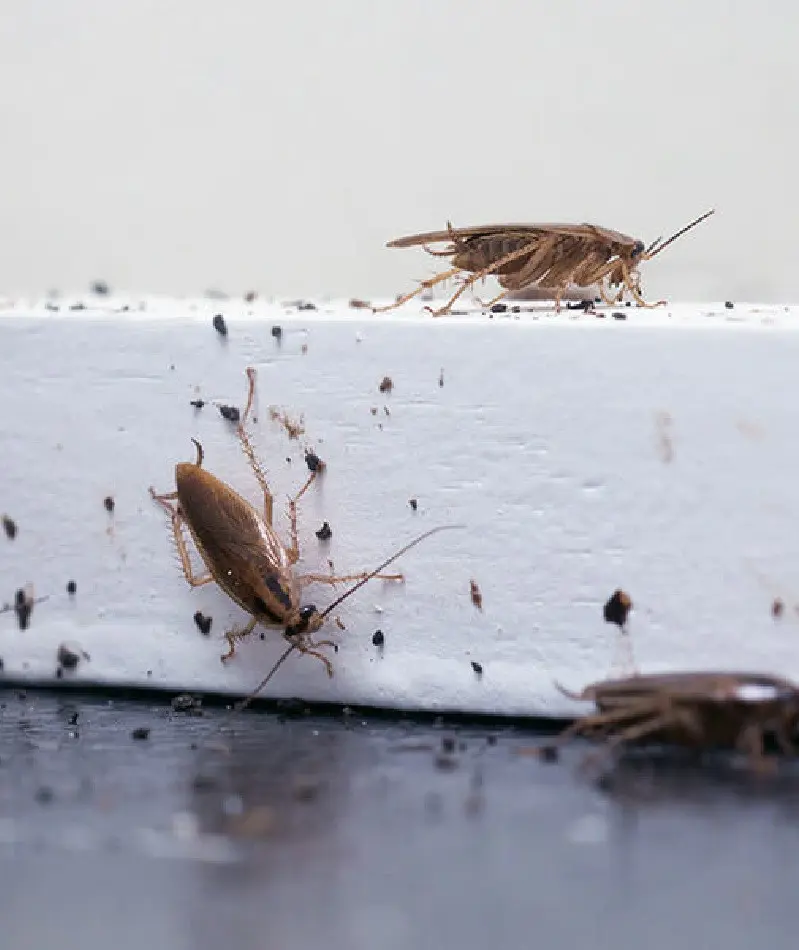
Sightings of roaches, especially baby cockroaches, are an indication your home is infested. They are nocturnal creatures, so you might spot cockroaches in the evening or early morning. You can also check in dark, damp, and hidden areas like inside cabinets to confirm their presence.
Their sudden, quick movements can be alarming and often involve scurrying across floors or walls. However, if you spot them during the day, which is uncommon, it is a sign of severe infestation or an overcrowded environment. This warrants immediate attention.
6. Cockroach Tracks
Cockroach tracks, often referred to as smudge marks, are a key indicator of their presence. These tracks appear as dark, greasy streaks or smudges on surfaces like floors, walls, and baseboards, where cockroaches frequently travel.
The marks are caused by the oils and dirt that cockroaches carry on their bodies. Over time, these tracks may gather dust, making them more visible. Observing these tracks where you suspect cockroach activity can help locate their nesting sites, aiding in targeted cleaning and pest control efforts.
Damaged food packaging is another indication that cockroaches are hiding in your homes. Cockroaches are known for their gnawing habits and can create small holes or tears in food containers made of cardboard, plastic, or other materials.
They often target packages of food that are left open or not properly sealed. These damages can compromise the integrity of the food, making it unsafe to eat due to potential contamination with bacteria and allergens from cockroaches. Additionally, the presence of gnaw marks or holes indicates that cockroaches are actively seeking food sources in your home.
8. Stains on Walls and Floors
Stains on walls and floors caused by cockroaches are often a result of their greasy bodies leaving residue behind as they move. As cockroaches travel along surfaces, they can deposit oils and dirt from their bodies, which can cause discoloration over time.
These stains may appear as dark, greasy smudges and can be noticeable on light-colored surfaces. These marks are unsightly and indicate cockroaches are present and actively moving through those areas, highlighting potential hiding spots and areas of high activity. Regular cleaning and inspection can help identify and address these infestations early.
9. Nesting Sites
Nesting sites are crucial indicators of a cockroach infestation, as these pests prefer to hide in dark, secluded areas. Cockroaches often create nests in rarely disturbed places, such as cracks and crevices where cockroaches might enter or nest.
These nests can include clusters of egg cases or oothecae. The presence of these nests suggests a well-established infestation, as cockroaches use these sites to lay eggs and seek refuge. Finding these nests can help identify the extent of the infestation and target treatment efforts more effectively.
Fecal smears are a common sign of cockroach infestation, often appearing as dark, smudgy streaks on surfaces. Cockroaches produce feces that are usually small and cylindrical. They can leave noticeable streaks when they smear or are mixed with oils and dirt.
These smears are found along baseboards, behind appliances, or in cabinets. The presence of these marks indicates not just the presence of cockroaches but also their frequent activity in the area. Identifying and addressing fecal smears early can help detect and manage an infestation more effectively.
11. Hearing Noises
If you hear noises, like rustling or scurrying sounds, it could be a cockroach. Cockroaches are most active at night to search for food, water, or shelter. Their legs and bodies produce distinct noises when they crawl over surfaces or through cracks and crevices.
These sounds are faint but become more noticeable if the infestation is severe. The noises can be more discernible at night or early morning, making it easier to detect their presence. If you hear such noises constantly, it might be time to investigate further.
12. Increased Pest Activity:
Increased pest activity is another sign of a cockroach infestation because cockroaches often thrive in environments with other pests. These insects are scavengers and might be drawn to areas where other pests, such as ants or termites, are already present, as these pests can provide additional food sources.
The presence of ants, for instance, might indicate a food supply attracting cockroaches. Similarly, termites can indicate damp wood or structural issues, creating an ideal environment for cockroaches. Observing a rise in activity from other pests could signal a broader pest problem including cockroaches.
13. Pet Behavior
When pets, such as dogs or cats, display unusual behavior or show interest in specific areas of the home, it might be a sign of a cockroach infestation. Pets have a keen sense of smell and may detect the presence of cockroaches or their droppings before humans do.
They might scratch at or sniff around areas where cockroaches are hiding. Additionally, pets might become agitated or nervous if they encounter cockroaches or their egg cases, which could cause them to act differently. Observing such behaviors can help identify pest problems.
Health symptoms from a cockroach infestation can be significant, especially for individuals with allergies or asthma. Cockroaches produce allergens from their feces, urine, and saliva and shed skin, can trigger allergic reactions. Symptoms may include sneezing, runny or stuffy nose, itchy eyes, and skin rashes.
For asthma patients, these allergens can exacerbate symptoms, leading to increased coughing, wheezing, and difficulty breathing. Children and the elderly are particularly vulnerable. Persistent exposure to these allergens can worsen existing respiratory conditions, making it important to address infestations promptly.
15. Chewed Material
Cockroaches have strong mandibles that they use to gnaw through various materials. When they infest a home, they often damage paper products, such as books and magazines, by shredding or consuming them.
They can also chew on fabrics, like clothing and upholstery, leaving visible holes and frayed edges. This chewing behavior is not just a nuisance; it indicates that the roaches are actively foraging for food or nesting materials. Inspecting these materials closely for damage can help confirm an infestation.
How to Fix
If you are wondering how to get rid of cockroach infestation, these are the methods.
Deep Cleaning
The first step in getting rid of cockroaches is to clean your home thoroughly. Roaches love places where they can find food crumbs, grease, and moisture, so focus on those areas. Start with the kitchen since it is a common place for them to hide.
Wipe down the counters, clean the stove, and do not forget to clean under and behind your appliances where crumbs can gather. Also, check under the sink, inside cabinets, and around the trash can. Clean the toilet, vacuum your carpets, and mop the floors regularly to pick up any food particles.
Eliminate Food and Water Sources
Eliminating food and water sources helps control the infestation of roaches because these pests are primarily attracted to homes with plenty of food and water sources. Cockroaches can survive on even the smallest crumbs and spills, so it is essential to keep all food sealed in airtight containers.
This includes pantry items like cereals, grains, snacks, and pet food, which should not be left out overnight. In addition, clean dishes and kitchen surfaces immediately after meals. Water is just as important, so fix any leaks in sinks, pipes, faucets, and dry sinks and countertops.
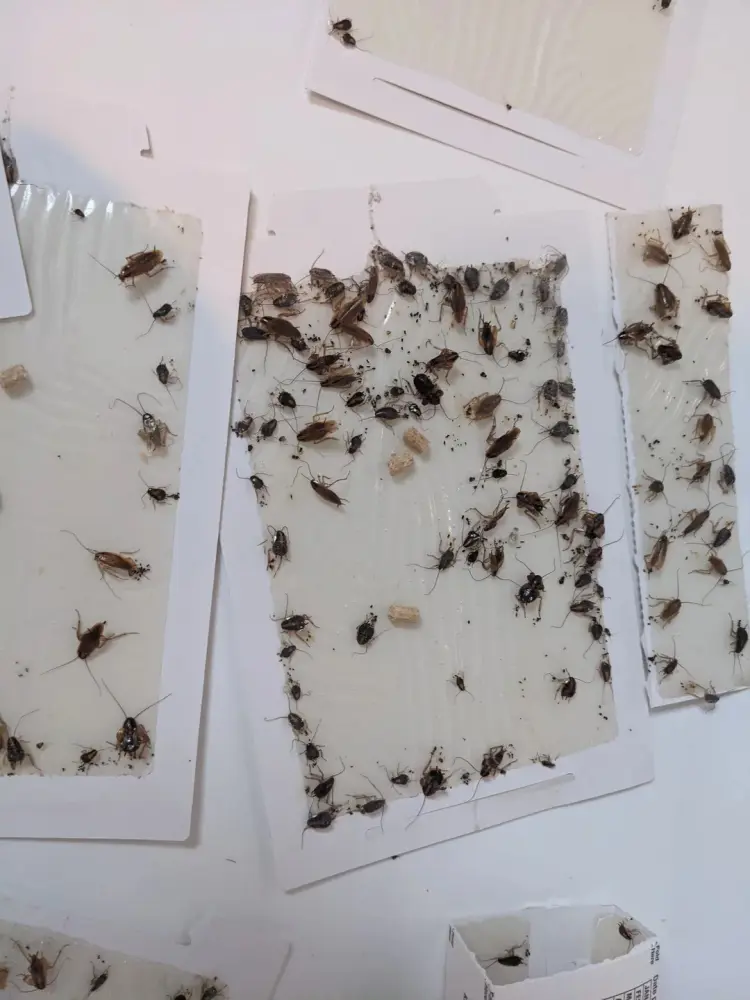
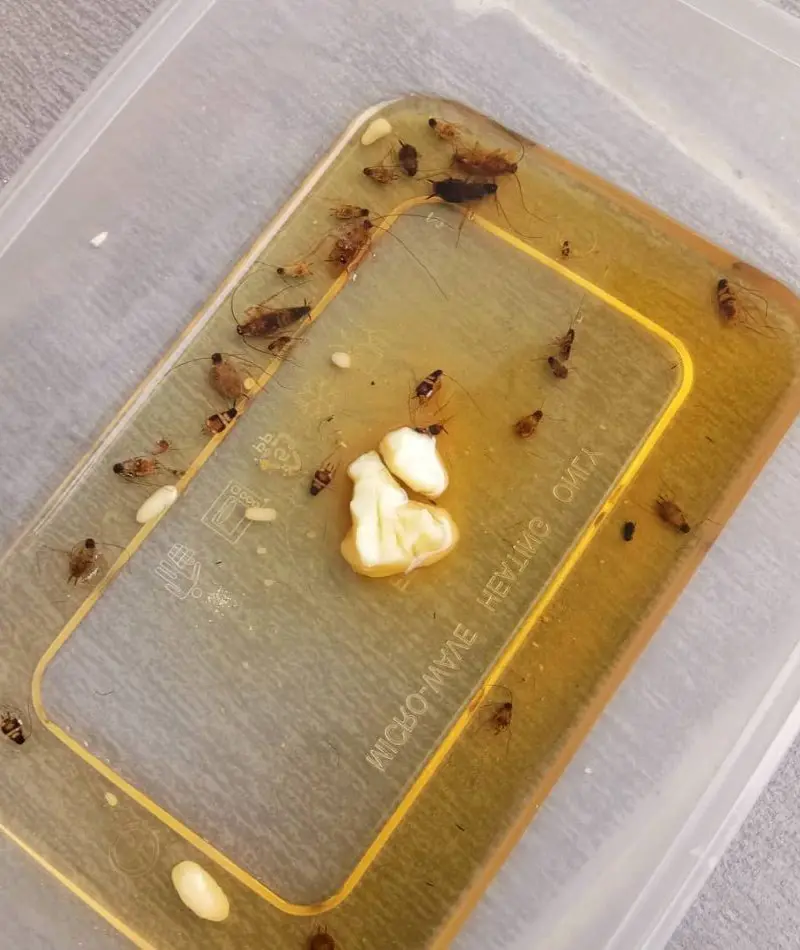
Using traps and baits can help get rid of a cockroach infestation. Traps are sticky and placed in areas where roaches are active, such as along walls, under sinks, or near food storage areas. These traps capture roaches, helping to monitor the severity of the infestation and identify hotspots.
Bait stations, on the other hand, contain poison disguised as food. Roaches are attracted to the bait, consume it, and then carry it back to their nest, where it spreads to other roaches. This method is effective because it targets the entire colony.
Apply Insecticides
Insecticides target the roaches you see and those hidden in hard-to-reach places. Identify areas where roaches are active, such as cracks, crevices, behind appliances, under sinks, and along baseboards. Use roach sprays or powders designed specifically for these pests.
Sprays provide immediate results by killing roaches on contact, while powders like boric acid offer a long-lasting solution. Always follow the manufacturer’s instructions and take safety precautions, especially if you have pets or children. Regular reapplication may be necessary to ensure all roaches are eradicated, as these insects are notoriously resilient.
Seal Entry Points
Sealing entry points prevents cockroaches from entering your homes. Roaches can squeeze through tiny openings, so thoroughly inspect your home for potential entry points. Check for gaps around doors and windows and seal with weatherstripping or caulk.
Look for cracks in walls, floors, and foundations, and seal them with caulk or expanding foam. Pay particular attention to areas where pipes, cables, and wires enter your home, as these are common entryways for roaches. Use steel wool or silicone-based sealants in these areas, as they are more difficult for roaches to chew through.
Monitor and Reapply
Monitoring and reapplying treatments can fully eradicate a cockroach infestation. These pests are hardy, and a single treatment is not enough to eliminate them. Regularly check traps and bait stations to see if they are still attracting roaches.
If the traps are full or the bait has been consumed, it is a sign that the infestation is ongoing. Reapplication might be necessary. Pay special attention to high-traffic areas like kitchens, bathrooms, and basements where roaches congregate. Continuous monitoring and reapplication help break the roach life cycle and prevent the infestation from rebounding.
If a cockroach infestation persists despite your best efforts, calling a professional pest control service is the most effective solution. Professionals have access to potent insecticides and specialized equipment unavailable to the public.
They can accurately identify the species of cockroach and tailor treatments to target specific behaviors and nesting sites. They may also offer follow-up visits to ensure the infestation is fully eradicated and advice on preventing future infestations. While it may cost more upfront, hiring a professional can save time, effort, and long-term frustration.
Damages Caused by Cockroaches
If you fail to address a cockroach infestation on time, you might have to face the damages caused by these pests, which can be frustrating and expensive. These pests can cause a variety of damages, including:
Food Contamination
Cockroaches can contaminate food, which poses serious health risks. As they scavenge for food, they crawl over surfaces and food items, leaving traces of their feces, urine, and body parts. This contamination can occur on countertops, in pantries, and food containers.
The substances they deposit can harbor harmful bacteria like Salmonella and E. coli, which can lead to foodborne illnesses if ingested. Additionally, roach droppings or urine can taint the taste and smell of food, making it unappetizing.
Health Issues
Cockroaches spread various bacteria and allergens, leading to significant health issues. They pick up pathogens from decaying organic matter and filth as they move around. When roaches come into contact with food, surfaces, or utensils, they can transfer these pathogens, leading to potential foodborne illnesses such as Salmonella or E. coli.
Additionally, roach feces, saliva, and body parts contain allergens that trigger respiratory issues like asthma and allergic reactions.
Material Damage
Cockroaches can gnaw various materials and damage them. They shred and eat paper products such as books, magazines, and documents. This damage is often noticeable as ragged edges or holes.
Additionally, roaches can ruin fabric materials, including clothing, upholstery, and curtains, by chewing through them or creating holes. They are especially attracted to materials that have food residues or are stored in dark, moist environments.
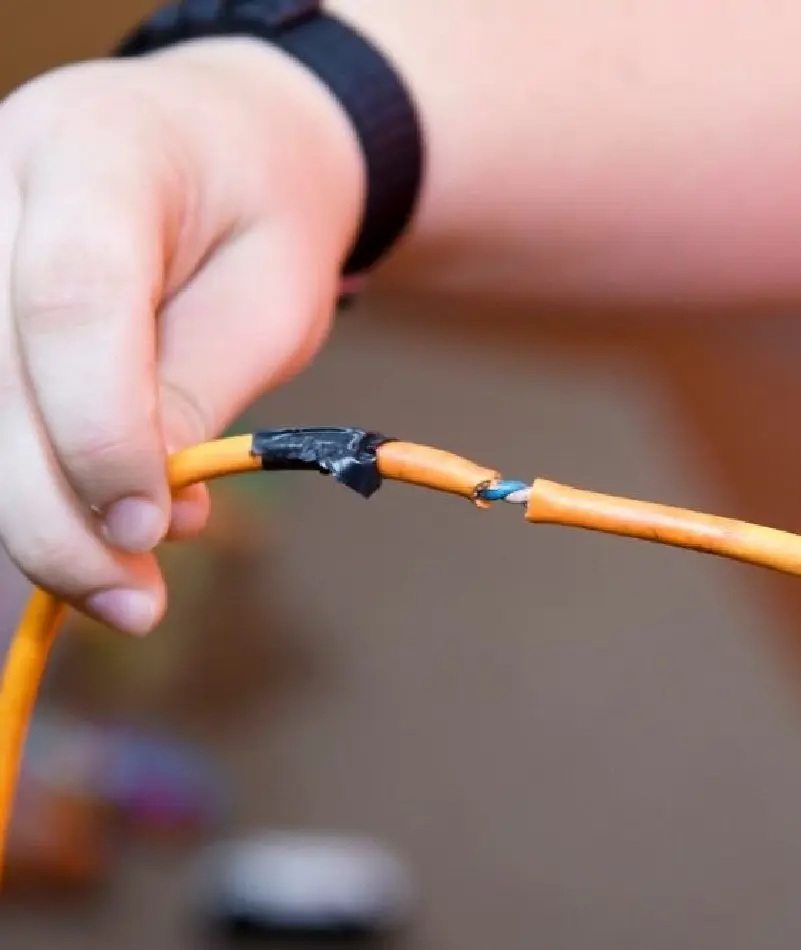
Cockroaches chew on wires and cables and cause significant electrical damage by chewing on wires and cables. Their constant gnawing can lead to the insulation around electrical wires becoming damaged or stripped away.
This exposes the wires and increases the risk of short circuits, which can result in electrical failures or even fires. The damage can also lead to frequent power outages and increased maintenance costs. Additionally, exposed wires can pose a serious safety hazard, potentially leading to electric shocks or further damage to electrical systems
Structural Damage
In severe infestations, cockroaches can cause structural damage by nesting in materials like insulation and wooden structures. They often seek hidden, warm, damp areas to create their nests. Over time, their presence can lead to deterioration of insulation, which may reduce its effectiveness and lead to higher energy costs.
Additionally, if roaches nest within wooden structures, their feces and urine can contribute to rot and weaken the wood. This can compromise the integrity of floors, walls, and ceilings, leading to costly repairs.
Odor
Cockroaches can cause odor problems in a home when their population is large. The musty, unpleasant smell often results from their feces, urine, and decaying bodies. As roaches defecate and urinate, their waste accumulates, creating a foul odor that lingers in areas where they frequent.
Additionally, the smell of dead roaches can become quite pronounced if there are many carcasses hidden in walls, under appliances, or in other secluded areas. This odor can permeate throughout the home, making it unpleasant.