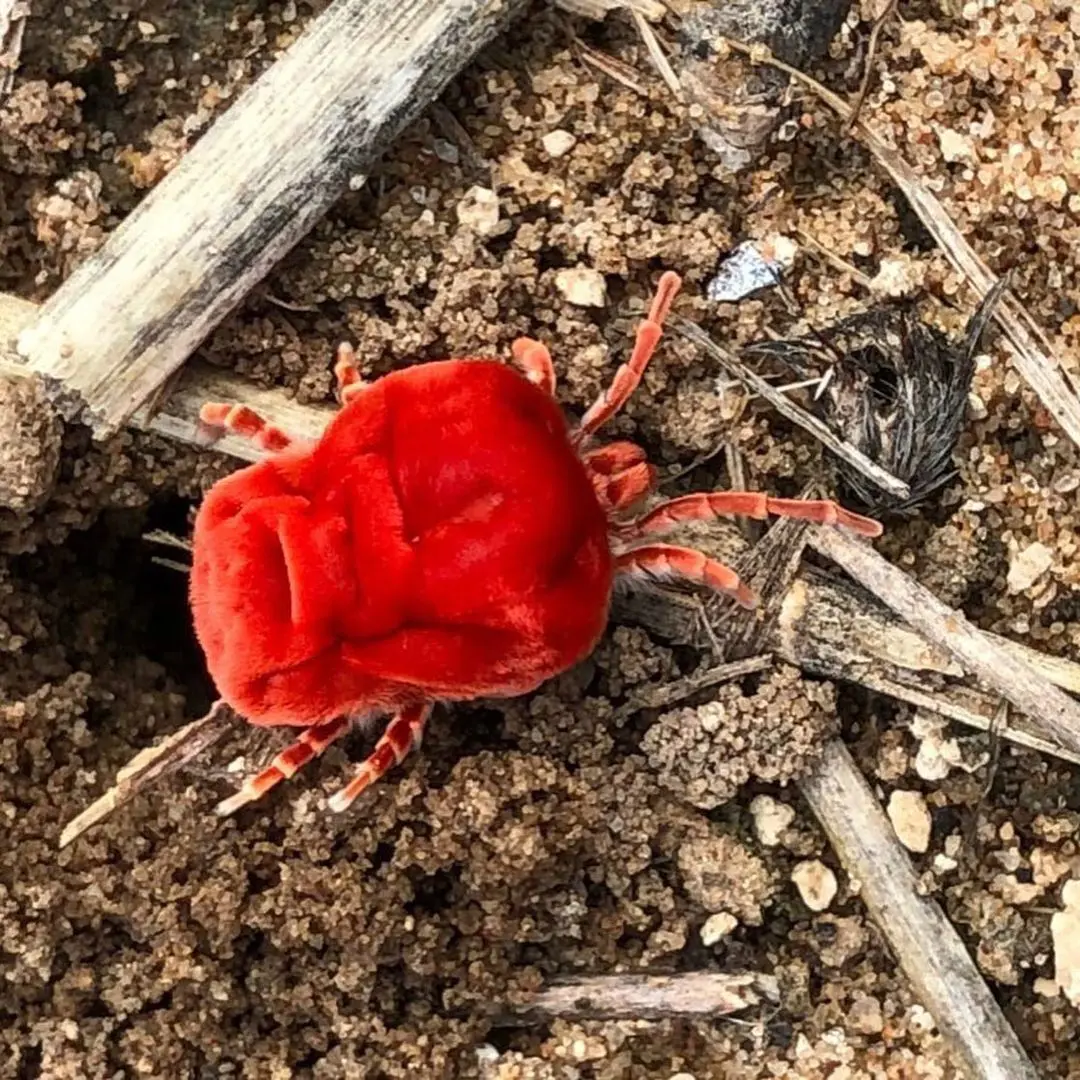
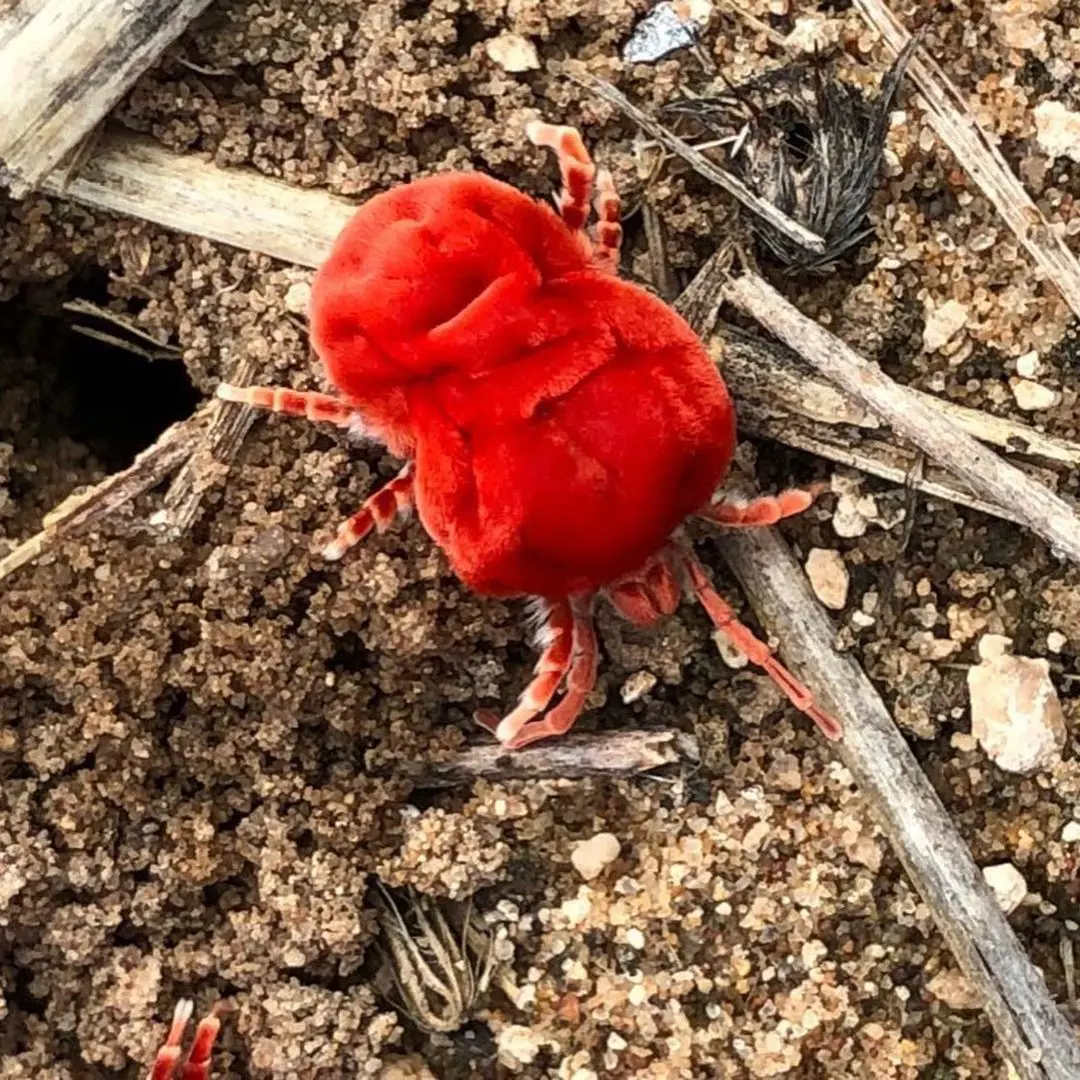
You're peacefully sitting at home when you suddenly feel tiny bugs crawling on your feet from the carpet. Those are tiny red bugs called clover mites.
While they’re harmless to humans, these pesky pests cause headaches as their large infestations make them difficult to eliminate. So, let's explore ways to get rid of clover mites and keep your indoors free from pest infestation.
Clover mites, also known as tiny bugs, can be quite a headache for gardeners. When crushed, they leave a stain on the indoor surface. The worst part about having them is the damage they do to the plants and their heavy population.
The first thing you can do to get rid of tiny spider bugs is to use some natural methods. If they are small in number, these methods are quite eco-friendly. You can keep your plant healthy and maintain a pest-free environment at the same time.
1. Vaccum Regularly
The first and the best way is to keep your indoor clean. Especially that carpet and future, so keep an eye on it. You should vacuum regularly and pay attention to the corners where they thrive.
After vacuuming, dispose of the vacuum bag to prevent re-infestation. Tidy environments are their enemy, and they hate to exist in such an environment. So, regular vacuuming is a must.
2. Close the Small Entry Point
Clover mites love to hide in the small cracks and holes around your home and trust me; it is hard to control their population. But you can prevent it by closing those holes.
You can use chalk or some sealant to close all those holes or entry points in your home. Watch out on the exterior of your home for those small space areas of the pipeline and create a barrier against these tiny red bugs.
3. Take the Help of Cinnamon Oil
Now, it is quite amusing to find out that sweet cinnamon can be a harmful pest repeller. The safe, inexpensive and easy-to-use can also be quite effective. The pleasant aroma of it is the enemy of these tiny red bugs.
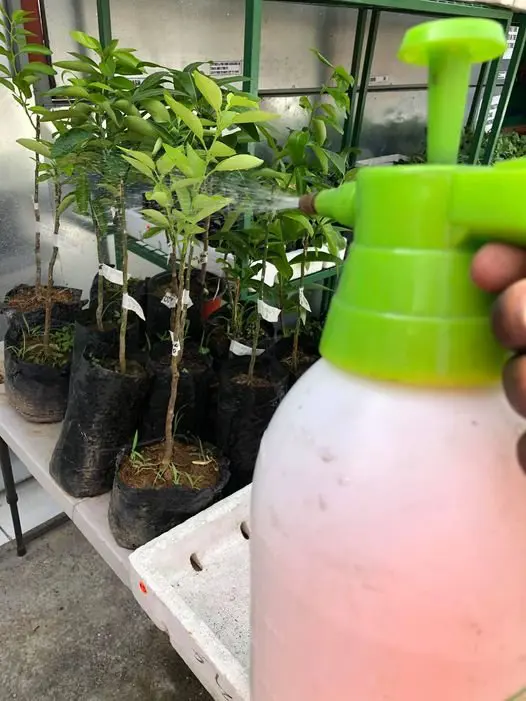
Clover mites especially hate cinnamon's strong aroma. So, if you see them around the garden, spray cinnamon oil with water around the area where you notice their activity. Cinnamon oil has also been proven to kill other insects.
Neem oil is a powerful natural pesticide made from the seeds of neem. It has been proven to have a major impact on more than 150 species of insect pests, making it an excellent choice for maintaining a bug-free kitchen.
Start by mixing 1-2 teaspoons of neem oil with 3-4 cups of water. Add a few drops of mild dish soap to help combine the soil properly. Then, take this mixture in the bottle and spray it in the corner where you see the clover mites.
5. Grow Herbs With Insect Repelling Properties
Sometimes, you can get the help of a herb plant. These plants can be a great addition to your small garden. In the meantime, they also act as natural discouragement for ants and other tiny bugs.
Plants like basil and mint, due to their strong scents, can repel clover mites. But plants like lavender have an amusing perfume that keeps moths and mosquitoes at bay. These plants can be grown in a small container and placed in your indoor garden.
6. Attract Some Natural Insect Predator
These tiny bugs are our enemies, but some giant predator insects may love them as their prey. Natural predators like ladybugs and lacewings feed on the harmful tiny red bugs.
You can establish some diverse habitats in your garden to help these insects get enough food throughout the season. Moreover, these insects are beneficial for maintaining a balanced ecosystem in your indoor garden.
7. Sprinkle Diatomaceous Powder
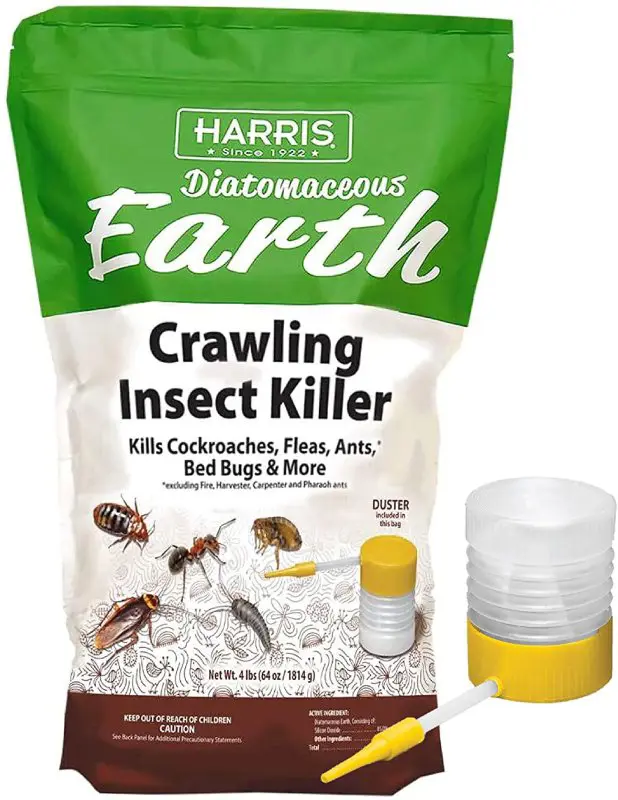
You may think it is not diatomaceous earth powder chemical companies. Well, 80-90% of silica and 2-4% of alumina are naturally produced by sedimentary rock. The soft, white powder is safe for humans to consume.
In the meantime, the powder is known to be effective in controlling the massive range of insect populations. Sprinkle the powder around the affected plant and look for the crack where these tiny spider bugs hide or where you see signs of their infestation.
8. Mix of Vinegar and Dishwashing Soap
The solution works like a charm against those pesky clover mites. The strong smell of vinegar and traps of dish soap repel and kill them by breaking their exoskeleton.
Take the solution and spray the mixture in the area with a high infestation of these small mites. They are found mostly around doors, windows, and baseboards. The fun part is that it is safe to use without any toxic chemicals. As you clean the area again, reapply the spray as it can be so effective.
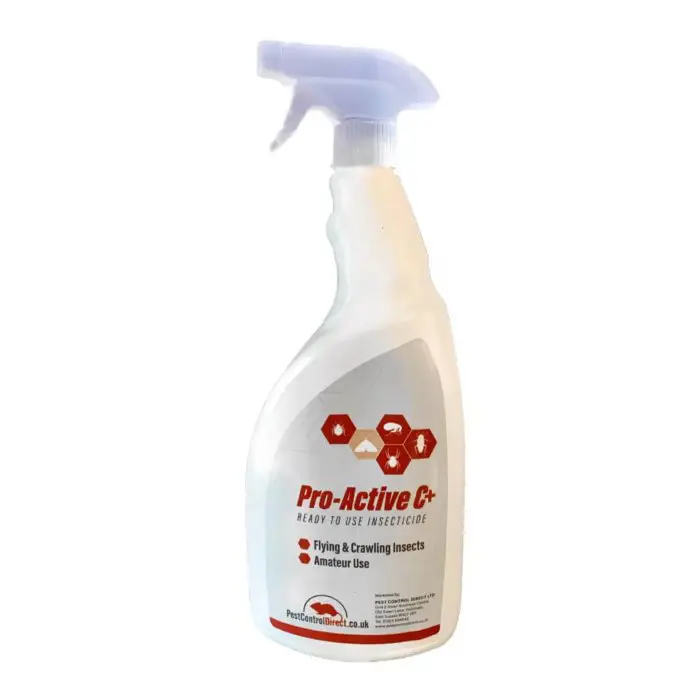
Even after, the efforts to get rid of clover mites naturally went in vain. Then, do not worry about these chemical methods to get rid of these mini red spiders.
With careful use, these are pretty effective and prevent the infestation of clover mites.
10. Insecticidal Soap
Insecticidal soap is considered the natural option. It suffocates the mites and destroys their cell membranes. This method is popular for controlling the infestation of these bugs in indoor areas and plants.
It is one of the safest methods for humans and the environment. However, it cannot always be effective if there is a large infestation.
11. Permethrin
The first insecticide is synthetic permethrin. It can quickly create havoc in the nervous system of the inset and cause paralysis and death. You should spray both indoors and outdoors to target clover mites directly.
Before you use the spray, please look for a permethrin-based insecticide suitable for outdoor and indoor use against other pests. If the infestation is persistent, you can apply it again after a few days.
12. Malathion
Malathion is another broad-spectrum insecticide that can control the massive population of clover mites. Its action is similar to that of permethrin, as it destroys insects' nervous systems.
When clover mites come into contact with this pesticide, a buildup of acetylcholine occurs, which causes paralysis and death. On the other hand, it is versatile for pest control, as it can be applied both in agricultural and residential settings.
13. Chlorpyrifos
Chlorpyrifos is an organophosphate insecticide that works differently. It impedes the enzyme acetylcholinesterase, which breaks down each neurotransmitter cell.
It happens as the drops of chlorpyrifos bind with it and cause paralysis. On the other hand, it is effective against pests, but humans and pets must be careful due to its safety concerns.
14. Tetramethrin
Tetramethrin is a synthetic insecticide that is quite common in aerosol spray for indoor pest control. It is proven to kill tiny red bugs faster than any other chemical insecticide.
Its working mechanism is the same as that of another insecticide: it disrupts the nervous system and causes death. At the same time, it is also useful to treat some of the hard-to-reach areas, such as a deep area in your corner that the clover mites love.
15. Cyfluthrin
Yet another synthetic insecticide like tetramethrin is cyfluthrin. But these are a bit different. It is mainly used in outdoor settings, where it acts as a protective barrier for pests and manages their population without being toxic.
When the tiny spider bugs come in contact with this chemical, it hinders the sodium channels of the nervous system and leads to death.
If, after using those chemical pesticides and natural methods, you still have some tiny clover sites in your house, it is time to go a bit extra and call a professional for help.
Due to their training and certification, they have been proven to get rid of these pests successfully.
16. Professional Pests Service
The first thing to do is to look for a professional pest control service. These experts have the expertise and experience to assess the severity of the situation and determine the best treatment option.
They use professional equipment and methods to apply insecticide safely and effectively, ensuring that it covers hard-to-reach areas. They also recommend preventing future infestations to protect you from further infestations.
17. High Pressure Washing
Next is the high-pressure washing of your carpets, rugs and exterior surfaces. These pressure washers can remove and wash away the eggs of these tiny bugs with their organic matter.
It is also proven to reduce the chance of future infestation. If high vacuuming does not work, you should immediately go for high-pressure washing in outdoor spaces.
18. Install Physical Barrier
Physical barriers are a practical way to prevent them. While you can install these fine mesh screens yourself, calling a professional can be more effective.
You should install these fine mesh screens with openings less than 0-5mm. You should also regularly inspect and maintain these barriers so that they are effective in keeping home clover mite-free.
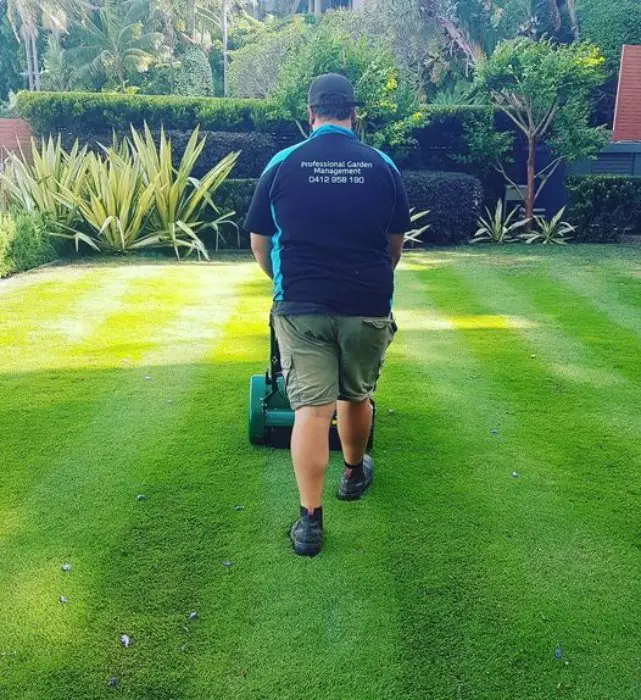
If your outer garden has overgrown grass and an unmanaged landscape, trust me, you are inviting these tiny red bugs into your home. You must maintain the lawn and trim the plants regularly. This helps to reduce vegetation and dense spaces where clover mites thrive.
Keep your outdoor areas tidy and maintain a proper drainage system to prevent the growth of clover mites. For effective cleaning, hire professionals, as they can enhance the aesthetic appeal and ensure the areas are free from these tiny red bugs.
Now that you are aware of the ways to get rid of the tiny spider bugs. But before that, you might want to know the signs they leave signifying their presence.
While these tiny pests are hard to see with our eyes, they are easily visible thanks to their activity.
Presence of Reddish brown Color in Cluster
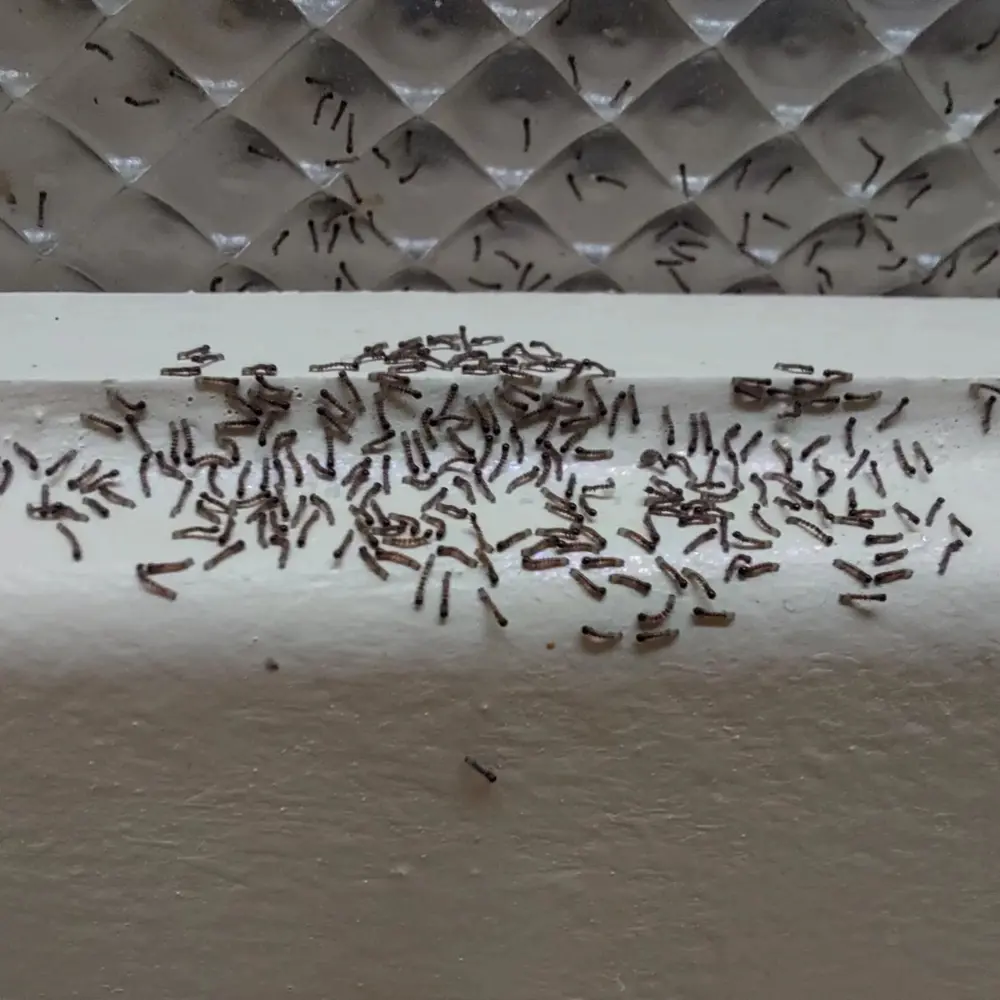
Their red and brown colors are hard to see in the presence of one tiny bug. But as they infested the crowd, their color is easily seen in the corners of the house and walls.
Since their measurements are very small, they are mistaken for other pests. Their distinct color helps to identify them.
Skin Allergic Reaction
As you know, these clover mites come in clusters. When you touch them or come in contact with them, you might have an itchy, red allergy reaction in your skin.
They do not bite you, but their presence can cause the skin to react, causing infection. If you notice them on your skin, this is yet another sign of infestation. Although you might check for other reasons to cause skin irritation, it can be caused by other things as well.
Silver Appearance in Foliage
If your indoor garden plants are showing silver discoloration in the foliage and stem. Then, it is one of the obvious signs that the clover mites are feeding on your precious plants.
These tiny spider bugs extract sap and leave behind a sliver of yellow appearance. This affects the plants causing the leaves to wilt and then dehydrate.
Active Season
These tiny pieces are quite active during spring and late autumn. This is when their eggs hatch and a comfortable temperature further help them populate.
You can find them crawling in the window and other places, looking for warmer weather. Seasonal activity can result in a bad experience with clover mites in your home.
Mite Trail in the Outdoor
Sometimes, looking only indoors may not be enough. These tiny red bugs leave behind their stain on outdoor surfaces like exterior walls, outdoor furniture and patios.
Clover mites thrive in warm weather, so it is obvious that they gather to get the most sunlight in sunny areas. Despite not being harmful, their invasion of your home can be a bit disturbing. It is best to prevent them beforehand.
How to Prevent The Clover Mites
Getting rid of the tiny red insect is not that hard. Regardless of which, prevention is better than cure. So you can implement these simple ways to keep them away from your indoor space.
Regular Vaccum
Vacuuming is proven to be a simple and effective preventive measure. It helps you stay ahead of mite infestations. Besides, these high-pressure vacuums have an air filter that can remove mites from indoor surfaces.
Vacuum promptly and dispose of them in the trash immediately to prevent the captured mites from making their way back to the home.
Seal the Cracks
Sealing gaps and cracks is one way to get rid of clover mites, but it is also helpful to prevent these tiny headaches. The tiny holes can fit in the entire population of this tiny red bug, so it is better to seal them.
To do this, you should first look for the cracks and holes around your indoor spaces and try to use caulk to build a barrier. Also, use some sealant in these cracks to keep them out.
Try To Build Plant Free Area
You might love your indoor garden space. But trust me, so do these tiny pests. So, the best way is to create a plant-free zone to discourage their infestation at your living pace.
To reduce the potential home for these pests, you can create a strip of at least 24 inches with soil and mulch around your foundation. At the same time, keep your outer areas and garden clean. Prune and trim the landscape as required.
You have used the natural barrier to build a plant-free zone. But extra help is appreciated with some barrier treatment. The chemical barriers like diatomaceous earth powder or some silica gel in the corner, window, or door destroy the movement of the clover mites.
These can absorb the moisture from these mites and cause them to dehydrate. It can ultimately kill them. Remember to use them when you clean or wash the area for a better effect.
Fix Moisture Level
Clover mites love warm temperatures and high moisture, so having high humidity in your indoor space can be a problem. It is better to fix these leaky pipes and reduce any standing source of after.
Look out for a proper drainage system to prevent water from accumulating. In the dark area of the basement bathroom, there is more moisture, so regularly check these places.
Types of Clover Mites
There are different types of tiny red clover mites found in your area. The most common type of clover mite found in your home is Bryobia praetiosa. It is known for its tiny size, long front leg, and reddish-brown color.
Besides, in the Tetranychidae family of clover mites, there are other species as well.
Broad Mites: These smaller mites can cause drastic damage to plants. They feed on their sap, which can cause discoloration and stunted growth.
Bryobia Graminum: It is yet another related species with quite a similar appearance and behavior, although it is more commonly associated with grasses and cereals.
Bryobia Kissophila: These are similar yet different mites. Because they are significantly found in ivy plants, they are mistaken for clover mites.
Poultry Red Mite: As the name suggests, these are found in the pollutant and cause irritation and stress in birds. But they are quite hard to find in your home.