Sun-kissed beaches, palm trees that gently sway to the breeze, and all-around fair weather are characteristic of Florida, a state that also hosts a very diverse array of bugs. Whether you are a local or a tourist, chances are you will always bump into them.
Knowing what kinds of bugs are common in Florida will help you be ready for your next outdoor adventure or at least better manage your home environment. The following guide will look at 20 common bugs in Florida, their characteristics, and everything you should know.
1. Palmetto Bug (American Cockroach)
One of Florida's most notorious bugs, the Palmetto bug, is a species of American cockroach. Such big insects often grow up to 2 inches in length and are reddish-brown, giving off some of the unpleasant odors they may let out when bothered.
Their affinity toward warm, humid areas makes Florida the perfect habitat for them. Surprisingly, they can fly, which often leads to very startled encounters with humans. They not only prove annoying but can also spread bacteria.
Of course, lovebugs are a common occurrence all over Florida. Spring and fall are the favorite seasons when insects are actively reproducing. The little black flies are usually in pairs because they remain paired during and after mating.
The fly is harmless, but it becomes a nuisance when swarming in large numbers, especially around highways, whose remains may damage car paint. However, swarming behaviors by the adult flies can be quite a problem, especially for drivers as the acidic nature could cause damage; this may lead to an expensive paint job.
3. Fire Ants
Fire ants are well-known for their very painful stings, which constitute a severe allergic reaction to others. The reddish-brown ants make big mounds in open, sunny areas like lawns and fields.
The fire ant is highly territorial and does defend its nest vigorously. Their sting injects potent venom that causes intense pain, and itching, and may lead to serious allergic reactions, known as anaphylaxis. These ants not only bother humans but also may become dangerous for pets.
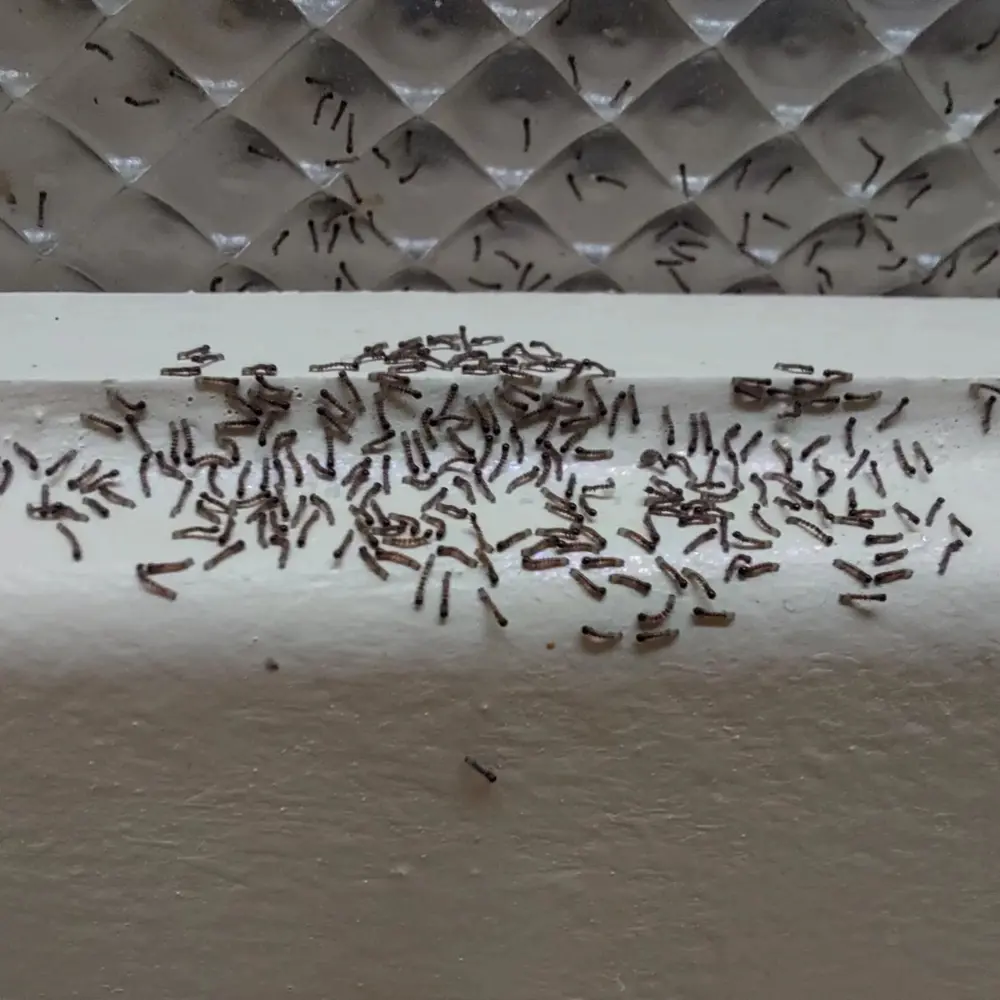
4. Mosquitoes
Very common bugs in Florida, especially in areas with standing water, include mosquitoes. More than just an annoyance to the skin, these little blood-suckers transmit viruses such as Zika, dengue, and West Nile virus.
Mosquitoes are most active during the dawn and dusk time frames. During these hours, what appeared to be a nice evening outdoors may turn out to be very itchy. s. The mosquito population is, therefore, a public health concern in Florida.
5. Florida Carpenter Ants
Florida carpenter ants are large ants colored red and black. Unlike the termite, the carpenter ant does not feed on wood but excavates into it for a nesting site. They thus have a liking for wood that is rotten, making the humid climate of Florida very conducive to population growth.
These ants are most active at night and forage for food both indoors and outdoors. They have a sweet tooth and thus end up in many kitchens. Not wood eaters themselves, their habits in nesting still have the effect of weakening structures.
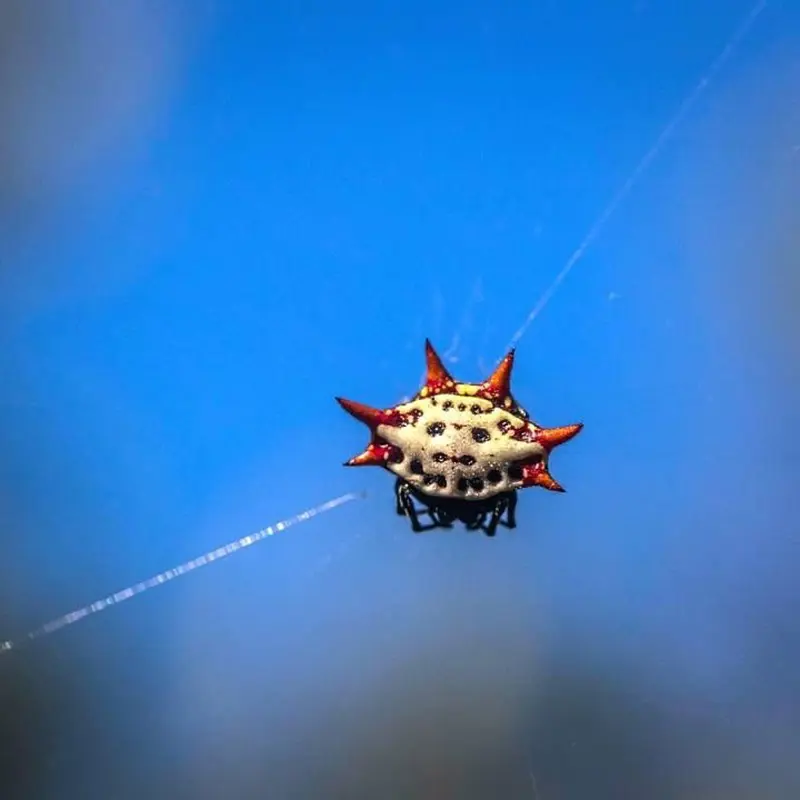
The spiny orb-weaver spider is probably one of the more striking insects in Florida. These small spiders are typically less than an inch in length, very spiny, crab-like in appearance, and brightly colored with white, yellow, and red.
They are harmless to man and generally quite beneficial because they control the populations of many insects by catching them in their webs. The spiny orb-weavers are most commonly found in gardens, between trees, shrubs, and other structures where it is possible to construct their elaborate webs.
7. Asian Cockroach
The Asian cockroach is a recent introduction to Florida and is quite similar in appearance to the German cockroach. Small, light brown, they are often mistaken for their more infamous relatives, but they do have one rather distinctive behavior: they are positively phototropic.
The Asian cockroach is a very good flier and tends to be attracted to light at night. They are predominantly an outdoor species but readily enter buildings, especially when there is much vegetation or gardening in the immediate vicinity. Their strong phototaxis makes control very difficult.
8. Silverfish
Silverfish can be described as small, wingless insects with elongated bodies covered with silvery scales. They are nocturnal bugs that are harmless to humans but inhabit moist, dark areas like bathrooms, kitchens, and basements. They have the potential to damage books, wallpaper, and clothing by feeding on starchy materials.
One of the oldest-known insects, silverfish existed over 400 million years ago. Due to their nature, they are commonly found in Florida homes. They are also famous for the destruction they cause through their feeding.
9. Termites
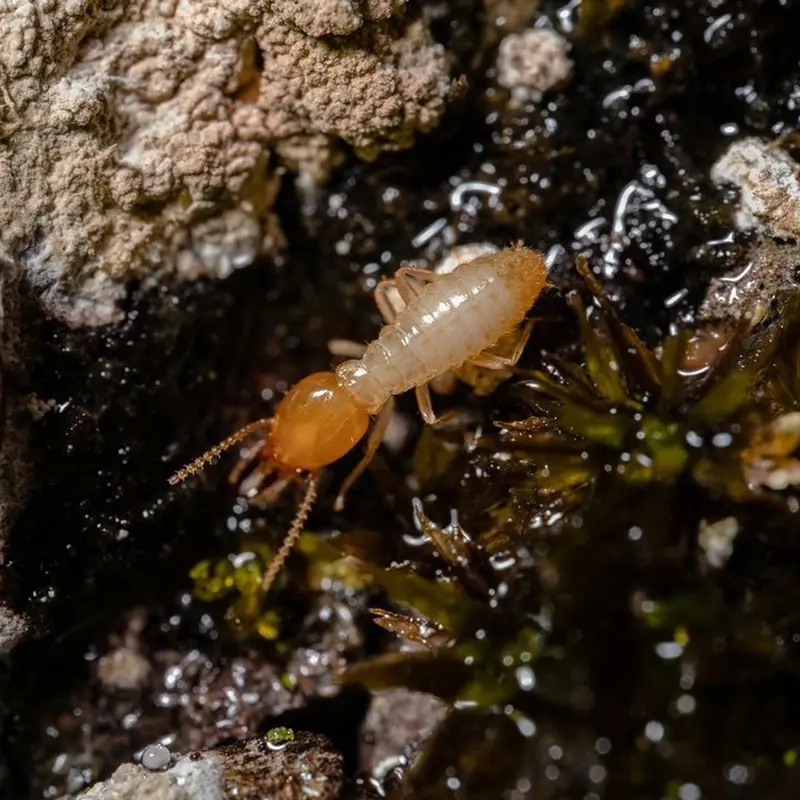
Termites are among the most destructive insects in Florida, causing millions of dollars in structural damage each year. These wood-eating insects reside in colonies and can remain hidden for years, causing extensive damage to wood-structured buildings.
The ones most common in Florida are subterranean and dry-wood termites; control measures for both differ. Subterranean termites build huge underground colonies that enable them to easily infest a house through cracks in the foundation, even hairline ones. Drywood termites, on the other hand, infest dry wood.
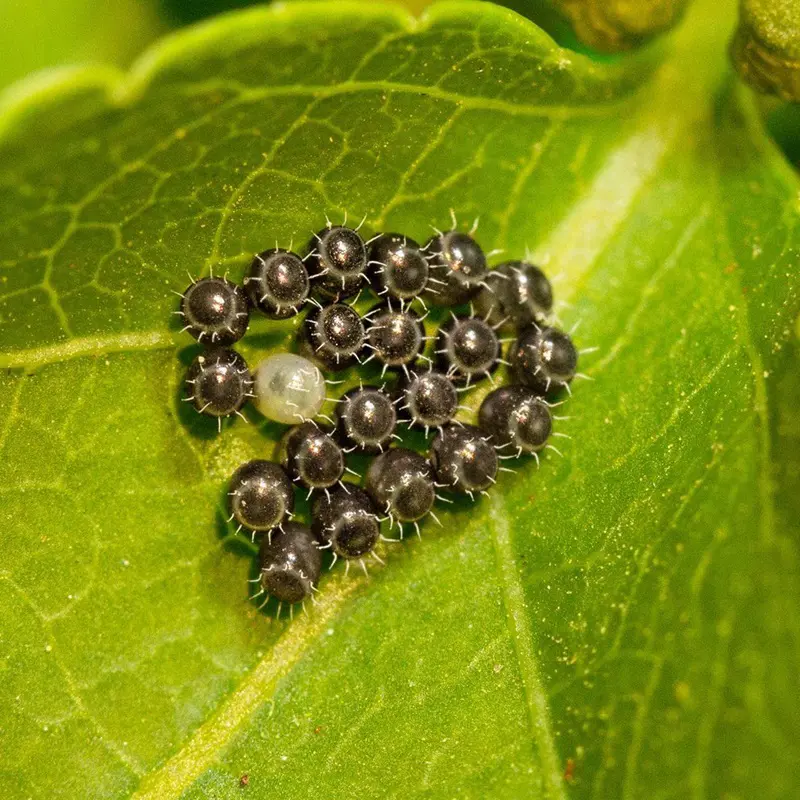
Stink bugs belong to the order Hemiptera, are shield-shaped and have an oval body that is characteristic of the family Pentatomidae; they have the propensity to emit a foul smell when disturbed or crushed. In Florida, they can be found on most plants and feed on fruits and vegetables.
Though they may not bite or cause direct harm to human beings, their feeding may result in serious injury to crops and ornamental plants. The major problem caused by stink bugs is largely to farmers and gardeners, whose crops they can blemish or ruin by feeding on them.
11. Yellow Fever Mosquito
This species of mosquito is characterized as small, and dark with white bands on its legs, and the thorax has a lyre-shaped design. It is a principal vector for devastating illnesses, including yellow fever, dengue, and Zika virus. In Florida, it is found to be prevalent in urban areas where standing water provides breeding sites.
Yellow fever mosquitoes are very aggressive day-biting mosquitoes and can pose a serious public health problem in Florida. Their populations are controlled through public health measures and personal precautions.
12. Florida Woods Cockroach
Florida wood cockroaches measure up to 1.5 inches long, are dark brown to black, and emit a foul, musty odor when threatened or disturbed. In general, these bugs will be seen in wooded areas, under leaf litter, or generally in any humid area.
Although they rarely invade homes, they can be a nuisance when they do so. Florida wood cockroaches do not move about very quickly and generally are outdoors, where they feed on decaying organic matter.
13. House Fly
The common house fly is all over the place, mostly in Florida during summer. The flies are attracted to food, refuse, and dung of animals where the females lay their eggs. Houseflies present the possibility of becoming a nuisance and transmitting disease because they pick up pathogens from unsanitary surfaces and land them on food.
Houseflies breed quickly; the females can lay hundreds of eggs within their very short lives. This can result in a huge population in very little time, especially in unsanitary areas.
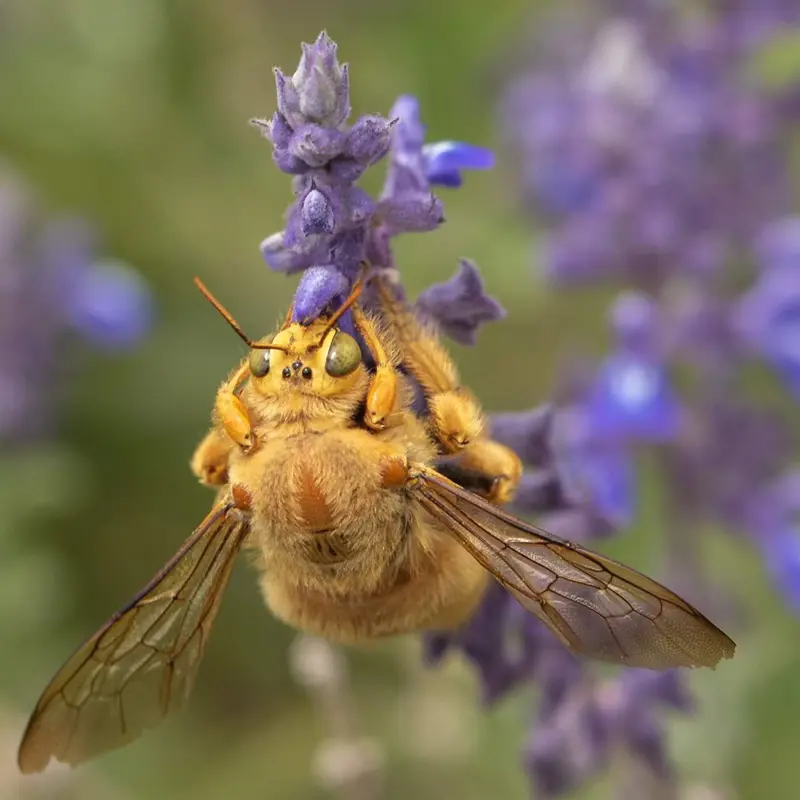
The Florida carpenter bee is a large, solitary bee notorious for boring into wood to construct its nests. They are often mistaken for bumblebees; however, the feature that distinguishes the carpenter bees from their kin makes them capable of inflicting serious damage on wooden buildings.
While they are not violent, they can grow into a problem if they become located near residences. According to entomologists, the carpenter bees bore into untreated or weathered wood and lay eggs in tunnels.
15. Brown Recluse Spider
The more dangerous insect to be found in Florida is the brown recluse spider, responsible for the induction of serious skin necrosis and its effects on human health through a venomous bite. These spiders are usually brown and have a fiddle-shaped mark on their back.
Brown recluse spiders are really shy and will always avoid contact with humans, but they will bite when threatened. Their venom causes great damage to tissue and thus forms painful wounds that sometimes may need medical attention.
16. Assassin Bug
The assassin bugs get their name from how they stab their prey to death with their long, pointed mouthparts and subsequently liquefy them from the inside out employing lethal saliva. Most of the time, these bugs are helpful, but some species can be harmful.
Most assassin bugs live in gardens and include very many of the pests, such as aphids, caterpillars, and beetles, in their diet. While generally beneficial, their sting is rather painful, and they need to be treated with caution.
17. Florida Predatory Stink Bug
Unlike plant-feeding stink bugs, the Florida predatory stink bug is an excellent and valuable insect, preying on other pests such as caterpillars and beetles. These bugs are of similar shield-like shape, though mostly larger and stouter than their plant-feeding family members. They often occur in garden situations and agricultural fields.
In Florida, predatory stink bugs are major contributors to natural pest control, keeping other injury-causing insect populations in check.
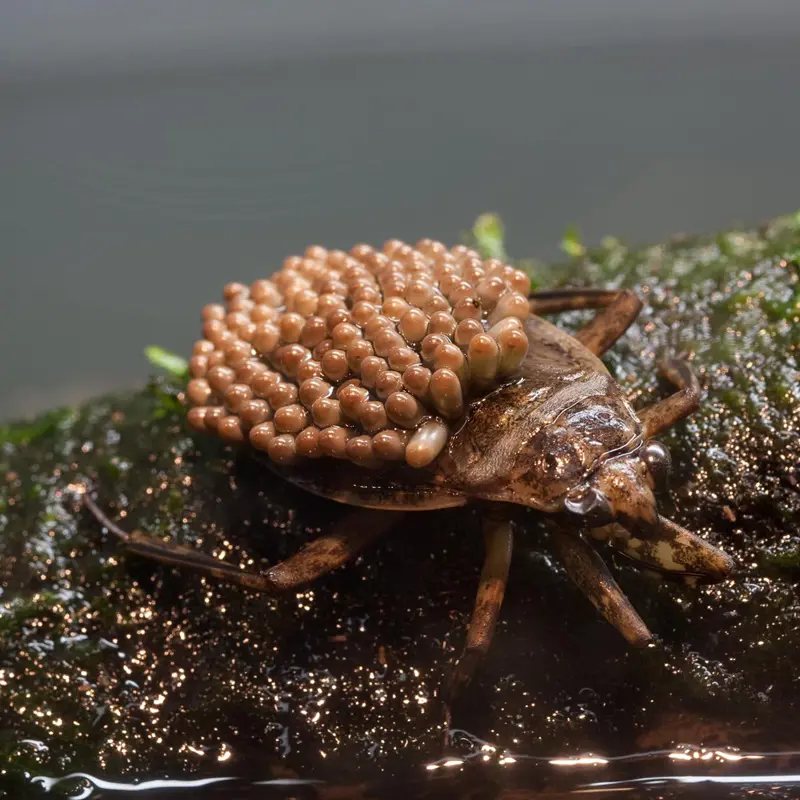
The giant water bug, also known as the "toe biter," is one of the big bugs in Florida that can deliver a painful bite. The big, aquatic insects are normally found in freshwater environments such as ponds, lakes, and slow-moving streams. They are predators feeding on fish, amphibians, and other insects.
The giant water bug can inflict a painful bite into humans with sharp mouthparts used to inject digestive enzymes into prey. Though bites are not dangerous to humans, they are painful.
19. Velvet Ant (Cow Killer)
Contrary to the name, the velvet ant is a wasp that has no wings. These brightly colored insects in red or orange are very famous due to their extremely painful sting and hence nicknamed "cow killer." Velvet ants are, always found in sandy areas where they hunt ground-nesting bees and wasps.
Velvet ants do not seem to be aggressive and usually only sting when threatened. While it's reputably among the most painful stings by any insect, it's not dangerous, unless a person is allergic.
20. Florida Harvester Ant
The Florida harvester ant is an ant that is reddish-brown in color, extremely painful in its sting, and seed-collecting for hoarding in underground nests. They are most often found in sandy soils, primarily in the country or in undeveloped areas. Their big and conspicuous mounds present a considerable nuisance, especially in pastures or on lawns.
Though not typically aggressive on their own, harvester ants do go to great lengths to defend their nests when molested. Their stings can be quite painful, and some people may even experience allergic reactions to the stings on occasion.
Invasive Bugs in Florida
Due to its warm weather, high humidity, and varied ecosystems, Florida has created a variety of ideal habitats for endemic species and, unfortunately, invasive species. Invasive bugs are those species that have entered Florida from other places and have become established members of its ecosystems.
Unlike native species, most invasive bugs have few or no natural predators within the new environment to halt their propagation. Consequently, they increase rapidly and frequently outcompete local species. This may lead to significant ecological imbalance and damage to the economy, and sometimes it even risks human and animal health.
For the most part, invasive bugs find their way into Florida via many gateways that are closely related to human activities. Global trade and travel are extremely large contributors, with Florida's busy sea-ports and airports used as entryways of goods and people from all over the world.
It is rather easy for the bugs to get their way into cargo containers, wood pallets, or even into the bags of travelers. For instance, the Asian longhorned beetle most likely gained entry into the United States via wood packaging material associated with international shipping.
2. Imported Plants and Soil
Another large pathway of invasive species introduction is through imported plants and soil. Florida's sizable agriculture industry, combined with the popularity of gardening, increases the movement of ornamental plants, fruits, vegetables, and soil into the state.
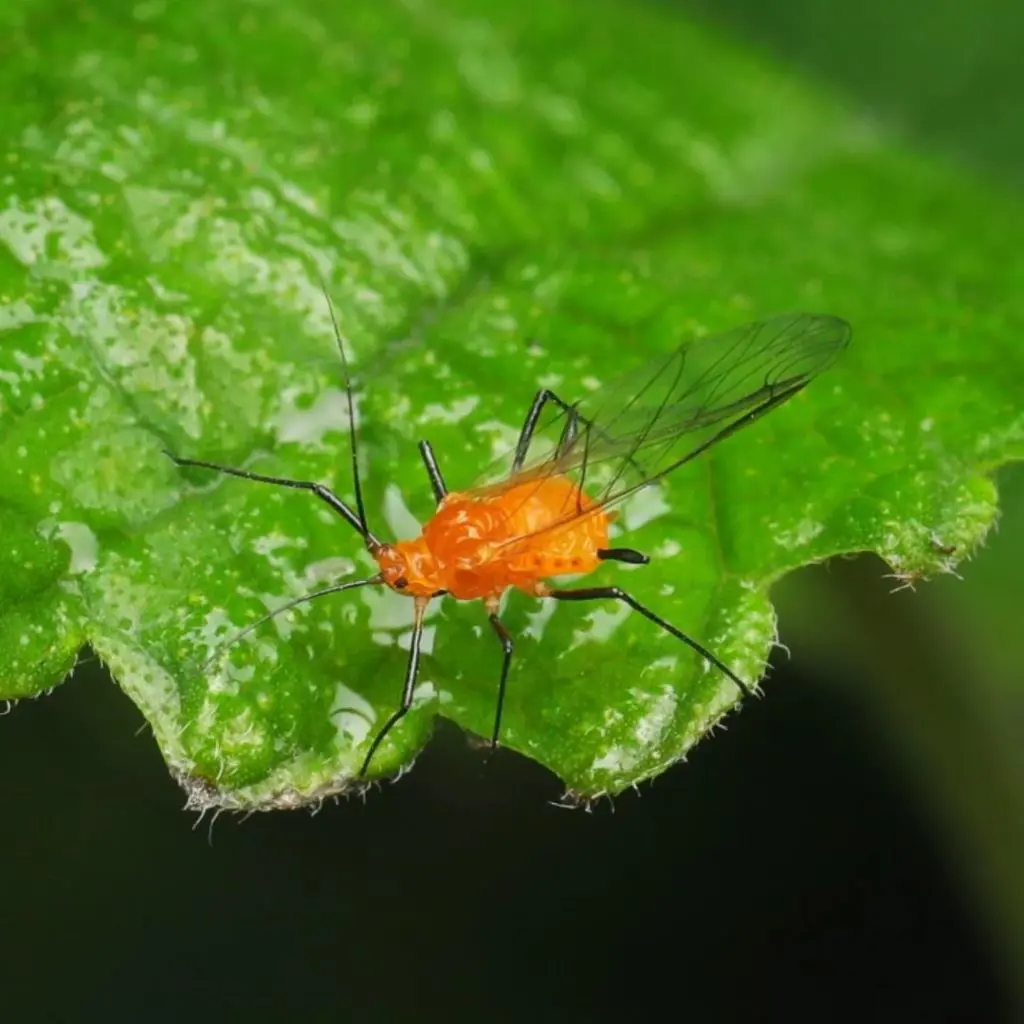
Most invasive insects, like aphids or beetles, can be hidden in the leaves, stems, or roots of plants. Invasive species have been very detrimental to agriculture, with the biggest toll on the citrus industry.
3. Natural Dispersal
Natural dispersal is also an important means of spreading invasive species in Florida, particularly in light of changing environmental conditions. For invasive species gaining entry into new territories means survival and thriving, climate variability notwithstanding.
Climate change is changing the distribution of many insect species because warmer temperatures now allow insects to survive where it was previously too cold. Moreover, insects can naturally disperse over very long distances by wind or water currents, such as in hurricanes, that may transport insects from other regions into Florida.
Managing Bugs In Florida
Successful management of bugs in Florida requires a multi-faceted approach that includes Integrated Pest Management, prevention, monitoring, public awareness, and professional services.
Some preventative measures include sealing entry points, managing wastes, maintaining landscapes in such a way that they discourage pests' presence, monitoring regularly, and detecting any infestation at an early stage to enable timely identification and control.
Health Risks Associated with Bugs
Health risks associated with bugs in Florida are significant due to the diverse range of insects and bugs in Florida, including both common pests and big bugs in Florida. Florida bugs, such as mosquitoes, ticks, and fleas, are notorious for transmitting diseases like West Nile virus, Zika virus, and Lyme disease.
Insects in Florida, such as certain beetles and ants, can cause allergic reactions or skin infections through bites or stings. Additionally, some Florida insects, including invasive beetles in Florida, can impact public health by spreading pathogens or exacerbating allergic conditions.