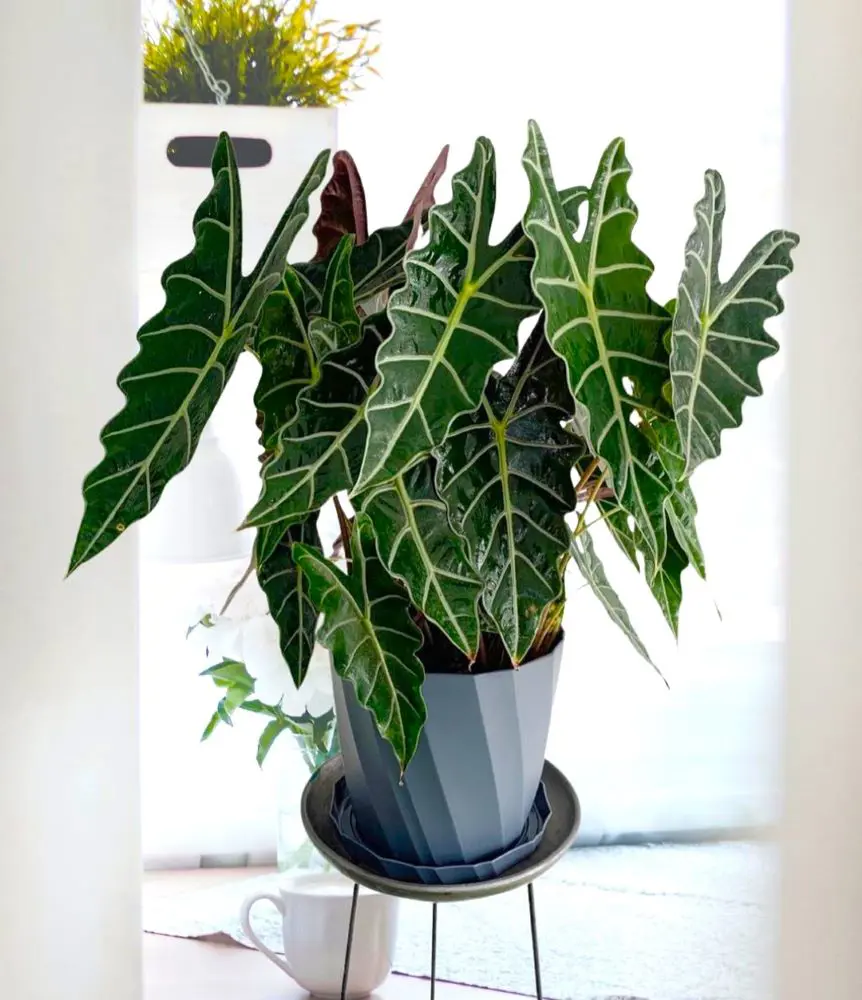
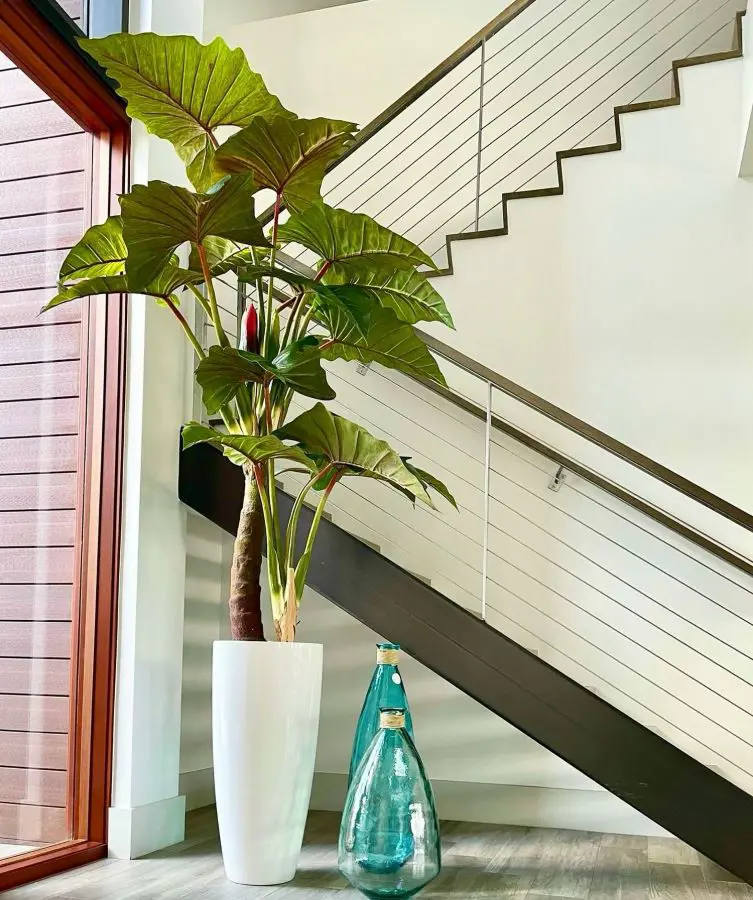
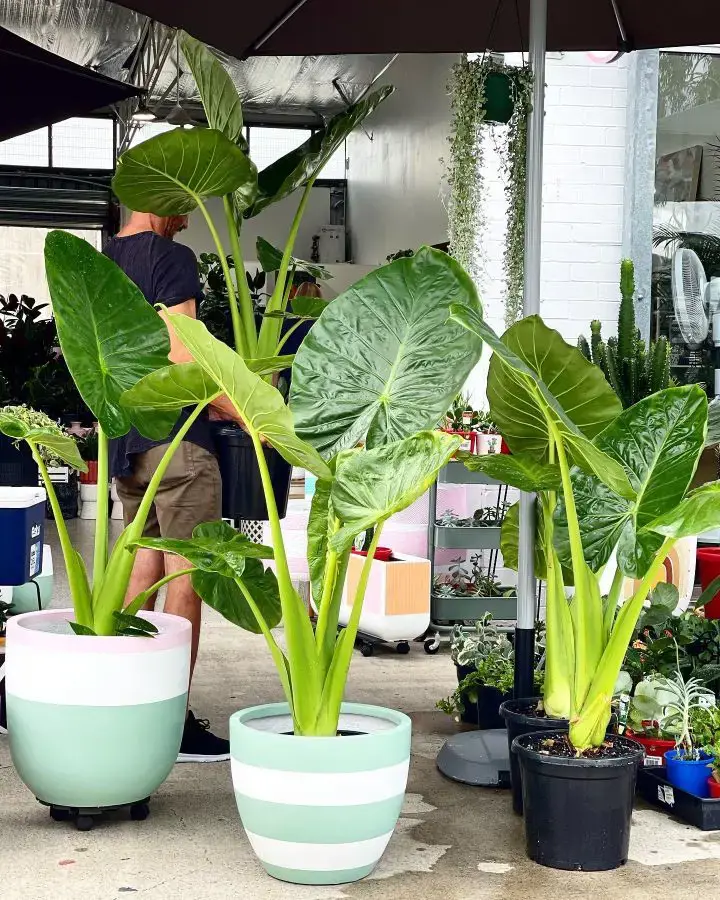
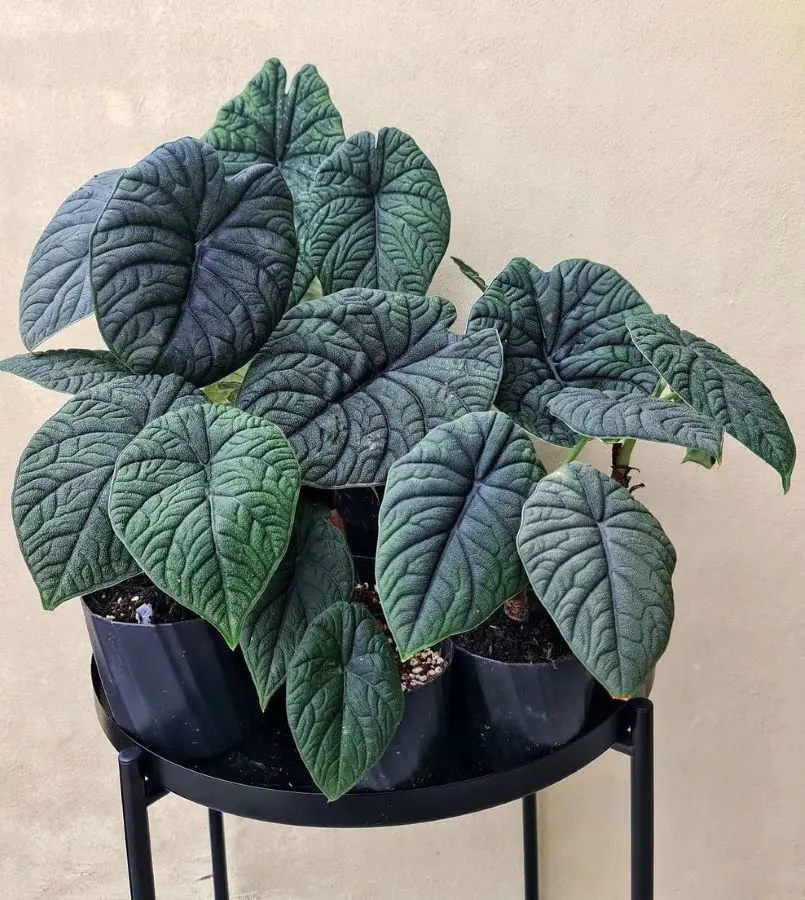
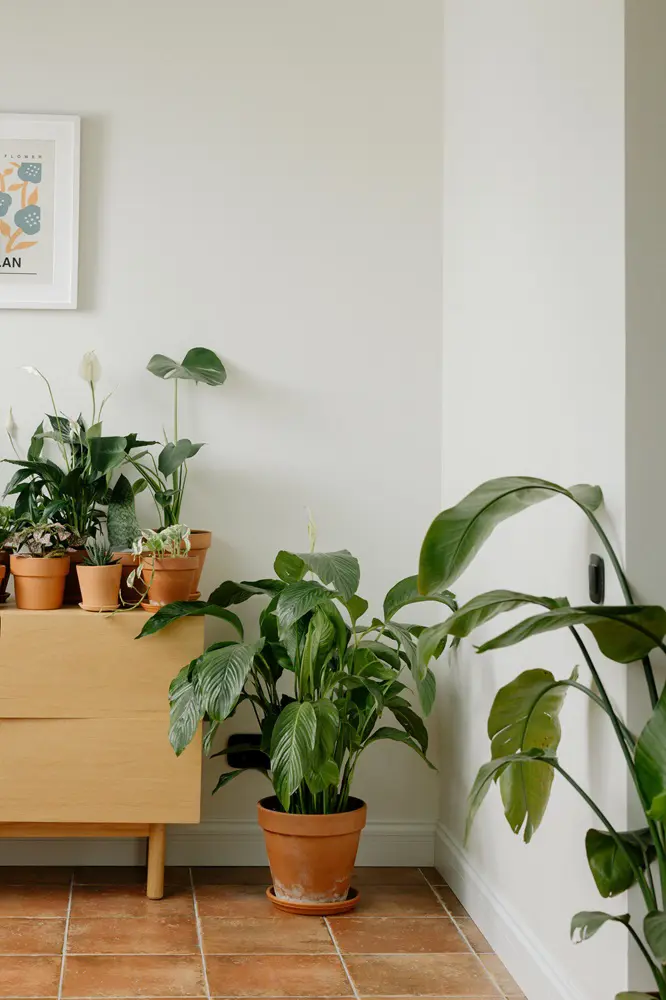
Alocasia, commonly known as elephant ears or African mask plants, is an exotic plant known for gracing indoor and outdoor gardens. With its large, heart-shaped leaves and unique patterns, Alocasia brings a touch of tropical elegance to any space it occupies.
Known for their air-purifying qualities, these plants help to improve indoor air quality by removing toxins and pollutants. This makes them not only aesthetically pleasing but also beneficial for one's health and well-being.
Alocasia Overview
Botanical Name
Alocasia spp.
Common Name
Alocasia, elephant's ear, African mask plant
Family
Araceae or Aroid
Type
Herbaceous perennial
Size
2–10 ft. tall, 2-10 ft. spread (depends on species and variety)
Sunlight Requirement
Bright indirect light indoors; part shade outdoors
Soil Type/pH
Loose, well-draining potting mix or crumbly loam/Slightly acidic (5.5 to 6.5)
Alocasia can be relatively easy to care for under the right conditions, but they do have specific requirements that need to be met. Under optimal conditions, these plants can grow to impressive heights, with some species reaching 10 feet tall. However, the exact height can vary depending on the species and growing conditions.
Here are some tips for caring for Alocasia plants:
Light
Alocasia plants like bright, indirect sunlight. They can handle low light, but they won't grow as well. Too much direct sun can also harm their leaves, so it's best to keep them out of it. Indoors, place them near a window where they can receive bright, indirect light, or provide supplemental grow lights if natural light is limited.
Soil
Alocasia plants prefer slightly acidic to neutral soil with a pH level between 5.5 and 7.0. They like loose, crumbly soil that lets air flow through. It's important to plant them in a pot with drainage holes to prevent their roots from getting too wet. Use a well-draining potting mix rich in organic matter, such as a blend of peat moss, perlite, and compost.
Water
These plants like consistently moist soil but are susceptible to root rot if overwatered. Water thoroughly when the top inch of soil feels dry to the touch, allowing excess water to drain away freely. Ensure that the pot has drainage holes to prevent water from accumulating at the bottom.
During the growing season (spring and summer), water more frequently. And, reduce watering in the cooler months (fall and winter) when growth slows down.
Temperature
Alocasia plants prefer warm temperatures and lots of humidity. They do best in rooms that are warmer than 60°F. Placing them in places like bathrooms or kitchens where there's more moisture can help them thrive. Protect them from cold drafts during the winter months, and maintain a consistent temperature to promote healthy growth.
Fertilization
Feed Alocasia plants with a balanced liquid fertilizer diluted to half strength every 2-4 weeks during the growing season (spring and summer). Reduce or withhold fertilizer during the dormant period in fall and winter, when growth slows down. Avoid overfertilizing, as excessive nutrients can lead to salt buildup in the soil and cause damage to the plant.
Humidity
These plants love humidity. You can mist them regularly or put them on a tray of pebbles to increase the moisture around them. Keep them away from cold drafts and air conditioners, though, as they prefer warmth.
Pruning isn't crucial for the health of your Alocasia plant, but it can spruce up its appearance and encourage fresh growth. Pruning helps by getting rid of dead or damaged leaves, sparking new growth, and keeping the plant's size and shape in check. The best time to prune is during spring or summer when the plant is actively growing, giving it time to bounce back and grow new leaves.
Focus on snipping away dead stems, yellow or brown leaves, any injured parts, and bits of the plant that aren't doing so well. Grab a pair of sharp pruning shears or scissors. Keep them clean and sanitized to prevent any diseases from spreading.
How to Prune
Here is a simple guide on how to prune these humidity-loving bathroom plants:
Take a good look at your alocasia to pinpoint which areas need trimming.
Mark the spots you want to prune to avoid accidentally snipping healthy bits.
Give your pruning gear a good clean with soap or rubbing alcohol before and after each trim.
Use those sharp shears to make clean cuts at a 45-degree angle close to the base of the stem or leaf.
After pruning, sprinkle cinnamon powder on the trimmed areas. It acts as a natural fungicide and helps prevent infections.
Watch for any signs of stress in your plant after pruning and give it the care it needs to bounce back.
Just a heads up, try not to trim off more than 25% of the plant at once to avoid overwhelming it. Proper pruning can keep your Alocasia looking healthy, lively, and nicely shaped.
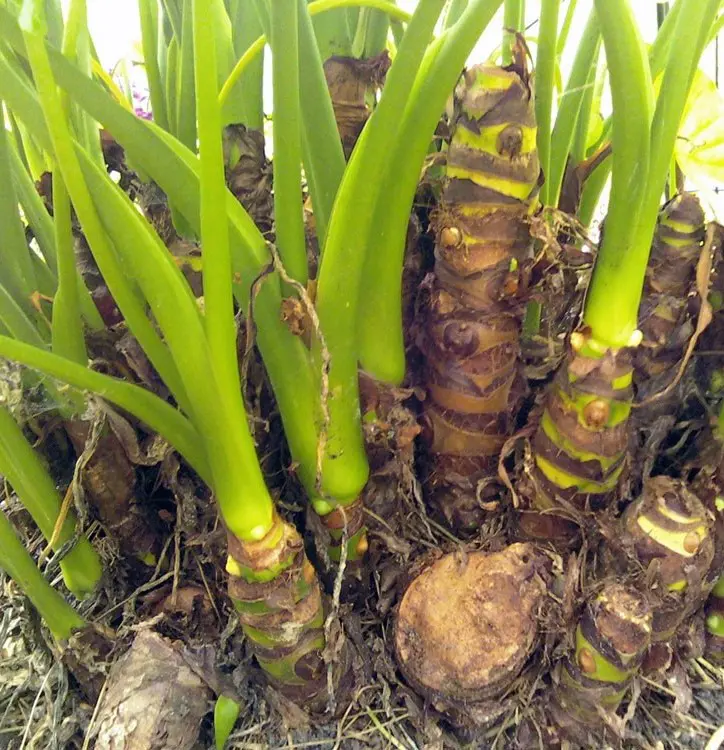
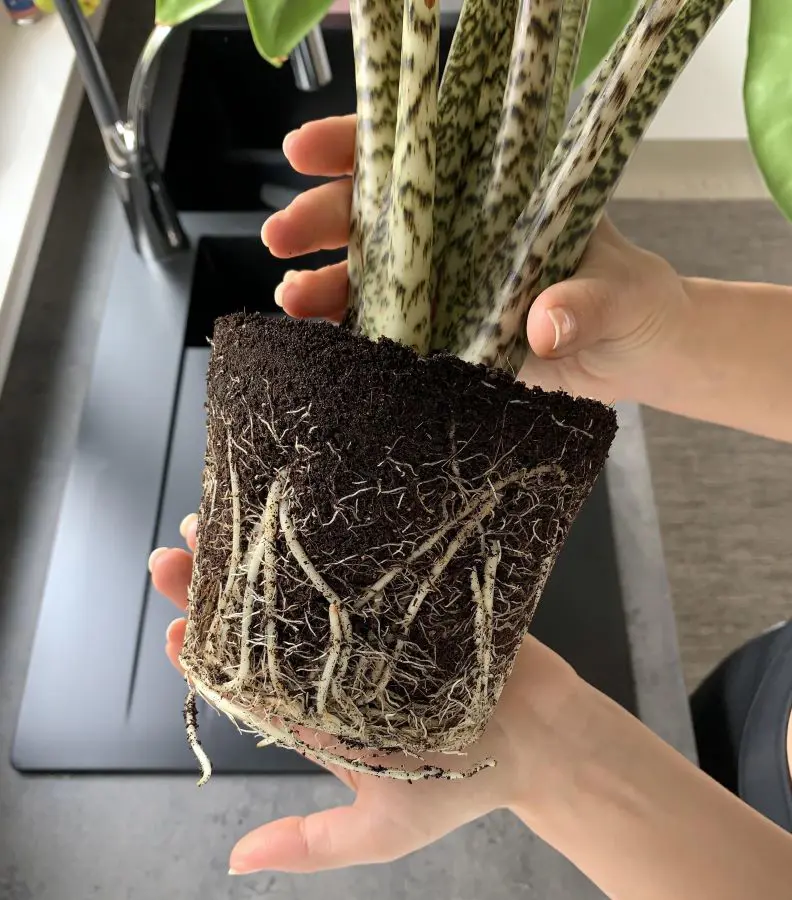
Alocasia plants can be propagated through several methods, with division being the most common. The best time to propagate through division is during the plant's active growing season, which is typically in spring or early summer. This allows the divided sections to establish themselves more quickly in favorable growing conditions.
Before dividing the plant, prepare the necessary tools and materials. You'll need a sharp, sterilized knife or gardening shears, a suitable potting mix, and pots or containers for the new plants.
Here is how to propagate them through division:
Choose a mature Alocasia plant with healthy rhizomes (underground stems).
Carefully remove the plant from its pot or dig it up from the garden bed.
Gently shake off excess soil to expose the rhizomes.
Use the sharp knife or shears to divide the rhizomes into sections, ensuring that each section has at least one healthy growth point (node) and a portion of the root system attached.
Plant each divided section into a pot filled with well-draining potting mix.
Position the rhizome horizontally, just below the soil surface, and lightly firm the soil around it.
Water thoroughly and place them in a location with bright, indirect light and maintain consistent moisture in the soil.
Keep an eye on the newly propagated plants for signs of stress or disease.
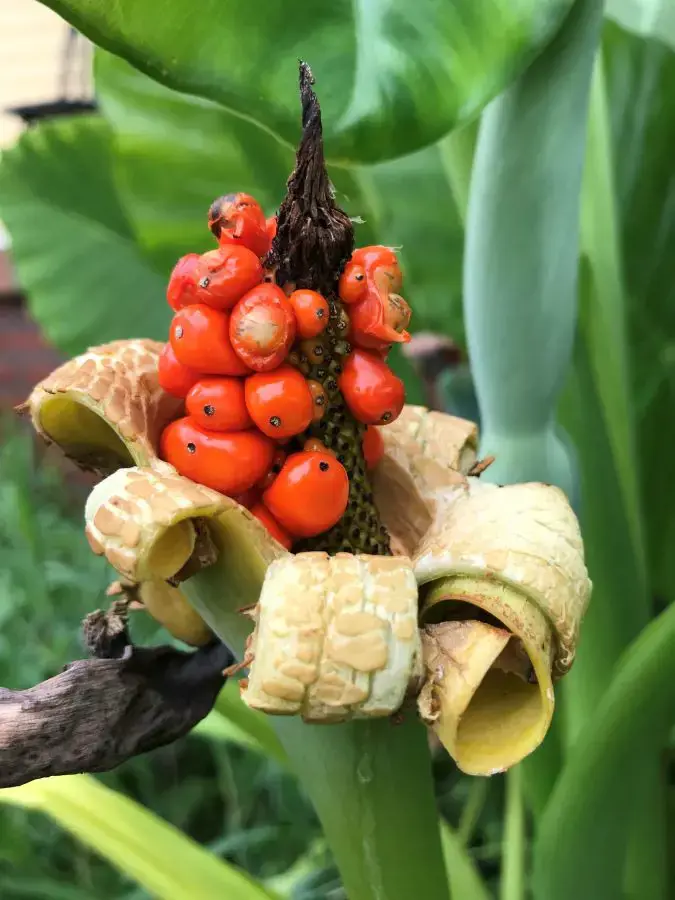
Growing Alocasia from seeds is less common compared to propagating through rhizome division. This method can be more challenging and time-consuming. However, if you have a flowering Alocasia plant that produces seeds, it is possible to grow new plants from them.
Here are the steps to grow Alocasia from seeds:
Allow the Alocasia plant to flower and produce seeds. Once the seeds are mature, collect them from the seed pods or flowers.
Remove any pulp or flesh from the seeds, and clean them thoroughly with water.
Optionally, scarify seeds lightly to aid germination.
Plant seeds in a well-draining potting mix, pressing lightly into the soil.
Keep the soil consistently moist in a warm, humid environment (70–80 °F).
Provide bright, indirect light for seedlings.
Germination may take weeks or months; be patient.
Transplant seedlings into individual pots when they are large enough.
Continue with warm temperatures, indirect light, and moisture.
Alocasia plants need to be repotted periodically to keep them healthy and thriving. The best time for repotting is in the spring or early summer when the plants are most active and strong. For smaller plants, repotting should be done every 12–18 months, while larger ones can go about 18–24 months before needing repotting.
When choosing a new pot, make sure it's one to two inches larger in diameter than the current one to accommodate growth. Opt for a nonporous plastic pot with drainage holes to prevent soil from drying out too quickly.
During repotting, check the roots to ensure they're healthy, remove old soil, and carefully transfer the plant to its new pot without harming the roots. After repotting, water the plant generously to help it recover from the shock.
The frequency of repotting depends on the plant's size and growth rate. Signs that it's time to report include roots visible on the soil surface or growing out of drainage holes, slowed growth, or wilting between waterings. When repotting, it's crucial to select:
the right pot size
use the appropriate soil mix, and
employ proper repotting techniques to avoid injuring the plant.
Alocasia plants are mainly cultivated for their stunning leaves, yet they may produce flowers during spring, more frequently in older plants.
Even indoors, Alocasia may bloom if it's content and provided with suitable conditions. To prioritize leaf growth, it's advisable to remove the inflorescences promptly.
Alocasia thrives in bright, indirect light and high humidity, factors that can promote flowering. While proper care, including light, temperature, humidity, and watering, may encourage flowering, Alocasia is primarily admired for its exquisite foliage.
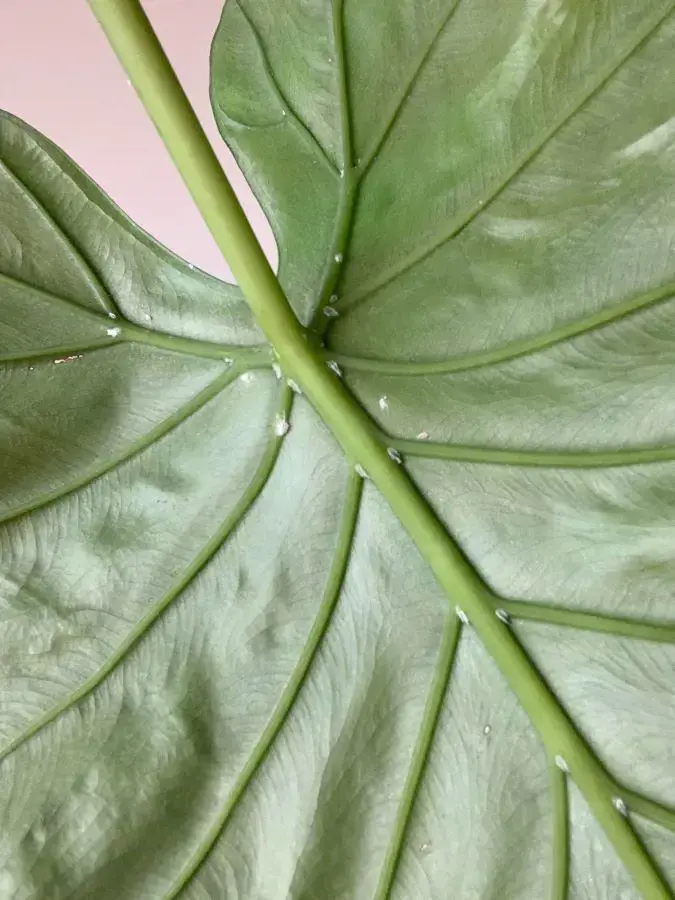
Alocasia plants can be vulnerable to various pests and diseases, which can impact their well-being and development. Common pests include spider mites, mealybugs, scale insects, aphids, and whiteflies, leading to problems like yellowed leaves, stunted growth, and leaf damage. To manage these pests,
Using insecticidal soap or neem oil regularly can be effective.
maintaining cleanliness by removing dead or damaged leaves and
Inspecting new plants before adding them to your collection can prevent pest outbreaks.
As for diseases, Alocasia plants may suffer from root rot, leaf spot, powdery mildew, and taro leaf blight. These issues often stem from factors like excessive watering, poor drainage, and humid conditions. Symptoms may include yellowing leaves, unpleasant odors from the soil, brown or black spots on leaves, and powdery patches. Treating these diseases involves
adjusting watering habits
improving air circulation
employing fungicides or insecticidal soaps
trimming affected parts
repotting in fresh soil if needed, and
maintaining proper growing conditions.
Taking preventive measures such as ensuring optimal growing conditions, avoiding overwatering, providing good drainage, regularly inspecting plants for signs of pests or diseases, and quarantining new plants before introducing them to your collection can safeguard Alocasia plants from common pest and disease issues.
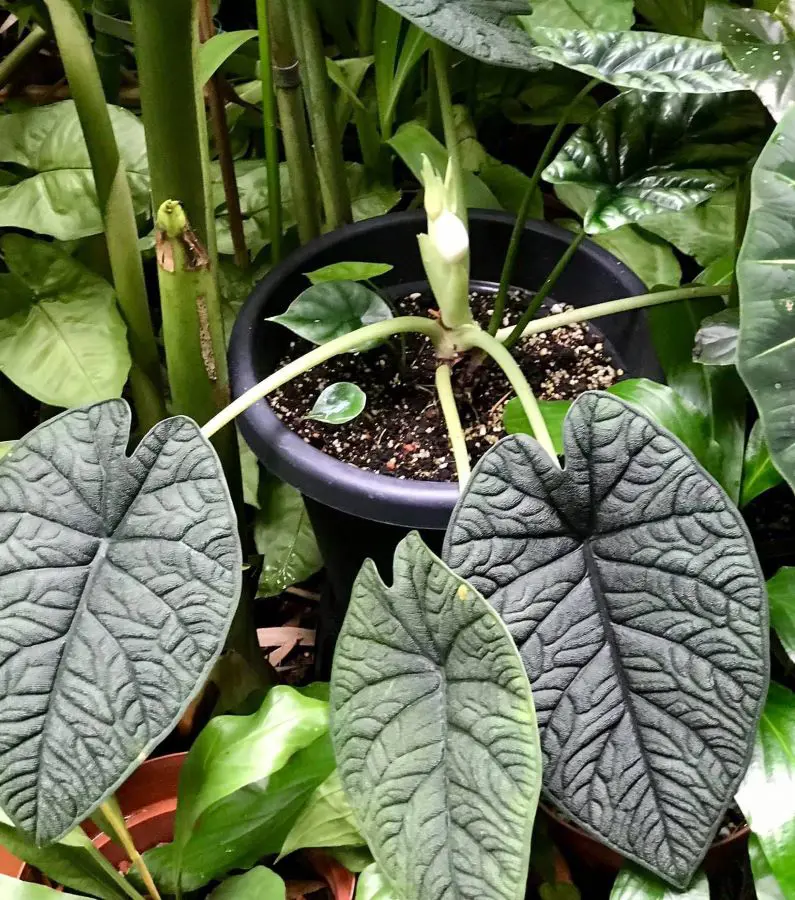
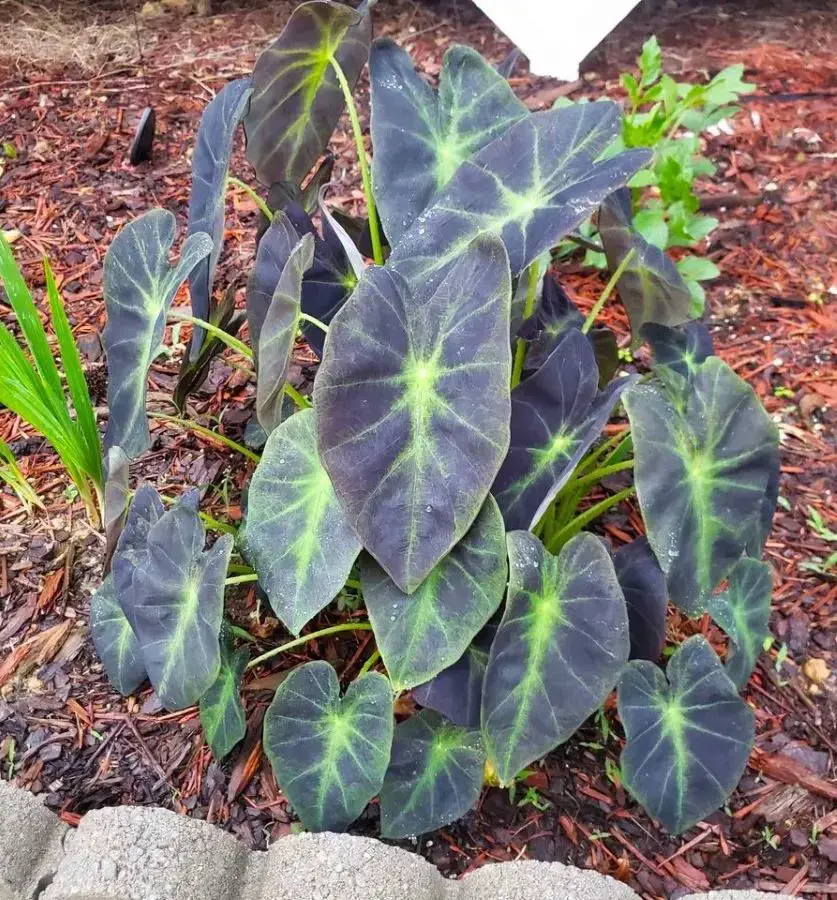
There are many types of Alocasia plants, with approximately 97 known species. These plants are favored for their stunning leaves and visual appeal. Some popular Alocasia varieties include:
Alocasia Polly: This alocasia is known for its arrow-shaped, deep green leaves with creamy green midribs. It grows quickly and is suitable for beginners.
Alocasia zebrina features arrow-shaped leaves without distinctive white veins, prized for its unique appearance.
Alocasia Frydek (Green Velvet Alocasia): Resembles Alocasia Polly but has velvety, deep green leaves with bright white veins.
Alocasia stingray is named for its unique leaf shape resembling a stingray, with glossy green foliage and prominent veins on the undersides.
Alocasia Regal Shields: Notable for its dark green leaves with subtle purple hues on the undersides, giving it an elegant appearance.
These varieties differ in leaf color, shape, size, and texture, making them appealing choices for indoor plant collections. Each type of Alocasia plant requires specific care, including proper watering, lighting, and humidity levels, to thrive.
Apart from the usual pests and diseases like spider mites, mealybugs, scale, and fungal diseases such as root rot, leaf spot, and powdery mildew, other issues can affect Alocasia plants.
Yellow Leaves: One common issue is yellowing leaves, which can be caused by overwatering, poor water quality, improper lighting, fluctuating temperatures, humidity issues, nutritional imbalances, or pest infestations. To treat yellowing leaves, it is essential to identify the underlying cause and adjust watering practices, improve air circulation, use fungicides or insecticidal soaps, and maintain proper growing conditions.
Drooping Leaves: Another problem that alocasia plants can face is drooping leaves, which can be caused by temperature stress, drafts, pests, or dormancy. To treat drooping leaves, it is important to ensure a stable temperature, inspect plants regularly for pests, reduce watering during dormancy, and provide optimal growing conditions.
Overfertilization: Too much fertilizer can burn the roots and leaves. Adjust the fertilizer strength as needed and follow the instructions on the package.
Low Humidity: Alocasias prefer high humidity, so insufficient humidity can cause leaf browning and curling. Increasing humidity levels can resolve this.
Temperature Stress: Sudden temperature drops or drafts can harm the plant. Keep Alocasias away from drafty areas and maintain a consistent temperature within their preferred range.
Water Quality: Hard water or water with minerals can harm Alocasias. Using purified or distilled water can help.
Light Exposure: Direct sunlight can scorch Alocasia leaves. Place the plant in filtered light or partial shade to prevent this.